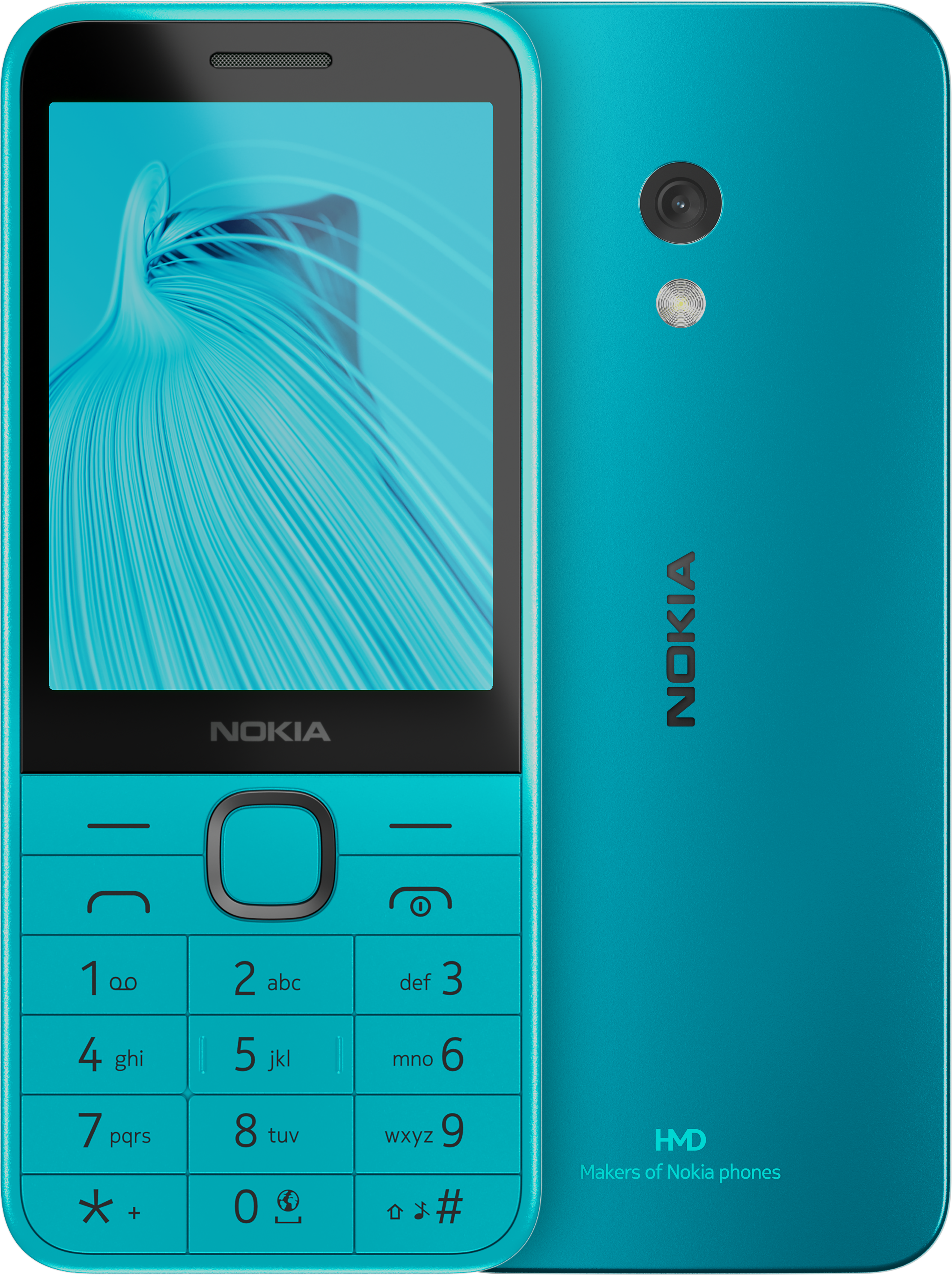
Nokia 235 4G Review: Sustainability & Environment
Recycled Materials
Cobalt
Not specified
Plastics
Materials breakdown: Plastics: 45%. No specific recycled content percentage for plastics is given.
Aluminum
Metals proportion is 8%, but no specific recycled aluminum percentage.
Tin
Not specified
Steel
Steel is mentioned as a metal component, but no recycled content percentage.
Copper
Copper is mentioned as a metal component, but no recycled content percentage.
Ocean Bound Plastic
Not specified
Packaging
Recycled Packaging
Made of renewable material. Contains up to 68.9% recycled material. Packaging is 100% recyclable. Minimized package.
Recycled Fibre
Packaging material: G-flute 100gsm recycled fluting /140gsm recycled white bottom liner.
Plastic Free Packaging
PVC is not used in product or its packaging.
Longevity & Upgrades
Durability
User guide mentions keeping the device dry, away from dust, dirt, extreme temperatures, magnets, and not dropping/knocking/shaking it.
Longevity
User guide mentions “Recycle” and encouraging return of used products. All materials of the device can be recovered. Products and battery marked with WEEE Directive symbol.
Energy & Emissions
Energy
Charger average active efficiency: 69.03 %. Efficiency at low load (10 %): 59.9 %. Charger no-load power consumption: 0.075 W.
Carbon Footprint / Emissions
Carbon Neutral
Goals
Nokia as a company commits to net-zero by 2040 and aims for 100% renewable electricity in own facilities by 2025 (not specific to the 235 4G product).