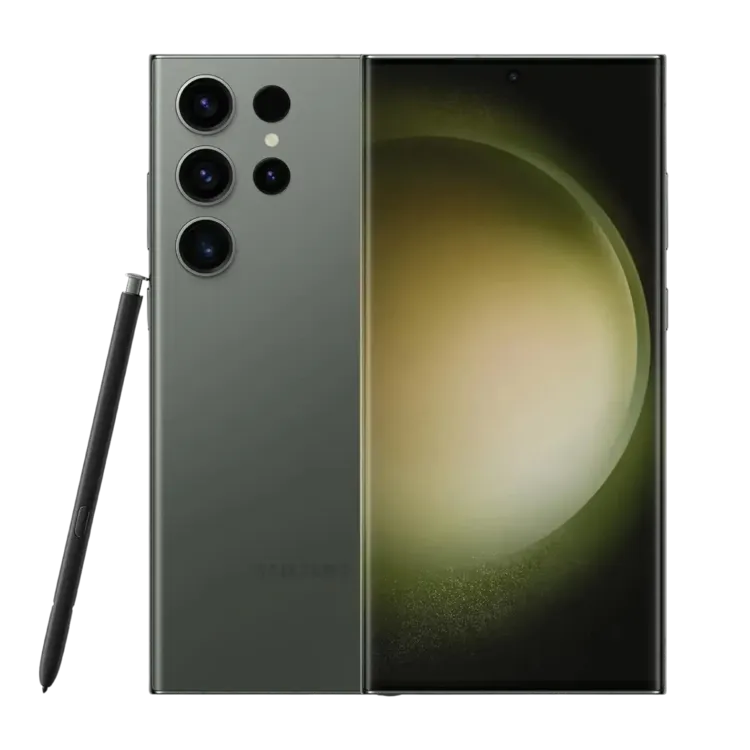
Samsung Galaxy S23 Ultra Review: Sustainability & Environment
Recycled Materials
Cobalt
no information given
Plastics
For internal components, 20% of plastic parts by weight from repurposed plastic (fishing nets/water barrels). External antenna lines: 10% plastic by weight from recycled PET bottles. Back glass deco film: 80% recycled PET. Post-consumer recycled plastics from fishing nets, PET bottles, water barrels. Top speaker module upper & lower, Bottom speaker module upper, Volume key, Side key: min 20% PCM. Bottom speaker module lower: min 5% OBP + 15% PCM. Front insert: min 10% PCM. Deco film of back glass: min 80% recycled PET. Recycled materials ECV by UL.
Aluminum
28% of aluminum by weight is recovered scrap (volume keys, side key, SIM card tray). Pre-consumer recycled aluminum. Recycled materials ECV by UL.
Tin
no information given
Steel
no information given
Copper
no information given
Ocean Bound Plastic
S pen inner cover contains minimum 20% OBP. Bottom speaker module lower contains minimum 5% OBP + 15% PCM.
Packaging
Recycled Packaging
100% recycled paper packaging box. Reduced use of plastic in packaging for Galaxy S23 Ultra by 96.8% vs Galaxy S7. Contains only 1.6% plastic. Replaces plastic packaging/protective films with paper/recycled materials. Paper in package box: 100% recycled (FSC certified).
Recycled Fibre
For internal components, 20% of plastic parts by weight from repurposed plastic (fishing nets/water barrels). External antenna lines: 10% plastic by weight from recycled PET bottles. Back glass deco film: 80% recycled PET. Speaker module lower, Top speaker module upper & lower, Bottom speaker module upper, Volume key, Side key: min 20% PCM. Bottom speaker module lower: min 5% OBP + 15% PCM. Front insert: min 10% PCM. Deco film of back glass: min 80% recycled PET. Packaging is 100% recycled paper.
Plastic Free Packaging
Goal to eliminate all single-use plastics in mobile product packaging by 2025. Contains only 1.6% plastic. Packaging is 100% recycled paper.
Longevity & Upgrades
Durability
IP68 water resistance and dust protection. Stress tests ensure longevity and consistent performance.
Longevity
Provides four generations of OS upgrades and five years of security updates. Repairability is a main priority, with expanded authorized and independent service providers and a self-repair program in the US. Samsung plans to reduce power consumption by 30% vs 2019 products.
Energy & Emissions
Energy
Samsung plans to reduce power consumption by 30% vs 2019 products. Initiatives like improving energy efficiency of chargers. Plans to run all DX Division operations on renewable energy by 2027. Business sites meet ISO50001 certifications.
Carbon Footprint / Emissions
70.6 CO2e
Carbon Neutral
Goals
Samsung’s New Environmental Strategy commits to net zero by 2050 (company).