

THE RESULT · UPDATED SEPTEMBER 2026
The result
The genuinely sustainable answer is still boring: keep the phone you already have if it works. Repair it if sensible. Buy refurbished or second-hand next. If you genuinely need a brand-new phone, the strongest option in this seven-phone investigation is the Fairphone Gen. 6.
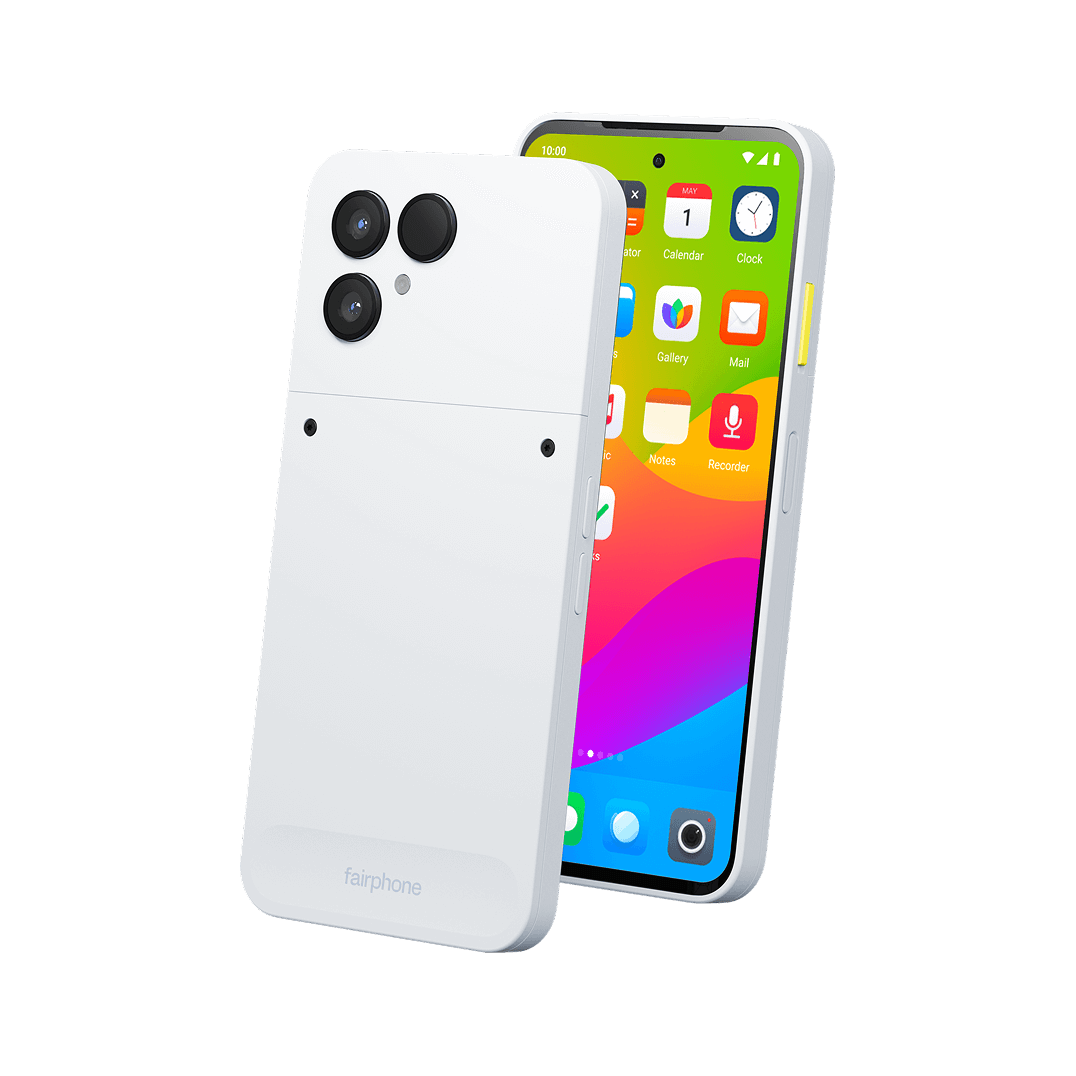
Fairphone Gen. 6
It has the lowest reported lifecycle footprint in this comparison at roughly 29.3 kg CO₂e, 12 user-replaceable parts, software and parts support extending to 2033, and 10/10 repairability from iFixit.
Why it came out on top →Best and worst at a glance
| Result | Phone | What stood out |
|---|---|---|
| Strongest new-phone option here | Fairphone Gen. 6 | ~29.3 kg CO₂e · 12 replaceable parts · support to 2033 |
| Lowest reported emissions | Fairphone Gen. 6 | ~29.3 kg CO₂e |
| Strong mainstream product data | Samsung Galaxy S25 | 45.7 kg CO₂e · recycled metals · 7 years of updates |
| Highest reported emissions | Pixel 10 Pro Fold | ~123 kg CO₂e despite meaningful recycled-material content |
Important: manufacturers do not all calculate lifecycle emissions using identical methodologies or boundaries. These figures help show scale. They are not a fake precision contest.
If you are here because you searched for the most sustainable phone in 2026, the result is above. Making you read thousands of words before telling you would be deeply annoying.
My sustainable phone investigation really started when I made a video about how phone batteries are mined which got censored on social media. Censored on TikTok, but not from Instagram 😏.
It was the video where my phone screen was completely smashed and I was having a climate anxiety episode. Laugh as you may, I was genuinely struggling with it. I knew I needed a new phone, but I also knew what sits behind that shiny little rectangle we casually replace every few years.
The seven-phone ranking
I ranked the six phones with disclosed lifecycle totals from lowest to highest reported emissions. Sony remains in the seven-phone investigation but is not ranked because I could not verify an official product carbon footprint. The HTT Eco Score and Ethics Score are separate evidence evaluations.
Three measures, three different jobs
- Ranking order
- Reported lifecycle emissions, lowest disclosed total first
- HTT Eco Score
- Separate environmental evidence assessment from the live product record
- HTT Ethics Score
- Separate labour, sourcing and accountability assessment from the live product record
| Phone | HTT scores | Reported footprint | Strongest point | Context | Evidence |
|---|---|---|---|---|---|
| #1 · Fairphone Gen. 612 user-replaceable parts, support to 2033 |
Eco5/5Ethics4/5 |
29.3 kg CO2e | 10/10 repairability | The 29.3 kg result is after reduction measures. The assessment reports 41.8 kg before those measures and assumes three years of use. | View evidence
|
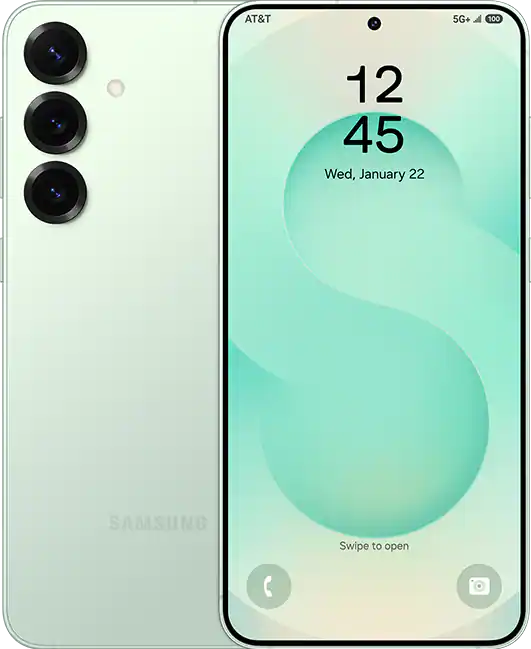 #2 · Samsung Galaxy S25Seven years of operating system and security updates #2 · Samsung Galaxy S25Seven years of operating system and security updates |
Eco5/5Ethics2/5 |
45.7 kg CO2e | Mainstream balance | The report assumes three years of use. Product data does not settle separate worker-safety and environmental-health questions. | View evidence
|
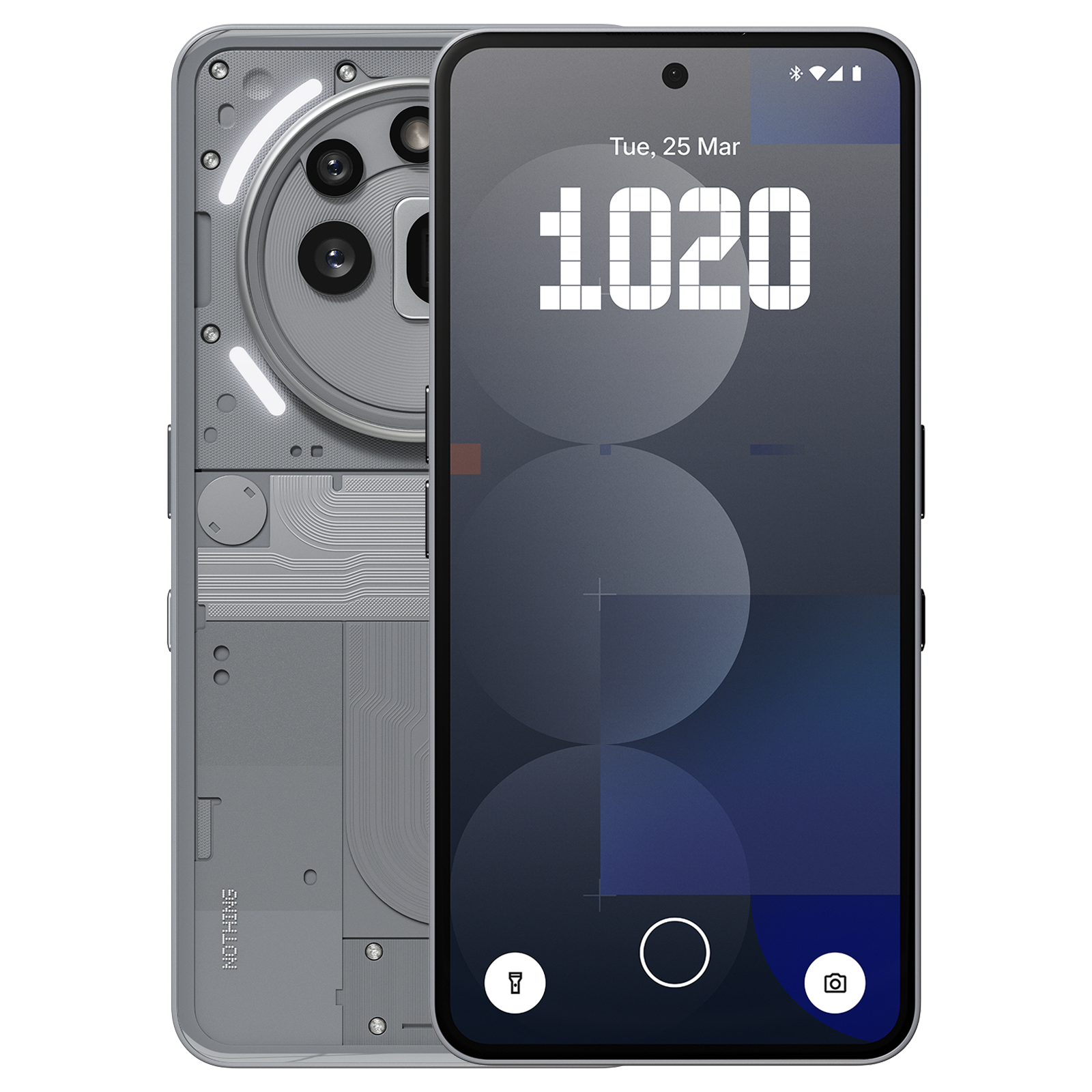 #3 · Nothing Phone 3a ProStrong recycled-metal disclosure #3 · Nothing Phone 3a ProStrong recycled-metal disclosure |
Eco3/5EthicsN/A |
51.3 kg CO2e | Recycled metals | The 51.3 kg figure is shared across Phone (3a) and Phone (3a) Pro. The report does not provide separate model footprints. | View evidence
|
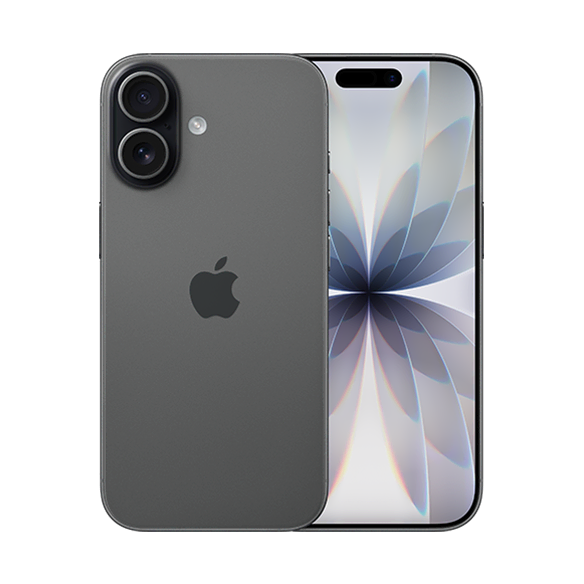 #4 · Apple iPhone 17Storage-specific footprints shown #4 · Apple iPhone 17Storage-specific footprints shown |
Eco4/5Ethics2/5 |
55 kg at 256GB; 61 kg at 512GB | Recycled materials | The two storage configurations have different reported footprints. Product-material gains do not answer separate labour and supply-chain questions. | View evidence
|
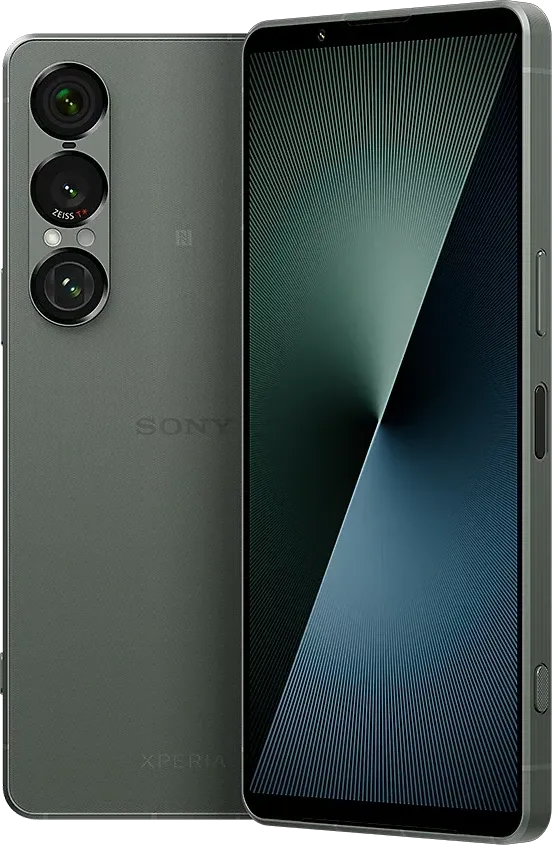 N/R · Sony Xperia 1 VIINot ranked for emissions due to missing official footprint N/R · Sony Xperia 1 VIINot ranked for emissions due to missing official footprint |
Eco4/5Ethics2/5 |
Not disclosed | Plastic-free packaging | Sony did not disclose a product carbon footprint in the official materials reviewed, so this phone is not ranked by emissions. | View evidence
|
 #5 · Google Pixel 10Seven years of updates #5 · Google Pixel 10Seven years of updates |
Eco4/5Ethics1/5 |
82 kg CO2e | Material disclosure | The report assumes three years of use. Strong recycled-material specifications sit beside a comparatively high lifecycle footprint. | View evidence
|
 #6 · Pixel 10 Pro FoldHighest disclosed footprint in this comparison #6 · Pixel 10 Pro FoldHighest disclosed footprint in this comparison |
Eco4/5Ethics1/5 |
123 kg CO2e | Recycled materials | The report assumes three years of use. Recycled content does not make this large foldable a low-impact device. | View evidence
|
Manufacturers do not all calculate lifecycle emissions using identical methodologies or boundaries. Use the disclosed totals to understand scale, not as a fake precision contest.
How this sustainable phone investigation started
I did not start this because I wanted to make a cute little list of “eco phones”. I started because my own phone was smashed, I needed another one, and every answer created five more questions.
List of problems with looking for sustainable phones
- Cobalt.
- Lithium.
- Copper.
- Gold.
- Tin.
- Rare earth minerals.
- Plastic.
- Semiconductors.
- Factories.
- Water.
- Energy.
- Human labour.
And supply chains so complicated that the logo stamped on the back of your phone tells you very little about the number of countries, mines, refiners, factories and human hands involved in actually making it.
So obviously I did the rational thing. I tried to repair my phone myself. Big mistake.
The battery SET ON FIRE. Lol.
After that little incident I bought a second-hand phone from CEX. Still not perfect, but at least another device did not have to be manufactured specifically because of me.
That experience sent me into what has now become a multi-year rabbit hole. I started reading phone sustainability reports. Then lifecycle assessments. Then recycled-material disclosures.
Then cobalt. Then aluminium. Then plastic. Then packaging. Then repairability. Then software support. Then emissions.
Then I started looking at who actually makes the phones. Then workers. Then pollution. Then whistleblowers. Then conflict minerals. Then censorship and surveillance allegations.
And suddenly asking “what is the most sustainable phone?” became a MUCH bigger question.
This is why I built the Hold The Throne sustainable phone database.
I wanted the product data in one place, scored against The Throne Standard, with the corporate ethics investigated separately instead of pretending one little green score can explain an entire multinational company.
A rather important update: I now own no phone 😂
Yes. The woman writing a gigantic investigation into sustainable phones currently owns… no phone. None at all.
I use social media from my iPad. And I recently cracked THAT because there was a mosquito on the screen and apparently for one crucial second I forgot that a mosquito and an iPad require slightly different levels of force.
So I am slowly, accidentally, making my way out of the matrix. At this rate my next technology review will be written on a leaf.
I also think about the contradiction of running Hold The Throne. Servers use electricity. Storage uses resources. Scanning, processing, websites and all the technology behind this database have a footprint.
I feel guilty about that. I am also not going to do the corporate thing and pretend my lack of a phone magically “offsets” a website. It doesn’t.
But my own tech footprint is dissolving in real time. No phone. One injured iPad. Devices being used until they are basically begging me to let them die.
And in my mind the best justification I can give for the technology I am using is to make this information useful enough that somebody else keeps their phone longer, repairs something rather than replacing it, buys second-hand, or does not fall for some completely ridiculous “eco” claim.
What the Hold The Throne Eco Score means
This is probably the most important thing in this entire article. The Eco Score is NOT my personal opinion of the company.
It is not:
- “Do I like Apple?”
- “Would I personally buy a Samsung?”
- “Is this CEO a nice person?”
- “Does this corporation align with my politics?”
The electronics score is based on the product facts we can actually establish: recycled content, repairability, expected life, software support, packaging, energy information and whether there is traceable reporting behind the claims.
The score records what we can prove. My journalism investigates what a product score cannot morally absolve.
If Apple genuinely publishes 100% recycled cobalt attributed to a battery under its chain-of-custody system, I record the claim and the method behind it. I cannot change that to zero because I personally think Apple has behaved horrendously elsewhere.
If Samsung gives a phone seven years of updates and uses recycled metals, those facts go into the record. I cannot remove the points because I later find allegations concerning workers at a factory.
Likewise, Fairphone does not get imaginary bonus points because I prefer what the company stands for.
The data decides the score. Then we investigate everything the score cannot capture.
That distinction matters a LOT in this article because I do not support Apple’s wider corporate antics. From Congo to supply-chain labour to its carbon-offsetting investments, the company is riddled with ethical questions that a good recycled-material figure does not magically wash away.
Your questions about sustainable phones
You lot had questions. Good. Because some of the pushback is completely fair.
My posts about Apple, cobalt and phones generated hundreds of comments. And honestly, the useful ones made this investigation better. Not because I agree with every comment. Because they forced the questions that corporate sustainability reports conveniently avoid.
Mass balance and recycled cobalt
“Okay, but isn’t mass balance still better than just mining more virgin cobalt?”
This came up repeatedly under my Tim Cook / Dua Lipa cobalt post and my Apple 100% recycled cobalt post.
And yes. Mass balance itself is not automatically bad. This is the nuance I do not want lost.
A mass-balance system can allow recycled material to enter a large industrial supply chain even when physically segregating every batch is impractical. If it is properly audited, increasing recycled feedstock in the overall system can be materially better than simply continuing to rely entirely on virgin extraction.
That is a real benefit. My problem is the consumer-facing language.
ISO defines mass balance as a chain-of-custody model where material with a specified characteristic can be mixed with material without that characteristic. The newer ISO 14021 wording is even clearer: when recycled content is attributed through a mass-balance model, the claimed recycled content cannot be guaranteed in an individual product supplied.
That is the whole argument. Not: “Mass balance = fake.” But: “Tell people what 100% recycled actually means when you are using mass balance.”
Apple’s own 2025 Environmental Progress Report said 76% of the cobalt shipped in its products in 2024 came from certified recycled sources using mass-balance allocation. Apple now says it has reached 100% recycled cobalt in all Apple-designed batteries.
Good. Genuinely.
But if an ordinary person reads “100% recycled cobalt in the battery”, they are very reasonably going to think the cobalt physically inside that battery is 100% recycled. Under mass balance, that physical guarantee is not necessarily what the claim means.
That is not me hating recycling. That is me wanting language to mean what normal human beings think it means.
Read the ISO recycled-content definition and Apple’s 2026 Environmental Progress Report yourself.
“But if Apple puts a phone’s worth of recycled cobalt into the system, why do I care which atom is in MY phone?”
Fair question. Probably one of the strongest comments I got.
From a system-level recycling perspective, the exact atom is not necessarily the most important thing. If a properly verified mass-balance system results in more recycled cobalt entering production and less demand for virgin cobalt, that matters.
Where I push back is when the accounting system gets translated into marketing language that gives consumers a different impression.
The issue is not whether recycled cobalt molecules have your name written on them. The issue is transparency.
Particularly because cobalt is not a neutral little sustainability buzzword. People are choosing recycled cobalt specifically because they know about the horrific human-rights questions surrounding mining in the Democratic Republic of Congo.
If somebody buys a device believing its battery physically contains no newly mined cobalt, that is materially different information from: “We purchased and attributed enough certified recycled cobalt through a shared mass-balance system to cover this production volume.”
One sentence takes longer. It is also a lot clearer.
When you need a replacement phone
“I actually need a smartphone. What do you want me to do, disappear from society?”
Also fair 😂.
This came up under both Apple posts and my original “my phone is busted, what do I buy?” post.
A smartphone is functionally necessary for a ridiculous amount of modern life.
Banking. Work. Maps. Authentication. Family. Travel. School. Government services.
I am not interested in shaming somebody because their six-year-old phone finally died and they need another one. That is not the same thing as upgrading every September because the camera now has one extra button.
The practical answer is extremely boring: keep yours as long as it works, repair it when sensible, buy refurbished or second-hand when you can, and only then buy new.
Refurbished and second-hand phones
“Is refurbished actually a realistic solution?”
YES. Not a perfect solution. A realistic one.
Several people under my broken-phone post said exactly this, including people who had bought refurbished devices successfully. My own replacement came from CEX.
The obvious advantage is that you are extending the useful life of a device that has already absorbed its manufacturing impact.
The things I would check are battery health, warranty, repair history, software-support horizon and whether replacement parts are still realistically available.
A refurbished phone with a dying battery and one year of security support is not automatically a genius environmental purchase. But a good refurbished phone that gets another three, four or five years of real use? That makes a lot of sense.
Individual choices and industry responsibility
“Isn’t telling people to shop better just individualising a systemic problem?”
YES. If that is ALL we do.
This was another important argument under the Tim Cook post.
You cannot consumer-choice your way out of a supply chain designed around extraction, planned replacement and enormous corporate power.
We need right-to-repair law. We need durable-design requirements. We need labour protections. We need meaningful due diligence on minerals. We need environmental enforcement around factories.
We need companies to stop being allowed to hide a material claim in 96 pages of fine print and then put the simple version on a billboard.
Individual action and structural action are not enemies. I can keep my phone for seven years AND demand better regulation.
In fact, the EU’s smartphone ecodesign rules are a perfect example of why regulation matters. Once manufacturers were required to make devices more durable, keep spare parts available and provide longer software support, a lot of things we were previously told were basically impossible suddenly became extremely possible.
Funny that.
The seven phones, examined
There is no completely ethical smartphone
Sorry. There just isn’t and won’t be any time soon. Just face the facts.
If somebody is marketing a completely guilt-free eco phone to you, I would already be suspicious.
Smartphones require mined materials, semiconductor fabrication, industrial chemicals, water, energy, international transport and a ridiculous number of suppliers.
62m tonnes of e-waste were generated globally in 2022, according to the Global E-waste Monitor.
22.3% was documented as formally collected and recycled in an environmentally sound way. Which is a fairly spectacular way of saying most of it was not.
29.3 kg approximate reported footprint of Fairphone Gen. 6, the lowest of the phones compared here.
The aim is not finding a magical innocent rectangle. It is finding the phones doing significantly less damage.
Fairphone Gen. 6
Fairphone Gen. 6 is the obvious sustainability benchmark
If you genuinely have to buy a brand-new phone, this is the one I would look at first.
Fairphone reports roughly 29.3 kg CO₂e for Gen. 6, around 30% below Fairphone 5. It says 51% of the device by weight is fair or recycled material across 15 materials.
There are 12 user-replaceable parts. The battery, display, USB-C port and back cover are designed to be swapped. Spare parts and software support extend to 2033. iFixit gave it 10/10 repairability.
This is what sustainable design looks like to me. Not a leaf icon. Not a beige box. Making the expensive thing last.
Fairphone also reports living-wage bonuses, worker-condition programmes and material sourcing initiatives across its supply chain.
Does that make it perfect? No.
Fairphone itself uses credit systems for some minerals including cobalt. That is worth understanding properly rather than turning Fairphone into the ethical-tech Messiah.
But if the rest of the phone industry copied its repairability tomorrow, that alone would be a massive improvement.
Samsung Galaxy S25
Samsung Galaxy S25: fantastic environmental data, MUCH messier ethics
The Galaxy S25 is probably the cleanest example of why I refuse to make the Eco Score a morality score.
The product data is strong.
45.7 kg CO₂e. 50% recycled cobalt in the battery. Recycled aluminium, steel and copper. 100% recycled-paper box.
Seven years of operating-system upgrades. Seven years of security updates. A serviceable battery and self-repair infrastructure.
If I were only reading the product environmental report? Excellent.
But sustainability cannot mean looking at the box and refusing to look at the factory.
A former Samsung environmental, health and safety manager supplied internal material concerning Samsung operations and suppliers in Vietnam. Investigations have alleged chemical-management failures, pollution and worker-health and safety problems.
Then UN human-rights experts sent allegation letters concerning Samsung operations in Vietnam, raising questions around chemical management, wastewater, air emissions, health and labour rights.
Samsung disputes the characterisation and says its operations comply with applicable law and its internal standards.
Good. Put Samsung’s response beside the allegations. But do NOT give me a recycled-paper box and expect the worker questions to vanish.
Read the allegation summary and Samsung response here.
Nothing Phone 3a Pro
Nothing Phone 3a Pro is doing more than I expected
The Nothing Phone 3a Pro reports around 51.3 kg CO₂e.
It uses 100% recycled aluminium in its mid-frame and buttons. More than 85% recycled steel across specified stamping parts. Recycled tin. Plastic-free packaging.
That is decent. But then we get to the bit I care about most.
The battery is still adhesive-sealed. The repair ecosystem is nowhere near Fairphone. The global take-back and refurbishment infrastructure is weaker than the giants.
So it gets credit. It does not get worshipped.
Apple iPhone 17
Apple iPhone 17: strong materials do not erase Apple
Environmentally, Apple has made some real improvements. I know some people do not want to hear that because Apple is Apple. But facts are facts.
Apple’s iPhone 17 Product Environmental Report says the phone uses 85% recycled aluminium in the enclosure and 100% recycled cobalt in the battery under Apple’s recycled-material accounting. Apple also reports recycled gold, tin, copper and rare earths across specific components.
Those improvements belong in the data.
Does that mean I support Apple? NO. Very much no.
This is where my system has to be stronger than my opinion. The product gets the environmental facts it actually earned. The company gets investigated separately.
Apple and Congo
The Democratic Republic of Congo filed criminal complaints in France and Belgium in December 2024, alleging that conflict minerals linked to eastern Congo entered Apple’s supply chain.
Apple disputed the allegations and said it had instructed suppliers not to source the minerals in question from Congo or Rwanda as conflict escalated.
And this is exactly why I keep checking what happened AFTER the headline. French prosecutors dismissed the French complaint in February 2025, saying the allegations were not sufficiently well-founded. The Belgian proceeding was separate.
I am not going to turn an allegation into a conviction because I dislike Apple. I am also not going to keep repeating an allegation after a legal development makes the status more complicated. Allegation. Response. Outcome. All of it belongs here.
Apple’s manufacturing chain
Foxconn’s iPhone manufacturing in India has faced scrutiny over allegations that some recruiters excluded married women from assembly roles.
Foxconn says it prohibits discrimination.
India’s human-rights watchdog later criticised an earlier investigation and ordered further examination.
In 2026, Tamil Nadu pollution regulators issued a show-cause notice after allegations concerning wastewater from a Tata Electronics facility making iPhone components in Hosur.
Then the story moved. The pollution board later said Tata had satisfactorily answered its queries, water samples met the relevant norms and it was pursuing no further action on that notice. A separate health-authority investigation into local complaints was also reported.
Again: allegation + response + what happened next. Otherwise this just becomes corporate fan fiction in reverse.
Apple, Arbaro and carbon offsetting
Then there is Apple’s Arbaro Fund. Jesus Christ.
I have a whole investigation on this. Read: Apple’s Arbaro Fund Tree Planting Is Carbon Offsetting, Not Carbon Cutting →
This section changed after the comments too.
Under my eucalyptus post, people from Australia, India, Spain, Colombia, Portugal and California started describing what large non-native eucalyptus plantings have looked like where they live.
Fire risk. Water. Erosion. Native vegetation. Monoculture.
And the question that kept coming up was basically: when the plantation burns, dies, gets harvested or damages the ecosystem around it, where does THAT sit in the beautiful carbon-credit maths? Exactly.
Apple’s Restore Fund has invested in an Arbaro-managed forestry project in Paraguay involving commercial eucalyptus plantations. Apple describes its Restore Fund as a nature-based carbon-removal strategy.
The Global Forest Coalition has criticised Arbaro’s eucalyptus plantation model in Paraguay over biodiversity, water, soil, land and community impacts, and describes the Paraguayan eucalyptus plantations as exotic, thirsty and fire-prone.
And this is where corporate “tree planting” language drives me insane.
TREE = CARBON STORAGE = GOOD is not an ecological analysis.
What species? Native to where? What used to be on the land? How much water? What happens to the soil?
What happens to food production? What happens when the trees are harvested? What happens in a wildfire? Who owns the project? Who profits from the timber? Who lives beside it?
I do not want a company planting commercial monocultures in the Global South and then selling me the emotional experience of “we planted trees”. I want the emissions cut.
Read my full Arbaro investigation and the Global Forest Coalition investigation.
Sony Xperia 1 VII
Sony Xperia 1 VII wins the category nobody thinks about: packaging
Sony’s packaging work is genuinely interesting.
The company’s Original Blended Material uses bamboo, sugarcane fibre and recycled paper, and Sony has progressively removed plastic from Xperia packaging.
Good.
The problem is that Sony’s public product-level disclosure for several individual metals is thinner than what I can get from Apple, Google or Samsung.
So if I do not have the data? I leave it blank. I refuse to fill missing information with vibes.
Google Pixel 10
Google Pixel 10 is one of the strangest contradictions here
The Pixel 10 has some brilliant recycled-material specifications.
Recycled cobalt. Recycled aluminium. Recycled copper. Recycled tin. Plastic-free packaging. Seven years of support.
Lovely. And then: 82 kg CO₂e.
This is why one excellent sustainability statistic does not automatically make an excellent sustainability product.
A commenter under one of my Apple posts basically said: “surely the same can be said about Google?” YES.
This entire database exists because I do not want to swap Apple fan fiction for Google fan fiction.
If Google has good recycled-material data, record it. If the total footprint is high, record that too. Nothing gets a halo.
Google Pixel 10 Pro Fold
The Pixel 10 Pro Fold is why I keep asking whether we actually need MORE phone
I know. It folds. Everyone goes ooooooo.
But the reported footprint is around 123 kg CO₂e.
The phone can contain meaningful recycled materials and still be an extremely resource-intensive object. Both things are true.
Compare that with Fairphone Gen. 6 at around 29.3 kg. Different manufacturers use different LCA methodologies, so I am not pretending the ratio is laboratory-perfect.
But the gap is large enough for me to ask a very simple question:
Did your phone really need to fold?
More storage, more emissions
This one surprised me.
The iPhone 17 Pro Max report shows the reported footprint rising significantly with storage.
- 256GB: 67 kg CO₂e
- 512GB: 77 kg
- 1TB: 95 kg
- 2TB: 134 kg
That 2TB figure is more than four times Fairphone Gen. 6’s approximate reported footprint.
I am a filmmaker. Storage owns half of my soul. Some people genuinely need loads of it.
I am saying: buy what you actually need. More phone is still more stuff.
Huawei, Xiaomi and global supply chains
First: can we stop saying “Asian brands” as though Asia itself is the ethical issue?
Samsung is South Korean. Huawei and Xiaomi are Chinese. Sony is Japanese. Apple and Google are American. Fairphone is Dutch. Nothing is headquartered in London. And almost all of them rely on supply chains spread across Asia.
Your “American” phone can contain African minerals, Taiwanese chips, Japanese components, Chinese or Indian assembly and Vietnamese subassemblies.
So no. This is not WEST GOOD, ASIA BAD.
The problems are worker exploitation, mineral sourcing, pollution, censorship, surveillance, unrepairable design, planned replacement, greenwashing and corporate power.
Those problems cross borders extremely well. Capitalism has excellent logistics.
Huawei
As I am updating this in September 2026, Huawei is on trial in U.S. federal court over allegations including trade-secret theft, business dealings connected with Iran and other offences.
The case also includes allegations involving surveillance equipment reportedly used against Iranian protesters.
Huawei denies wrongdoing and says U.S. prosecutors are mischaracterising legitimate business and unfairly attributing employee conduct to the whole company.
This is not a recycled-plastic issue. But if we are discussing ethical technology, I am not going to decide surveillance allegations suddenly do not count because they are inconvenient for my spreadsheet.
Xiaomi
Xiaomi is a good lesson in why I also refuse to sensationalise an allegation just because it fits the story.
Lithuania’s cybersecurity authority previously alleged a Xiaomi phone contained a content-filtering capability capable of detecting politically sensitive phrases.
Xiaomi denied censoring users.
I could leave the German finding out and make the paragraph much scarier. It would also make the journalism worse.
Repairability and software support
I cannot emphasise this enough. A beautiful unbleached cardboard box is lovely. If the phone inside becomes economically irreparable after three years, who cares?
Fairphone is the benchmark. Samsung now gives the S25 seven years of software support. Google gives the Pixel 10 seven years. Apple has improved repair access over recent generations.
And regulation is forcing the whole industry to move. EU smartphone ecodesign rules applying since 20 June 2025 include requirements around durability, repairability, batteries, spare parts and software support. Amazing what becomes possible when lawmakers stop politely asking.
For years we were told removable batteries and repairable designs were basically impossible.
Fairphone: *undoes screw*
So what is the most sustainable phone in 2026?
If you are forcing me to choose from the seven phones in this comparison? Fairphone Gen. 6.
For me, it is the clearest combination of low reported emissions, repairability, longevity, material sourcing and attempts to improve the social side of production.
Is it perfect? No. I literally just spent several paragraphs explaining why perfection does not exist here. But it is the phone currently pushing the industry in the direction I actually want it to go.
My buying order
My actual buying order is much more boring
1. Keep the phone you have. If it works, keep it.
2. Repair it. Professionally, preferably, after my flaming-battery situation.
3. Buy refurbished or second-hand. A lot of you suggested exactly this under my original broken-phone post, and I agree.
4. If you genuinely need new, buy for longevity. Check support years. Check battery replacement. Check parts. Check repair manuals. Check emissions. Check the actual material percentages.
Then check the company. Worker rights. Mineral sourcing. Pollution. Union behaviour. Factory safety. Surveillance. Censorship. Take-back. Greenwashing.
That is why I built the phone section instead of just writing “buy Fairphone” and going home.
The phone you did not buy
The greenest phone is still the phone you did not buy
Thousands of words later and my recommendation is: do not purchase anything. Very useful sustainable shopping website I have built here 😂.
But genuinely. One of the loudest themes in the comments was: WE DO NOT NEED A NEW PHONE EVERY SINGLE YEAR.
And on that? I completely agree.
We do not need a slightly better camera every year. We do not need to replace a functioning device because the corners changed. We do not need sustainability turned into another excuse to shop.
Consumerism has become frighteningly good at selling environmental guilt back to us as another product.
Buy the green bottle. Buy the recycled shoe. Buy the carbon-neutral watch. Buy the eco phone.
Sometimes the genuinely sustainable choice is the one nobody can make money from. Keep the one you already own.
What the evidence can tell us
There is no ethical technology. But some technology does significantly less damage.
That is ultimately the philosophy behind the Hold The Throne sustainable phones section. I do not think there is a completely ethical phone.
I think there are phones with: lower emissions, more recycled material, better mineral sourcing, longer lives, better repairability, less plastic, better worker programmes, stronger transparency, and better end-of-life systems.
Those are things we can measure and investigate.
The Eco Score tells you what the evidence currently supports. It does NOT tell you: “Cel loves this corporation.” Sometimes the exact opposite 😂.
I can record Samsung’s excellent S25 product data and still investigate the allegations around Vietnam. I can record Apple’s recycled cobalt and still tell you its wider ethics trouble me enormously.
I can praise Google’s recycled aluminium and then ask why the Pixel 10 reports 82 kg CO₂e. I can recommend Fairphone and still question its credit systems.
That is not inconsistency. That is the standard working.
And eventually I may have no technology left anyway
At my current rate of destruction this problem may resolve itself. No phone. Cracked iPad. Laptop probably looking over its shoulder nervously.
I am apparently conducting a personal degrowth experiment without meaning to. And strangely? I quite like it. There is something satisfying about no longer having a phone attached to my body.
I still make films. I still run social media. I still research. I still build Hold The Throne.
But slowly, device by device, I am becoming less interested in owning technology simply because everybody else does.
Maybe that is the real sustainable-tech end point. Not the perfect phone. Less dependence on one.
Use the data. Then make your own decision.
Sustainable phone FAQ
These are the questions that keep coming up in search, comments and messages. So here are the short answers without making you excavate them from the rest of this monster.
What is the most sustainable phone in 2026?
Of the seven phones compared in this investigation, Fairphone Gen. 6 is the strongest new-phone option because it combines the lowest reported lifecycle footprint here with exceptional repairability, long support and stronger material-sourcing work. But my first answer is still: keep the phone you already own if it works.
What actually makes a phone sustainable?
Not one recycled-plastic percentage. I look at lifecycle emissions, repairability, battery and parts replacement, software support, expected life, recycled and responsibly sourced materials, packaging, end-of-life systems and the evidence behind the claims. Then I investigate the corporate ethics separately.
Is a refurbished phone more sustainable than buying a new one?
Often, yes. You are extending the useful life of a device that has already absorbed its manufacturing impact. But check battery health, warranty, repair history, remaining software support and whether replacement parts are still realistically available.
Is Fairphone actually ethical?
It is not impact-free and I am not giving it a halo. Phones still require mining, factories, energy, chemicals and global supply chains. Fairphone stands out here because of repairability, longevity, material programmes and worker initiatives. Its mineral-credit systems still deserve scrutiny.
Is Samsung or iPhone more sustainable?
There is no honest universal answer from one number. In this comparison the Galaxy S25 reports 45.7 kg CO₂e and the iPhone 17 models shown here report roughly 55–61 kg CO₂e, but manufacturers use different lifecycle-assessment methods. Compare repair, support, materials, sourcing and the wider company evidence too.
Does more phone storage increase emissions?
In Apple’s iPhone 17 Pro Max environmental reporting, yes. The figures used in this investigation rise from 67 kg CO₂e at 256GB to 134 kg at 2TB. More storage is more hardware. Buy what you actually need.
Should I replace my working phone with a greener one?
Usually, no. Keep it. Repair it. Then consider refurbished or second-hand. Buying a new “sustainable” phone every year rather spectacularly misses the point.
Sources and evidence
I link evidence throughout the investigation rather than hiding it at the bottom like homework nobody is supposed to check. These are some of the sources doing the heavy lifting.
- UNITAR / ITU Global E-waste Monitor 2024 for the global e-waste figures.
- ISO 14021 for recycled-content and mass-balance language.
- European Commission smartphone and tablet ecodesign rules.
- iFixit’s Fairphone 6 teardown and 10/10 repairability assessment.
- Apple Product Environmental Reports, Samsung mobile Product Environmental Reports and Google Product Environmental Reports.
Compare sustainable phones on Hold The Throne
If you want to go past this seven-phone comparison, browse the full sustainable phone database. Open the individual reports and compare emissions, recycled materials, repairability, longevity, packaging and evidence against The Throne Standard.
If you came here from Medium, you can get 50% off a full year of Hold The Throne with code MEDIUM.
Hopefully you use the database to buy less stuff. Possibly the worst promotional strategy I have ever created. But here we are.