
- Language
Chinese
- Original Title
联想集团24/25年度ESG报告
- English Title
Lenovo Group 2024/25 ESG Report
- Year
2024/25
Throne Score · 1.2.0
5.0/5Eco Score
Eco Score breakdown
These parts are the Eco Score. The ethics finding is separate and is not a second number.
Repairability & longevity100%
Excellent Eco Score35% evidenceCircularity100%
Excellent Eco Score60% evidenceEthics report
These findings are separate from the Eco Score. The public report shows no Ethics number.
Reports in the company’s language
Who is harmed?
- Group
People
- Affected
Artisanal miners, children and their families in the Democratic Republic of the Congo
- Harm
Cobalt extraction can involve hazardous, life-threatening work, child labour, unstable income and weak access to remedy.
- Scope
Electronics-sector risk. It is not proof that cobalt in this exact device came from an abusive mine.
- Group
Mine-affected peoples
- Affected
Workers, Indigenous peoples and communities across cobalt, copper, lithium, nickel, rare-earth and 3TG supply chains
- Harm
Electronics mineral supply chains can carry intertwined risks involving labour rights, armed conflict, corruption, land, water, pollution and taxation. A recycled-content percentage does not by itself prove that the remaining primary material is harm-free.
- Scope
Sector-wide critical-minerals risk covering more than cobalt. Exact attribution requires mine, processor, smelter and chain-of-custody evidence for the device.
- Group
Children & e-waste workers
- Affected
Children, pregnant workers and families working or living near informal electronics recycling and dumpsites
- Harm
Unsafe e-waste recycling can release lead, mercury, cadmium, flame retardants and other toxic substances. WHO links exposure with lifelong neurological, respiratory, reproductive and other health harms, and estimates millions of children and women may be at risk.
- Scope
Global end-of-life sector evidence. It is not proof that this exact discarded device reached a named dumpsite; company take-back, repair and verified downstream recycling evidence is assessed separately.
- Group
Repairers & consumers
- Affected
Device owners, lower-income households and independent repair businesses
- Harm
Parts pairing, software locks, unavailable manuals or parts and repair-hostile design can raise costs, reduce choice and push working products toward replacement. The FTC found scant evidence for many broad manufacturer justifications for repair restrictions.
- Scope
Sector and market evidence, especially mobile devices. The listing's repairability and parts evidence shows whether this product and manufacturer reduce or reproduce that harm.
- Group
Users & civil society
- Affected
Users, journalists, activists, dissidents and communities disproportionately targeted by surveillance
- Harm
Devices, platforms and private surveillance technologies can enable tracking, censorship, harassment and interference with privacy, expression, association and assembly when safeguards and accountability fail.
- Scope
Technology-sector human-rights risk. A company is marked only where its policies, product conduct, contracts, enforcement records or documented use establish responsibility.
- Group
Civilians & targeted communities
- Affected
Civilians, humanitarian workers and communities affected by military, intelligence, policing or occupation-linked technology
- Harm
Drones, cloud services, communications, AI and surveillance systems can contribute to targeting, repression or denial of essential services. Those consequences must be shown alongside any documented corporate contract or deployment.
- Scope
Sector-level pathway, not an allegation against every electronics brand. Company attribution requires evidence of a relevant contract, system, use or failure of human-rights due diligence.
- Group
Communities receiving waste
- Affected
Communities and ecosystems where discarded electronics are dumped, burned or processed without adequate controls
- Harm
The world generated 62 million tonnes of e-waste in 2022 and only 22.3% was documented as properly collected and recycled. Uncontrolled disposal can pollute air, soil, aquifers and drinking water while transferring health costs to communities with the least protection.
- Scope
Global sector evidence. A brand's downstream responsibility depends on verified collection volumes, reuse, recycler standards and export or disposal records - not the existence of a take-back webpage alone.
Company findings
- Label
Corporate conduct & accountability
- Pillar
Corporate conduct & accountability
- Question
Does the company act transparently on tax, lobbying, corruption, discrimination and misconduct; do its public claims reconcile with underlying records; and does it provide meaningful accountability and remedy?
- Summary
The 2026 World Benchmarking Alliance Social Benchmark scores Lenovo 25.9/100 on fundamental expectations for human rights, decent work and ethical conduct.
- Scope
Lenovo company-wide
- Source Date
2026
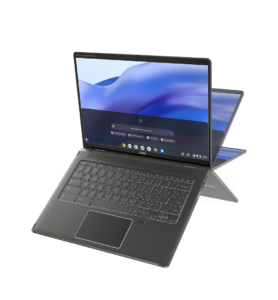
About ThinkPad L13 Yoga Gen 4 13.3″ 1920×1200 2-In-1 Touchscreen Laptop
Recorded findings grouped by subject. Blue bars show field completeness, not a score. Saved statements must be read with their source dates and evidence limits.
Materials and composition
1 of 18 fields recorded| Recycled Materials | The L13 Yoga Gen 4 (Intel) uses post-consumer content (PCC) recycled plastic across several parts: 30% PCC in the top cover frame, 50% PCC in the speaker enclosure, and 90% PCC in both the battery-pack enclosure and the standard adapter, plus low-temperature solder. Packaging is 90% recycled and/or sustainable. As a value-tier plastic-chassis model it contains recycled plastics only, with no recycled aluminium or magnesium stated. All figures are from Lenovo's official PSREF datasheet (dated 06 August 2025). |
|---|
Free account · 3 full reports a month
Unlock the full ThinkPad L13 Yoga Gen 4 13.3″ 1920×1200 2-In-1 Touchscreen Laptop record
Check the audit before you buy. A free account opens 3 full reports a month, and reports you have already opened stay open.
Free · No credit card · Unlocks immediatelyAlready a member? Sign in
Included in your free reader pass
- The full product table, row by row
- The recorded finding on every ThinkPad L13 Yoga Gen 4 13.3″ 1920×1200 2-In-1 Touchscreen Laptop record
- Parent ownership and certifications
- 5 boycott lists checked
More reports


Keep exploring
Represent this business? Provide missing evidence or request a correction. Source evidence and independent authority review are required.