Destinations › Caribbean · The Destination Index · universal template · every figure sourced
Antigua and Barbuda.
Caribbean, islands between the Caribbean Sea and the North Atlantic Ocean, east-southeast of Puerto Rico. 443 sq km and 94,209 people, 153 km of coastline, tropical maritime; little seasonal temperature variation.
Region · CaribbeanPopulation · ~94,209Languages · Antiguan Creole, English (official)Eco Index · 58/100 · Weak
The Eco Index across 12 pillars · scored 0 to 5 · World Bank, OWID, WHO/UNICEF JMP, FiBL, Protected Planet, IUCN, UNESCO (2023-24)
Conservation
Wildlife
Water
Food & farming
Organic & clean
Climate & energy
Waste
Health
Heritage
Ownership
Governance
Future
The History of Antigua and Barbuda.
Antigua and Barbuda holds a strong living Afro-Caribbean heritage rooted in the experience of emancipation. Benna, a call-and-response folk song tradition that once carried news and pointed social commentary, sits alongside calypso, soca and the steelpan.
Where the name comes from
The Kalinago called Antigua Wa'ladli, said to mean 'our own', and Barbuda Wa'omoni. Columbus renamed Antigua in 1493 after a church in Seville, Santa María la Antigua. Barbuda is usually read as Portuguese or Spanish for 'bearded', probably for the island's bearded fig trees. Source: national and regional toponymic records.
The land itself: low-lying limestone and coral islands, with volcanic high ground in the south west of Antigua. Its high point is Mount Obama, 402 m. Source: national mapping and survey records.
Where it starts
Wadadli
The oldest known site in the country is on Barbuda, and Bayesian modelling of the screened radiocarbon record puts first settlement there at about 3,455 to 3,265 years ago, roughly 1500 to 1300 BC. The same modelling puts first settlement on Antigua at about 3,100 to 2,830 years ago, roughly 1150 to 880 BC. These were pre-agricultural Archaic communities, and they were followed by ceramic-using Saladoid farmers moving up the chain from Venezuela. At Indian Creek, radiocarbon dating records human activity from 200 BC to AD 1300, fifteen centuries of an agricultural village growing cassava. The people who lived here called Antigua Wadadli, a name still in everyday use.
How it got here
Sugar, harbours and abolition
English settlement began in 1632 and the islands were worked as sugar plantations on enslaved African labour, with Antigua's deep harbours serving as a British naval base. Slavery was abolished in 1834, and Antigua ended it outright rather than imposing the apprenticeship period used elsewhere in the British Caribbean. Independence came in 1981.
The timeline
c. 3685 BC
The oldest site in the country.
Barbuda holds the earliest confirmed human presence in these islands, with Bayesian modelling of the screened radiocarbon record putting first settlement at about 3,455 to 3,265 years ago, roughly 1500 to 1300 BC, among the earliest dates in the Lesser Antilles. ↗
c. 3106 BC
Antigua settled.
First settlement on Antigua is modelled at about 3,100 to 2,830 years ago, roughly 1150 to 880 BC. These were pre-agricultural Archaic communities, often called Siboney locally, though that is a Cuban name applied here by later convention. ↗
200 BC to AD 1300
Indian Creek.
Radiocarbon dating places human activity at Indian Creek across fifteen centuries. It was an agricultural village growing cassava, and is the best known Indigenous site in the country. ↗
c. 500 BC onward
Saladoid farmers.
Ceramic-using Saladoid people move up the island chain from Venezuela, bringing agriculture and pottery. ↗
Before 1493
Wadadli.
The islands' Amerindian inhabitants called Antigua Wadadli, also written Waladli. The name is still in everyday use. ↗
1493
European sighting.
A Spanish fleet sights and renames the island in 1493, on the second voyage of Columbus. ↗
1632
English settlement.
English settlers cross from St Kitts in 1632, into the Leeward Islands where early English settlement proved difficult. ↗
1600s to 1800s
Sugar and enslavement.
The islands are worked as sugar plantations on enslaved African labour, with Antigua's deep harbours also serving as a British naval base. ↗
1834
Abolition.
Slavery is abolished. Antigua ended it without the apprenticeship period imposed elsewhere in the British Caribbean. ↗
1981
Independence.
Antigua and Barbuda becomes independent on 1 November 1981, adopting the Westminster parliamentary model. ↗
Redonda is one of the best island restoration stories anywhere, and it is properly documented. Miners left behind rats and goats that stripped the island bare. In 2017 Fauna and Flora and their partners eradicated the rats and moved the feral goats to Antigua.
Is wild Antigua and Barbuda protected? 16.5% of the land is, against a 30% target for 2030
Found only here. Antiguan racer, Redonda ground dragon, Barbuda warbler
The watchlist
ThreatenedHawksbill (Eretmochelys imbricata)Critically Endangered on the IUCN Red List, and recorded in Antigua and Barbuda in GBIF occurrence data (turtle).
ThreatenedRedonda Anole (Anolis nubilus)Critically Endangered on the IUCN Red List, and recorded in Antigua and Barbuda in GBIF occurrence data (reptile).
ThreatenedBrain coral (Pseudodiploria strigosa)Critically Endangered on the IUCN Red List, and recorded in Antigua and Barbuda in GBIF occurrence data (coral).
ThreatenedHamlet (Epinephelus striatus)Critically Endangered on the IUCN Red List, and recorded in Antigua and Barbuda in GBIF occurrence data (species).
ThreatenedMillepora complanataCritically Endangered on the IUCN Red List, and recorded in Antigua and Barbuda in GBIF occurrence data (coral).
ThreatenedLeeward Racer (Alsophis antillensis)Critically Endangered on the IUCN Red List, and recorded in Antigua and Barbuda in GBIF occurrence data (reptile).
ThreatenedReef starlet coral (Siderastrea siderea)Critically Endangered on the IUCN Red List, and recorded in Antigua and Barbuda in GBIF occurrence data (coral).
Critically Endangered, the last IUCN category before Extinct in the Wild, and still recorded in Antigua and Barbuda. GBIF holds 10 verified occurrence records.
Redonda Anole (Anolis nubilus)
Critically Endangered, the last IUCN category before Extinct in the Wild, and still recorded in Antigua and Barbuda. GBIF holds 14 verified occurrence records.
Brain coral (Pseudodiploria strigosa)
Critically Endangered, the last IUCN category before Extinct in the Wild, and still recorded in Antigua and Barbuda. GBIF holds 22 verified occurrence records.
Species named here are drawn from GBIF occurrence records for Antigua and Barbuda filtered to the IUCN Red List threatened categories. Species are listed where GBIF holds occurrence records for them in this country. Record counts are not published here because the figure cannot be reproduced from a public GBIF query.
National park in Antigua, mapped and named in the open record for Antigua and Barbuda. OpenStreetMap.
Water and Ocean in Antigua and Barbuda.
Antigua is formally water scarce, not merely dry. FAO AQUASTAT puts renewable internal freshwater at about 560 cubic metres per person a year in 2022, below the 1,000 cubic metre mark used to define water scarcity and among the lowest in the Caribbean alongside Barbados on 283 and St Kitts and Nevis on 514. Its one large freshwater store keeps failing.
Does Antigua and Barbuda have enough fresh water? Yes, with headroom
Reverse osmosis desalination, plus the Potworks reservoir which repeatedly runs dry
Cleanest water: Great Bird Island, in the North East Marine Management Area
How much fresh water does Antigua and Barbuda have, per person?
560 m³
Antigua and Barbuda
1,000 m³
the UN “water scarce” line
Antigua and Barbuda withdraws about 4 million cubic metres of fresh water a year (2022). That is 8.5% of the fresh water actually available to it, which FAO counts as no water stress. Of what is taken, farming takes 16%, homes and towns 63%, industry 22%. Source: FAO AQUASTAT.
What are the rules on Antigua and Barbuda beaches?
✓Tap water: Unverified.
✓Plastic rules: Shopping bags prohibited, reported 2016 to 2017; landfill plastic down 15.1% in year one.
✕Solo travel: rated take care on the record for this destination.
✕Marine protection: 0.7% of the sea is protected. The 30x30 pledge for 2030 is not met yet.
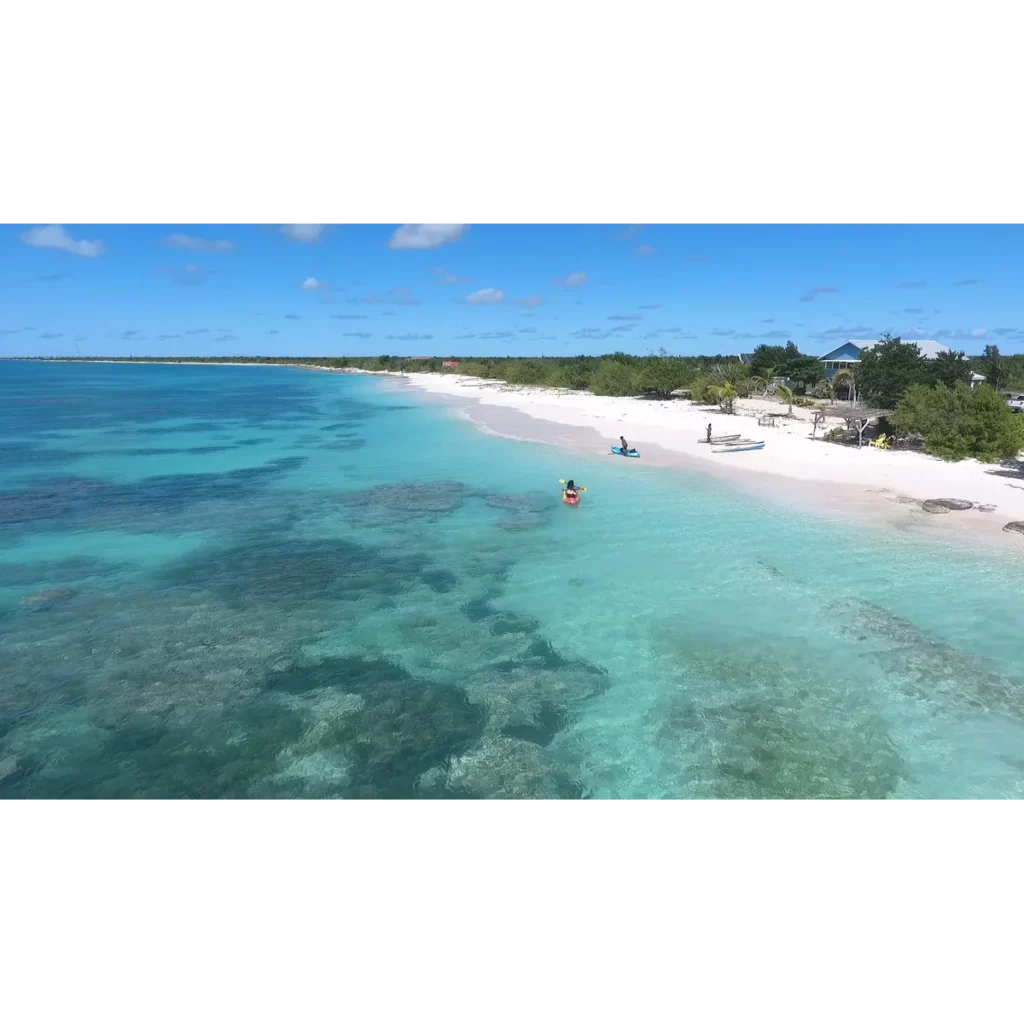
Named on the open map: Carlisle Bay Beach, Cherry Hill Bay Beach, Coco Beach, Coco's Beach, Darkwood Beach, Deep Bay Beach, Devil's Hole Beach, Dickinson Beach. That is 24 named beaches in the public record for Antigua and Barbuda, each one a place you can look up before you go. OpenStreetMap.
How is the sea around Antigua and Barbuda doing?
One cross-section, every answer measured.
Surface
What the coast carries
Hawksbill turtle nesting on Long Island (Jumby Bay Hawksbill Project), 15 June–15 November.
Nearshore
Protected water
0.7% of territorial waters are protected, against the 30% pledged for 2030 under the Global Biodiversity Framework.
Cleanest
Where the water is cleanest
Great Bird Island, in the North East Marine Management Area.
The record
Measured
Antigua is formally water scarce, not merely dry. FAO AQUASTAT puts renewable internal freshwater at about 560 cubic metres per person a year in 2022, below the 1,000 cubic metre mark used to define water scarcity and among the lowest in the Caribbean alongside Barbados on 283 and St Kitts and Nevis on 514.
Sea protected
0.7%
Against the 30% pledged for 2030 under the Global Biodiversity Framework.
Threatened species
7
Mammals, birds, fish and higher plants on the IUCN list.
Cleanest water
here
Great Bird Island, in the North East Marine Management Area.
How hard is the water supply being pushed?
Of every 10 buckets nature refills, 1 are already taken. Withdrawals run at 8.5% of what Antigua and Barbuda renews internally each year (2022, World Bank / FAO AQUASTAT). That is inside the 25% mark generally treated as water stress, so the supply has headroom.
When is the best time to visit Antigua and Barbuda? Tap your month.
Tap your month.
JanFebMarAprMayJunJulAugSepOctNovDec
.
How much fresh water does Antigua and Barbuda actually have?
Nature renews about 560 cubic metres of fresh water per person per year here. That ranks Antigua and Barbuda 33 of 208 countries measured, placing it among the 40 driest countries on Earth per person. The UN treats anything under 1,000 cubic metres as water scarce, and this is below that line. World Bank / FAO AQUASTAT.
Food was 27.67 per cent of merchandise imports in 2024, the highest of the four larger islands we compare, and rising from 24.53 per cent in 2021. Agriculture is 1.61 per cent of GDP. Cabinet has been reviewing a proposal to cut selected food imports by 15 per cent under the CARICOM 25 by 2025 initiative.
Where does the food in Antigua and Barbuda come from?
27.7% imported
about US$260m a year
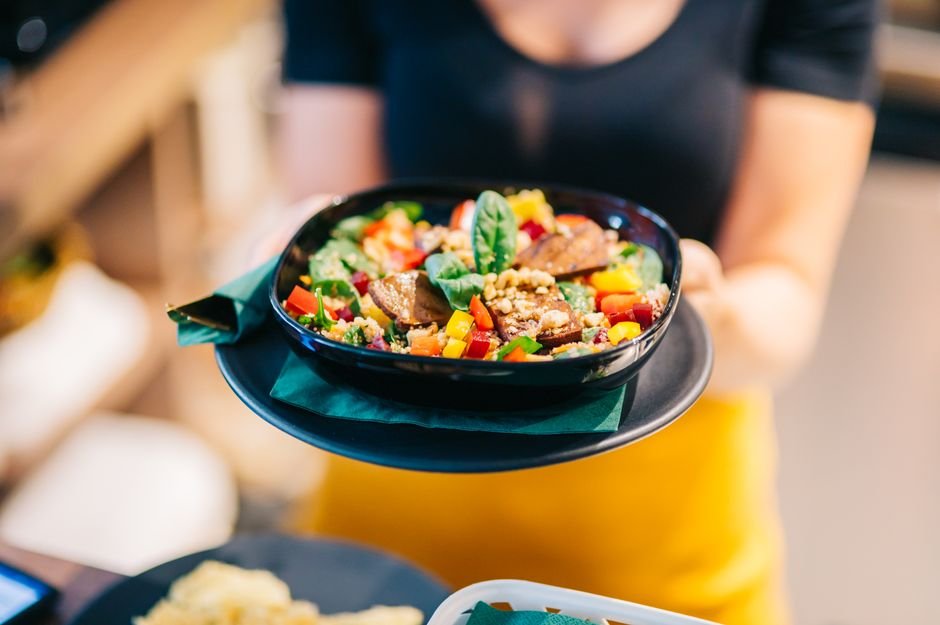
On the plate: Antigua Black pineapple (signature fruit), sweet potato, corn, guava, national dish is fungee (cornmeal) and pepperpot, ducana (sweet potato dumpling).
How often each food is on the plate
Share of people eating each one regularly. These overlap, so they do not add up to 100%.
Sweet potato51%
Corn42%
Guava33%
Pepperpot15%
3 of 10
bites are imported
The island buys in more food energy than it eats. About US$260m a year leaves the country to pay for it. The green slice is roughly what still grows here.
About 27.7% of everything Antigua and Barbuda buys in from abroad is food, roughly 3 in every 10 imported items on the dock (2024, World Bank). Farming itself is 1.5% of the economy and 20.5% of the land is agricultural, of which 9.1% is arable. The green slice is roughly what still grows here.
What is killing people in Antigua and Barbuda? The imported diet.
Cause of death, and the diet behind it.
Non-communicable diseases, all combined69.6%
Diabetes11.6%
Adults living with overweight or obesity. 62.7%.
Can Antigua and Barbuda feed itself?
9.1%
Arable land
20.5%
Agricultural land
9,884
Arable acres
1.5%
Agriculture, share of GDP
Feeding itself
Food was 27.67 per cent of merchandise imports in 2024, the highest of the four larger islands we compare, and rising from 24.53 per cent in 2021. Agriculture is 1.61 per cent of GDP.
Certification
Antigua has a heritage crop worth seeking out and almost no organic infrastructure behind it. The Antigua Black pineapple is the national fruit, measured at 13.3 to 15.3 degrees Brix with low acidity, and grown mainly on the southwest coast around the Cades Bay Pineapple Station founded by the Ministry of Agriculture in the 1960s.
Water for crops
Antigua is formally water scarce, not merely dry. FAO AQUASTAT puts renewable internal freshwater at about 560 cubic metres per person a year in 2022, below the 1,000 cubic metre mark used to define water scarcity and among the lowest in the Caribbean alongside Barbados on 283 and St Kitts and Nevis on 514.
Why the organic number looks like that. Certified-organic farmland is not separately reported for Antigua and Barbuda, and that is a certification gap rather than proof nothing is grown cleanly. What the official land record does show: 20.5% of the country is agricultural land and 9.1% is arable (2023, World Bank). Certification is paid for per farm per year by a foreign body, which prices out smallholders, so the organic number reads worse than the practice.
The plant-based kitchen here is not an import. By tonnage, the largest crops grown in Antigua and Barbuda are mangoes, guavas and mangosteens, lemons and limes and pumpkins, squash and gourds (FAO, FAOSTAT crop production, 2024). That is what the land itself puts on a plate.
Buy direct where residents buy: Hall Valley Farm, Grant's Claremont Farms, Projek Hydro, Indies Greens, Vida Aquaponics, Hunte Chicken Farm. Every one is a farm shop we have checked and listed ourselves, so the money goes to the grower rather than the importer. The checked list
Checked kitchens from the directory: Uncle Roddy’s Beach Bar and Grill → Uncle Roddy’s Beach Bar and Grill is a restaurant in Antigua and Barbuda. See its verified sustainability rati; One Stone Ital Shack → One Stone Ital Shack is an ital restaurant in St John's, Antigua and Barbuda. See its verified sustainability; Bush Bungalow → Bush Bungalow is a 100% plant based restaurant in Freeman's Village, Antigua and Barbuda. See its verified sus. Every kitchen listed here is checked for how plant-based the menu really is before it earns its place.
Antigua and Barbuda runs an almost entirely oil-fired grid, with renewables supplying only about 5.6 per cent of electricity generation in 2023. Per-person emissions sit at roughly 6.9 tonnes of CO2, high for a small island economy and driven by imported diesel, tourism demand and air conditioning. The country has pledged ambitious renewable and transport-electrification targets under its updated national climate plan, and small solar installations are growing, but delivery on the ground remains limited. As a fossil-dependent grid with only modest renewable progress, it sits in the lower band.
What powers Antigua and Barbuda?
Renewable 8.1%Fossil 91.9%
Climate pollution per person
The safe amount, what the planet can absorb
2 tonnes
One person here
3.8 tonnes
The world average, for comparison
4.7 tonnes
The worst it ever got
3.8 tonnes
The grid
Antigua and Barbuda runs an almost entirely oil-fired grid, with renewables supplying only about 5.6 per cent of electricity generation in 2023. Per-person emissions sit at roughly 6.9 tonnes of CO2, high for a small island economy and driven by imported diesel, tourism demand and air conditioning.
Pollution
Antigua and Barbuda moved early on plastic. The External Trade (Shopping Plastic Bags Prohibition) Order prohibited the importation, distribution, sale and use of shopping bags, and did something unusual and sensible: rather than draft new legislation the government folded the ban into existing law after extensive consultation, and added tax incentives for importing reusable non plastic bags, with bagasse from sugarcane promoted as the preferred alternative.
Water stress
Antigua is formally water scarce, not merely dry. FAO AQUASTAT puts renewable internal freshwater at about 560 cubic metres per person a year in 2022, below the 1,000 cubic metre mark used to define water scarcity and among the lowest in the Caribbean alongside Barbados on 283 and St Kitts and Nevis on 514.
What pollutes most here
1The gridThe share of electricity still generated from fossil fuel.94.3%
2IndustryCruise tourism.named
3AirModelled annual mean against a WHO guideline of 5 µg/m³.8.4 µg/m³ (PM2.5)
4On the recordAntigua and Barbuda moved early on plastic.
What has Antigua and Barbuda promised on climate?
Net zero, whole economy2040
Electricity renewable today5.7% (2021)
Land protected, against a 30% target16.5% by 2025
Sea protected, against a 30% target0.7% by 2025
The net-zero target year on file with Climate Watch is 2040, status: in policy document. Measured against it, 5.7% of electricity is already renewable (2021, World Bank), so 94.3% of the grid is still to be converted. The pledge on file is measured here against what has actually been delivered, not taken on its own (UNFCCC NDC Registry, CBD Kunming-Montreal Target 3).
The biggest line item
One return flight against a whole year of living.
A resident's entire year3.8 t CO2e
Safe-climate budget, per year2 t CO2e
Singapore return, economy3.14 t CO2e
Sydney return, economy2.93 t CO2e
Dubai return, economy2.12 t CO2e
Johannesburg return, economy1.95 t CO2e
Frankfurt return, economy1.29 t CO2e
How much CO2 does flying to Antigua and Barbuda emit?
Tap where you would fly from. One return flight, economy.
Every prompt runs on a machine in a building on somebody’s grid. What that costs the planet depends less on the prompt than on what is burning to power it. Here is what would power one in Antigua and Barbuda.
Data centres
1
Registered colocation and interconnection facilities, PeeringDB, 2026
Grid renewable
8.1 %
What a machine here runs on.
What powers a data centre in Antigua and Barbuda?
Almost everything a machine here consumes is burned fossil fuel.
Renewable 8.1%Fossil 91.9%
Cooling water. Every one of those halls runs on the national grid, which is 5.7% renewable today (World Bank). A data centre is only as clean as the electricity behind it, so the same figure that decides this country's climate score also decides the footprint of the AI running inside it. Cooling water use is not separately published by facility, and no operator here reports it.
The rules. Antigua and Barbuda has 1 colocation and interconnection facilities on the public PeeringDB register, concentrated in Antigua (1). Named sites include Digicel Antigua and Barbuda.
Where the cables land. 3 landing points · Dickenson Bay, Morris Bay, St. John’s
8% residents to 92% visitors across a year. 1,035,000 international arrivals in 2019 against 94,209 people who live here (2025, World Bank / UN Tourism).
Where a visitor dollar goes in Antigua and Barbuda
385k
Visitors a year
4.1
Visitors per resident
How deep in debt is Antigua and Barbuda?· for every $100 Antigua and Barbuda earns in a year, it owes…
Pay to the order of: the creditorsmemo · the 2002 peak
$ 114The worst year on the IMF record. Antigua and Barbuda owed $114 for every $100 it earned.
IMF World Economic Outlook, 2002signed, the creditors
Pay to the order of: the creditorsmemo · today
$ 66What is owed now, for every $100 of national income (2026).
IMF World Economic Outlook, 2026signed, the creditors
Pay to the order of: the creditorsmemo · projected 2031
$ 58The IMF's own forecast has this falling to $58 by 2031.
IMF World Economic Outlook projection, 2031signed, the forecast
For every $100 Antigua and Barbuda earns in a year, it owes $66 (2026, IMF World Economic Outlook). The interest on that is paid before schools, clinics or coastline get their turn.
Where does a tourist dollar actually go in Antigua and Barbuda?
Play one tourist dollar around the board. Every square is a measured fact from this page.
START!
1
GO: a visitor lands
$100 goes on the table. 1,035,000 international arrivals in 2019 against 94,209 residents, 11.0 visitors for every resident (World Bank / UN Tourism).
$100 in play
2
The bed
Who owns the largest places to stay in Antigua and Barbuda is not published in the records we can check, so this square is left open rather than guessed. Where a listing names its owner, it is shown in the ownership table below.
not published
3
The plate
Food is 27.7% of everything Antigua and Barbuda imports (2024, World Bank), so a large part of every restaurant bill is paid to a supplier abroad. Eating what the land here actually grows, tropical fruits, mangoes/guavas, lemons/limes, pumpkins/squash, sweet potatoes, vegetables, cucumbers/gherkins, yams, keeps that money with the grower.
sails in
4
The power
94.3% of the electricity is fossil (2021, World Bank). Lighting, cooling and hot water are paid for largely in imported fuel.
burns away
5
What actually stays
Of the two parts of a visitor's bill that can be measured here, the plate and the power mostly leave Antigua and Barbuda. Choosing locally grown food is the part of that a visitor can actually control.
less than you think
6
Pay the bank first
Antigua and Barbuda owes $66 for every $100 it earns (IMF World Economic Outlook, 2026 projection). The interest is paid before anything else on this board.
$66 per $100
7
No plan B
26.1% of everything Antigua and Barbuda sells abroad is mineral fuels and oils (2023, UN Comtrade). One market moving takes the whole board with it.
26.1% one export
8
Community chest
Tourism earns 70% of everything Antigua and Barbuda makes from exports (2020, World Bank / UN Tourism). That is how much of the economy depends on the game continuing.
70% of exports
9
The flight
Getting here is usually the biggest single line on the bill. From Singapore a return economy seat is 3.14 t CO2, on the UK Government's published conversion factors. It is the one part of the trip this board cannot reduce.
3.14 t CO2
10
Back to GO
The economy turns over about US$2 billion a year (IMF World Economic Outlook, 2026 projection). Every lap of this board is a choice about how much of it stays.
US$2bn
GDPUS$2.3bn
Agriculture, share of GDP1.5%
Visitors a year384,500
Visitors per resident4.1
Residents~94,209
Agriculture
Farming is 1.5% of the economy. Food was 27.67 per cent of merchandise imports in 2024, the highest of the four larger islands we compare, and rising from 24.53 per cent in 2021.
Natural materials
We are scoring this a two, and the number is the story. Antigua's material tradition is the coal pot, and it is down to one woman.
Energy
Antigua and Barbuda runs an almost entirely oil-fired grid, with renewables supplying only about 5.6 per cent of electricity generation in 2023. Per-person emissions sit at roughly 6.9 tonnes of CO2, high for a small island economy and driven by imported diesel, tourism demand and air conditioning.
Who owns the biggest hotels in Antigua and Barbuda?
By rooms · company records and press.
Barbuda CottagesOwnership not publishednot published
Lamblion Apartments · ~11 roomsFamily Businessnot published
Frangipani Eco Lodge · ~2 roomsIndependentnot published
Visitors, over time
2015894k
2016874k
20171,040k
20181,064k
20191,035k
2020384k
International tourism receipts run at about US$0.42 billion in 2020 (World Bank / UN Tourism). That is 70% of everything the country earns from exports.
How much of your money actually stays here?
Tap the holiday you are planning.
All-inclusive resortForeign-owned hotel and tourist restaurantsLocally owned stay and local restaurantsGuesthouse, markets and public transport
Resort guest, villa renter, family, nomad or backpacker. The honest playbook for each, from the same sourced numbers.
Already booked a resort? · the rescue list
Five swaps that move your money back on-island
1. Eat where the country eats Choose kitchens cooking antigua black pineapple (signature fruit), sweet potato, corn, guava; national dish is fungee (cornmeal) and pepperpot; ducana (sweet potato dumpling). over imported menus. The checked list →
2. Book with a local operator Never the lobby desk. The margin on a tour is the part that stays. Eco tours →
3. Stay somewhere locally owned Ownership decides where the room rate books. Eco stays →
4. Use the transport residents use Barbuda is a ninety minute ferry or a light aircraft, and has very few shops
5. Buy the craft, not the souvenir Natural-materials work made here pays the maker directly; imported gifts pay a shipping line.
swipe →
First time here
Antigua and Barbuda is two islands with two speeds. Antigua is the busy one, ringed by beaches and anchored by Nelson's Dockyard, but inland it is farms, bush medicine and small ital kitchens cooking what grows here.
Best time: December to April is the dry season and the easiest time to travel. Sailing peaks around Antigua Sailing Week in late April. Hurricane season runs June to November, wettest in September and October, and many small places close for part of it.
Getting around
Barbuda is a ninety minute ferry or a light aircraft, and has very few shops
Transport is where the fare either stays or leaves.
Eating here
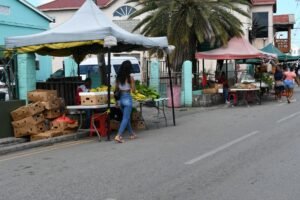
The everyday plate is antigua black pineapple (signature fruit), sweet potato, corn, guava; national dish is fungee (cornmeal) and pepperpot; ducana (sweet potato dumpling).. Antigua has one strong public produce market, the Public Market Complex on Valley Road in St John's, open through the week but biggest on Friday and Saturday, spilling into the surrounding streets with local mangoes, sugar apples, sorrel, eggplant, limes, bananas and the island's signature crop, the Antigua Black pineapple.
Eating what the country grows is the cheapest way to cut the import bill.
Good to know
Water is scarce in the formal sense here, and increasingly made from the sea, so short showers are not a gesture.
Bring your own bag and bottle. This was the first country in the region to ban plastic bags, back in 2016.
Barbuda has very few shops, so carry what you need for the day, and do not take sand from the pink sand beach. Book Codrington Lagoon through the Environmental Awareness Group or a named local guide so the money stays on the island.
None of the 3 properties listed here publishes who ultimately owns it, so no claim is made either way. Ownership is what decides how much of a room rate stays in the country, which is why we show it when a listing states it.
Society and Governance in Antigua and Barbuda.
How well is Antigua and Barbuda actually run?
Governance, measured · World Bank WGI
Four measured answers, none of them opinion. Averaged across corruption control, delivery and accountability, Antigua and Barbuda scores 60 out of 100 (2024, World Bank Worldwide Governance Indicators). That matters here because every pledge on this page is only as good as the machinery meant to deliver it.
How well is Antigua and Barbuda run? · each scored out of 100, higher is better
Clean government, scored 54 of 100
Control of corruption scores 53.6 out of 100 (2024, World Bank Worldwide Governance Indicators). That is above the halfway mark of governments measured.
54
Freedom and rights, scored 66 of 100
Voice and accountability, which measures free expression, free media and the ability to choose a government, scores 65.8 out of 100 (2024, World Bank WGI). Citizens have some room to question their government.
66
Government effectiveness, scored 60 of 100
Government effectiveness, which measures the quality of public services and how well policy is actually delivered, scores 59.7 out of 100 (2024, World Bank WGI). Delivery is rated above average.
60
LGBTQ+ status: LowSolo female travel: Take care99% adult literacyIndustry to avoid: Cruise tourism
What is daily life in Antigua and Barbuda really like? Measured
Getting around, breathing, throwing away, learning. The honest checklist.
TransportAirWaterWastePower
✓How you get around Barbuda is a ninety minute ferry or a light aircraft, and has very few shops
✓Air quality, measured Modelled annual mean 8.4 µg/m³ (PM2.5). The WHO guideline is 5 µg/m³.
✓Tap water Unverified
✓What to drink Reverse osmosis desalination, plus the Potworks reservoir which repeatedly runs dry
✓Plastic rules Shopping bags prohibited, reported 2016 to 2017; landfill plastic down 15.1% in year one
✓Sockets and voltage Type A/B, 230V
99.0%
literacy. Public spending on education runs at 3.1% of GDP and 5.9% of all government spending, and secondary enrolment stands at 108.9% gross (UNESCO Institute for Statistics, 2023 to 2025).
Made in Antigua and Barbuda.
We are scoring this a two, and the number is the story. Antigua's material tradition is the coal pot, and it is down to one woman. Every step of processing done at home is value that stops leaving the country.
What Antigua and Barbuda actually sells the world
The single biggest thing Antigua and Barbuda sells the world is mineral fuels and oils, 26.1% of all exports in 2023 (about US$0.01 billion, UN Comtrade). The next four are fish and seafood at 10.7%, iron and steel articles at 10.4%, beverages, spirits and vinegar at 8.4%, machinery and mechanical appliances at 7.0%.
Made now · natural materials
Antiguan coal pot
Worked in Antigua and Barbuda from local material, and still a working craft rather than a museum piece.
Made now · natural materials
Sea View Farm pottery
Worked in Antigua and Barbuda from local material, and still a working craft rather than a museum piece.
Buys in · 7.3% of imports
Electrical machinery and electronics
Antigua and Barbuda imported US$0.05 billion of electrical machinery and electronics in 2023, 7.3% of everything it bought abroad, and sells none of it back. Every point of that is a business that could be built at home rather than shipped in. UN Comtrade.
Buys in · 5.4% of imports
Furniture and bedding
Antigua and Barbuda imported US$0.04 billion of furniture and bedding in 2023, 5.4% of everything it bought abroad, and sells none of it back. Every point of that is a business that could be built at home rather than shipped in. UN Comtrade.
Buys in · 4.1% of imports
Meat
Antigua and Barbuda imported US$0.03 billion of meat in 2023, 4.1% of everything it bought abroad, and sells none of it back. Every point of that is a business that could be built at home rather than shipped in. UN Comtrade.
Buys in · 3.8% of imports
Wood and wood articles
Antigua and Barbuda imported US$0.03 billion of wood and wood articles in 2023, 3.8% of everything it bought abroad, and sells none of it back. Every point of that is a business that could be built at home rather than shipped in. UN Comtrade.
The maths for an entrepreneur. Antigua and Barbuda produces about US$2 billion a year, which is roughly US$24,819 per person (2025, World Bank). Farming is 1.5% of that, while food is 27.7% of everything the country imports. The country buys in more food than its own farms contribute to the economy, and every point of that gap is a business someone could build here rather than ship in. With 9.1% of the land arable, the raw material for that is already in the ground.
A living tradition of Antigua and Barbuda, still practised rather than archived.
Calypso
A living tradition of Antigua and Barbuda, still practised rather than archived.
Soca
A living tradition of Antigua and Barbuda, still practised rather than archived.
Steelpan
A living tradition of Antigua and Barbuda, still practised rather than archived.
Steel bandsA living tradition of Antigua and Barbuda, still practised rather than archived.
Carnival masqueradeA living tradition of Antigua and Barbuda, still practised rather than archived.
Does Antigua and Barbuda protect its heritage by law?
Partly, and the gaps say as much as the protections.
What is kept alive. Antigua and Barbuda holds a strong living Afro-Caribbean heritage rooted in the experience of emancipation. Benna, a call-and-response folk song tradition that once carried news and pointed social commentary, sits alongside calypso, soca and the steelpan. Carnival, first held in 1957 to mark emancipation, remains the cultural centrepiece, with masquerade, costume bands and street dancing.
Who it belongs to. Antigua and Barbuda has done something no other Caribbean state had done. In 2023 the Medicinal Cannabis Authority granted Rastafari sacramental authorisation to cultivate and use cannabis for religious purposes, reported as the first in the Caribbean, with cultivation by authorised Rastafari groups exempt from licensing fees. Named recipients included the Nyabinghi Theocracy Church at Creekside, the Ras Freeman Foundation for the Unification of Rastafari at Liberta and the Wan Love Chant at Bendals Village.
Only here. The Antiguan racer, long called the world's rarest snake, came back from around 50 individuals in the mid 1990s to roughly 1,200 by 2016, but a 2023 field survey found only about 400. Redonda went from rat ridden mining spoil to a 30,000 hectare ecosystem reserve in six years, and is now cited internationally as an island restoration model..
Three futures for Antigua and Barbuda, every one run forward from measured data.
Where the making actually happens
Named cultural and craft sites on the open map: Museum of Antigua & Barbuda (St. John's), Dockyard Museum (English Harbour), Betty's Hope Museum (Antigua). OpenStreetMap. Named craft workshops on the open map: Craft Market, Myer's Electrical/Electronic Repairs.
Every measured trend on one line
Run forward at the pace already recorded.
-19%
Forest cover
1995: 22.2 % → 2023: 18 %
+41%
CO2 per person
1995: 2.7 t → 2024: 3.8 t
-14%
Tourist arrivals
1995: 447 k → 2020: 384 k
+65%
Protected land
2013: 10 % → 2025: 16.5 %
+600%
Protected sea
2013: 0.1 % → 2025: 0.7 %
+0%
Agricultural land
1995: 20.5 % → 2023: 20.5 %
-30%
Urban population
1995: 34.6 % → 2025: 24.3 %
-20%
Air pollution
1995: 10.5 µg/m³ → 2023: 8.4 µg/m³
-27%
Fresh water per person
1995: 762.6 m³ → 2022: 560.1 m³
+49%
Adult overweight
1995: 42 % → 2022: 62.7 %
+3%
Electricity access
1995: 96.6 % → 2024: 100 %
+175%
GDP per person
1995: 9034 → 2025: 24819
+38%
Population
1995: 68 k → 2025: 94 k
+700%
Protected area, total
2013: 0.1 % → 2025: 0.8 %
+6%
Life expectancy
1995: 73.6 yrs → 2024: 77.8 yrs
+22%
Cereal yield
1995: 1607 ha → 2024: 1963 ha
-100%
Fertiliser use
2002: 13 ha → 2023: 0 ha
+16%
Rural population
1995: 65.4 % → 2025: 75.7 %
+13%
Water productivity
1995: 325.4 $/m3 → 2022: 366.3 $/m3
-9%
Health spending
2000: 4.32 % → 2023: 3.91 %
-19%
Forest area
1995: 97.8 km2 → 2023: 79.3 km2
-50%
Emissions: Agriculture
1990: 0.04 e → 2023: 0.02 e
+83%
Emissions: Building
1990: 0.06 e → 2023: 0.11 e
+262%
Emissions: Electricity/Heat
1990: 0.08 e → 2023: 0.29 e
+160%
Emissions: Energy
1990: 0.25 e → 2023: 0.65 e
+108%
Emissions: Transportation
1990: 0.12 e → 2023: 0.25 e
-91%
Emissions: Waste
1990: 0.11 e → 2023: 0.01 e
World Bank open data, recorded series
How much forest is left?
Forest cover moved from 22.2% to 18.0% across 28 recorded years.
World Bank AG.LND.FRST.ZS
How much climate pollution per person?
CO2 per person moved from 2.7 t to 3.8 t across 29 recorded years.
World Bank EN.GHG.CO2.PC.CE.AR5
How many people visit?
Tourist arrivals moved from 447k to 384k across 25 recorded years.
World Bank ST.INT.ARVL
How much land is protected?
Protected land moved from 10.0% to 16.5% across 12 recorded years.
World Bank ER.LND.PTLD.ZS
How much sea is protected?
Protected sea moved from 0.1% to 0.7% across 12 recorded years.
World Bank ER.MRN.PTMR.ZS
How much land is farmed?
Agricultural land moved from 20.5% to 20.5% across 28 recorded years.
World Bank AG.LND.AGRI.ZS
How fast is it urbanising?
Urban population moved from 34.6% to 24.3% across 30 recorded years.
World Bank SP.URB.TOTL.IN.ZS
Is the air getting cleaner?
Air pollution moved from 10.5 µg/m³ to 8.4 µg/m³ across 28 recorded years.
World Bank EN.ATM.PM25.MC.M3
Is water getting scarcer?
Fresh water per person moved from 762.6 m³ to 560.1 m³ across 27 recorded years.
World Bank ER.H2O.INTR.PC
Is diet-related disease rising?
Adult overweight moved from 42.0% to 62.7% across 27 recorded years.
World Bank SH.STA.OWAD.ZS
Who has power?
Electricity access moved from 96.6% to 100.0% across 29 recorded years.
World Bank EG.ELC.ACCS.ZS
Is income rising?
GDP per person moved from 9034 to 24819 across 30 recorded years.
World Bank NY.GDP.PCAP.CD
How fast is it growing?
Population moved from 68k to 94k across 30 recorded years.
World Bank SP.POP.TOTL
How much land and sea is protected together?
Protected area, total moved from 0.1% to 0.8% across 12 recorded years.
World Bank ER.PTD.TOTL.ZS
How long do people live?
Life expectancy moved from 73.58 yrs to 77.77 yrs across 29 recorded years.
World Bank SP.DYN.LE00.IN
How much does a hectare of cereal produce?
Cereal yield moved from 1607 kg/ha to 1963 kg/ha across 29 recorded years.
World Bank AG.YLD.CREL.KG
How much fertiliser goes on the land?
Fertiliser use moved from 13 kg/ha to 0 kg/ha across 21 recorded years.
World Bank AG.CON.FERT.ZS
How many people still live rurally?
Rural population moved from 65.4% to 75.67% across 30 recorded years.
World Bank SP.RUR.TOTL.ZS
How much value per cubic metre of water?
Water productivity moved from 325.37 $/m3 to 366.28 $/m3 across 27 recorded years.
World Bank ER.GDP.FWTL.M3.KD
How much goes on health?
Health spending moved from 4.32% to 3.91% across 23 recorded years.
World Bank SH.XPD.CHEX.GD.ZS
How much forest is there in total?
Forest area moved from 97.8 km2 to 79.26 km2 across 28 recorded years.
World Bank AG.LND.FRST.K2
How have agriculture emissions moved?
Agriculture emissions moved from 0.04 to 0.02 MtCO2e across 33 recorded years.
Climate Watch (WRI), historical emissions
How have building emissions moved?
Building emissions moved from 0.06 to 0.11 MtCO2e across 33 recorded years.
Climate Watch (WRI), historical emissions
How have electricity/heat emissions moved?
Electricity/Heat emissions moved from 0.08 to 0.29 MtCO2e across 33 recorded years.
Climate Watch (WRI), historical emissions
How have energy emissions moved?
Energy emissions moved from 0.25 to 0.65 MtCO2e across 33 recorded years.
Climate Watch (WRI), historical emissions
How have transportation emissions moved?
Transportation emissions moved from 0.12 to 0.25 MtCO2e across 33 recorded years.
Climate Watch (WRI), historical emissions
How have waste emissions moved?
Waste emissions moved from 0.11 to 0.01 MtCO2e across 33 recorded years.
Climate Watch (WRI), historical emissions
Worst caseCurrent pathBest case
Worst case
Every measured decline continues at the pace already recorded. The weakest pillar, organic farming at 1/5, is the one that gives way first.
Computed from: recorded series extended with no policy change
Current path
Every line above is a recorded World Bank series for this country. The current path is simply those series continuing at the pace already measured.
Computed from: recorded series, no policy change assumed
Best case
The pledges are met on their own stated timetables and the weakest pillars are lifted to match the strongest. Antigua and Barbuda already shows it can do this: wildlife scores 5/5.
Computed from: each published target delivered on its own date
What the best case actually asks for
Lift organic farming
It scores 1 out of 5 today, among the weakest parts of Antigua and Barbuda's record. Antigua has a heritage crop worth seeking out and almost no organic infrastructure behind it. The Antigua Black pineapple is the national fruit, measured at 13.3 to 15.3 degrees Brix with low acidity, and grown mainly on the southwest coast around the Cades Bay Pineapple Station founded by the Ministry of Agriculture in the 1960s. Even at its peak only about 20 acres were in production.
Food was 27.67 per cent of merchandise imports in 2024, the highest of the larger islands we compare, and agriculture, forestry and fishing was 1.49 per cent of GDP in 2025. We found no certified organic producer.
Wallings Nature Reserve sells locally made lemongrass punch, tea, soaps and candles on site, which is the closest thing to a chemical free local product chain we could verify. Lifting it toward the 5/5 the strongest pillars already reach is what the best case turns on.
measured each year
Costs: spending and enforcement, not new technology
Lift energy
It scores 2 out of 5 today, among the weakest parts of Antigua and Barbuda's record. Antigua and Barbuda runs an almost entirely oil-fired grid, with renewables supplying only about 5.6 per cent of electricity generation in 2023. Per-person emissions sit at roughly 6.9 tonnes of CO2, high for a small island economy and driven by imported diesel, tourism demand and air conditioning. The country has pledged ambitious renewable and transport-electrification targets under its updated national climate plan, and small solar installations are growing, but delivery on the ground remains limited. As a fossil-dependent grid with only modest renewable progress, it sits in the lower band. Lifting it toward the 5/5 the strongest pillars already reach is what the best case turns on.
measured each year
Costs: spending and enforcement, not new technology
Lift food and farming
It scores 2 out of 5 today, among the weakest parts of Antigua and Barbuda's record. Food was 27.67 per cent of merchandise imports in 2024, the highest of the four larger islands we compare, and rising from 24.53 per cent in 2021. Agriculture is 1.61 per cent of GDP. Cabinet has been reviewing a proposal to cut selected food imports by 15 per cent under the CARICOM 25 by 2025 initiative.
The heritage crop is the Antigua Black pineapple, the national fruit, on the coat of arms, and genuinely exceptional rather than merely marketed: measured at 13.3 to 15.3 degrees Brix with low acidity. It grows mainly on the southwest coast and was not grown commercially until the 1960s, when the Ministry of Agriculture founded the Cades Bay Pineapple Station. Even at its peak in the late 1980s and early 1990s only about 20 acres were in production, which tells you the scale honestly. Lifting it toward the 5/5 the strongest pillars already reach is what the best case turns on.
measured each year
Costs: spending and enforcement, not new technology
Government and Goals in Antigua and Barbuda.
Who is in charge of Antigua and Barbuda now · Office-holders from the UN Protocol and Liaison Service public list of Heads of State and Heads of Government, 8 September 2026. Legislature and election dates from IFES ElectionGuide. Constitution dates from the Constitute Project. Governance scores from the World Bank Worldwide Governance Indicators 2024.
Gaston Browne
Prime Minister
Gaston Browne is the head of government of Antigua and Barbuda, in office since 13 June 2014. Every climate, protection and energy pledge on this page is delivered, or not, under this administration.
Public opinion, measured
Voice and accountability, the freedom to question government: 65.8 / 100. Above the halfway mark of governments measured. World Bank WGI 2024
Control of corruption: 53.6 / 100. Above the halfway mark of governments measured. World Bank WGI 2024
Political stability and absence of violence: 84.2 / 100. Among the strongest measured. World Bank WGI 2024
Rule of law: 67.3 / 100. Above the halfway mark of governments measured. World Bank WGI 2024
Regulatory quality: 64.9 / 100. Above the halfway mark of governments measured. World Bank WGI 2024
Gaston BrownePrime Minister
ParliamentLegislature, bicameral
Last election30 April 2026
Constitution1981
Government typeparliamentary democracy under a constitutional monarchy; a Commonwealth realm
Antigua and Barbuda national goals: climate commitments on record · as recorded by Climate Watch, World Resources Institute
2040
Net zero
In Policy Document
Net-zero target as recorded by Climate Watch. Status: In Policy Document (9/2/2021) ↗
The questions people actually type, answered in full sentences from the sourced data above.
swipe →
Is Antigua and Barbuda sustainable?
Antigua and Barbuda scores 58 out of 100 on the Throne Eco Index, across twelve equally weighted pillars. Antigua and Barbuda is two islands with two speeds. Antigua is the busy one, ringed by beaches and anchored by Nelson's Dockyard, but inland it is farms, bush medicine and small ital kitchens cooking what grows here. Barbuda, about ninety minutes north by ferry, is the opposite: under two thousand people, miles of empty pink sand, and one of the largest frigate bird colonies in the world.
Is the water in Antigua and Barbuda safe and plentiful?
Antigua is formally water scarce, not merely dry. FAO AQUASTAT puts renewable internal freshwater at about 560 cubic metres per person a year in 2022, below the 1,000 cubic metre mark used to define water scarcity and among the lowest in the Caribbean alongside Barbados on 283 and St Kitts and Nevis on 514. Its one large freshwater store keeps failing.
Can Antigua and Barbuda feed itself?
Food was 27.67 per cent of merchandise imports in 2024, the highest of the four larger islands we compare, and rising from 24.53 per cent in 2021. Agriculture is 1.61 per cent of GDP. Cabinet has been reviewing a proposal to cut selected food imports by 15 per cent under the CARICOM 25 by 2025 initiative.
Is it easy to eat plant-based in Antigua and Barbuda?
Antigua has one strong public produce market, the Public Market Complex on Valley Road in St John's, open through the week but biggest on Friday and Saturday, spilling into the surrounding streets with local mangoes, sugar apples, sorrel, eggplant, limes, bananas and the island's signature crop, the Antigua Black pineapple. The plant based tradition is genuine and culturally rooted. The Rastafari community follows a strict Ital vegan diet, and indigenous dishes such as ducana, a sweet potato and coconut dumpling wrapped in a banana leaf, are naturally plant based, alongside plantain, okra and provisions.
How much of Antigua and Barbuda is actually protected?
Redonda is one of the best island restoration stories anywhere, and it is properly documented. Miners left behind rats and goats that stripped the island bare. In 2017 Fauna and Flora and their partners eradicated the rats and moved the feral goats to Antigua.
What wildlife is left in Antigua and Barbuda?
The Antiguan racer was long called the world's rarest snake, a title Fauna & Flora now gives to the Saint Lucia racer, and its recovery is peer reviewed. Confined to Great Bird Island, a 24.5 acre islet off the north east coast, surveys in the mid 1990s found only around 50 individuals. After the Antiguan Racer Conservation Project began in 1995 and rats were eradicated, the population grew tenfold to around 500 across a habitat expanded to 63 hectares.
Is Antigua and Barbuda on clean energy?
Antigua and Barbuda runs an almost entirely oil-fired grid, with renewables supplying only about 5.6 per cent of electricity generation in 2023. Per-person emissions sit at roughly 6.9 tonnes of CO2, high for a small island economy and driven by imported diesel, tourism demand and air conditioning. The country has pledged ambitious renewable and transport-electrification targets under its updated national climate plan, and small solar installations are growing, but delivery on the ground remains limited.
How polluted is Antigua and Barbuda?
Antigua and Barbuda moved early on plastic. The External Trade (Shopping Plastic Bags Prohibition) Order prohibited the importation, distribution, sale and use of shopping bags, and did something unusual and sensible: rather than draft new legislation the government folded the ban into existing law after extensive consultation, and added tax incentives for importing reusable non plastic bags, with bagasse from sugarcane promoted as the preferred alternative. Plastic fell from 20 per cent of what reached the country's landfill in 2006 to 4 per cent in 2017, though a 2025 review by the Caribbean Policy Research Institute found most of that fall came before the ban and that no baseline monitoring was built into the policy.
Does recycling work in Antigua and Barbuda?
The front end is genuinely strong and the back end is unverified. Antigua and Barbuda folded a shopping bag prohibition into existing law rather than drafting new legislation, added tax incentives for importing reusable non plastic bags, and promoted bagasse from sugarcane as the alternative. Plastic fell from 20 per cent of what reached the country's landfill in 2006 to 4 per cent in 2017, though a 2025 review by the Caribbean Policy Research Institute found most of that fall came before the ban and that no monitoring system was built into the policy to measure its effect.
Is the farming in Antigua and Barbuda organic?
Antigua has a heritage crop worth seeking out and almost no organic infrastructure behind it. The Antigua Black pineapple is the national fruit, measured at 13.3 to 15.3 degrees Brix with low acidity, and grown mainly on the southwest coast around the Cades Bay Pineapple Station founded by the Ministry of Agriculture in the 1960s. Even at its peak only about 20 acres were in production.
Are there natural materials and craft in Antigua and Barbuda?
We are scoring this a two, and the number is the story. Antigua's material tradition is the coal pot, and it is down to one woman. Sea View Farm is where Antiguan pottery-making took root, on the strength of the village's own clay soil, and its potters still work that clay into coal pots, water jars and bowls.
Is there living culture in Antigua and Barbuda?
Antigua and Barbuda has done something no other Caribbean state had done. In 2023 the Medicinal Cannabis Authority granted Rastafari sacramental authorisation to cultivate and use cannabis for religious purposes, reported as the first in the Caribbean, with cultivation by authorised Rastafari groups exempt from licensing fees. Named recipients included the Nyabinghi Theocracy Church at Creekside, the Ras Freeman Foundation for the Unification of Rastafari at Liberta and the Wan Love Chant at Bendals Village.
What heritage does Antigua and Barbuda keep alive?
Antigua and Barbuda holds a strong living Afro-Caribbean heritage rooted in the experience of emancipation. Benna, a call-and-response folk song tradition that once carried news and pointed social commentary, sits alongside calypso, soca and the steelpan. Carnival, first held in 1957 to mark emancipation, remains the cultural centrepiece, with masquerade, costume bands and street dancing.
So is Antigua and Barbuda actually green? The measured answer
What is working: the record is thin on the headline measures, and the sourced numbers below say why.
What is not: sea protected at 0.7% against a 30% mark, renewable electricity at 5.7% against a 100% mark.
Antigua and Barbuda sits 68 of 77 at 58/100. Every name links to its own destination page, built exactly like this one. The full ranking →
What is Antigua and Barbuda particularly good at?
✓Wildlife, scored 5/5. The Antiguan racer was long called the world's rarest snake, a title Fauna & Flora now gives to the Saint Lucia racer, and its recovery is peer reviewed. Confined to Great Bird Island, a 24.5 acre islet off the north east coast, surveys in the mid 1990s found only around 50 individuals. After the Antiguan Racer Conservation Project began in 1995 and rats were eradicated, the population grew tenfold to around 500 across a habitat expanded to 63 hectares. It is still constrained: Great Bird Island alone cannot support more than about 100 snakes, and threats include inbreeding, hurricanes, invasive predators and deliberate killing by tourists.
The Redonda ground dragon is critically endangered and endemic, up thirteenfold since 2017. The Barbuda warbler is endemic to Barbuda and is listed as Vulnerable on the IUCN Red List, assessed on 29 July 2020, with 600 to 1,700 mature individuals and a decreasing population.
✓Conservation, scored 4/5. Redonda is one of the best island restoration stories anywhere, and it is properly documented. Miners left behind rats and goats that stripped the island bare. In 2017 Fauna and Flora and their partners eradicated the rats and moved the feral goats to Antigua. Native trees and grasses returned, brown boobies and red billed tropicbirds recolonised, and the critically endangered endemic Redonda ground dragon increased thirteenfold. In September 2023 the Redonda Ecosystem Reserve was established over nearly 30,000 hectares of land and sea, delivered by the government with the Environmental Awareness Group, Fauna and Flora and Re:wild.
We have to flag a discrepancy rather than paper over it. The World Database on Protected Areas records Antigua and Barbuda at 16.5 per cent terrestrial and 0.7 per cent marine for 2024, with the terrestrial figure having fallen from 19.9 per cent, which does not reflect a 30,000 hectare marine inclusive reserve declared in 2023. Either the reserve is not yet registered or it is counted differently. Until that resolves we will not repeat the claim that Antigua has met a 30 by 30 target.
Codrington Lagoon National Park on Barbuda is the country's only Ramsar site, running the entire west coast, and holds the largest magnificent frigatebird colony in the Caribbean at around 2,500 pairs.
✓Culture, scored 4/5. Antigua and Barbuda has done something no other Caribbean state had done. In 2023 the Medicinal Cannabis Authority granted Rastafari sacramental authorisation to cultivate and use cannabis for religious purposes, reported as the first in the Caribbean, with cultivation by authorised Rastafari groups exempt from licensing fees. Named recipients included the Nyabinghi Theocracy Church at Creekside, the Ras Freeman Foundation for the Unification of Rastafari at Liberta and the Wan Love Chant at Bendals Village. This built on the 2018 framework, which recognised the government's responsibility to uphold the religious rights of persons of the Rastafari and Hindu faiths through a special religious licence.
To be precise about it: this is legal accommodation and recognition, not a state apology. We looked for an apology and did not find one.
Barbuda's communal land is the other story, and it is going the wrong way. Under section 3 of the Barbuda Land Act 2007 all land in Barbuda is owned in common by the people of Barbuda, and under section 7 their consent is required for any major development. In MacKenzie Frank v Attorney General, judgment given on 13 June 2022, the Privy Council held that the Act established collective rights of Barbudans as a class rather than personal property interests, so the appellants lacked standing, and the Paradise Found Act 2015, which exempted leased tourism development land from the Land Act, was not struck down.
Communal tenure of this kind is rare and valuable, and in 2022 the Judicial Committee of the Privy Council, the country's final court of appeal, held that it is not a property right protected by the Constitution. Boat trips into Codrington Lagoon through the Environmental Awareness Group and named local guides are the clearest way we found for visitor money to reach Barbudans directly.
That recognition has a working shape you can see. GROW (Antigua and Barbuda) Limited, the country's first licensed medical cannabis company, is a joint venture between private business, the state asset company NAMCO, and Rastafari Food For Life Ltd, which was formed by the Nyabinghi Theocracy Church Haile Selassie I Big Creek together with the Ras Freeman Foundation for the Unification of Rastafari. Those are the same bodies granted sacramental cultivation rights in 2023. Its first dispensary opened at Redcliffe Quay in St John's on 15 August 2022, opened by the Prime Minister, and it runs a lounge at Bay Gardens on Hodges Bay Main Road. We note it here as evidence of how the recognition works in practice, not as a recommendation.
Where does Antigua and Barbuda score worst?
✕Recycling, scored 2/5. The front end is genuinely strong and the back end is unverified. Antigua and Barbuda folded a shopping bag prohibition into existing law rather than drafting new legislation, added tax incentives for importing reusable non plastic bags, and promoted bagasse from sugarcane as the alternative. Plastic fell from 20 per cent of what reached the country's landfill in 2006 to 4 per cent in 2017, though a 2025 review by the Caribbean Policy Research Institute found most of that fall came before the ban and that no monitoring system was built into the policy to measure its effect.
What we could not verify is what happens to the rest: no recycling rate, no landfill detail and no waste strategy we could read. This sits at two on the strength of the plastic result alone.
✕Water, scored 2/5. Antigua is formally water scarce, not merely dry. FAO AQUASTAT puts renewable internal freshwater at about 560 cubic metres per person a year in 2022, below the 1,000 cubic metre mark used to define water scarcity and among the lowest in the Caribbean alongside Barbados on 283 and St Kitts and Nevis on 514.
Its one large freshwater store keeps failing. Potworks Dam, a 500 acre earth filled dam built to hold a billion gallons, has repeatedly emptied through drought and spillway failures. In April 2025 the utility reported the reservoir holding six feet eleven inches of water, with extraction averaging 900,000 gallons a day and roughly three weeks of supply left.
So the drinking water is now substantially manufactured from the sea. Reverse osmosis was supplying 300,000 imperial gallons a day with new units projected to add a million more, and work has begun at Barnacle Point on a further two million gallon a day plant. Treat water as made, because increasingly it is.
✕Organic farming, scored 1/5. Antigua has a heritage crop worth seeking out and almost no organic infrastructure behind it. The Antigua Black pineapple is the national fruit, measured at 13.3 to 15.3 degrees Brix with low acidity, and grown mainly on the southwest coast around the Cades Bay Pineapple Station founded by the Ministry of Agriculture in the 1960s. Even at its peak only about 20 acres were in production.
Food was 27.67 per cent of merchandise imports in 2024, the highest of the larger islands we compare, and agriculture, forestry and fishing was 1.49 per cent of GDP in 2025. We found no certified organic producer.
Wallings Nature Reserve sells locally made lemongrass punch, tea, soaps and candles on site, which is the closest thing to a chemical free local product chain we could verify.
Similar countries doing it better and worse
BelizeScored on the same twelve pillars as Antigua and Barbuda.78
St Vincent and the GrenadinesScored on the same twelve pillars as Antigua and Barbuda.75
JamaicaScored on the same twelve pillars as Antigua and Barbuda.73
Turks & CaicosScored on the same twelve pillars as Antigua and Barbuda.52
British Virgin IslandsScored on the same twelve pillars as Antigua and Barbuda.48
St BarthsScored on the same twelve pillars as Antigua and Barbuda.47
A note from the lens of mother natureswipe →
Energy, 2/5
Antigua and Barbuda runs an almost entirely oil-fired grid, with renewables supplying only about 5.6 per cent of electricity generation in 2023. Per-person emissions sit at roughly 6.9 tonnes of CO2, high for a small island economy and driven by imported diesel, tourism demand and air conditioning.
Food and farming, 2/5
Food was 27.67 per cent of merchandise imports in 2024, the highest of the four larger islands we compare, and rising from 24.53 per cent in 2021. Agriculture is 1.61 per cent of GDP.
Heritage, 4/5
Antigua and Barbuda holds a strong living Afro-Caribbean heritage rooted in the experience of emancipation. Benna, a call-and-response folk song tradition that once carried news and pointed social commentary, sits alongside calypso, soca and the steelpan.
The Antigua and Barbuda Directory.
Everything on Hold The Throne that sits in Antigua and Barbuda, checked and listed.
How the rest of the world scores Antigua and Barbuda
Independent global indices, for calibration.
Forest cover
18.01
Recorded figure, sourced on this page.
Protected land
16.5
Recorded figure, sourced on this page.
Protected sea
0.7
Recorded figure, sourced on this page.
Renewable grid
5.66
Recorded figure, sourced on this page.
CO2 per person
3.8 tonnes (2023)
Recorded figure, sourced on this page.
Threatened species
7
Recorded figure, sourced on this page.
Control of corruption
53.6 / 100
World Bank Worldwide Governance Indicators, 2024. Percentile among all governments measured.
Government effectiveness
59.7 / 100
World Bank Worldwide Governance Indicators, 2024. Percentile among all governments measured.
Rule of law
67.3 / 100
World Bank Worldwide Governance Indicators, 2024. Percentile among all governments measured.
Political stability
84.2 / 100
World Bank Worldwide Governance Indicators, 2024. Percentile among all governments measured.
Voice and accountability
65.8 / 100
World Bank Worldwide Governance Indicators, 2024. Percentile among all governments measured.
Environmental Performance Index
55.6 / 100 · 39 of 180
Yale Environmental Performance Index 2024, ranked 39 of 180 countries assessed.
Ecosystem vitality
53.2 / 100 · 75 of 180
Yale Environmental Performance Index 2024, ranked 75 of 180 countries assessed.
Biodiversity and habitat
52.5 / 100 · 76 of 180
Yale Environmental Performance Index 2024, ranked 76 of 180 countries assessed.
Air pollution
72.0 / 100 · 94 of 180
Yale Environmental Performance Index 2024, ranked 94 of 180 countries assessed.
Terrestrial biomes protected
51.5 / 100 · 94 of 180
Yale Environmental Performance Index 2024, ranked 94 of 180 countries assessed.
Marine protected areas
88.5 / 100 · 47 of 131
Yale Environmental Performance Index 2024, ranked 47 of 131 countries assessed.
How Antigua and Barbuda Is Scored. The Throne Standard.
Every destination on the index is scored the same way, so a 4 in Barbados means exactly what a 4 means in Iceland. No self-declared data and no brochure claims are accepted. Every figure on this page carries its named source and year, and the history on each page names what empire took as plainly as it scores the present.
The 12 pillars every destination is scored on, equally weighted
01
Conservation
Land and sea actually protected, not pledged
02
Wildlife
What survives, what is endemic, what is lost
03
Water
Fresh water per person, and the ocean’s health
04
Food & farming
Whether the place can feed itself
05
Organic & clean
Certified land and pesticide reality
06
Climate & energy
Emissions per person, how the grid is powered
07
Waste
Where the rubbish goes, what comes back
08
Health
What people eat and die of
09
Heritage
Living culture, and what the law keeps standing
10
Ownership
Who owns the economy, how much of a dollar stays
11
Governance
Freedom, honesty, promises kept
12
Future
Measured trends run forward, pledges against pace
What each 0 to 5 pillar score means, in plain words
The institutions above are the ones cited on this page, ranked by how many of its figures they carry. This same sectioned page renders for all 77 scored destinations, each with its own researched history, comparison charts and three-way future. Read the full methodology
Every figure on this page, and where it came from: 109 sources across 58 institutions
World Bank17 FIGURES
forest cover 18.0%, 2023
PM2.5 air pollution mean annual exposure EN.ATM.PM25.MC.M3, 2023 check
Forest area (% of land area) AG.LND.FRST.ZS, 2023 check
Terrestrial protected areas (% of land) ER.LND.PTLD.ZS, 2025 check
Marine protected areas (% of territorial waters) ER.MRN.PTMR.ZS, 2025 check
Renewable electricity output (% of total) EG.ELC.RNEW.ZS, 2021 check
CO2 emissions per capita EN.GHG.CO2.PC.CE.AR5, 2024 check
World Bank World Development Indicators, indicator TM.VAL.FOOD.ZS.UN (compiled from UN Comtrade, UN Statistics Division, via WITS), Food was 27.67 per cent of merchandise imports in 2024, the highest of the four larger islands we compare, and check
World Bank World Development Indicators, indicator TM.VAL.FOOD.ZS.UN (compiled from UN Comtrade, UN Statistics Division, via WITS) corroboration check
World Bank World Development Indicators, indicator TM.VAL.FOOD.ZS.UN (compiled from UN Comtrade, UN Statistics Division, via WITS) corroboration check
GBIF species IUCN Red List category service (IUCN Red List of Threatened Species checklist) for Eretmochelys imbricata, hawksbill turtle, Critically Endangered on the IUCN Red List, and recorded in Antigua and Barbuda in GBIF occurrence data (turtl check
GBIF species IUCN Red List category service (IUCN Red List of Threatened Species checklist) for Eretmochelys imbricata, hawksbill turtle corroboration check
GBIF species IUCN Red List category service (IUCN Red List of Threatened Species checklist) for Anolis nubilus, Redonda anole, Critically Endangered on the IUCN Red List, and recorded in Antigua and Barbuda in GBIF occurrence data (repti check
GBIF species IUCN Red List category service (IUCN Red List of Threatened Species checklist) for Anolis nubilus, Redonda anole corroboration check
GBIF species IUCN Red List category service (IUCN Red List of Threatened Species checklist) for Anolis nubilus, Redonda anole corroboration check
GBIF species IUCN Red List category service (IUCN Red List of Threatened Species checklist) for Anolis nubilus, Redonda anole corroboration check
GBIF species IUCN Red List category service (IUCN Red List of Threatened Species checklist) for Acropora palmata, elkhorn coral, Critically Endangered on the IUCN Red List, and recorded in Antigua and Barbuda in GBIF occurrence data (coral check
GBIF species IUCN Red List category service (IUCN Red List of Threatened Species checklist) for Acropora palmata, elkhorn coral corroboration check
GBIF species IUCN Red List category service (IUCN Red List of Threatened Species checklist) for Acropora palmata, elkhorn coral corroboration check
GBIF species IUCN Red List category service (IUCN Red List of Threatened Species checklist) for Acropora palmata, elkhorn coral corroboration check
GBIF species IUCN Red List category service (IUCN Red List of Threatened Species checklist) for Epinephelus striatus, Nassau grouper, Critically Endangered on the IUCN Red List, and recorded in Antigua and Barbuda in GBIF occurrence data (speci check
GBIF species IUCN Red List category service (IUCN Red List of Threatened Species checklist) for Epinephelus striatus, Nassau grouper corroboration check
GBIF species IUCN Red List category service (IUCN Red List of Threatened Species checklist) for Epinephelus striatus, Nassau grouper corroboration check
Wyss Campaign for Nature5 FIGURES
Redonda Ecosystem Reserve (Antigua and Barbuda) project page, Native trees and grasses returned, brown boobies and red billed tropicbirds recolonised, and the critically en check
Redonda Ecosystem Reserve (Antigua and Barbuda) project page corroboration check
Redonda Ecosystem Reserve (Antigua and Barbuda) project page corroboration check
Redonda Ecosystem Reserve (Antigua and Barbuda) project page corroboration check
Redonda Ecosystem Reserve (Antigua and Barbuda) project page corroboration check
UNESCO Institute for Statistics public data API4 FIGURES
indicators XGDP.FSGOV, XGOVEXP.IMF and GER.2T3 for Antigua and Barbuda, Public spending on education runs at 3.1% of GDP and 5.9% of all government spending, and secondary enrolment check
indicators XGDP.FSGOV, XGOVEXP.IMF and GER.2T3 for Antigua and Barbuda corroboration check
indicators XGDP.FSGOV, XGOVEXP.IMF and GER.2T3 for Antigua and Barbuda corroboration check
indicators XGDP.FSGOV, XGOVEXP.IMF and GER.2T3 for Antigua and Barbuda corroboration check
Sea Island cotton and the once thriving industry check
Ramsar Information Sheet for Codrington Lagoon3 FIGURES
compiled by the Fisheries Division, Ministry of Agriculture, Lands, Marine Resources and Agro Industries, Antigua and Barbuda, Codrington Lagoon National Park on Barbuda is the country's only Ramsar site, running the entire west coast, a check
compiled by the Fisheries Division, Ministry of Agriculture, Lands, Marine Resources and Agro Industries, Antigua and Barbuda corroboration check
compiled by the Fisheries Division, Ministry of Agriculture, Lands, Marine Resources and Agro Industries, Antigua and Barbuda corroboration check
UNEP-WCMC and IUCN World Database on Protected Areas3 FIGURES
served as World Bank indicators ER.LND.PTLD.ZS and ER.MRN.PTMR.ZS, The World Database on Protected Areas records Antigua and Barbuda at 16.5 per cent terrestrial and 0.7 per cen check
served as World Bank indicators ER.LND.PTLD.ZS and ER.MRN.PTMR.ZS corroboration check
served as World Bank indicators ER.LND.PTLD.ZS and ER.MRN.PTMR.ZS corroboration check
Antigua and Barbuda Medicinal Cannabis Authority2 FIGURES
APUA announces water levels at Potworks reservoir check
government moves to preserve Seaview Farm pottery tradition check
BirdLife International, IUCN and UNEP-WCMC2 FIGURES
UN SDG Global Database, terrestrial Key Biodiversity Areas covered by protected areas (%) ER_PTD_TERR, Antigua and Barbuda, 2025 (24.0%), country-reported check
UN SDG Global Database, marine Key Biodiversity Areas covered by protected areas (%) ER_MRN_MPA, Antigua and Barbuda, 2025 (30.0%), country-reported check
FAO2 FIGURES
FAOSTAT Crops and Livestock Products (QCL), Americas bulk release, Antigua and Barbuda, element Production, year 2024, By tonnage, the largest crops grown in Antigua and Barbuda are mangoes, guavas and mangosteens, lemons and lim check
FAOSTAT Crops and Livestock Products (QCL), Americas bulk release, Antigua and Barbuda, element Production, year 2024 corroboration check
version 3.1, second edition, IUCN Species Survival Commission, 2012, Critically Endangered, the last IUCN category before Extinct in the Wild, and still recorded in Antigua and Ba check
version 3.1, second edition, IUCN Species Survival Commission, 2012 corroboration check
Judicial Committee of the Privy Council2 FIGURES
MacKenzie Frank v Attorney General of Antigua and Barbuda [2022] UKPC 25 check

 BelizeScored on the same twelve pillars as Antigua and Barbuda.78
 St Vincent and the GrenadinesScored on the same twelve pillars as Antigua and Barbuda.75
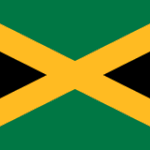 JamaicaScored on the same twelve pillars as Antigua and Barbuda.73
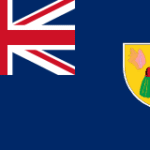 Turks & CaicosScored on the same twelve pillars as Antigua and Barbuda.52
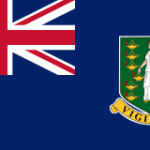 British Virgin IslandsScored on the same twelve pillars as Antigua and Barbuda.48
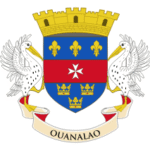 St BarthsScored on the same twelve pillars as Antigua and Barbuda.47