
Best Eco Stays in Saint Lucia
Where to stay in Saint Lucia
The best areas to stay in Saint Lucia range from a Green Globe certified luxury eco resort perched on the volcanic ridge between the twin Pitons, to a family run, women led 18th century heritage plantation set across 70 acres at Laborie, and a certified organic, 100 per cent Saint Lucian owned estate deep in the rainforest, with options spread from Soufriere and the Pitons, Laborie and the Quiet South to Castries and the North. Every stay we recommend below is genuinely sustainable and chosen so your money stays on the island.
Where to stay in Saint Lucia by area, at a glance
Soufriere and the Pitons is best for first-time visitors, honeymooners, nature lovers and walkers who want the iconic mountain-and-rainforest scenery on their doorstep
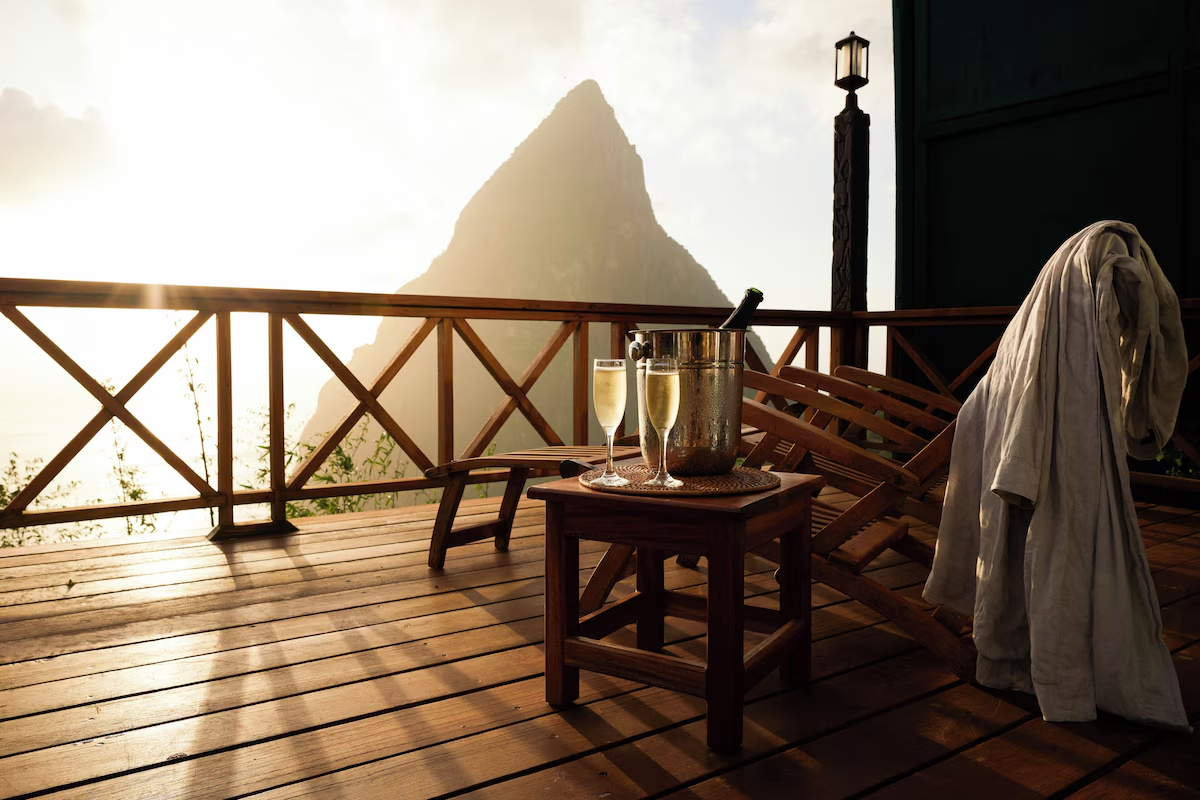
This is Saint Lucia’s postcard heart, the green, dramatic southwest where the twin Pitons rise straight out of the sea and rainforest tumbles down to the coast. It suits first-time visitors who want the island’s most famous scenery within easy reach, honeymooners after seclusion and romance, and nature lovers and walkers drawn to the sulphur springs, waterfalls and hiking trails. Fly into Hewanorra (UVF) in the south, the nearer airport at roughly 45 minutes to an hour by road, though the route is winding and mountainous so allow extra time. A private transfer is the norm, and some resorts also offer a sea shuttle from the airport jetty. Steep hills mean a hired car or arranged drivers are far more practical than walking between places.
The difference between Soufriere and the Pitons and other popular bases like Rodney Bay and Marigot Bay is that this is the wild, scenic, slow-paced side of the island rather than the polished marina and nightlife scene. Rodney Bay in the north is built around restaurants, bars and a busy beach strip, and Marigot Bay is a sheltered, yacht-lined harbour, whereas Soufriere is all volcanic peaks, working plantations, rainforest and small Creole towns, with seclusion and natural drama in place of buzz.
Where to stay in Soufriere and the Pitons: Top Pick
Fond Doux Eco Resort is the best place to stay in Soufriere and the Pitons, Saint Lucia
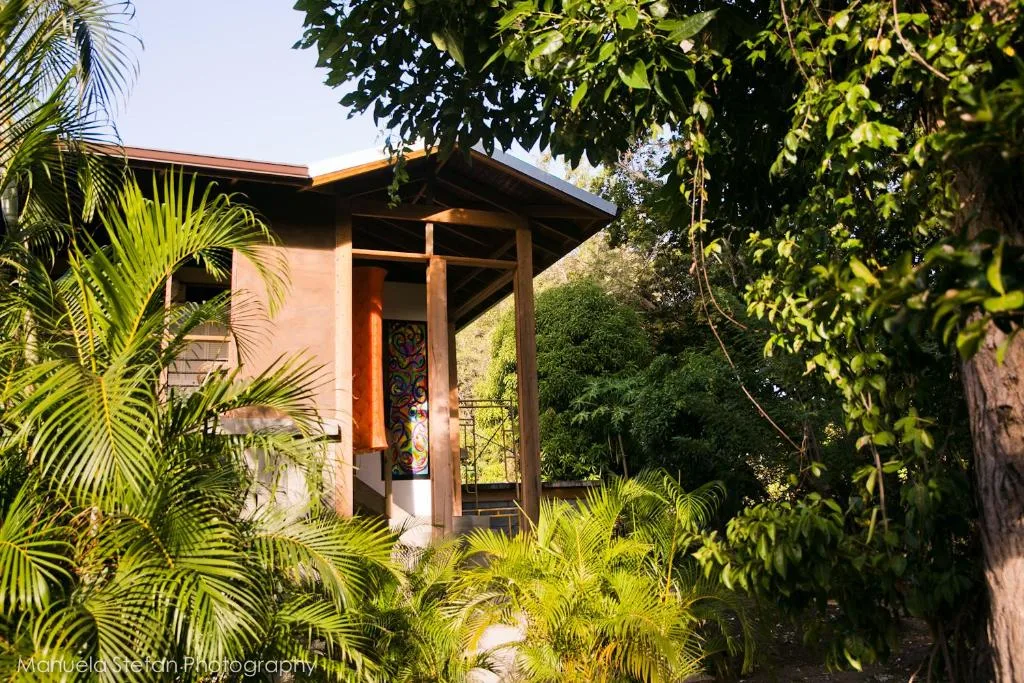
Tucked into the lush hills between the Pitons, Fond Doux Eco Resort spreads across a 135 acre working cocoa plantation inside the UNESCO listed Soufriere World Heritage Site. The estate is a certified organic property and a Green Globe member, where wooden cottages sit among the trees and the rhythm of daily life still follows the seasons of the harvest. Guests wake to birdsong and the scent of cocoa rather than the hum of a resort, making it one of the most genuinely rooted places to stay in this corner of Saint Lucia.
Who owns Fond Doux Eco Resort?
Run by the Lamontagne family, Fond Doux Eco Resort is 100 per cent Saint Lucian owned, managed and staffed. Local ownership runs through everything here, from the plantation work to the welcome you receive, and the family takes a hands on role in caring for both the land and the heritage of the estate. That continuity means the money you spend stays on the island and the people looking after you have a deep, personal stake in the place.
About the rooms in Fond Doux Eco Resort
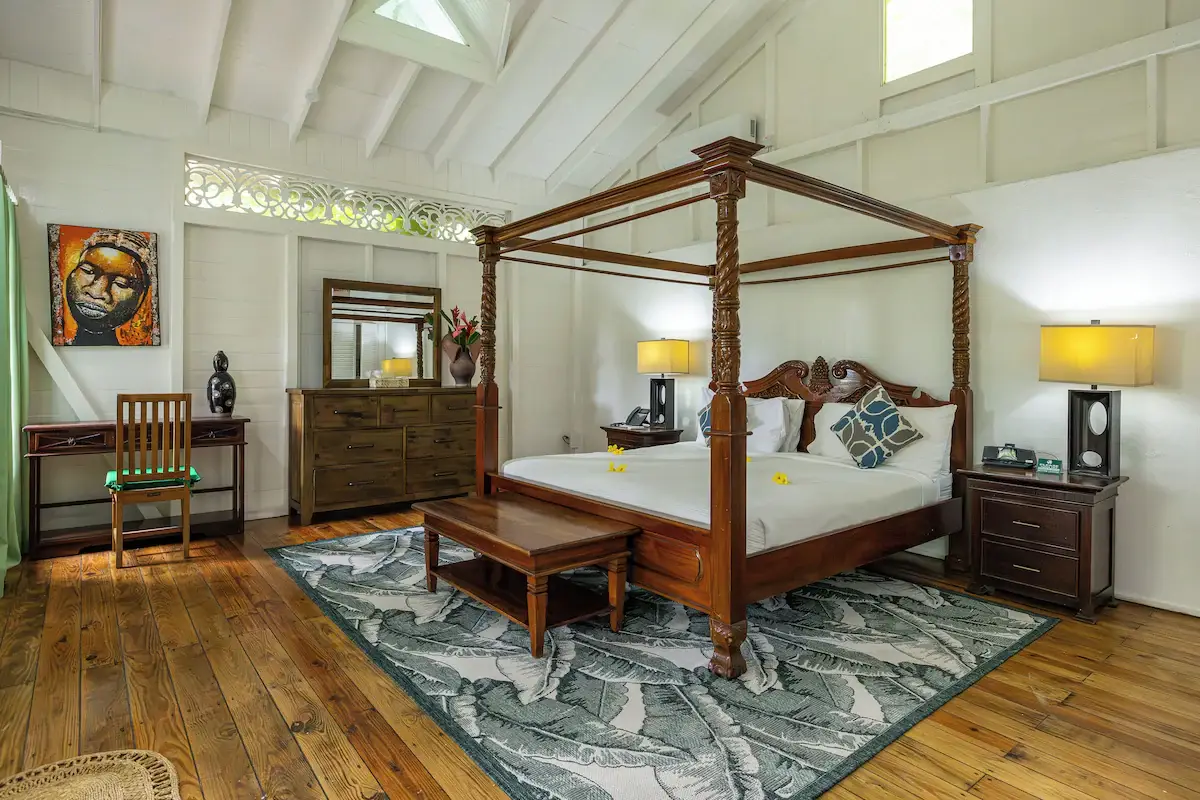
There are individual cottages at Fond Doux Eco Resort, including restored 18th century colonial houses that the family carefully brings back to life and dots across the plantation. Each cottage is set among the cocoa trees and gardens, giving you privacy and a real sense of being part of the estate rather than tucked away in a block of identical rooms. Traditional craftsmanship and the surrounding greenery define the feel of every stay, with the Pitons never far from view.
What food is available at Fond Doux Eco Resort?
Meals are served at the Bamboo restaurant, where the kitchen works on a farm to table principle using produce harvested on the plantation itself. Because the estate grows its own ingredients, much of what reaches your plate has travelled only a few steps from soil to table, and the cocoa grown here finds its way into the cooking too. Dining becomes part of the experience of the plantation rather than a separate event, with fresh Saint Lucian flavours at the heart of the menu.
Sustainability features of Fond Doux Eco Resort
Green credentials sit at the core of the operation, backed by Green Globe membership and certified organic status across the estate. Solar water heaters and low energy lighting cut the resort’s reliance on the grid, while rainwater harvesting tanks capture and store water for use around the cottages. Beyond the resort itself, the family restores 18th century colonial houses and lends land to local growers, so the estate works as a living, productive landscape rather than a manicured one.
Who is Fond Doux Eco Resort for?
This is a stay for travellers who want their visit to mean something, the sort of guest drawn to authentic, locally owned places over polished international chains. Couples seeking a quiet, romantic base near the Pitons will feel at home, as will nature lovers, walkers and anyone curious about how a real working plantation lives and breathes. If you care about where your money goes and want to wake up inside a genuine slice of Saint Lucian heritage, Fond Doux Eco Resort is hard to beat.
How to get to Fond Doux Eco Resort from the airport
The closest airport to Fond Doux Eco Resort is Hewanorra International Airport (UVF) at Vieux Fort on the southern tip of Saint Lucia, roughly an hour away by road and about 30 kilometres up the coast, sometimes a little more depending on conditions. The smaller George F. L. Charles Airport (SLU) near Castries handles regional flights but sits further north and is a longer drive, so most international visitors arrive at Hewanorra.
Private transfer or taxi to Fond Doux Eco Resort
A pre arranged private transfer is the easiest option to get to Fond Doux Eco Resort, and it can be booked in advance through the resort so a local driver meets you at Hewanorra. The drive winds up the lush west coast through Choiseul and into Soufriere, so letting a driver handle the steep, twisting hill roads means you can take in the rainforest and coastal views without the stress. A taxi from the airport rank works just as well if you would rather sort it on arrival, and the final approach up to the plantation is best taken slowly.
Public transport to Fond Doux Eco Resort
Public transport to Fond Doux Eco Resort is possible with multiple changes. Saint Lucia has no national coach network, so travel runs on shared minibuses, the local route taxis marked with green M number plates, which connect Vieux Fort, Soufriere and Castries for a few dollars. From Hewanorra you would take a minibus towards Soufriere, often changing en route, then arrange the last leg up to the estate by taxi, since the minibuses keep their own schedules, do not run on the steep estate lane and are awkward with luggage. For most guests a pre booked transfer or hired car is far more practical than attempting the journey by minibus.
Things to do while staying at Fond Doux Eco Resort
Things to do around Fond Doux Eco Resort range from a guided cocoa walk on the estate itself, where you can follow the bean from tree to bar and try your hand at the traditional cocoa dance, to a string of natural wonders within easy reach. You are minutes from the Sulphur Springs drive in volcano and its warm mineral mud baths, and the twin Pitons rise dramatically just beyond the treeline for hiking and photography.
Nearby you will find the cascading Toraille and Diamond waterfalls and the botanical gardens at Soufriere, while Petit Piton and Sugar Beach are close by for swimming and snorkelling. The working town of Soufriere offers local markets and Creole dining, and boat trips along the dramatic coastline give you the Pitons from the water. Hiking Gros Piton is the classic full-day adventure for those who want a challenge.
Nature lovers and hikers will be in their element here, families enjoy the gentle estate walks and the warm baths, couples and solo travellers find the seclusion restful and romantic, and anyone drawn to culture will appreciate the plantation heritage, the cocoa story and the rhythm of farm life. It is a base that rewards slow, curious travellers more than those chasing nightlife.
Laborie and the Quiet South is best for independent travellers, culture seekers and couples wanting an authentic, low-key fishing-village base near the airport
This stretch is the closest part of the island to Hewanorra (UVF), typically only around 20 to 30 minutes by taxi, which makes it an easy first or last night and a calmer alternative to the busy resort strip. Laborie is a working Creole fishing village with a quiet beach and a lively weekend market, and nearby Balenbouche Estate offers a heritage plantation setting wrapped in gardens and river. It suits independent travellers, culture seekers and couples who want a slow, genuine southern base rather than a polished hotel scene; you will want a hire car or a pre-booked driver, as public minibuses run but are infrequent and stop early.
The difference between Laborie and the Quiet South and other popular Saint Lucia bases like Rodney Bay and Soufriere is that this corner stays resolutely local and unhurried. Rodney Bay in the north is the island’s nightlife, marina and shopping hub, while Soufriere trades on dramatic Piton views and high-end eco lodges, but both can feel polished and visitor-led. The quiet south keeps its working fishing harbours, Creole markets and country lanes intact, so you experience everyday Saint Lucian life rather than a resort version of it.
Where to stay in Laborie and the Quiet South: Top Pick
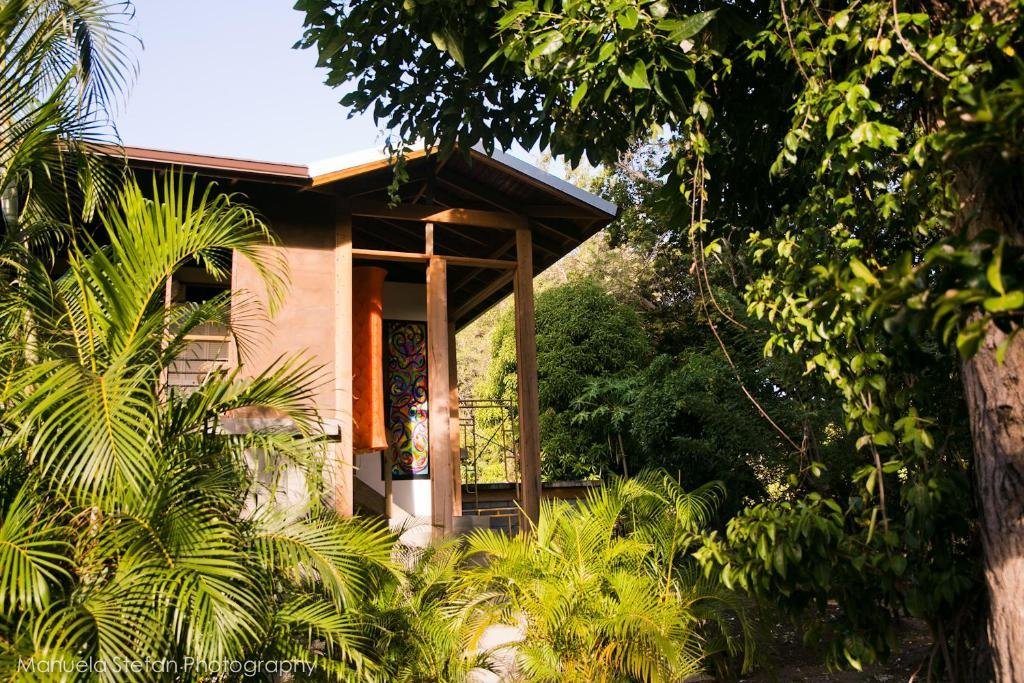
Balenbouche Estate is the best place to stay in Laborie and the Quiet South, Saint Lucia
Set on 70 acres of former plantation land at Laborie in the quiet south of Saint Lucia, Balenbouche Estate is an 18th century heritage property reimagined as a guesthouse, organic farm and retreat. The setting is unhurried and green, with shaded gardens, working farmland and a 200 year old aqueduct woven through the grounds, all of it framed by the slower rhythm of the island’s southern coast.
Who owns Balenbouche Estate?
The estate has belonged to the Lawaetz family since 1964 and is run today by mother and daughters Uta, Verena and Anitanja. Family run and women led, the property carries a hands on, personal feel that larger resorts rarely match, with the same household guiding the guesthouse, the organic farm and the wider grounds. Guests are looked after directly by the people who live and work on the land.
About the rooms in Balenbouche Estate
There are a small number of rooms at Balenbouche Estate, including character spaces within the heritage estate buildings and quieter cottages set among the gardens. Each is served by solar heated showers, so the warm water itself reflects the property’s low impact approach. The scale is intimate by design, keeping the atmosphere calm and the experience closer to staying with a family than checking into a hotel.
What food is available at Balenbouche Estate?
Much of what reaches the table is grown on the estate’s own organic farm, where no chemical fertilisers or pesticides have been used since 1987. Seasonal fruit, vegetables and herbs from the land shape simple, fresh meals rooted in what the gardens are producing at the time. Dining here is unfussy and honest, with provenance you can quite literally walk out and see.
Sustainability features of Balenbouche Estate
Sustainability runs through the whole property rather than sitting on the surface. Showers are heated by solar power, the farmland has been free of chemical fertilisers and pesticides since 1987, and the estate is a recognised nature heritage site. Working in partnership with the Saint Lucia National Trust, the family protects the grounds and their 200 year old aqueduct, treating conservation of the land and its history as part of everyday running.
Who is Balenbouche Estate for?
This is a place for travellers who want quiet, nature and a sense of real heritage rather than poolside crowds. It suits couples, solo guests and small groups drawn to organic farms, slow mornings and a genuinely sustainable stay, as well as anyone seeking a retreat with space to breathe. Those who value being hosted personally, away from the busier resort strips, will feel most at home here.
How to get to Balenbouche Estate from the airport
The closest airport to Balenbouche Estate is Hewanorra International Airport (UVF) at Vieux Fort, on the southern tip of Saint Lucia, roughly 20 minutes and around 15 kilometres away along the southern coast road. This is one of the easier rural estates to reach after a long flight, with the final approach taking you down a green country lane to the property.
Private transfer or taxi to Balenbouche Estate
A pre arranged private transfer is the easiest option to get to Balenbouche Estate, booked through the estate so a driver is waiting on arrival and takes you straight there with your luggage. A metered taxi from the official rank outside the Hewanorra arrivals hall is the alternative, and you should agree the fare before setting off, as island taxis work to fixed route rates rather than meters in practice. A hire car is the best choice if you want the freedom to explore the quiet south at your own pace.
Public transport to Balenbouche Estate
Public transport to Balenbouche Estate is possible with multiple changes. Southern Saint Lucia is served by shared minibuses, the green plate route taxis that connect Vieux Fort with Laborie, Choiseul and Soufriere, and you would take one from Vieux Fort towards Laborie, the nearest town, then a short taxi or walk along the country lane to reach the estate. These minibuses are cheap and used by locals, but they run frequently only on the busier stretches, follow no fixed timetable, stop early in the evening and leave you carrying luggage on the final approach. For most visitors a pre booked transfer, taxi or hire car is far more practical, especially for arrivals after dark.
Things to do while staying at Balenbouche Estate
Things to do around Balenbouche Estate range from wandering the estate grounds themselves, where a 200-year-old aqueduct and Amerindian petroglyphs sit beside the river that runs through the land, to a string of low-key southern adventures nearby. The fishing village of Laborie offers a real working harbour and a calm beach perfect for a slow afternoon, while the gardens, ruins and orchards on the estate reward unhurried exploration on foot.
Further afield, the market town of Vieux Fort is close for provisions and local food, and the wild Atlantic beaches and kitesurfing spots near Sandy Beach and the Maria Islands nature reserve are within easy reach. The dramatic Pitons and the drive-in sulphur springs near Soufriere make an easy day trip up the west coast, with rainforest walks, waterfalls and botanical gardens along the way.
Nature lovers and culture seekers will be in their element among the ruins, the river and the birdlife, while families will appreciate the gentle beaches and the space to roam. Couples will find the quiet, candlelit cottages and shared table romantic in an understated way, and solo travellers will find the unhurried pace and the estate’s communal dining easy, friendly company. It suits anyone who prefers heritage and nature to nightlife and resort bustle.
When is the best time to visit Saint Lucia?
The driest, sunniest and most reliable months run from roughly December to April, which is also the peak season with the highest prices and busiest resorts; book well ahead for Christmas, New Year and February half term. The wetter season is broadly June to November, overlapping the official Atlantic hurricane season of 1 June to 30 November, when rain tends to come in short heavy bursts rather than all day and direct strikes are uncommon but possible, so travel insurance covering weather disruption is sensible. Late April to early June and November offer good value with warm weather and thinner crowds, sitting between peak and the height of the rains.
Is Saint Lucia safe, and how do you get around?
Saint Lucia is generally welcoming to tourists, but apply normal Caribbean caution: avoid quiet beaches and unlit areas after dark, do not flash valuables, and use hotel safes; petty theft is the main risk, and most resort areas feel relaxed. Driving is on the LEFT, the same as the UK, but roads are narrow, steep, winding and poorly lit at night, so many visitors prefer arranged taxis and private transfers over self-drive; if you do hire a car you need a temporary local driving permit, usually arranged through the rental company or at the airport. The currency is the East Caribbean dollar (XCD), pegged to the US dollar; US dollars are widely accepted, cards work in hotels and larger establishments but carry cash for markets, minibuses and small villages, and tipping of around 10 to 15 percent is customary where a service charge is not already added to the bill. Verify current rental permit fees and any entry requirements close to travel, as these can change.
Why we only list sustainable stays in Saint Lucia
Every stay in this guide was hand picked and checked for how it actually runs, and most are locally rooted so your money stays on the island. For the full breakdown see our guide to the best sustainable hotels in Saint Lucia, or zoom out to the best sustainable hotels across the Caribbean.
More Caribbean Sustainable Stays
Book Your Next Stay Consciously
Travel is a wonderful opportunity to connect with Mother Earth.
However, it is also frequently undermined by reckless development and disrespectful tourism practices.
This directory is a curated, verified list of hotels, lodges, and resorts that honour our planet and are led by visionary stewards of the environment.
From farm-to-table culinary experiences to dedicated ocean conservation efforts, such as marine protection and coral restoration, these establishments are redefining hospitality.

12% Off Sustainable Swimwear
Freedom Ecowear is offering our readers 12% off their eco-friendly swimwear, perfect for your next eco getaway. Use the link and your discount is added automatically.
Sustainable Travel Destinations, Eco-Stays and Eco-Tour Guides
More Great Articles From Hold The Throne
Latest Data Reports
Verified eco stays in St Lucia
Each stay below was inspected on site and scored against our 16-point eco checklist. Ratings are earned, never bought.
- Balenbouche Estate. Eco rating 3/5 Yellow
- Fond Doux Eco Resort. Eco rating 1/5 Red
- Anse Chastanet Resort. Eco rating 1/5 Red