
Best Eco Stays in the Dominican Republic
Where to stay in the Dominican Republic
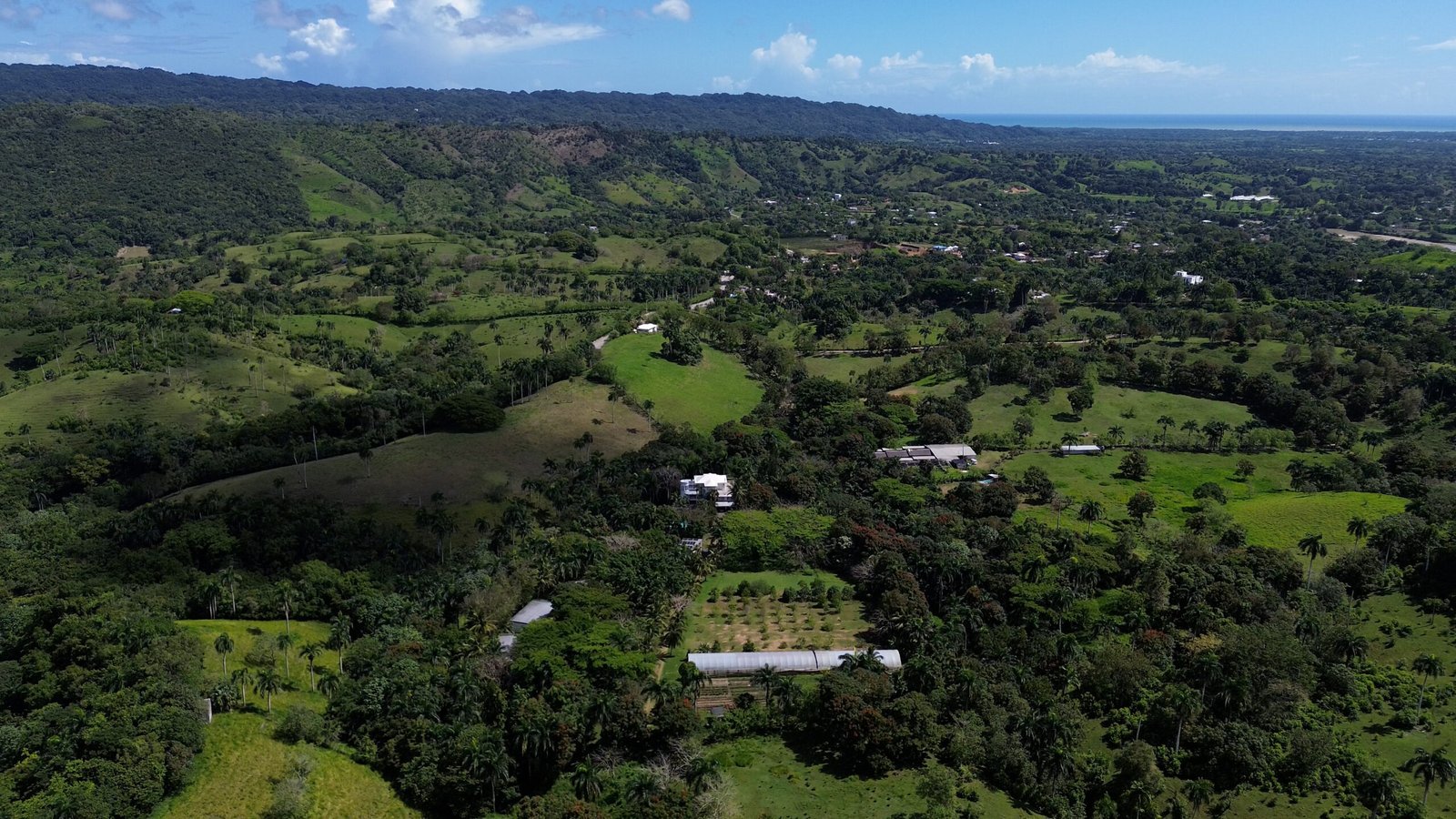
The best areas to stay in the Dominican Republic range from a beachfront boutique hotel with its own farm to table restaurant, to an off grid cliffside ecolodge above a waterfall, a high mountain villa lodge in pine forest country, and a hillside eco lodge with panoramic ocean views. Options are spread from Cabarete, Samana peninsula, Tubagua, Constanza, Paraiso to Jamao al Norte. Every stay we recommend below is genuinely sustainable and chosen so your money stays on the island.
Where to stay in Dominican Republic by area, at a glance
Cabarete is best for watersports fans, surfers and kitesurfers, younger independent travellers
Cabarete is a lively, internationally flavoured beach town built around kitesurfing, windsurfing and surfing, and it suits active travellers who want sport by day and a relaxed bar scene by night.
The difference between Cabarete and other popular beach towns like X and X is that X.
Where to stay in Cabarete: Top Pick
Natura Cabana Boutique Hotel & Spa is the best place to stay in Cabarete, Dominican Republic
Natura Cabana Boutique Hotel & Spa sits right on a quiet stretch of north coast beach, a cluster of thatched bungalows tucked into tropical gardens where the sound of the sea is never far away.
Who owns natura cabana?
Locally owned and run, it has the unhurried, personal feel of a true boutique eco lodge rather than a resort, with staff who know guests by name and a barefoot, back to nature rhythm to the days.
About the rooms in natura cabana
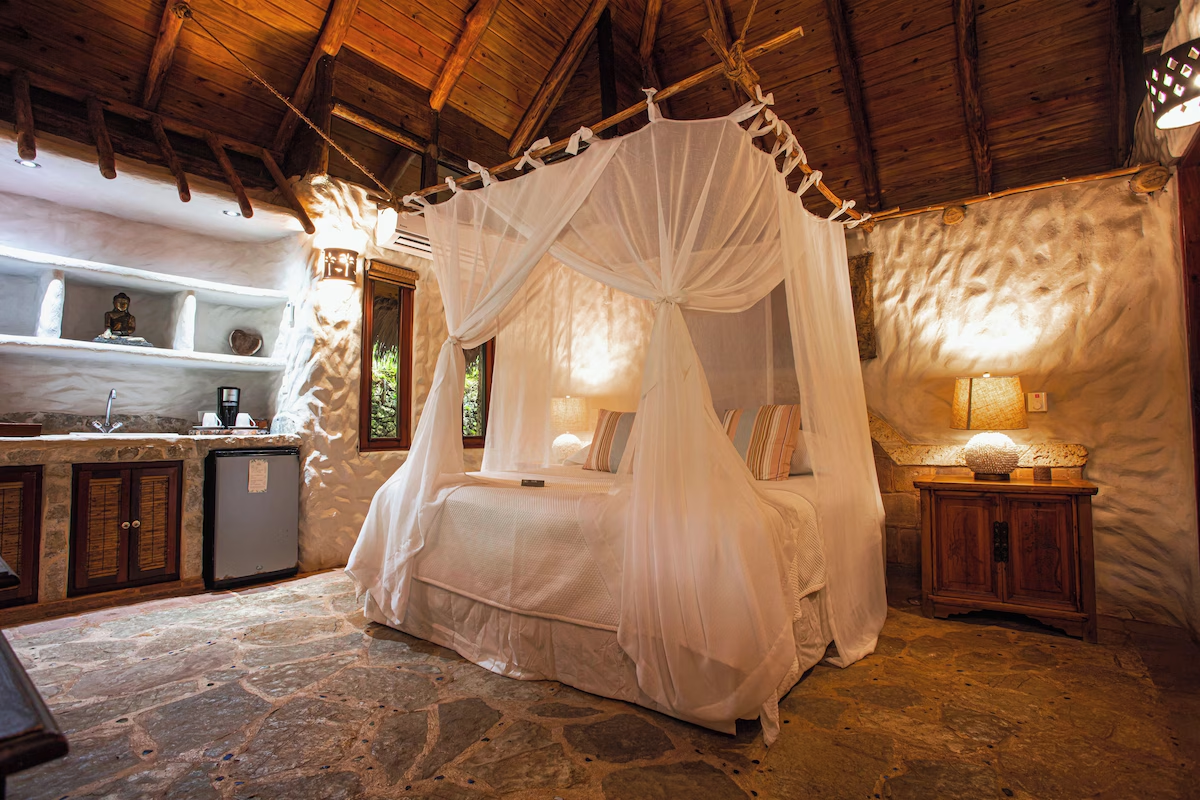
The rooms and bungalows are built from natural stone, mahogany, bamboo and palm thatch, simply and beautifully styled to keep you close to the elements, with hammocks, open air showers and shaded terraces that blur the line between indoors and the garden.
What food is available at natura canabana?
The kitchen is firmly farm to table, leaning on its own organic garden and produce sourced nearby alongside the day’s fresh catch, so menus shift with what the land and sea provide. The on site spa carries the same ethos, with treatments that draw on natural ingredients and the calming setting of the gardens and beach. It is the kind of place where a long breakfast slides into a swim, a yoga session or simply a book in the shade.
Sustainablility features of Natura Cabana
Its eco credentials are concrete rather than decorative: the lodge is locally owned, built from natural materials and run with a light footprint, growing its own herbs, vegetables and fruit, moving towards solar energy and favouring a low impact, low rise design that works with the landscape instead of against it. The result is genuine sustainability you can feel in the quiet, the gardens and the food.
Who is natural cabana for?
Natura Cabana is perfect for couples and conscious travellers who want a tranquil, design led eco escape on a stunning beach, with kitesurfing and north coast adventures right on the doorstep.
How to get to nature cabana from the airport
The closest airport to Natura Cabana Boutique Hotel & Spa is Gregorio Luperón International Airport in Puerto Plata (POP), roughly a 25 to 35 minute drive east of the property along the coast, passing through Sosúa and Cabarete depending on traffic.
Private transfer or taxi to natura cabana
The simplest last leg is a pre arranged private transfer, which the hotel can help organise so a driver meets you in arrivals. A taxi from the airport rank is also straightforward, and if you would rather explore the north coast under your own steam, a hire car collected at POP gives you the freedom to reach beaches and towns further along the coast.
Public transport to natura cabana
include info, caribe tours, etc..
Things to do while staying at natura cabana
Things to do around Natura Cabana Boutique Hotel & Spa range from learning to kitesurf at world famous Kite Beach, where steady afternoon trade winds draw riders from across the globe and beginner schools run patient first lessons on the sand.
Beyond the watersports, you can wander the cafés, bars and craft stalls of Cabarete town, take a day trip to the 27 Charcos waterfalls at Damajagua for guided jumping and swimming through limestone pools, ride the cable car up Mount Isabel de Torres in Puerto Plata for panoramic views, or unwind along the calmer shores of nearby Sosúa Bay.
It suits families thanks to the gentle beach and easy excursions, solo travellers drawn by the social kite scene, nature lovers chasing waterfalls and lush hillsides, and anyone curious about local culture in the markets and seaside towns.
Samana peninsula (El Limon), best for nature lovers, waterfall and whale watchers, couples wanting quiet
The nearest airport is Samana El Catey (AZS), around an hour by road, though many arrive via Puerto Plata (POP) or Santo Domingo (SDQ) on a longer two and a half to three hour-plus transfer, and a car or arranged driver is the practical way to get around. El Limon sits inland amid green hills famous for its waterfall, and it suits travellers after nature, horseback rides and a slower pace away from big resorts.
Where to stay in Samana peninsula
Samana Ecolodge is a top place to stay in Samana peninsula, Dominican Republic
The closest airport to Samana Ecolodge is Samaná El Catey International Airport (AZS), which sits on the western side of the peninsula and is the most practical gateway for this corner of the Dominican Republic. The drive across to El Limón takes roughly an hour and a half depending on conditions, winding through green hills and coastal villages along the way. The simplest last leg is a pre arranged private transfer, though a hire car gives you the freedom to explore the peninsula, and metered taxis are available if you would rather not drive the final stretch yourself. Some travellers arrive instead via Las Américas International Airport (SDQ) near Santo Domingo and make a longer scenic road journey north.
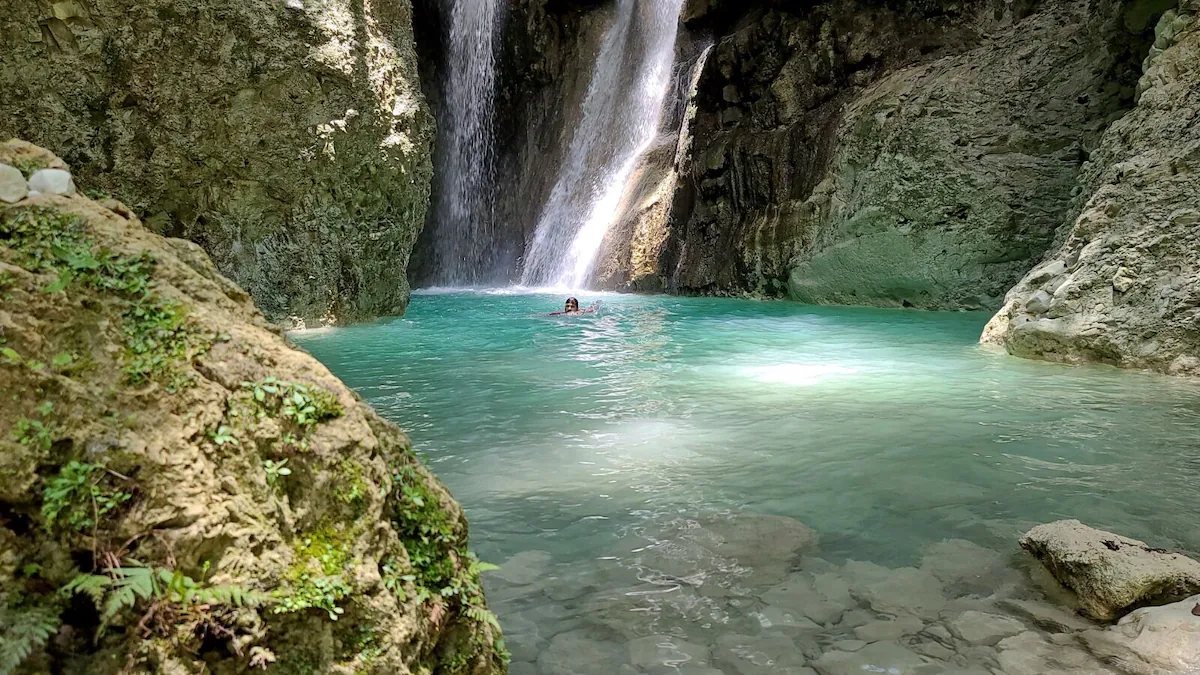
Things to do around Samana Ecolodge range from the famous hike or horseback ride to El Limón waterfall, a tall cascade that tumbles into a natural pool a short distance from the lodge and is perfect for a cooling swim. Nearby you can explore the protected mangroves and caves of Los Haitises National Park by boat, relax on the soft sands of Playa El Valle or the celebrated Playa Rincón, and wander the harbour town of Santa Bárbara de Samaná for fresh seafood and local life. In the winter months, humpback whales gather in Samaná Bay, one of the finest places in the Caribbean to watch them. The setting suits nature lovers and solo travellers drawn to the outdoors, families wanting gentle adventure, and culture seekers keen on the rhythms of Dominican village life.
Samana Ecolodge is a warm, intimate retreat tucked into the lush hills of El Limón, where the rainforest, the waterfall trails and the quiet pace of peninsula life set the tone. The lodge is female owned and run with real care, a personal touch that shows in the welcome, the home cooked meals and the easy local knowledge shared with every guest. It is the kind of place that feels less like a hotel and more like staying with a thoughtful friend who happens to live in one of the most beautiful pockets of the island.
The rooms are simple and natural in style, designed to sit lightly within the greenery rather than dominate it, so you wake to birdsong and the sound of the surrounding forest. Meals follow a farm to table philosophy, with much of what reaches the kitchen grown or sourced close by, turning fresh tropical produce into honest, flavourful Dominican cooking. Days here move slowly, built around walks to the waterfall, lazy afternoons and long, sociable dinners.
Its eco credentials are genuine rather than decorative: the lodge is solar powered and runs off grid, drawing its energy from the abundant Caribbean sun and treading gently on the land it occupies. Combined with the farm to table kitchen and a low impact, small scale approach, it offers a way to experience Samaná without the heavy footprint of larger resorts. Samana Ecolodge is perfect for conscious travellers, couples and nature lovers who want comfort, authenticity and a clear conscience in equal measure.
Tubagua, best for eco-minded travellers, hikers, those wanting mountain views over the coast
Puerto Plata (POP) is the closest airport at roughly a 30 to 45 minute climb into the hills, and because public transport is sparse up here a hire car or pre-booked transfer is strongly advised. Tubagua is a small mountain community known for rustic eco lodges, sweeping coastal panoramas and a genuine rural Dominican welcome, suiting those who want cooler air, hiking and authenticity over beach resorts.
Where to stay in Tubagua
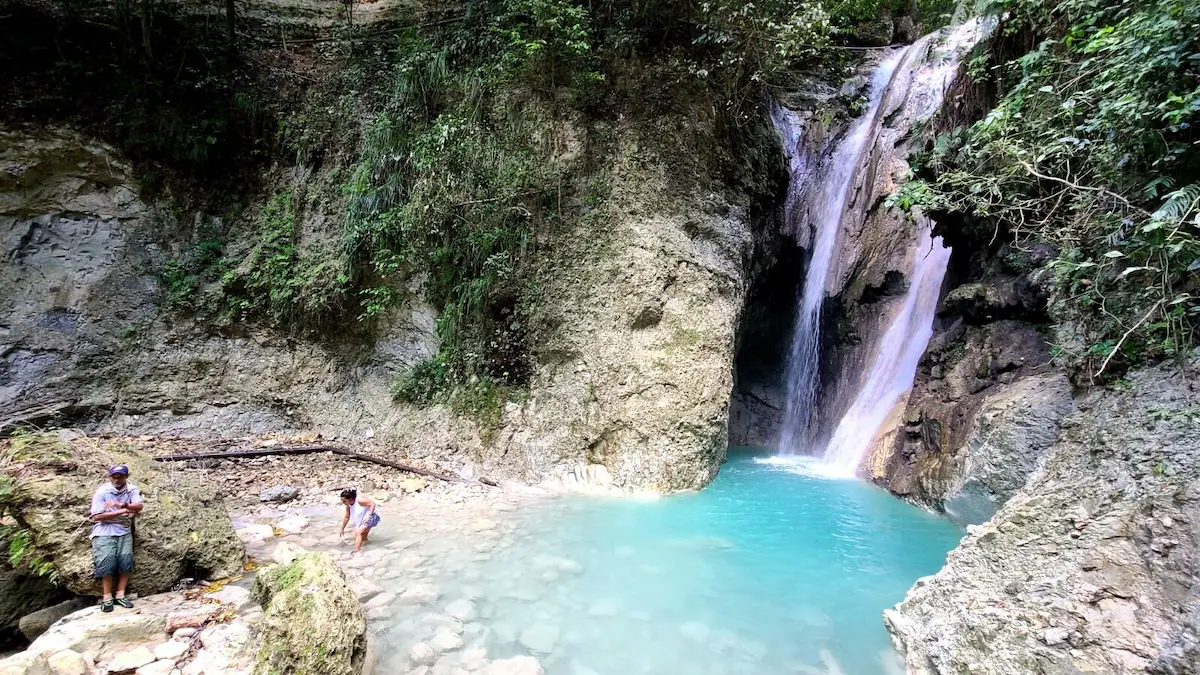
Tubagua Eco Lodge is a top place to stay in Tubagua, Dominican Republic
The closest airport to Tubagua Eco Lodge is Gregorio Luperón International Airport (POP) in Puerto Plata, on the north coast of the Dominican Republic. The lodge sits up in the hills of Tubagua, roughly a 20 to 30 minute drive from the terminal, so the simplest arrival is a pre booked private transfer or a taxi straight from arrivals. A hire car works well too if you fancy exploring the mountain villages and coast at your own pace, though the final stretch climbs a winding rural road, so allow a little extra time and drive it in daylight if you can.
Things to do around Tubagua Eco Lodge range from soaking up the sweeping ridge top views across the valley to the Atlantic, where on a clear day you can see all the way to the sea. From here you are well placed for the famous 27 Waterfalls of Damajagua, a guided jumping and sliding adventure through a chain of pools, as well as the cable car up Mount Isabel de Torres with its botanical gardens and the Christ the Redeemer statue, the colonial streets and amber museum of Puerto Plata town, and the beaches and kitesurfing scene at nearby Cabarete and Sosúa. Nature lovers and active solo travellers will be in their element, families enjoy the gentler hikes and local culture, and anyone drawn to Dominican rural life will love the slower pace.
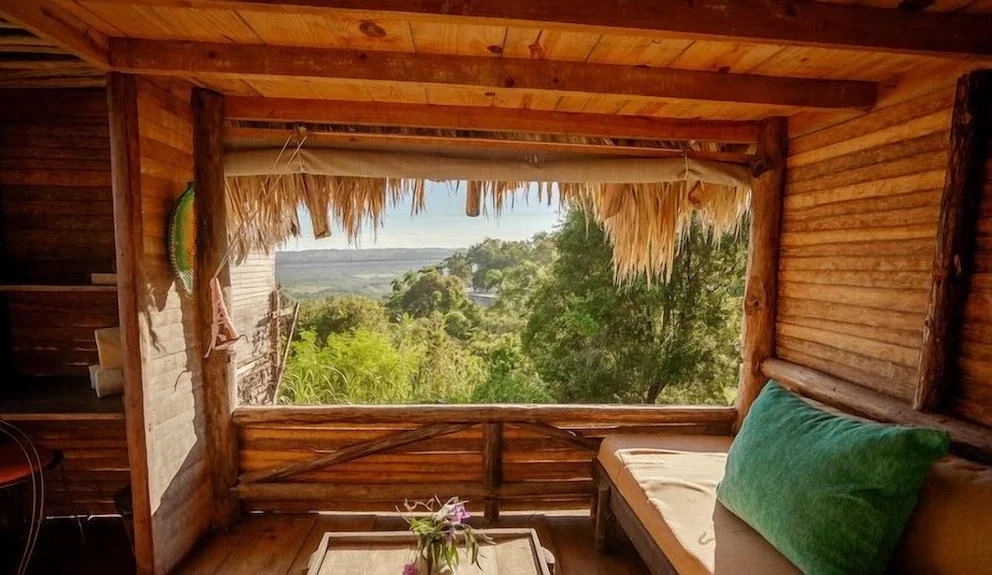
Tubagua Eco Lodge is a genuine mountain hideaway, perched on a green ridge between the coast and the interior, built to tread lightly on the land and to bring guests close to the rhythm of village life. The setting is the real luxury here: open sided cabañas and simple, characterful rooms framed by sweeping countryside views, designed so the breeze, the birdsong and the sunsets become part of the stay rather than something glimpsed through glass.
The lodge has long been rooted in the local community and in active conservation work, and that ethos runs through everything. Meals lean on home cooking and produce from the surrounding area, served family style so guests eat together and swap stories from the day. Days are spent walking the hills, visiting nearby farms and villages, and learning how a small place can support the land and the people around it rather than draw from them.
As an eco lodge, the emphasis is on low impact living and giving back: a light footprint on the ridge, close ties to the Tubagua community, and conservation efforts that make the stay feel purposeful as well as restful. It is perfect for travellers who want honest, immersive Dominican Republic with a clear conscience, a real view, and the quiet that only the mountains give.
Constanza, best for hikers, cool-climate seekers, agritourism and off-grid travellers
Set in the central highlands, Constanza is most easily reached from Santo Domingo (SDQ) on a winding drive of around two and a half to three hours, and a sturdy car is essential as roads are steep and bus links limited. This is one of the highest towns in the Caribbean, with a cool climate, pine forests and farmland, and it suits hikers, nature photographers and anyone wanting a side of the country far from the beaches.
Where to stay in Constanza
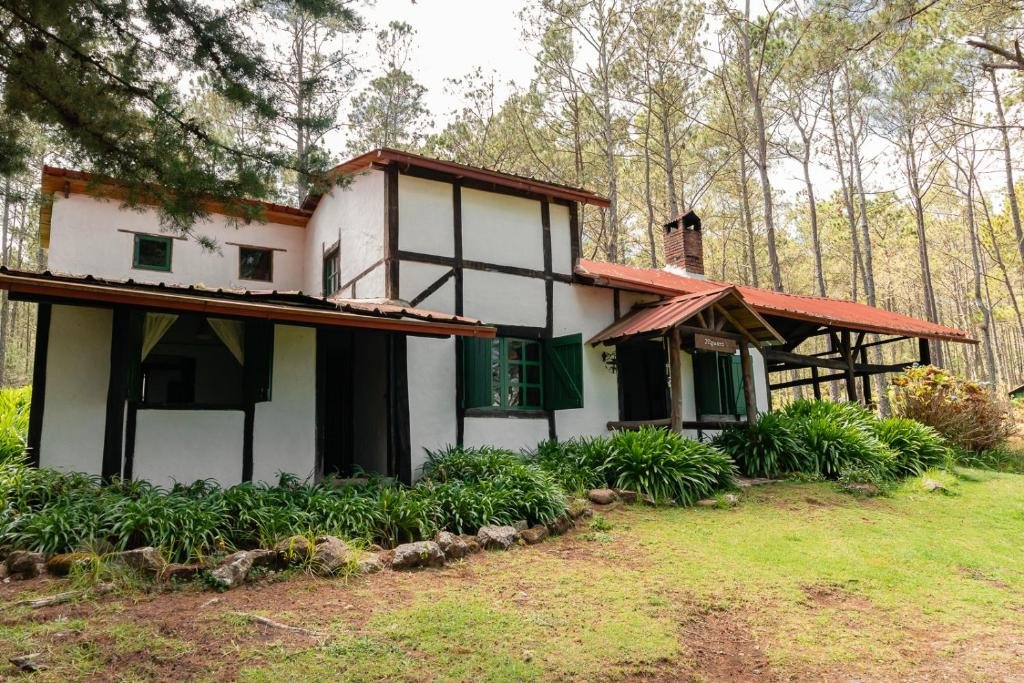
Villa Pajón Eco Lodge is a top place to stay in Constanza, Dominican Republic
The closest airport to Villa Pajón Eco Lodge is Constanza Airport (COZ), a small domestic airstrip in Constanza that handles only occasional charter and internal flights, so most guests arrive through the larger international gateways instead. From Constanza Airport the lodge sits high in the Valle Nuevo highlands, roughly an hour by road on rough mountain tracks, so a sturdy hire car or a four wheel drive is the sensible choice. Many visitors fly into Santo Domingo (Las Américas, SDQ), around three hours away, or Santiago (Cibao, STI), about two and a half hours, then drive up or arrange a private transfer for the final steep, winding leg into the mountains. Given the altitude and the unpaved sections near the property, a high clearance vehicle or a pre booked driver who knows the route will save you a good deal of stress.
Things to do around Villa Pajón Eco Lodge range from guided walks into Valle Nuevo National Park, where pine forest, mountain grasslands and the chilly highland air feel a world away from the coast, to gentler strolls through Constanza’s strawberry and vegetable farms. Nearby you can visit the Aguas Blancas waterfall, one of the tallest cascades in the Caribbean, see the Pyramids monument that marks the geographic centre of the country inside the protected park, browse the local markets in Constanza town for fresh produce and coffee, and stargaze under some of the clearest night skies on the island. Nature lovers and hikers will be in their element, families enjoy the cool climate and the farm visits, solo travellers find the quiet and the trails restorative, and anyone curious about Dominican culture away from the beaches will appreciate this agricultural mountain valley and its warm, unhurried pace.
Villa Pajón Eco Lodge is a peaceful, locally owned retreat tucked into the high pine country of Valle Nuevo at around 2,100 metres, where temperatures drop low enough for log fires and morning mist clings to the surrounding mountains. Run by a Dominican family deeply rooted in the area, the lodge has a genuine, personal feel that larger resorts simply cannot match, and its remote setting at altitude makes it one of the most distinctive places to stay in the whole country. The eight historic cabins are rustic and cosy, built from timber and warmed by stone fireplaces, with simple, comfortable furnishings designed to let the landscape do the talking rather than compete with it.
Food here leans on the valley itself, with hearty mountain cooking and fresh local produce from Constanza’s farms, the kind of homely eating that suits a place this close to the growers. What truly sets the property apart, though, are its solid eco credentials: the lodge is solar powered and runs off grid, a real achievement in such an isolated highland spot, and it is woven into active conservation work that helps protect the fragile pine forest and high altitude ecosystem of Valle Nuevo. Staying here directly supports the people working to keep this rare landscape intact.
The result is a stay that feels honest, low impact and quietly luxurious in the ways that matter, with crisp air, dark skies and a strong sense of place. Villa Pajón Eco Lodge is perfect for nature lovers and conscious travellers who want to swap the beach for the mountains and rest somewhere that genuinely treads lightly.
Paraiso (Barahona), best for intrepid travellers, rugged-coast and river lovers, those seeking solitude
The gateway is Santo Domingo (SDQ), roughly three to three and a half hours southwest by road, and given the remoteness a hire car or private driver is needed to explore properly. Paraiso, near Barahona, fronts a dramatic stretch of coast where pebble beaches, river pools and Larimar mining country meet, and it suits adventurous travellers happy to trade polish for raw, uncrowded scenery.
Where to stay in Paraiso
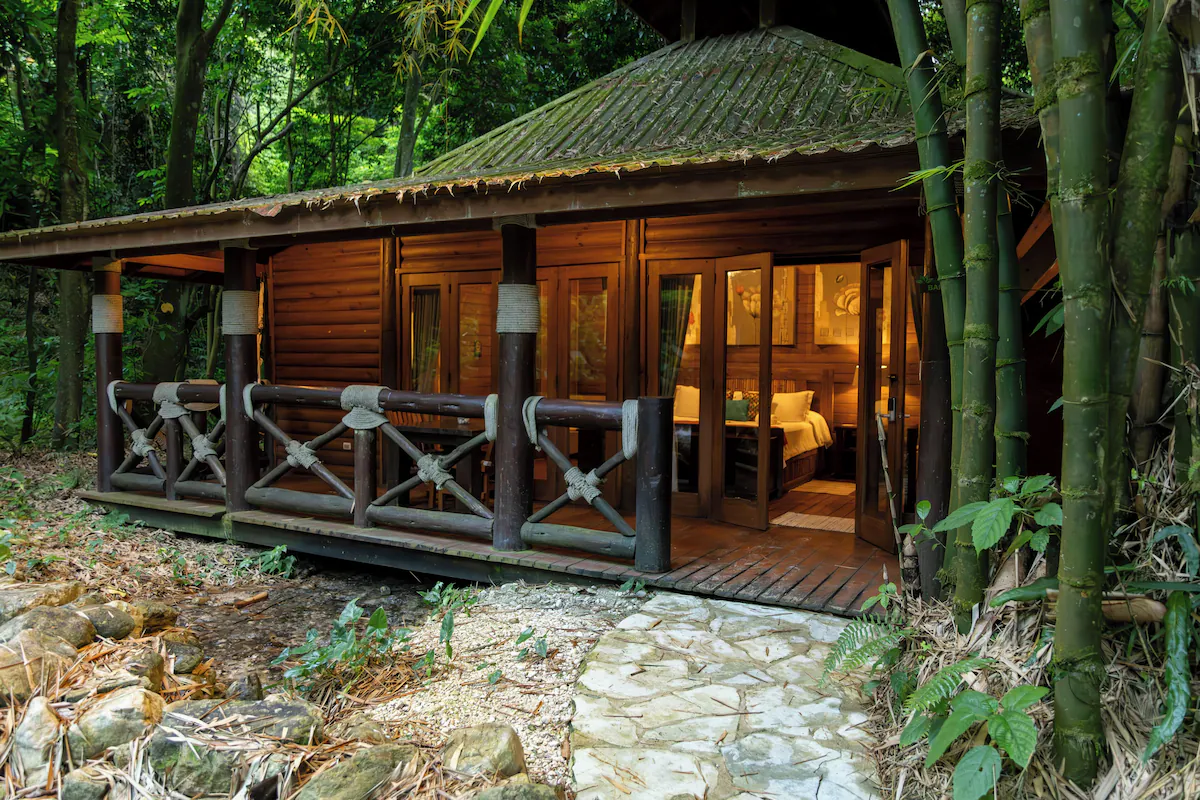
Platon Ecolodge (Rancho Platon) is a top place to stay in Paraiso, Dominican Republic
The closest airport to Platon Ecolodge (Rancho Platon) is María Montez International (BRX), just outside the city of Barahona and roughly an hour and a half by road from Paraíso, though it currently sees very few scheduled flights, so most guests fly instead into Las Américas International (SDQ) in Santo Domingo and make the scenic three to three and a half hour drive south along the coast. Either way, the last leg climbs up into the hills above Paraíso on a rough mountain track, so a 4×4 hire car is strongly recommended, or you can arrange in advance for the lodge to collect you from the town below and carry you up the final stretch in their own vehicle.
Things to do around Platon Ecolodge (Rancho Platon) range from tubing down the cool river that threads through the property, drifting between waterfalls and natural rock pools, to horse riding and guided hikes into the surrounding forest. Nearby you can swim at San Rafael beach, where a freshwater cascade meets the sea, explore the wild coastline of the Barahona peninsula, visit the larimar and amber country this region is known for, and dip into the laid back town of Paraíso for local life and fresh seafood. It suits nature lovers and adventurous families above all, while solo travellers and couples will value the quiet remoteness, and anyone curious about rural Dominican culture will enjoy meeting the community that grows the food and keeps the lodge running.
Platon Ecolodge (Rancho Platon) is a locally owned, off grid retreat tucked into the green hills above Paraíso, built and run by Dominican hands who clearly love the land it sits on. The handful of rooms are spread across a small cluster of timber and stone lodges set among the trees, waterfalls and pools, each one given its own character and opening onto a balcony with views over the canopy. The mood is rustic and unhurried rather than polished and corporate, the kind of place where the river and the birdsong set the pace of your day.
The kitchen is the heart of the experience, with a dining room ringed by trees and natural pools where local and international dishes are served using tropical fruit, vegetables, herbs and produce grown by the people of Platón themselves. It is genuine farm to table cooking, simple, fresh and tied directly to the surrounding land, and meals are very much part of staying here rather than an afterthought.
Its eco credentials are real and lived rather than marketing gloss: the lodge runs off grid in a remote mountain setting, leans on the river and its own land for water and food, and keeps its footprint light by working with the local community and the natural features of the site instead of paving over them. For travellers who want a true escape into nature, who are happy to swap luxury polish for waterfalls, horses and home grown food, Platon Ecolodge (Rancho Platon) is close to perfect.
Jamao al Norte, best for adventure and river-tubing fans, true off-the-beaten-track travellers
Puerto Plata (POP) is the handiest airport, around an hour and a half to two hours inland, and a hire car or arranged transfer is essential as this is deep rural country with little tourist transport. Jamao al Norte is a tranquil farming and river community known for tubing, river rafting and birdlife, and it suits travellers chasing adventure and authentic village life rather than resort comforts.
Where to stay in Jamao al Norte
Serafina Organic Farm is a top place to stay in Jamao al Norte, Dominican Republic
The closest airport to Serafina Organic Farm is Cibao International Airport (STI) in Santiago, which sits roughly a 90 minute to two hour drive away depending on the mountain roads into the Cordillera Septentrional. From Santiago the most reliable last leg is a hire car or a pre arranged private transfer, as the lanes climbing towards Jamao al Norte are narrow and best tackled with a driver who knows them. If you fly into Puerto Plata (POP) on the north coast instead, the journey is of a similar length, again best completed by taxi or private transfer rather than relying on public buses, which thin out the closer you get to the farm.
Things to do around Serafina Organic Farm start with guided walks through the surrounding hills and river valleys, where you can swim in the cool turquoise pools of the Jamao and Yasica rivers and learn about the cacao and coffee that this part of the island is known for. Within reach you have the waterfalls and river trekking that have made Jamao al Norte a favourite for adventure travel, the cacao and coffee routes that wind through Espaillat province, the historic streets and cathedral of Santiago for a dose of culture, and the beaches of the north coast around Cabarete and Sosua for a day by the sea. Nature lovers and solo travellers will be in their element on the trails and rivers, families will appreciate the gentle farm life and swimming spots, and anyone drawn to culture can dip into Santiago and the rural Dominican communities nearby.
Serafina Organic Farm is an organic certified farm stay set in the green hills of Jamao al Norte, a place where the rhythm of the day is shaped by the land rather than a resort timetable. The setting is lush and unhurried, with the farm threaded through forest, planting beds and the streams that run down from the mountains, and the welcome carries the warmth of hosts who clearly care about both their guests and the ground beneath them. Accommodation leans into its surroundings with a simple, natural style, the kind of rooms that let the breeze, the birdsong and the smell of the garden in rather than shutting them out.
The heart of the place is its farm to table kitchen, where what lands on your plate has usually been growing a few steps away that morning. Meals celebrate the organic produce of the farm, cooked with a light hand and a genuine sense of seasonality, so dining here feels less like a menu and more like an invitation into the daily harvest. It is the sort of food that makes the eco label feel earned rather than decorative.
On its green credentials the farm holds organic certification and backs it up with active conservation work, protecting the soil, water and surrounding habitat as part of how the property is run rather than as an afterthought. The farm to table model keeps food miles close to zero, and the working land doubles as a living lesson in how a stay can give back to its environment instead of taking from it. Serafina Organic Farm is perfect for nature lovers, conscious travellers and anyone who wants their holiday to taste of the place they are standing in.
When is the best time to visit Dominican Republic?
The driest, sunniest window broadly runs December to April, which is also peak season with higher prices and busier resorts. The Atlantic hurricane season spans 1 June to 30 November, with the greatest storm risk and heaviest rain typically from August to October; the north coast around Cabarete and Samana can also see more rain in the winter months than the south. For better value and thinner crowds, the shoulder months of late April to June and November can offer good weather between systems, though you should watch forecasts and consider travel insurance covering storms.
Is Dominican Republic safe, and how do you get around?
The FCDO notes the crime rate is high, ranging from opportunistic bag-snatching and pickpocketing to occasional violent robbery, so keep valuables out of sight, avoid quiet areas after dark and use reputable taxis or transfers; the FCDO also advises against all travel to neighbouring Haiti and the land border is closed. They drive on the right, road standards and driving can be erratic, so a hire car gives independence in the rural areas covered here but many visitors prefer a private driver, especially for mountain routes. The currency is the Dominican peso, US dollars are widely accepted in tourist areas, card cloning is a known risk so keep your card in sight or pay cash, and a tip of around 10 percent is customary on top of the service charge often already added to restaurant bills.
Why we only list sustainable stays in Dominican Republic
Every hotel in this guide was hand picked and checked for how it actually runs, and most are locally rooted so your money stays in local hands rather than leaving with an all inclusive chain. For the full breakdown with photos and booking links see our guide to the best sustainable hotels in Dominican Republic, or zoom out to the best sustainable hotels across the Caribbean.
More Caribbean Sustainable Stays
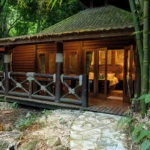



Book Your Next Stay Consciously
Travel is a wonderful opportunity to connect with Mother Earth.
However, it is also frequently undermined by reckless development and disrespectful tourism practices.
This directory is a curated, verified list of hotels, lodges, and resorts that honour our planet and are led by visionary stewards of the environment.
From farm-to-table culinary experiences to dedicated ocean conservation efforts, such as marine protection and coral restoration, these establishments are redefining hospitality.

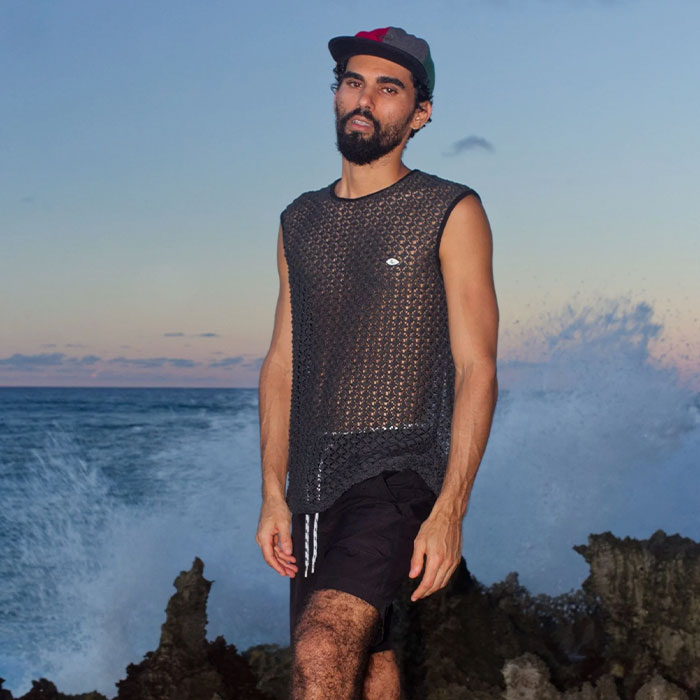
12% Off Sustainable Swimwear
Freedom Ecowear is offering our readers 12% off their eco-friendly swimwear, perfect for your next eco getaway. Use the link and your discount is added automatically.



Sustainable Travel Destinations, Eco-Stays and Eco-Tour Guides
More Great Articles From Hold The Throne
Latest Data Reports
Verified eco stays in Dominican Republic
Each stay below was inspected on site and scored against our 16-point eco checklist. Ratings are earned, never bought.
- Serafina Villas and Organic Farm Dominican Republic. Eco rating 4/5 Light green
- Tubagua Eco Lodge. Eco rating 3/5 Yellow