Where to Stay in Trinidad and Tobago: Best Areas and Sustainable Hotels
Where to stay in Trinidad and Tobago
The best areas to stay in Trinidad and Tobago range from a cluster of hillside retreats looking down over Castara Bay, to an eco resort and spa tucked along the Culloden Bay coast, a rainforest nature centre and lodge high in the Northern Range, and a beachfront estate hotel on the turtle nesting sands of Grande Riviere. Options are spread from Castara, Tobago, Culloden Bay and Golden Lane, Tobago, Arima and the Northern Range, Trinidad to Grande Riviere, Trinidad. Every stay we recommend below is genuinely sustainable and chosen so your money stays on the island.
Where to stay in Trinidad and Tobago by area, at a glance
Castara, Tobago is best for couples, slow travellers, nature lovers and birders wanting an unspoilt fishing village
Castara is a small working fishing village on Tobago’s quiet leeward coast, wrapped around two sandy bays and made up of guesthouses and eco lodges rather than chain hotels. It suits couples, slow travellers, nature lovers and birders who want a local paced escape, with seine net fishing on the beach, calm swimming water and the rainforest close behind the village, rather than nightlife or resort polish. Days revolve around the two bays, the rum shops and beach bars, and trips out to the waterfalls and forest reserve.
The difference between Castara, Tobago and other popular beach spots like Crown Point and Store Bay is that those southern bases sit beside the airport and lean towards busier beaches, dive operators and a steadier flow of holidaymakers, whereas Castara stays genuinely small and community led, a working village where you slot into local life rather than a resort strip built around visitors.
Where to stay in Castara, Tobago: Top Pick

Castara Retreats is the best place to stay in Castara, Tobago, Trinidad and Tobago
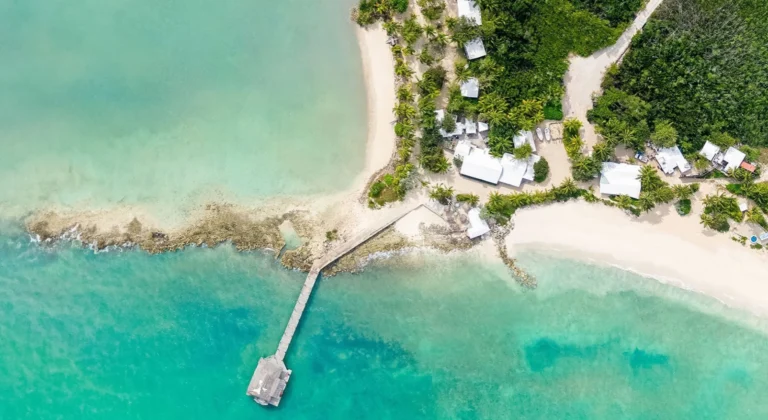
Castara Retreats is a Green Key certified eco lodge of treehouse style cottages set on a forested hillside where the rainforest tumbles down to meet Castara Bay, on the quiet leeward coast of Tobago. The open sided rooms frame the bay and the canopy, and the whole place is built to sit lightly among the trees, with hammocks, a yoga deck and a short walk down to the beach standing in for any resort gloss.
Who owns Castara Retreats?
The lodge is owned through a genuine partnership between a British family and Tobagonian local management, who hold a real stake in the business. It is a model that keeps decisions and benefits rooted in the village rather than flown offshore. Some forty villagers built the place using local labour and materials, and that sense of place carries through every hand crafted detail.
About the rooms in Castara Retreats
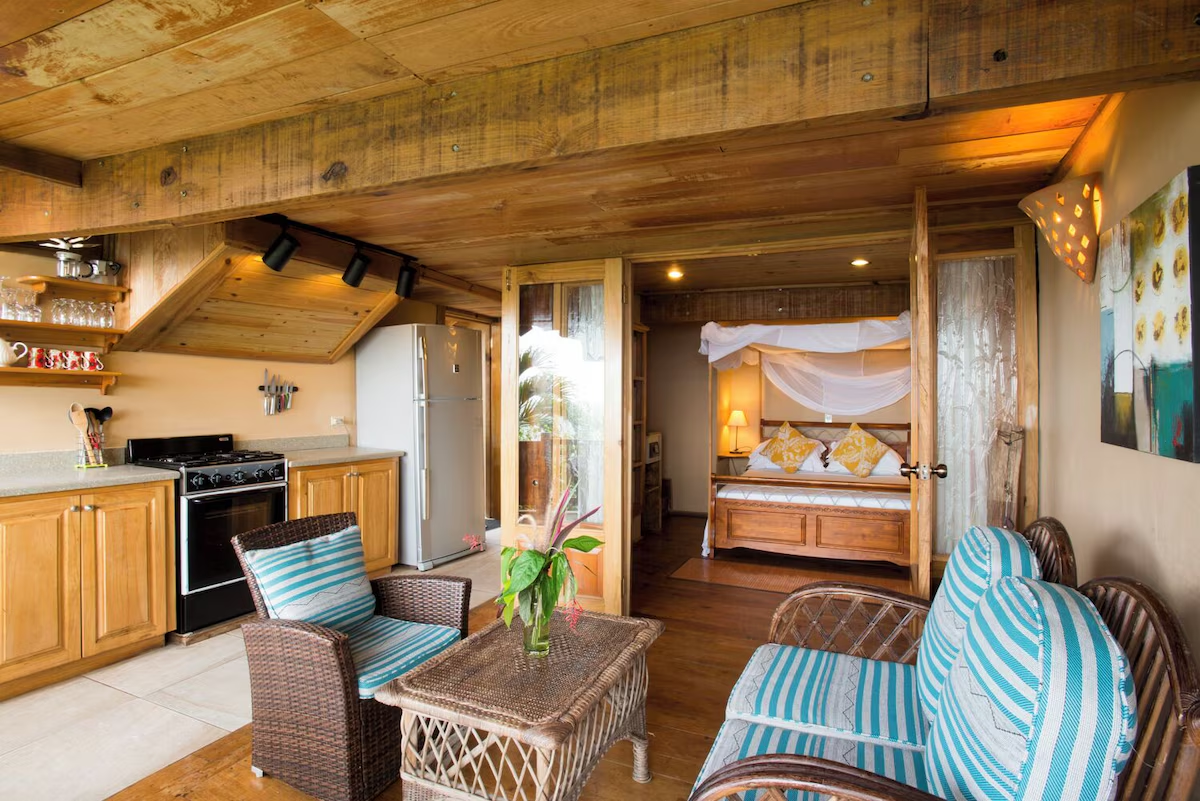
There are 17 rooms at Castara Retreats, including 13 one-bedroom lodges and four larger two-bedroom lodges, all self-catering and treehouse-style, built into the hillside in tropical gardens above Castara Bay. Each one is an individually named hardwood structure rather than a uniform room type. The two-bedroom lodges include Birdsong, Treetops, Rainforest and Ginger Lily, while the one-bedroom lodges run from Coasthanger, Fisherman’s and Beachscape to Hideaway, River Breeze, the two Hummingbird lodges, Fiddle Tree, Coco Palm, Lime Tree, Shady Mango, Tamarind and Firefly. All are ensuite with their own kitchens for cooking, and many sit high enough to look out over the bay and the Caribbean sunsets.
The lodges lean towards open-air, rustic luxury rather than sealed hotel rooms. Expect large outdoor living areas, beds draped in white mosquito nets and ceiling fans and sea breezes rather than air conditioning, which suits the eco lodge ethos and the leeward-coast setting. The one-bedroom lodges are best for couples, while the four two-bedroom lodges work well for families, with the largest sleeping up to five plus a baby across two ensuite shower rooms. Access is on foot via garden footpaths with handrails, and some stretches are fairly steep, so the layout favours guests who are comfortable on their feet over those needing step-free access.
What food is available at Castara Retreats?
The onsite restaurant, the in house Caribbean Kitchen, cooks from scratch and leans on locally grown produce and the day’s catch for honest, generous plates that taste of the island. It works on a farm to table footing with produce grown nearby, so menu items reflect what the village and the sea are providing that day.
Sustainability features of Castara Retreats
The lodge runs on solar panels that supplement the power, a farm to table kitchen and a Green Key certification that underpins its daily running. Most tellingly, the retreat sponsors the Environmental Research Institute Charlotteville to regenerate the coral reef in Castara Bay, so your stay directly funds the recovery of the water you swim in.
Who is Castara Retreats for?
This is a perfect base for conscious travellers who want a beautiful, locally led setting where comfort, community and genuine conservation pull in the same direction. It suits couples, slow travellers, nature lovers and birders drawn to the rainforest, and culture seekers keen to share in village life rather than watch it from a distance.
How to get to Castara Retreats from the airport
The closest airport to Castara Retreats is A.N.R. Robinson International Airport (TAB) at Crown Point on Tobago’s south western tip, a scenic drive of roughly 45 minutes to an hour up and across to the leeward coast, depending on traffic through Scarborough, covering somewhere around 30 kilometres of winding coastal road.
Private transfer or taxi to Castara Retreats
A pre arranged private transfer is the easiest option to get to Castara Retreats, taking you straight from arrivals along the coast road that winds and climbs, which you will not want to navigate for the first time after a long journey. The retreat can help arrange a transfer, and a taxi from the airport rank works just as well, with many guests settling in once they reach Castara and travelling on by taxi or local boat for day trips. A hire car from the airport is worth it if you plan to explore the island freely.
Public transport to Castara Retreats
Public transport to Castara Retreats is possible with multiple changes. State run PTSC buses and shared maxi taxis run from the main terminal in Scarborough out to the leeward villages, so the route is a PTSC bus or maxi taxi from Crown Point into Scarborough, then a leeward service heading towards Castara, finishing with a short route taxi or pickup down into the village. Services to Castara are infrequent and slow, so with luggage a pre booked transfer, a taxi or a hire car is much the easier choice.
Things to do while staying at Castara Retreats
Things to do around Castara Retreats range from sliding out at dawn with the village fishermen as they haul in the seine net on Castara Bay, a genuine community tradition you can watch or help with right below the property, to lazing on the two golden beaches of Big Bay and Little Bay, where the calm leeward water is ideal for swimming and snorkelling over the regenerating reef.
Within easy reach are the Argyle Waterfall with its three tiered cascade and bathing pools, the protected Main Ridge Forest Reserve, the oldest legally protected rainforest in the western hemisphere and a haven for birdwatchers, and the lively fishing village itself with its rum shops, beach bars and freshly grilled catch. Boat trips along the coast and gentle rainforest walks round out the days.
It suits nature lovers and birders drawn to the rainforest, families who want a safe swimming bay and gentle days, solo travellers looking for an unhurried community feel, and culture seekers keen to share in village life rather than watch it from a distance.
Culloden Bay and Golden Lane, Tobago is best for divers, snorkellers, birders and nature lovers wanting total quiet
Also reached from Crown Point (TAB), Culloden Bay and the inland village of Golden Lane sit about 45 minutes to an hour drive north along the Caribbean coast, with a hire car or arranged transfer effectively essential, as the nearest dive centres and shops are back towards Crown Point or Lowlands. This is a tranquil stretch of fringing reef and rainforest backdrop, popular for gentle snorkelling and diving and full of birdsong, and it suits travellers happy to be self contained, soulful couples and solo visitors who want to be well away from the busier south west.
The difference between Culloden Bay and Golden Lane, Tobago and other popular resort areas like Crown Point and Store Bay is that those south western spots cluster hotels, beach bars and dive shops within walking distance of the airport and the famous Pigeon Point, whereas Culloden Bay trades that convenience for genuine seclusion, reef right off the shore and an estate setting wrapped in regenerating forest rather than a built up strip.
Where to stay in Culloden Bay and Golden Lane, Tobago: Top Pick

Footprints Eco Resort & Spa is the best place to stay in Culloden Bay and Golden Lane, Tobago, Trinidad and Tobago
Footprints Eco Resort & Spa is a small eco lodge set across sixty two acres of reforested former sugar and cocoa estate, fronting Culloden Bay on Tobago’s Caribbean coast in the Golden Lane area. The character is intimate and unhurried, with rooms and cabanas built into recovering forest rather than placed on top of it, open to sea breezes and the sound of the bush, a world away from generic resort polish.
Who owns Footprints Eco Resort & Spa?
The lodge is independently and female owned, the work of an owner who chose to let the former plantation land regenerate rather than clear it. That personal vision shapes the whole place, from the reforested acreage to the handmade cabanas and the farm to table kitchen, so it feels like a continuation of one person’s conservation ethos rather than a corporate resort brand.
About the rooms in Footprints Eco Resort & Spa
There are around nine rooms at Footprints Eco Resort & Spa, including Garden Studios set back among the trees, Garden one bedroom units, Oceanfront Suites looking out over the Caribbean, and two standalone villas called the Tobago Monarch and the King of the Woods. They are spread across the sixty two acre hillside above Culloden Bay. The Garden Studios and one bedroom units suit couples and smaller budgets, while the villas, each with its own small plunge pool, work better for families or anyone wanting more space and privacy.
Each room reflects the resort’s build, which uses locally grown and reclaimed timber, reclaimed teak furniture and traditional timit palm leaf or thatch roofs, so interiors feel cabin like rather than corporate but are described as comfortable and surprisingly luxurious. Expect features such as private garden showers, teak fittings, small refrigerators, terraces or balconies framing garden or sea views, and the constant sound of birds and surf. The villas add private swimming pools and there is a jacuzzi on site, with the saltwater pools drawing directly from Culloden Bay. As an eco lodge the emphasis is on natural ventilation and open timber design rather than wall to wall air conditioning, so travellers who need cooled rooms throughout should confirm the exact set up for their chosen category before booking.
What food is available at Footprints Eco Resort & Spa?
The onsite restaurant, the Cocoa House, runs a genuine farm to table kitchen, drawing preferentially on produce grown on site so that much of what reaches the plate has travelled only a few steps. Menu items lean into Tobago’s island ingredients and the cocoa heritage of the estate, and dining here feels like an extension of the conservation ethos rather than an afterthought.
Sustainability features of Footprints Eco Resort & Spa
The whole resort runs on sixty two acres of actively reforested former plantation, with buildings made from locally grown and reclaimed timber including recycled wallaba and reclaimed teak, natural timit palm leaf roofing, and a farm to table kitchen growing its own produce on site. All of this sits under independent, female ownership that has put regeneration at the centre of the project.
Who is Footprints Eco Resort & Spa for?
It is perfect for nature lovers, birders and conscious travellers, along with couples and solo visitors who want a small, authentic, low impact retreat woven into Tobago’s coast and forest rather than placed beside them. Families happy with gentle beaches and rainforest walks will enjoy it too, while anyone wanting nightlife, shops on the doorstep or a polished big resort should look further south.
How to get to Footprints Eco Resort & Spa from the airport
The closest airport to Footprints Eco Resort & Spa is A.N.R. Robinson International Airport (TAB) at Crown Point on the south western tip of Tobago, roughly an hour by road and around 25 kilometres across the island to Culloden Bay on the Caribbean coast.
Private transfer or taxi to Footprints Eco Resort & Spa
A pre arranged private transfer is the easiest option to get to Footprints Eco Resort & Spa, since the route winds through the hills of the Golden Lane area along narrow country lanes where a confident, local driver helps. A taxi from the rank at A.N.R. Robinson International Airport is the next best choice, and a hire car works well too if you want the freedom to explore Tobago’s north coast, though many guests prefer to be driven on the final approach and pick up a car later. If you are coming from Trinidad rather than overseas, a short internal flight from Piarco into Tobago, or the inter island ferry into Scarborough followed by the drive west, gets you there.
Public transport to Footprints Eco Resort & Spa
Public transport to Footprints Eco Resort & Spa is possible with multiple changes. The state run PTSC coach service, along with shared route taxis and maxi taxis, runs between Scarborough, Crown Point and villages such as Plymouth, so you could ride a PTSC bus or maxi taxi as far as Plymouth and then take a short route or private taxi onward towards Golden Lane and Culloden. In practice these services are infrequent and not really geared to this quiet stretch of coast, and they leave you short of the resort with luggage, so for a smooth arrival a private transfer, taxi or hire car is genuinely the best option.
Things to do while staying at Footprints Eco Resort & Spa
Things to do around Footprints Eco Resort & Spa range from snorkelling straight off Culloden Bay’s reef, where calm, sheltered water and resident marine life make for an easy drift just below the surface, to walking the resort’s own reforested trails through former cocoa and sugar land. The spa and the quiet bay round out a stay built around slowing down and reconnecting with the landscape.
Nearby you can wander the village lanes of Golden Lane and the heritage sites around Plymouth, head out to the Nylon Pool and Buccoo Reef by glass bottomed boat, explore the Main Ridge Forest Reserve, the oldest legally protected rainforest in the western hemisphere and a paradise for birdwatchers, or spend a slow afternoon at Castara or Stonehaven Bay along the same Caribbean coast.
It suits nature lovers and birders above all, couples and solo travellers after a quiet, soulful base, families happy with gentle beaches and rainforest walks, and culture seekers drawn to Tobago’s estate history and village rhythms. Anyone chasing busy beach bars or organised nightlife will find that energy back towards Crown Point rather than here.
Arima and the Northern Range, Trinidad is best for birdwatchers, rainforest and wildlife enthusiasts, hikers and conscious travellers seeking cool green hills over beaches
From Trinidad’s Piarco International Airport near Port of Spain (airport code POS) it is only around a 25 to 40 minute drive to the town of Arima, then a winding climb up into the Arima Valley where the Asa Wright area sits at roughly 1,200 feet, so a hire car or an arranged transfer is the practical choice. This is the lush, bird rich heart of the forested Northern Range, ideal for naturalists, hikers and anyone wanting cool green hills, misty mornings and the dawn chorus rather than golden sand. The pace is unhurried, the air noticeably cooler than the coast, and the focus is firmly on the forest and the extraordinary wildlife that lives in it.
The difference between Arima and the Northern Range, Trinidad and other popular Trinidad and Tobago destinations like the beach town of Maracas Bay and the resort area of Crown Point on Tobago is that this is a highland rainforest reserve rather than a coastal escape, so you come here for guided forest walks, hummingbirds on the veranda and rare oilbirds rather than swimming, snorkelling and beach bars. Where the coast trades on sea and sand, the Northern Range trades on biodiversity, conservation and quiet, making it a genuinely different kind of stay within the same twin island republic.
Where to stay in Arima and the Northern Range, Trinidad: Top Pick

Asa Wright Nature Centre & Lodge is the best place to stay in Arima and the Northern Range, Trinidad, Trinidad and Tobago
Asa Wright Nature Centre and Lodge is one of the oldest nature lodges in the Caribbean, a locally run conservation centre set within a protected rainforest reserve in the Arima Valley of Trinidad’s Northern Range, at roughly 1,200 feet. The character is unhurried and unpretentious, more living research station and rainforest retreat than polished resort, which is exactly its charm. From the famous veranda you can watch hummingbirds, honeycreepers and the occasional bellbird gather within easy view over morning coffee, while the surrounding forest absorbs carbon and shelters an extraordinary diversity of life.
Who owns Asa Wright Nature Centre & Lodge?
The lodge is owned and run by a not for profit conservation trust rather than a corporate hotel chain. It began life as a working estate that was given over to conservation, and today it remains community spirited and mission driven, with the surrounding forest reserve safeguarding the birds and wildlife that sit at the very heart of everything the centre does. The result is a place where the people you meet are genuinely invested in the forest, and where conservation is the founding reason it exists rather than an afterthought.
About the rooms in Asa Wright Nature Centre & Lodge
There are 29 rooms at Asa Wright Nature Centre & Lodge, including four named categories set across the historic Spring Hill Estate, a former plantation in the Arima Valley, rather than the rustic dorms many birding lodges still rely on. The smallest are The Nest rooms, ten compact 10 to 18 square metre spaces with a king or queen bed for solo travellers and couples who want a light footprint. The Pair adds eleven larger 20 to 24 square metre rooms with a king or two queens, while The Perch steps up to four roomier 25 to 33 square metre rooms with large windows onto the forest, suited to couples and small families. At the top sit two Villa Suites, branded The Flock and named after resident birds, the Spectacled Owl and the Cocoa Woodcreeper: each is a generous 89 square metres with a king, two queens and a sofa bed, built for families or multigenerational groups.
Every room was recently modernised and comes with a private bathroom, air conditioning, a mini fridge, tea and coffee making facilities, complimentary toiletries and Wi-Fi. Accommodation is spread between private cottages dotted around the grounds and a handful in the main house, which also holds the reception, restaurant, gift shop and the famous wraparound veranda. Rates are full board, covering breakfast, lunch, afternoon tea and dinner plus guided day and night trail walks, so each room functions as a base for birdwatching in the surrounding protected reserve rather than a place to linger indoors.
What food is available at Asa Wright Nature Centre & Lodge?
The onsite dining room serves family style meals drawing on local Trinidadian flavours, with fresh produce, home baked bread and a legendary afternoon tea taken out on the veranda as the light fades and the birds come in to roost. Meals here are communal and convivial, the sort of occasion where guests swap sightings over rum punch and plan the next morning’s walk together. It suits travellers happy to eat well and socially rather than those seeking a formal restaurant experience.
Sustainability features of Asa Wright Nature Centre & Lodge
The lodge runs on solar panels installed with the help of an EU funded grant, which have cut its carbon footprint considerably, and it holds Green Key certification. These features work alongside careful water conservation, thorough waste sorting and a zero plastics approach across the property. With the protected forest reserve absorbing carbon and sheltering an extraordinary diversity of life, conservation here is the founding purpose of the place, not a marketing line.
Who is Asa Wright Nature Centre & Lodge for?
This is a place perfect for nature lovers and birders above all, but the gentle pace also welcomes solo travellers seeking quiet, families introducing children to the rainforest, and conscious travellers who want their stay to actively support the forest they have come to see. Anyone curious about Trinidad’s deep cultural and ecological roots will feel at home, while those after beaches, nightlife or resort polish are better served on the coast.
How to get to Asa Wright Nature Centre & Lodge from the airport
The closest airport to Asa Wright Nature Centre and Lodge is Piarco International Airport (POS) near Port of Spain, which sits roughly forty five minutes to an hour away by road, around 25 to 30 kilometres, depending on traffic and the steady climb into the hills. The final stretch follows the winding Arima Valley road up into the Northern Range, so the journey takes longer than the distance alone suggests.
Private transfer or taxi to Asa Wright Nature Centre & Lodge
A pre arranged private transfer is the easiest option to get to Asa Wright Nature Centre and Lodge, as the driver knows the valley and the narrow mountain bends well. A pre booked taxi or a hire car will also get you there, though most guests prefer to leave the driving to a local, as the mountain road is narrow in places and the climb can be slow. Arranging your transfer in advance is wise, since this is not a route where casual taxis tend to wait.
Public transport to Asa Wright Nature Centre & Lodge
Public transport to Asa Wright Nature Centre and Lodge is possible with multiple changes. Public Transport Service Corporation (PTSC) buses, along with the shared route taxis and maxi taxis that serve Trinidad, will get you between Piarco, Port of Spain and the town of Arima, but they do not run up the steep, winding Arima Valley road to the centre. The honest answer is that the final climb is not reachable by public transport, so a private transfer, taxi or hire car for the last leg from Arima is strongly recommended.
Things to do while staying at Asa Wright Nature Centre & Lodge
Things to do around Asa Wright Nature Centre & Lodge range from dawn birdwatching from the famous veranda, where hummingbirds, honeycreepers and the occasional bellbird gather within easy view over morning coffee, to guided forest walks in search of the rare oilbirds that nest in the centre’s protected Dunston Cave. The trails through the reserve reward slow, attentive walking, and the resident guides know exactly where to look for the valley’s most elusive residents.
Beyond the reserve you can explore the lively market town of Arima, take a day trip down to the Caroni Bird Sanctuary to watch scarlet ibis flock in at sunset, visit the cocoa estates of the valley, or head further afield to the beaches of the north coast such as Maracas Bay for its golden sand and its famous bake and shark. The Northern Range also offers waterfalls and longer hikes for those wanting to stretch their legs well beyond the lodge grounds.
It suits nature lovers and birders above all, but the gentle pace also welcomes solo travellers seeking quiet, families introducing children to the rainforest, and anyone curious about Trinidad’s deep cultural and ecological roots. Culture seekers will enjoy Arima’s markets and the valley’s cocoa heritage, while conscious travellers can take comfort that simply being here helps support the protected forest.
Grande Riviere, Trinidad, is best for turtle watchers, nature lovers and adventurous off the beaten track travellers
Grande Riviere lies on Trinidad’s wild north east coast, a long drive of roughly two to two and a half hours from Piarco airport (POS) over slow, winding mountain roads, so a hire car or a transfer arranged through your lodge is strongly advised. It is a small, remote village famous as one of the world’s densest leatherback turtle nesting beaches, and it suits travellers who happily trade comfort and convenience for raw nature, seasonal turtle watching and a genuinely close knit community built around its conservation work.
The difference between Grande Riviere, Trinidad and other popular beach towns like Maracas Bay and Toco is that those places are far easier to reach for a quick day at the sand, whereas Grande Riviere rewards the long journey with something rarer: a protected nesting beach where giant leatherbacks haul ashore by the dozen, far from crowds, resorts and passing traffic. You come here for the wildlife and the quiet, not for the convenience.
Where to stay in Grande Riviere, Trinidad: Top Pick

Mt. Plaisir Estate Hotel is the best place to stay in Grande Riviere, Trinidad, Trinidad and Tobago
Mt. Plaisir Estate Hotel sits directly on the beach at Grande Riviere, on the grounds of a former cocoa estate on the wild north east coast of Trinidad. This relaxed and characterful eco lodge feels woven into both the shoreline and the village around it, closely tied to the community’s long running leatherback conservation effort, with the sound of the waves never far away.
Who owns Mt. Plaisir Estate Hotel?
Mt. Plaisir Estate Hotel is privately owned and locally run, an independent family run eco lodge rooted in the village of Grande Riviere rather than part of any chain. Its identity is bound up with the local leatherback conservation movement, and the people behind it have helped shape the turtle friendly approach that the whole community now follows. The result is a property run with personal care and a strong sense of place, where hospitality feels warm and personal rather than polished and corporate.
About the rooms in Mt. Plaisir Estate Hotel
There are 21 rooms at Mt. Plaisir Estate Hotel, including four named tiers that step up in size as you go. The Tide Pools are intimate spaces for couples or solo travellers, roughly 16 to 25 square metres, while the Nesting Grounds are slightly larger rooms for couples or a small family. Family and group rooms with two to four beds apiece sit in the Forest Trails, and the grandest units, the Overlook, run to around 36 to 38 square metres. Rather than numbers, individual rooms carry local names drawn from the estate and the surrounding rainforest, such as Firefly, Seagrape, Blue Morpho, Hawksbill, Pawi and Dragonfruit, which tells you a lot about the hand built, of the place feel.
Bed configurations vary by tier, from a single king or queen in the smaller rooms to combinations of one king plus two queens in the family layouts, so couples and larger groups are both catered for. Every room has air conditioning, en suite bathrooms with walk in showers, complimentary Wi-Fi and a private outdoor seating area or balcony, and most look straight out over the beach and ocean, with ground floor rooms sitting just metres from the nesting leatherbacks. In keeping with the turtle conservation work, the outdoor terraces use soft red lighting and each room is fitted with privacy screens and window dressings that block bright white light from reaching the sand.
What food is available at Mt. Plaisir Estate Hotel?
The onsite kitchen leans into the estate’s bounty and the daily catch of the local fishermen, serving honest, fresh food with a strong sense of place. Menu items include long, leisurely breakfasts, fresh seafood and cooking that makes the most of what the coast and the land provide. Meals here are part of the rhythm of the day, unhurried and generous, and the setting on the beach does much of the talking.
Sustainability features of Mt. Plaisir Estate Hotel
The hotel runs on solar power and is Green Key certified, with rooms designed to block the bright white light that would disturb the nesting leatherbacks. The surrounding village has been fitted with turtle friendly streetlights so the whole community supports the conservation effort, and that alignment between hotel and habitat is the heart of the place.
Who is Mt. Plaisir Estate Hotel for?
This is a perfect base for nature lovers and conscious travellers who want a low impact stay on one of the most remarkable turtle nesting beaches on earth. It also suits solo travellers wanting a quiet, immersive escape, families introducing children to wildlife up close, and culturally curious visitors keen to meet a community built around its conservation work. Anyone seeking polished luxury or nightlife should look elsewhere.
How to get to Mt. Plaisir Estate Hotel from the airport
The closest airport to Mt. Plaisir Estate Hotel is Piarco International Airport (POS), which serves Port of Spain in the north west of Trinidad. From there it is roughly a two and a half hour drive of about 90 kilometres to reach Grande Riviere on the wild north east coast, following the north coast road as it winds through rainforest and over the hills above the sea.
Private transfer or taxi to Mt. Plaisir Estate Hotel
A pre arranged private transfer is the easiest option to get to Mt. Plaisir Estate Hotel, ideally booked through the hotel in advance. The route is long, scenic and best not navigated for the first time after dark, so handing the driving to someone who knows the road takes the stress out of the final leg. A taxi from the airport can also be arranged for the journey, and a self drive hire car is a good alternative if you are confident on narrow, winding mountain roads and plan to explore the coast independently.
Public transport to Mt. Plaisir Estate Hotel
Public transport to Mt. Plaisir Estate Hotel is possible with multiple changes. PTSC buses run from Port of Spain towards Sangre Grande, the main town of the north east, where you can pick up a shared maxi taxi or route taxi heading on towards Toco and Grande Riviere. These onward connections thin out the closer you get to the coast and journeys can be slow and infrequent, so most visitors finish the final stretch with a short taxi from the nearest town. For reliability and comfort a hire car or a transfer arranged with the hotel remains by far the best option.
Things to do while staying at Mt. Plaisir Estate Hotel
Things to do around Mt. Plaisir Estate Hotel range from witnessing the leatherback turtle nesting that the village is famous for, watching the giant females haul up the sand to lay their eggs through the season that runs roughly March to August, to hiking into the surrounding rainforest in search of waterfalls and birdlife.
You can also take a guided river trip up the Grande Riviere itself, visit nearby fishing villages such as Matelot and Sans Souci, and look for the rare pawi and other species in one of the most biodiverse corners of the island. Quiet days on the beach, swimming and simply watching the coast go about its rhythm are part of the appeal too, with local guides on hand to share their knowledge of the wildlife and the land.
It suits nature lovers above all, but also solo travellers wanting a quiet, immersive escape, families introducing children to wildlife up close, and culturally curious visitors keen to meet a close knit village built around its conservation work. Anyone after a slow, meaningful stay close to nature will feel right at home here.
When is the best time to visit Trinidad and Tobago?
The driest, sunniest stretch runs from January to May, with February to April the most reliable and March typically the driest month, which is also the peak window thanks to good weather and the late winter and spring season. The wetter season runs roughly June to December with October usually the rainiest, though September often brings a brief drier, cheaper spell. Trinidad and Tobago sits at the far southern edge of the Caribbean below the main hurricane belt, so although the Atlantic hurricane season officially runs 1 June to 30 November, direct hits are rare and the islands are generally considered a lower risk choice within the region.
Is Trinidad and Tobago safe, and how do you get around?
Be aware that Trinidad has a high level of violent crime and a nationwide State of Emergency has been in force and repeatedly extended (most recently extended on 11 June 2026); the UK FCDO is not advising against travel but urges heightened caution, with specific care around parts of downtown Port of Spain and named districts such as Laventille, Morvant and Beetham, while Tobago is generally quieter, so always check the latest gov.uk advice before booking. They drive on the left as in the UK and most hire cars are right hand drive, which feels familiar for British drivers; a hire car is effectively essential for the rural areas in this guide as public transport is limited, and an International Driving Permit alongside your UK licence is recommended. The currency is the Trinidad and Tobago dollar (TTD), US dollars and cards are widely accepted in tourist spots, and tipping is usually around 10 per cent, though many sit down restaurants already add a service charge so check the bill first.
Why we only list sustainable stays in Trinidad and Tobago
Every hotel in this guide was hand picked and checked for how it actually runs, and most are locally rooted so your money stays in local hands rather than leaving with an all inclusive chain. For the full breakdown with photos and booking links see our guide to the best sustainable hotels in Trinidad and Tobago, or zoom out to the best sustainable hotels across the Caribbean.
More Caribbean Sustainable Stays
Book Your Next Stay Consciously
Travel is a wonderful opportunity to connect with Mother Earth.
However, it is also frequently undermined by reckless development and disrespectful tourism practices.
This directory is a curated, verified list of hotels, lodges, and resorts that honour our planet and are led by visionary stewards of the environment.
From farm-to-table culinary experiences to dedicated ocean conservation efforts, such as marine protection and coral restoration, these establishments are redefining hospitality.

12% Off Sustainable Swimwear
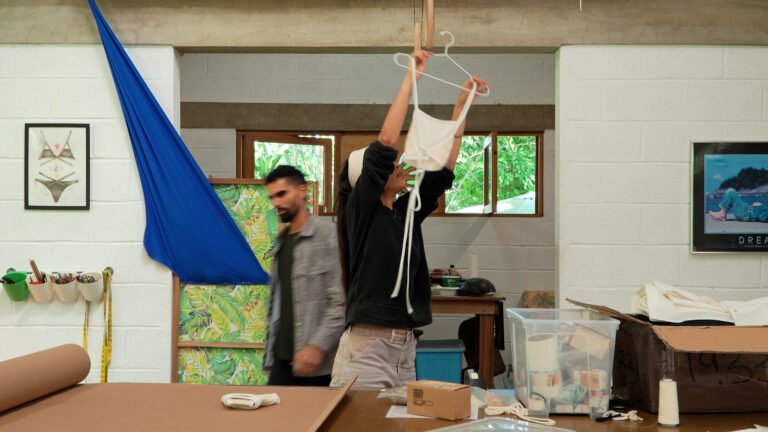
Freedom Ecowear is offering our readers 12% off their eco-friendly swimwear, perfect for your next eco getaway. Use the link and your discount is added automatically.