
CleanHub removes plastic from the ocean. Its sustainable clothing list is thoughtful on impact, repair, circularity and sourcing. But when I tested the actual fibre compositions against one narrower question, what is genuinely plant fibre, the result changed completely.
I read the labels, not the marketing copy. A recycled bottle on your back is still plastic on your back. That does not make recycling pointless. It means recycled plastic, regenerated cellulose, animal fibre and pure plant fibre are not interchangeable.
The ethics can be right while the fibre is wrong.
The result at a glance
These are the eleven brands in CleanHub’s list compared against Hold The Throne’s recorded clothing data. Published Eco Scores, fibre percentages and catalogue totals now come directly from each current HTT brand record.
Eco Scores, plant-fibre percentages and catalogue totals come from the current published HTT record. A blank score is not estimated.
| Brand | HTT Eco Score | Plant fibre | Recorded fibre mix | Catalogue | Finding |
|---|---|---|---|---|---|
 01 · PANGAIAOrganic cotton mixed with regenerated and synthetic fibres 01 · PANGAIAOrganic cotton mixed with regenerated and synthetic fibres |
3/5 | 84.6% | Plant: Cotton, Linen | Synthetic: Elastane, Polyamide, Nylon | Regenerated: Lyocell | Animal: Wool, Cashmere, Leather | 204 styles | Organic cotton appears throughout the range, beside regenerated and synthetic fibres.Read report |
 02 · VuoriRecycled polyester and spandex activewear 02 · VuoriRecycled polyester and spandex activewear |
1/5 | 20.5% | Plant: Cotton | Synthetic: Polyester, Elastane, Polyamide | Regenerated: Lyocell | 41 styles | Recycled synthetics dominate much of the activewear range.Read report |
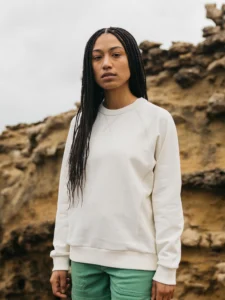 03 · FinisterreOrganic cotton beside wool and synthetic fibres 03 · FinisterreOrganic cotton beside wool and synthetic fibres |
1/5 | 58.3% | 284 (42.1%) 100% plant fibre (organic cotton, linen, hemp) | 118 (17.5%) synthetic (polyester, nylon, elastane) | 4 (0.6%) semi-synthetic (viscose, modal, Tencel, bamboo) | 84 (12.5%) animal fibre (wool, silk, down) | 184 (27.3%) no stated composition | 678 styles | Plant fibres are present, but wool and synthetics keep the range mixed.Read report |
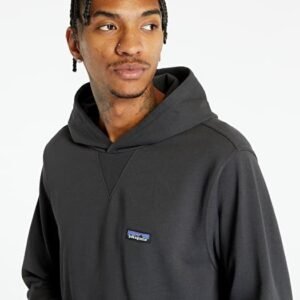 04 · PatagoniaRegenerative cotton beside synthetic technical clothing 04 · PatagoniaRegenerative cotton beside synthetic technical clothing |
1/5 | 31.3% | 14 (29.2%) 100% plant (organic/regenerative cotton, linen, hemp) | 13 (27.1%) plant + synthetic blend | 3 (6.2%) plant + semi-synthetic blend | 14 (29.2%) 100% synthetic | 4 (8.3%) animal blend | 48 styles | Regenerative cotton exists, while many technical pieces still rely on synthetics.Read report |
PA05 · PassengerOutdoor clothing with recycled synthetic blends |
No HTT record | Not verified | No verified HTT composition record | Not recorded | The CleanHub list includes Passenger, but HTT has no published brand record yet. |
 06 · Stella McCartneyVegan does not automatically mean pure plant fibre 06 · Stella McCartneyVegan does not automatically mean pure plant fibre |
1/5 | 36.4% | Plant: Cotton | Synthetic: Polyamide, Elastane, Polyester | Regenerated: Viscose | Animal: Silk, Wool, Cashmere | 44 styles | The range mixes plant, regenerated, synthetic and animal fibres.Read report |
 07 · Story mfgA predominantly plant-fibre range 07 · Story mfgA predominantly plant-fibre range |
5/5 | 98.9% | 378 (98.7%) 100% plant fibre (organic cotton, linen, hemp) | 1 (0.3%) semi-synthetic (viscose, modal, Tencel, bamboo) | 3 (0.8%) animal fibre (wool, silk, down) | 1 (0.3%) no stated composition | 191 styles | The strongest plant-fibre result among the eleven listed brands.Read report |
GR08 · Greater GoodsUpcycled source fibre varies |
No HTT record | Not verified | No verified HTT composition record | Not recorded | Upcycling can be useful, but the source fibre changes from garment to garment. |
CA09 · CamperA footwear-led material mix |
No HTT record | Not verified | No verified HTT composition record | Not recorded | The CleanHub list includes Camper, but HTT has no published brand record yet. |
 10 · Yes FriendsOrganic-cotton lines beside mixed-fibre ranges 10 · Yes FriendsOrganic-cotton lines beside mixed-fibre ranges |
1/5 | 54.5% | Plant: Cotton, Linen | Synthetic: Elastane, Polyester | Regenerated: Lyocell, Tencel, Viscose | 82 styles | Some pure cotton products sit beside synthetic and regenerated-fibre blends.Read report |
 11 · Arvor LifeOrganic-cotton tees beside recycled-polyester hoodies 11 · Arvor LifeOrganic-cotton tees beside recycled-polyester hoodies |
1/5 | 96.3% | 237 (74.3%) 100% plant fibre (organic cotton, linen, hemp) | 9 (2.8%) synthetic (polyester, nylon, elastane) | 73 (22.9%) no stated composition | 378 styles | The recorded catalogue is strongly plant based, with a smaller synthetic share.Read report |
Verified October 2026. Scores are read from the brand records at page render time. Three CleanHub-listed brands do not yet have a published HTT report and are labelled accordingly.
The list changes when you read the fibre label properly
CleanHub’s list comes from a broad sustainability framework. It rewards recycled materials, carbon commitments, ocean conservation, fair trade manufacturing, circularity, repair programmes, transparency and upcycling.
Those are legitimate sustainability considerations. But they do not answer the same question as fibre composition.
My question here is narrower: what is the garment physically made from?
- Plant fibre: cotton, linen and hemp.
- Animal fibre: wool, silk, cashmere and leather.
- Synthetic fibre: polyester, nylon and elastane.
- Semi-synthetic or regenerated fibre: viscose, rayon, modal, lyocell, TENCEL and similar processed cellulose fibres.
A product can perform well on repair, circularity or recycled content and still not be a pure plant-fibre garment.
What CleanHub’s sustainability criteria miss about pure plant fibre
CleanHub’s sustainability criteria include natural and recycled materials, climate commitments, ocean conservation, fair trade manufacturing, circularity, repair, transparency and upcycling.
The problem is the category blur. Recycled polyester is still polyester. ECONYL is still nylon. Elastane is still synthetic stretch fibre. Viscose and lyocell start with cellulose, but they are processed fibres rather than the same material category as cotton, linen or hemp straight from the field.
This article therefore separates material composition from the rest of the sustainability story rather than pretending one number answers everything.
CleanHub’s 11 sustainable clothing brands, checked brand by brand
I checked the material compositions behind each brand in CleanHub’s list. You can also inspect the underlying clothing data directly.
1. PANGAIA
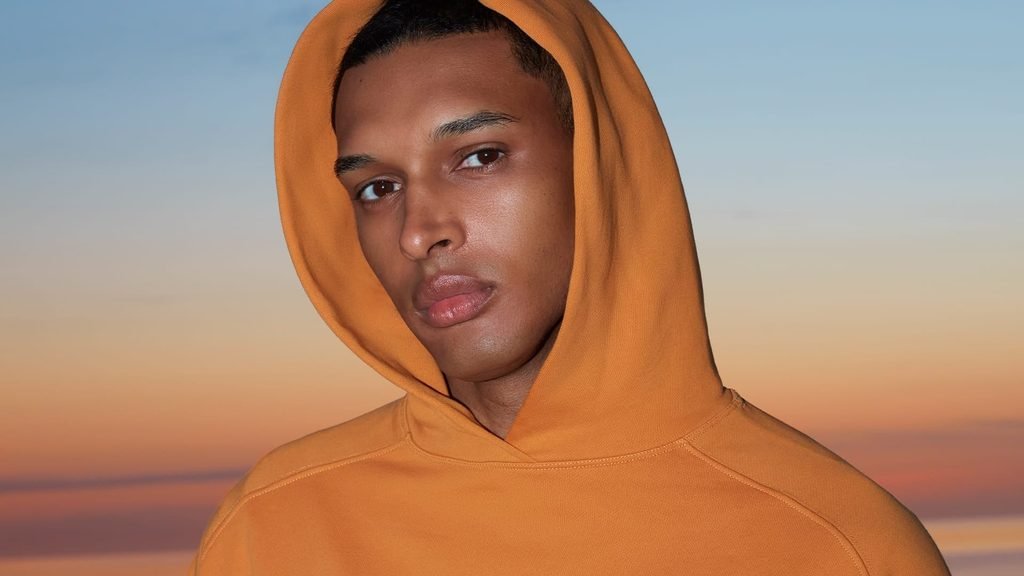
Current HTT record: 3/5 · 84.6% plant fibre · 204 recorded styles.
PANGAIA uses organic cotton alongside SeaCell, C-FIBER, TENCEL lyocell and elastane. The cotton is straightforward field fibre. The regenerated fibres sit in a separate category, and elastane is synthetic.
PANGAIA deserves credit for unusually detailed material innovation. That still does not make every garment a pure plant-fibre garment.
2. Vuori
DreamKnit and BlissBlend are built around recycled polyester and spandex. Recycled polyester may reduce virgin feedstock, but it remains a synthetic fibre.
Vuori also sells cotton products, which is why the exact garment matters more than the brand slogan.
3. Finisterre
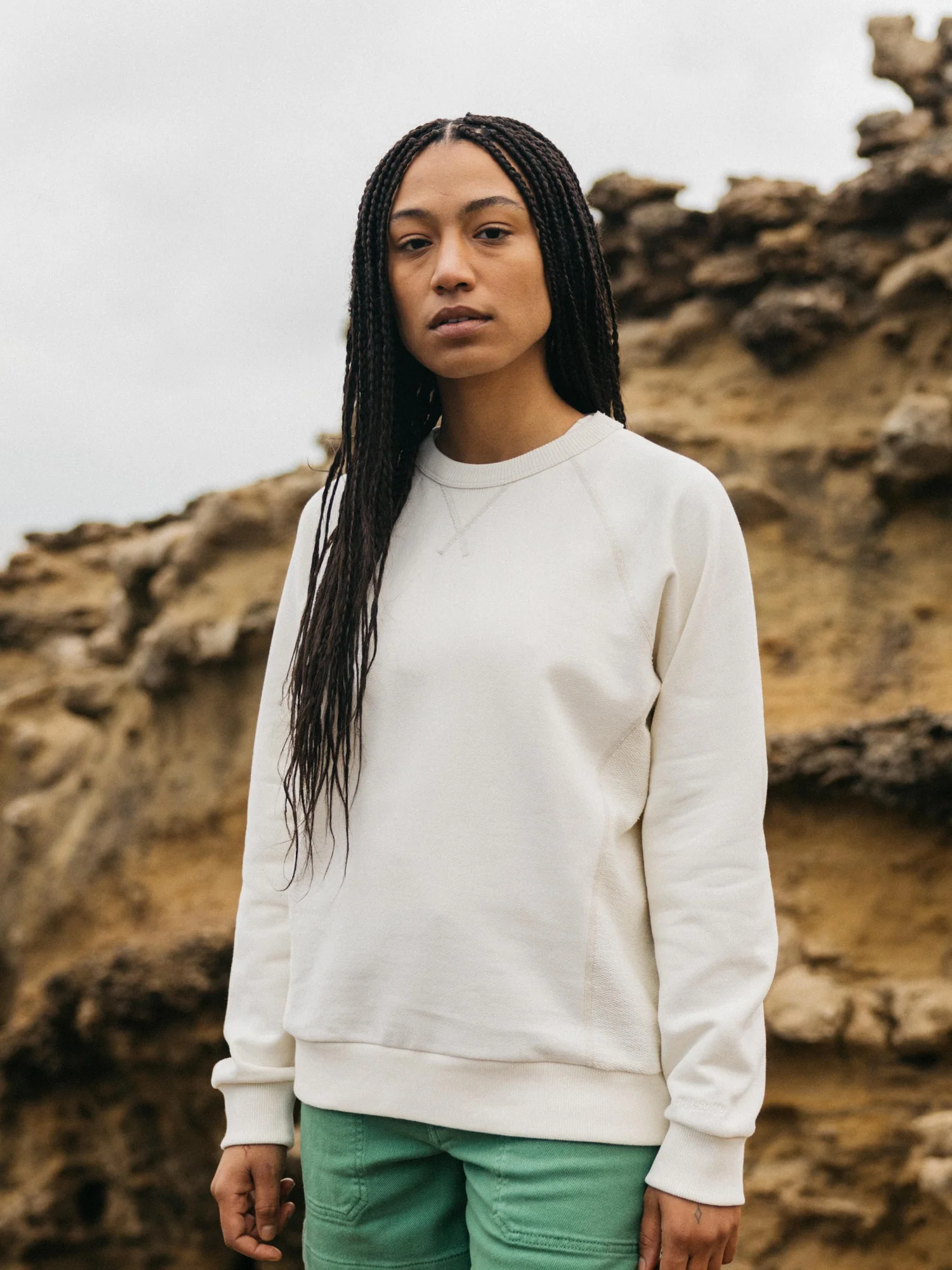
Finisterre combines organic cotton with merino wool, recycled wool, recycled polyester and ECONYL recycled nylon.
The organic cotton passes the plant-fibre test. Wool is animal fibre. Polyester and nylon remain synthetic even when recycled.
4. Patagonia
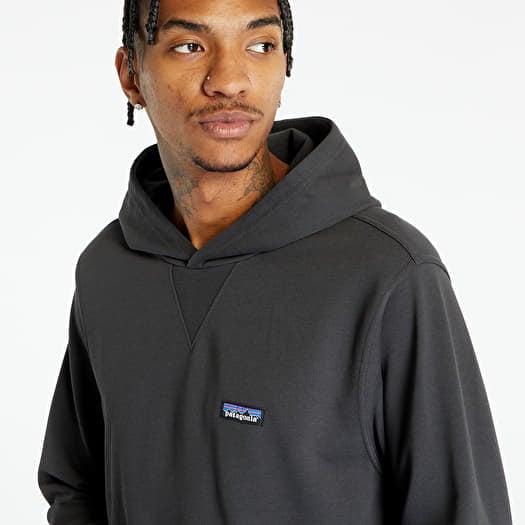
The current HTT record is not scored. It records 31.3% plant fibre across 48 styles.
Patagonia uses recycled polyester, nylon and spandex extensively. Its regenerative organic cotton pieces are the obvious exceptions and are the products I would prioritise if fibre composition is the main concern.
Repair, activism and recycled inputs are separate strengths. They should be credited separately rather than used to disguise what the garment itself contains.
5. Passenger
Passenger relies heavily on recycled polyester, polyester-elastane stretch fabric and recycled nylon, with cotton appearing in parts of the range.
Tree planting and outdoor positioning are separate from the composition question. Read the percentage label on the exact product.
6. Stella McCartney
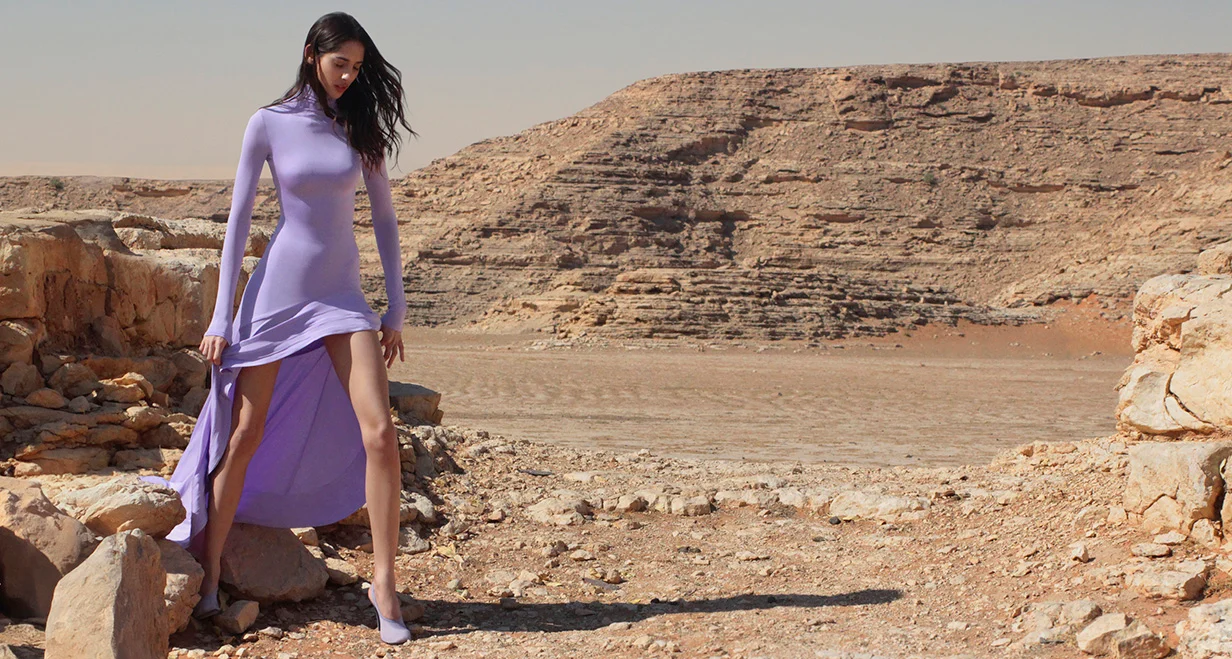
Stella McCartney’s no-leather and no-fur position is meaningful, but vegan does not automatically mean plant fibre.
The signature stretch cady combines viscose, acetate and elastane, while other parts of the range use wool and silk.
7. Story mfg

Current HTT record: 4/5 · 98.9% plant · 411 recorded styles.
Story mfg is the strongest fit in this list for the material standard being tested here. The current HTT record is overwhelmingly plant fibre, with 98.9% plant, 0.8% animal, 0% synthetic and 0.3% semi-synthetic in the recorded composition.
This is what a materially coherent sustainability story looks like: the composition itself supports the marketing.
8. Greater Goods
Greater Goods repurposes existing outdoor garments. That is useful circularity, but the original fibre remains the original fibre.
If the source fleece is polyester, the upcycled garment is still polyester. Until the composition is disclosed, it should not be presented as a confirmed pure plant-fibre result.
9. Camper
Camper is mainly a footwear brand. Its materials include recycled leather and synthetic alternatives, with organic cotton appearing in some apparel.
That is not enough evidence to call the clothing range a pure plant-fibre wardrobe.
10. Yes Friends
The current HTT record is not scored. It records 54.5% plant fibre across 82 styles.
The strongest Yes Friends products are the 100% Fairtrade organic-cotton tees, hoodies and sweatshirts.
The underwear introduces elastane, while parts of the denim range use biodegradable polyester. Those products no longer qualify as pure plant fibre under this test.
11. Arvor Life
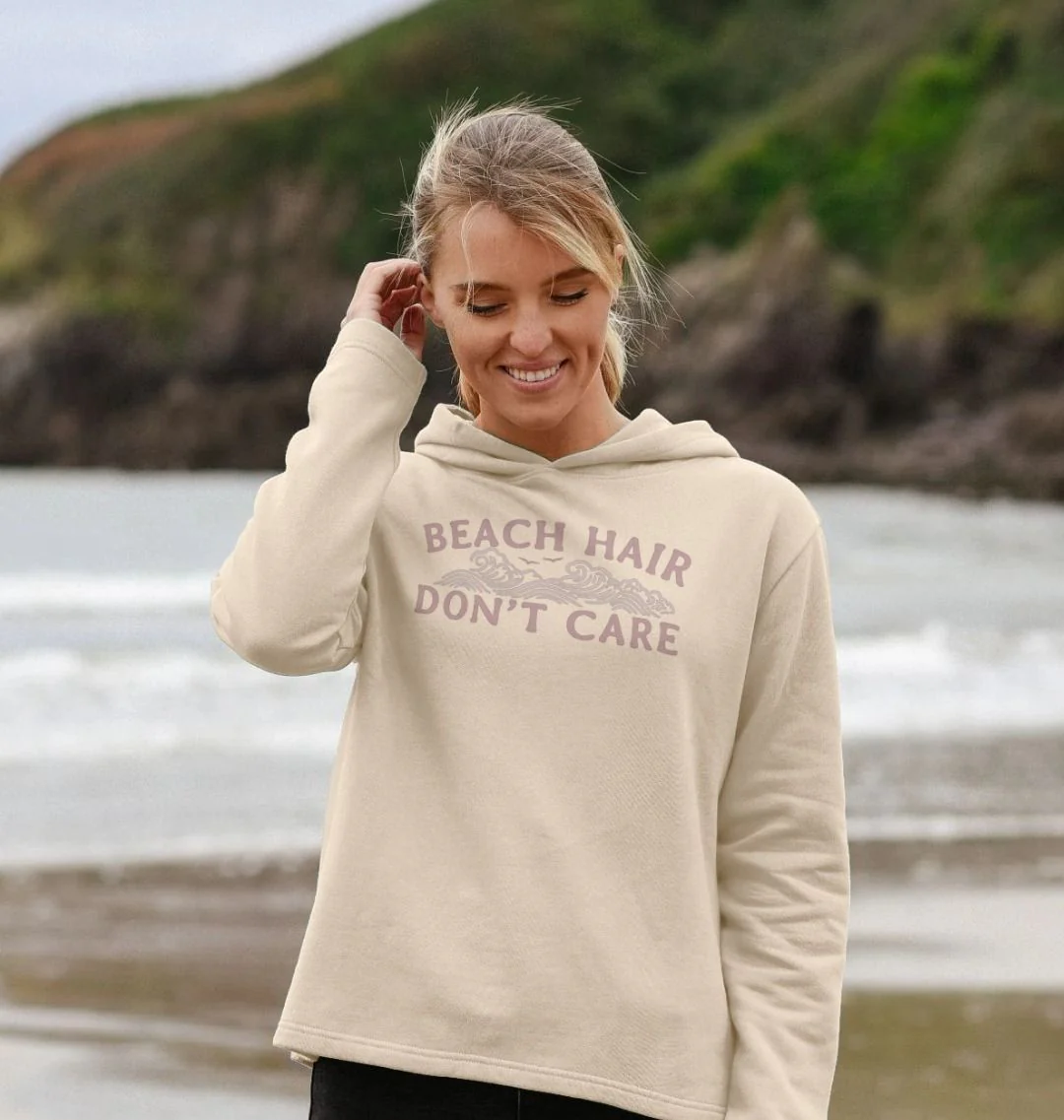
The tees are 100% organic cotton. The signature sweatshirts and hoodies are 85% organic cotton and 15% recycled polyester.
That makes the tee a straightforward plant-fibre buy and the hoodie a mixed synthetic blend.
Better examples of simple organic-cotton basics
If the goal is a simple fibre label rather than a broad sustainability claim, these are much easier to understand.
Oddobody
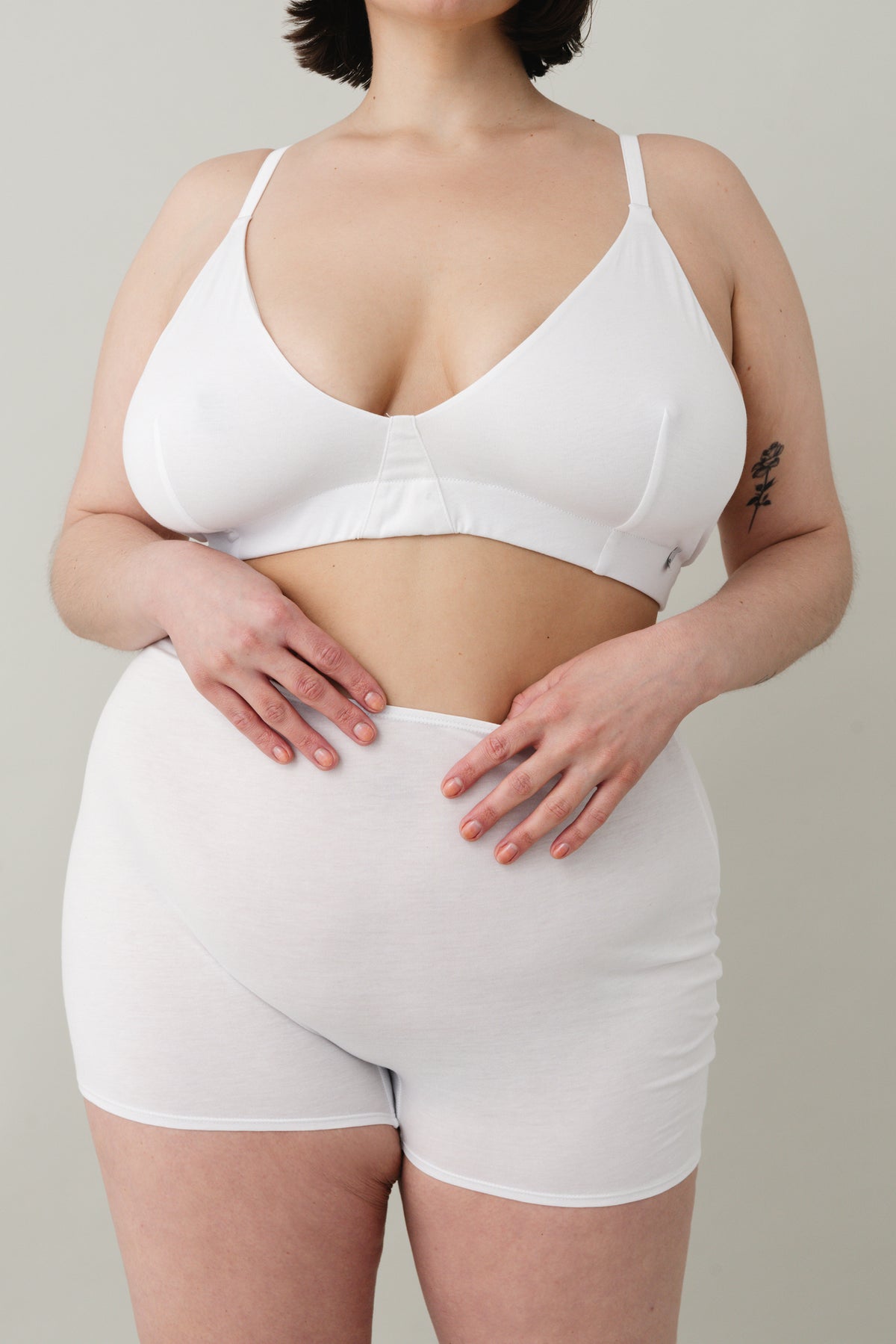
Oddobody makes organic-cotton basics and underwear with a deliberately simple material approach.
Read the full Oddobody report →
The Classic T-Shirt Company
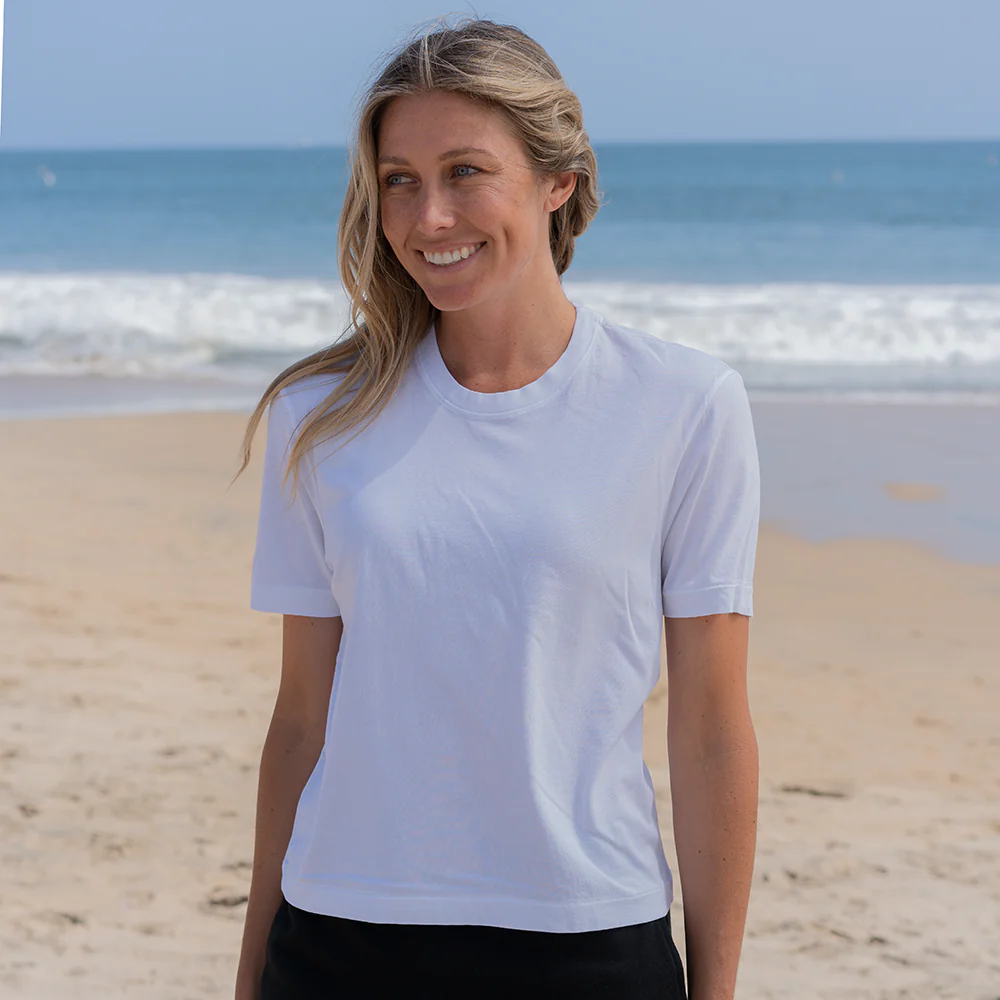
The current HTT record shows 100% plant fibre across the recorded range, with no synthetic fibre in the composition result.
Read the full Classic T-Shirt Company report →
How to read a clothing fibre label in 10 seconds
You do not need a chemistry degree. You need four habits.
- Read the percentage, not the adjective. “Eco”, “green” and “natural” are marketing language. The fibre percentages are the useful part.
- Learn the regenerated-fibre words. Viscose, rayon, modal, cupro and lyocell are processed cellulose fibres, not the same category as raw cotton, linen or hemp.
- Treat bamboo as a prompt to check the label. Soft bamboo clothing is commonly bamboo viscose.
- Check the exact garment, not just the brand. The same company can sell a 100% organic-cotton tee and a polyester-elastane legging.
Our clothing data reports record the actual fibre labels so you can check composition before buying.
What sustainable clothing means in this article
This article is not claiming that fibre composition is the only sustainability measure that matters. It isolates one question that gets blurred in broad sustainable-fashion lists: what is the garment physically made from?
- Plant fibre: cotton, linen and hemp.
- Processed cellulose: viscose, rayon, modal and lyocell are tracked separately.
- Animal fibre: wool, silk and cashmere do not count as plant fibre.
- Synthetic fibre: polyester, nylon and elastane do not count as plant fibre whether virgin or recycled.
Labour rights, dye chemistry, durability, repairability, emissions, water use and sourcing still matter. They are simply different questions.
The verdict on CleanHub’s sustainable clothing list
CleanHub’s list is useful if you want brands doing something positive across circularity, recycled inputs, conservation, repair or labour. It is much less useful if the reader interprets “sustainable clothing” as meaning the clothes themselves are made from straightforward natural plant fibre.
Story mfg is the clearest fit in the current HTT data, with a 4/5 score and 98.9% plant fibre across 411 recorded styles. Yes Friends and Arvor Life also contain genuinely straightforward organic-cotton products, but not every product line passes the same test.
Read the label first. Then decide which sustainability claims matter to you.
To check the evidence yourself, open the clothing data reports, or browse the linen, hemp, denim and regenerative cotton directories.