Harvest & Mill Clothing Brand Review Based on Data Analysis
What materials do Harvest & Mill use for their clothes?
Harvest & Mill make every garment from 100% organic cotton, and they grow that cotton in the USA.
The brand spins and knits all of its yarn in the USA, and it sews its own clothing in Oakland, Berkeley and San Francisco, all within 20 miles of its studio in Berkeley. That short supply chain is not a marketing line, it is the actual route the fibre takes.
Harvest & Mill describe their model as rebuilding supply chains based on ecological principles, and they call it “seed to stitch”.
The sentence on their own website that matters most is this one. Harvest & Mill state that they “can trace our materials all the way back to the organic cotton farms.”
Look out for that claim when you are doing your own research for ethical clothing brands, because farm level traceability is the single thing that separates real organic cotton from a certificate a brand bought.
Harvest & Mill Products Sustainability Review
Harvest & Mill last fiber scan: 13 June 2026
The best Harvest & Mill similar brands and alternatives
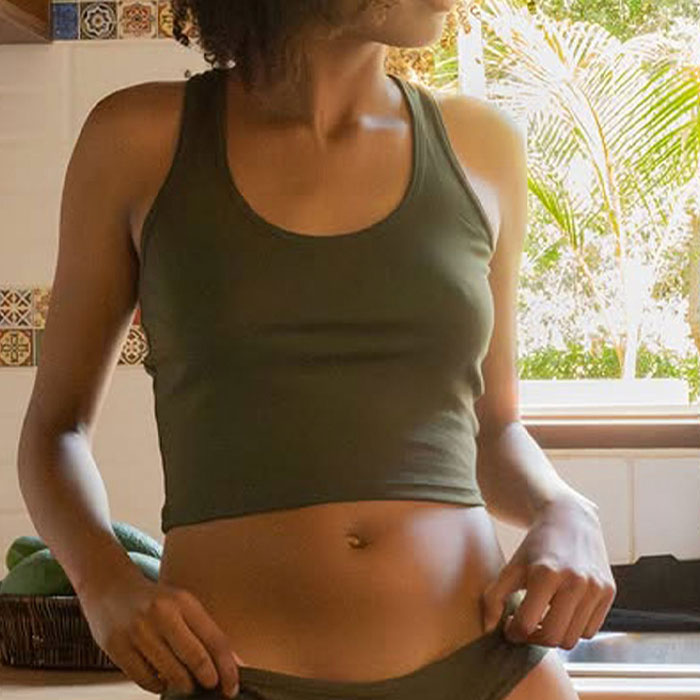
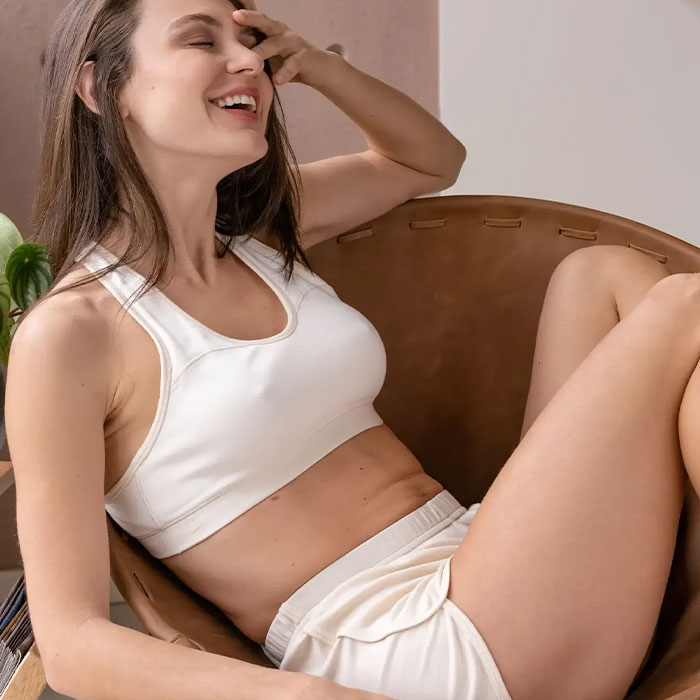
Best for organic cotton basics
Eco Aya
100% plastic-free clothing made from regenerative organic Pima cotton, with the entire supply chain based in a single origin: Peru.
No polyester, nylon, acrylic or elastane, so the fabric sheds zero micro- or nano-fibers.
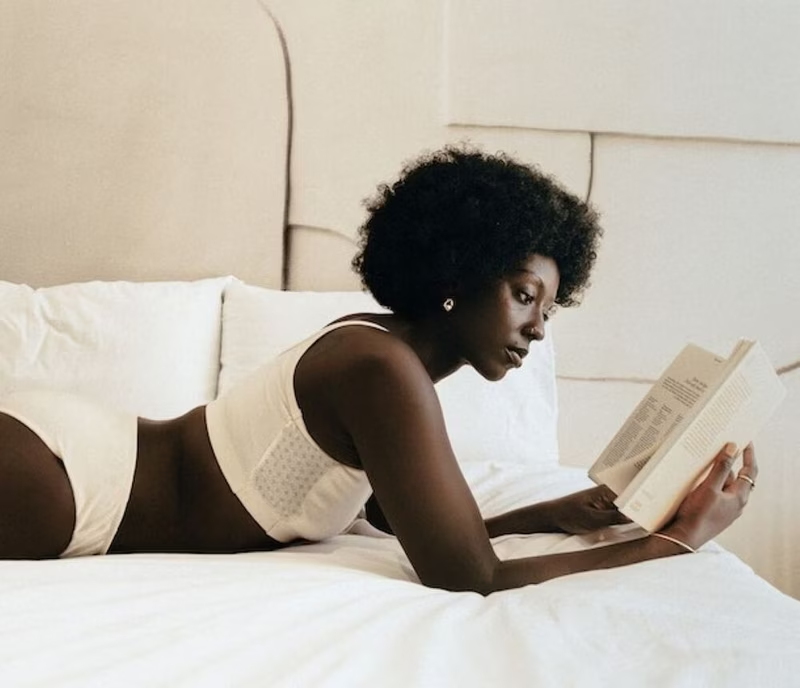
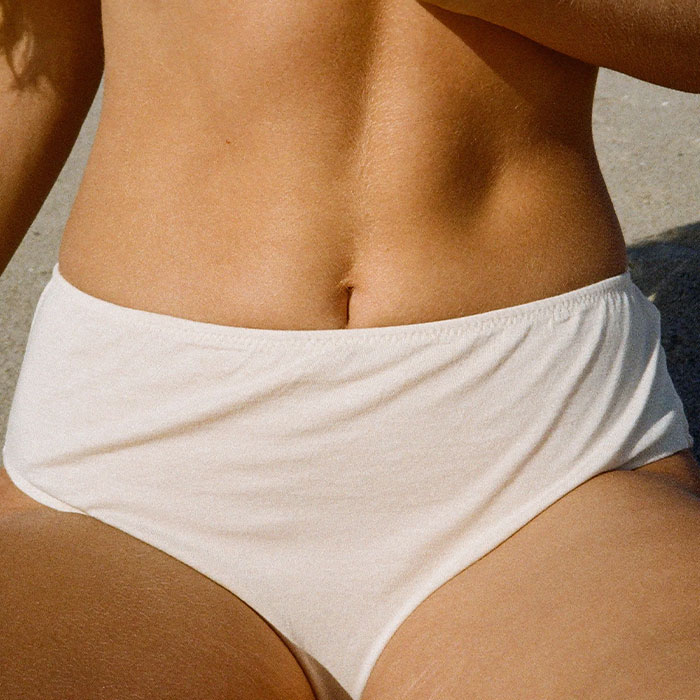

Best for compostable underwear
KENT
KENT sew the world’s first verified compostable underwear from 100% GOTS organic pima cotton, with no spandex anywhere, composting in 90 days.

Best for organic denim
Nudie Jeans
Nudie Jeans sew their core denim from organic cotton with a repair for life promise, the cleaner answer for jeans Harvest & Mill does not make.
What Harvest & Mill genuinely get right about ethical fashion
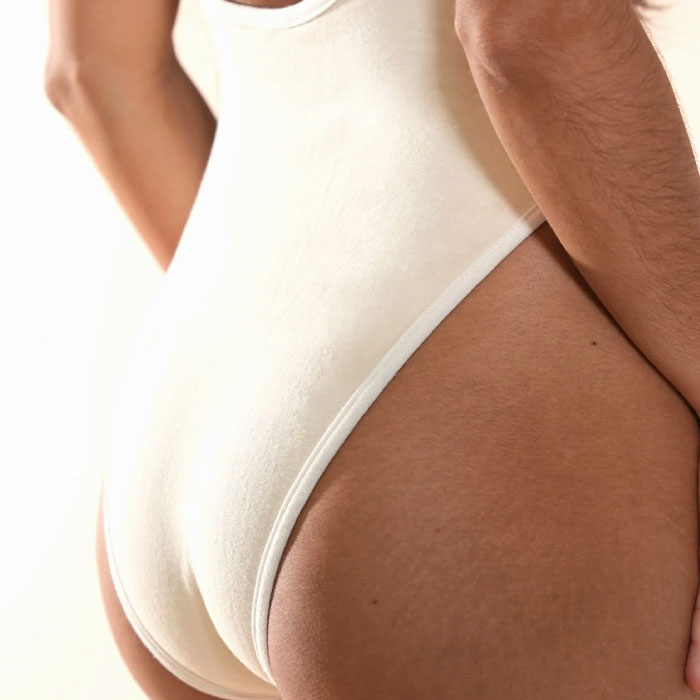
A Harvest & Mill outfit is 100% natural fibre, from head to toe
When you get dressed in Harvest & Mill, every layer is 100% organic cotton, with no plastic touching your body anywhere.
Say it is a casual day and you want something relaxed.
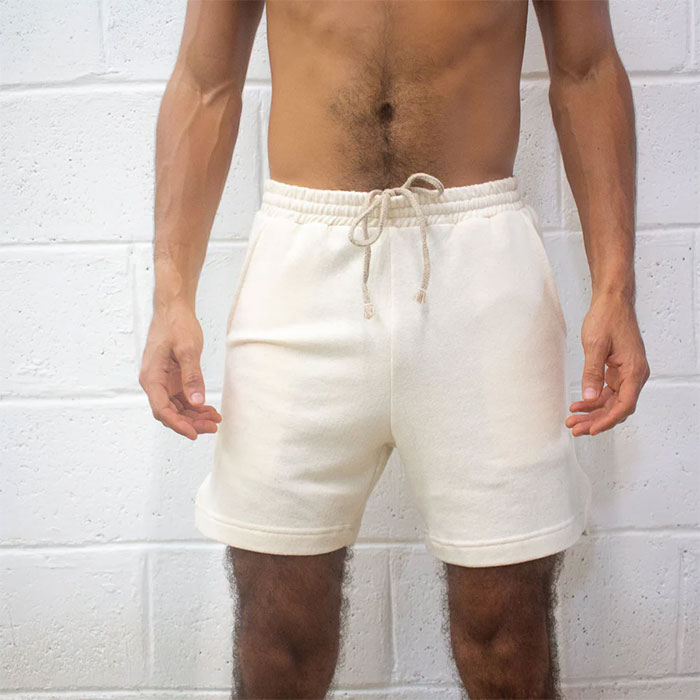
You wear their
both 100% organic cotton, undyed or naturally dyed.
You’ll notice that almost every other “sustainable” brand needs spandex to make a jogger hold its shape, and you can see exactly which ones in the clothing data hub. Harvest & Mill does not.
And every outfit you put together from Harvest & Mill is toxic free all the way. The underwear, the loungewear and the bedtime layers are 100% organic cotton too, for women and for men.
Synthetics and chemicals do not touch your skin or damage the environment. Instead, everything touching your skin is plant grown, non toxic and able to return to soil.
We have the data, that almost no brand on earth lets you write that sentence honestly, yet here you can see it being done.
Harvest & Mill versus the brands that fail the fibre test
Harvest & Mill is worth seeing next to a brand the same “best sustainable” lists rank, because the contrast is the whole point. Mate the Label is a Certified B Corp with a “plastic free” pillar in its marketing, and it still scanned at 42.2% not natural fibre, leaning on spandex, nylon and Tencel. Harvest & Mill makes no B Corp noise and quietly scans at 100% organic cotton. The badge described the company. The fibre scan described the clothes. They did not say the same thing.
You can see every brand side by side, the passes and the fails, on the clothing data hub, where the raw material breakdown for each brand sits in one place.
Why a plastic free wardrobe is a health choice, not just a green one
Polyester, nylon and elastane shed microfibres with every wear and every wash, and those fibres do not stay in the ocean. Scientists reported finding microplastics in human blood for the first time in 2022, published in the journal Environment International, and a University of New Mexico study later found microplastics in every human testicle it sampled.
You wear a t-shirt against your skin for sixteen hours a day, so a garment made of plastic is a garment shedding plastic into the closest contact it has, your body.
A Harvest & Mill garment is 100% organic cotton, so it has no plastic to shed. This is the difference that lifts a 100% organic cotton exclusive brand above the brands that blend.
What would make Harvest & Mill even more transparent about their sustainability
Improvements
Two changes would take Harvest & Mill from a strong pass to a pass nobody could argue with.
The first change is published farm level traceability. Harvest & Mill say they can trace their cotton back to the farm, and that is believable, but the words “we can trace it” are a claim, not a document a customer can check. This matters because the biggest scandal in the fibre industry happened when brands trusted organic certificates instead of the farmers behind them.
If Harvest & Mill published the farm names and the chain of custody, the customer could read the receipts instead of taking the organic claim on faith. Harvest & Mill already sit closer to this than almost any brand in the directory, so they should finish the job and put the paper trail online.
The second change is a published labour standard. Harvest & Mill sew their clothing locally in the Bay Area, and local California sewing carries real labour protections that overseas factories do not. Harvest & Mill do not, however, publish a code of conduct, a wage floor or a factory standard, whereas Mate the Label does publish one.
A brand this strong on fibre has earned the right to brag about its workers, so Harvest & Mill should name who sews the clothes, state what those workers are paid, and publish the labour standard for everyone to read.
Who owns Harvest & Mill, and do they practise what they preach?
Harvest & Mill is owned by Natalie Patricia and was started in 2012 and is run as a woman owned, vegan and PETA approved organic cotton brand based in Berkeley, California.
The brand started as a custom sewn clothing shop, and the brand built its whole model around USA grown organic cotton and a short, traceable supply chain.
The mission, in the brand’s own words, is to rebuild supply chains based on ecological principles, and unlike Mate the Label, who named “plastic free” as a core pillar and then sold a half synthetic range, Harvest & Mill actually does the thing it says.
In the brand’s own words, Harvest & Mill exists “to rebuild supply chains based on ecological and social good”, growing and sewing 100% organic cotton entirely within the USA.
We agrees with that statement, because for once the data matches the mission. A brand that says “rebuild local supply chains” and then sews within 20 miles of its own studio, from USA grown organic cotton, in plastic free packaging, is telling the truth. This is the opposite of Mate the Label naming “plastic free” as a pillar while half its range carries plastic. Harvest & Mill made the harder, quieter choice and the receipts back it.
Is Harvest & Mill legit?
Harvest & Mill is a legit brand, their data backs it and they are a rare brand whose fabric content matches their marketing across the whole catalogue.
The brand sells 100% organic cotton in every style, with no plastic, no synthetics and no chemically processed cellulose, grows and sews it in the USA, ships it in plastic free packaging, and certifies the range as vegan and PETA approved.
Want the receipts? Download the Harvest & Mill data sheet and browse every brand’s raw material data at our clothing data hub. Thanks for reading to the end, my loves. It takes real time to get to know a brand instead of trusting a badge, and you did it!