Bamboo Is The Biggest Red Flag In Sustainable Fashion, And Freedom Ecowear Will Tell You Why
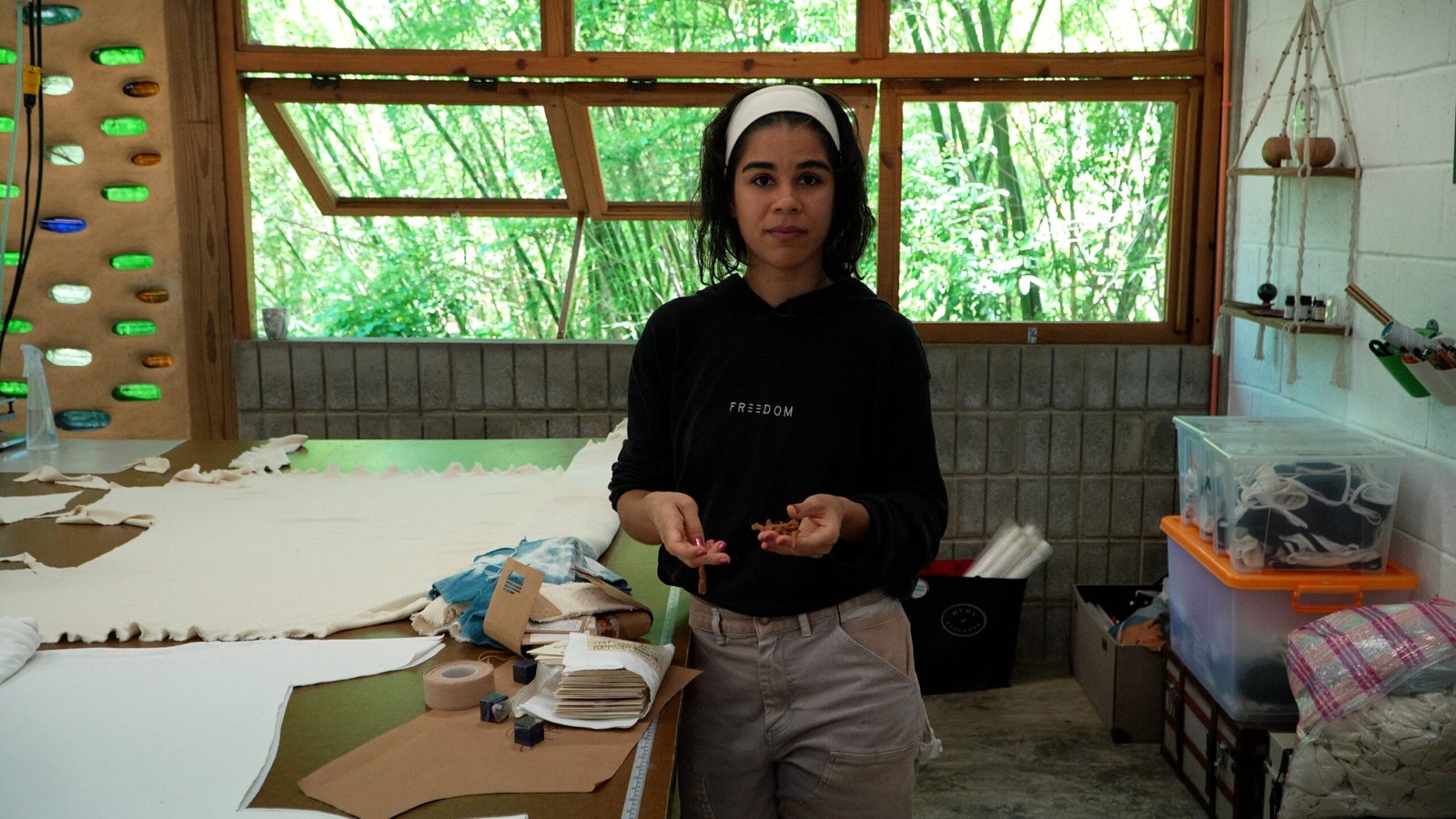
Bamboo is the biggest red flag in sustainable fashion, and a natural swimwear maker will tell you why. Bamboo is woody and tough, the stuff of mats and scaffolding, not thread. To turn it soft it has to be dissolved in carbon disulfide and rebuilt as viscose rayon, so bamboo viscose is not a natural fibre and not a natural process. Sitting in the workshop with Vivi Rufino and David, the couple who run Freedom Ecowear, Vivi names it as her number one greenwashing trap, plus the other red flags the two of them watch for.
Why Bamboo Fabric Is The Biggest Red Flag In Sustainable Fashion
The biggest greenwashing trap in clothing is not polyester. We were in the workshop, going through the red flags shoppers should learn to spot, when I asked Vivi for the first one that came to mind. She did not pause. “The first one that comes to mind is bamboo. For me, that’s the biggest red flag. There’s been such a hype about bamboo fibres, and people don’t get all the chemicals it takes to make bamboo.”
Why Soft Bamboo Viscose Cannot Be Sustainable On Its Own
Bamboo, for anyone who has not handled it, is woody and tough. That is why you see it as mats, scaffolding poles and whole houses, not as thread. It is a hard, lignified grass. It cannot be spun into a soft fibre the way cotton or linen can, where you strip the fibres out of the plant mechanically and they are already spinnable. Vivi makes the same point with a simple test. “So many people don’t really like linen or hemp because they’re tough to the touch, they’re not as soft as cotton,” she said. “So then think, how can bamboo be so soft? All the chemical process it has to go through to make it actually work.”
That is the gap the marketing hides. A tough, woody plant does not become a silky t shirt by being combed and spun. It becomes soft only by being chemically broken down and rebuilt. Compare it to the fibres Vivi actually uses. Cotton and linen are natural fibres because the soft thread you wear is the plant’s own fibre, separated out and spun, nothing dissolved. Bamboo viscose is not in that category, and saying it is, is the trick.
What Actually Happens To The Bamboo Plant To Make Bamboo Fabric
Here is the real mechanism, plainly. To turn woody bamboo into something soft, the cellulose is dissolved in sodium hydroxide and then carbon disulfide, a toxic solvent, into a thick orange goo. That goo is forced through fine holes into an acid bath, where it hardens into filaments of rayon. The fibre that comes out is regenerated cellulose, a chemically reconstructed material. As the FTC puts it, no trace of the original bamboo plant remains in the finished textile.
The Other Sustainable Fashion Red Flags Freedom Ecowear Watch For
Bamboo is the headline, but Vivi and David named more. David’s first is lack of transparency. “What do you have to hide?” he said. “Why don’t you break down your garment? What is it made of? What’s the percentage? Why don’t you show us where the pieces are being made, the faces of the people? These are things that as consumers we should be asking the brands we give our money to.”
Vivi’s other big one is scale itself. “Mass producing garments for me is another big red flag, because we don’t need more, we need better.” And the performance of green on social media. “Using social media to portray yourself as taking care of the planet, when actually if you go to the factory it’s nothing like what they’re doing.” Those are the same red flags that put Zara, Shein and Gymshark on her list.
The Sustainable Shopping Habit Worth Keeping When You Read A Fabric Label
Bamboo is the perfect trap because it sounds so obviously green. A fast growing grass, no pesticides, what could be wrong. Everything is in the one word the label keeps quiet, rayon. The plant is real. The fabric is a heavily processed chemical product wearing the plant’s name.
So the takeaway is a reflex, not a boycott. When a fabric feels too soft for the plant it claims to come from, ask what it was dissolved in to get there. Look for “rayon” or “viscose” hiding behind “bamboo”. Ask for the breakdown, the percentages, the faces. The brands with nothing to hide will show you all of it, the way Vivi does. Our sustainable clothing guide lists the fibres that actually hold up.

-12% Off Exclusive Discount On Sustainable Swimwear
Freedom Ecowear have given us a discount of -12% off to share with our website visitors. Use the link to claim your discount.
-15% off Eco Friendly Washing | Kind Laundry
You switched to plant-fibre clothing, now wash it in something just as clean. Kind Laundry’s plastic-free, plant-based strips skip the synthetic detergents and plastic jugs, and you get 15% off.