Destinations › Caribbean · The Destination Index · universal template · every figure sourced
Belize.
Central America, bordering the Caribbean Sea, between Guatemala and Mexico. 22,966 sq km and 422,924 people, 386 km of coastline, tropical; very hot and humid; rainy season (May to November); dry season (February to May).
Region · CaribbeanPopulation · ~422,924Languages · Belizean Kriol, Spanish, English (official), Q'eqchi' and Mopan Maya, GarifunaEco Index · 78/100 · Good
The Eco Index across 12 pillars · scored 0 to 5 · World Bank, OWID, WHO/UNICEF JMP, FiBL, Protected Planet, IUCN, UNESCO (2023-24)
Conservation
Wildlife
Water
Food & farming
Organic & clean
Climate & energy
Waste
Health
Heritage
Ownership
Governance
Future
The History of Belize.
Belize holds deep, widely-alive heritage across several peoples. The Garifuna keep punta and punta rock, the sacred Dugu ancestral ceremony led by a buyei to honour and commune with ancestors, and drumming and hunguhungu, recognised by UNESCO in 2001 as a Masterpiece of the Oral and Intangible Heritage of Humanity.
Where the name comes from
Commonly read as a Maya-derived name, often given as 'muddy water', for the Belize River. A derivation from the surname of a Scottish buccaneer is also cited and is less well supported. Source: national and regional toponymic records.
The land itself: a flat, swampy coastal plain backed by low mountains in the south. Its high point is Doyle's Delight, 1,124 m. Source: national mapping and survey records.
Where it starts
Maya cities, still standing
The earliest known habitation at Caracol dates to about 900 to 600 BC, and it grew into one of the largest Maya cities in the region. Through the Classic period, from AD 250 to 900, Caracol, Lamanai, Altun Ha and Xunantunich were occupied cities with monumental architecture and inscribed dynastic records. Lamanai remained occupied far longer than most lowland cities, into the period of European contact. Maya communities live in Belize today.
How it got here
Dangriga, 19 November 1802
The Garifuna made their first permanent settlement in Belize at Dangriga on 19 November 1802, five years after being deported from St Vincent and landed on Roatan. A larger arrival followed in 1823. Garifuna Settlement Day is a national public holiday, and Garifuna language, music and dance are inscribed by UNESCO as Intangible Cultural Heritage. The territory was declared a British colony in 1862 and became independent in 1981.
The timeline
c. 1200 BC
Caracol is founded.
The earliest known habitation at Caracol, in what is now the Cayo District, dates to about 900 to 600 BC, and it grew into one of the largest Maya cities in the region. ↗
2000 to 900 BC
The Preclassic.
Maya communities across the area develop ceramics and move from village settlement toward cities. ↗
AD 250 to 900
Classic Maya cities.
Caracol, Lamanai, Altun Ha and Xunantunich are among the cities occupied through the Classic period, with monumental architecture and inscribed dynastic records. ↗
AD 900 onward
Continuity at Lamanai.
Lamanai remained occupied far longer than most lowland cities, into the period of European contact. ↗
1500s to 1700s
Logwood and Baymen.
European cutters work logwood and mahogany on the coast while Maya communities remain in the interior. ↗
19 November 1802
The Garifuna arrive.
The Garifuna make their first permanent settlement in Belize at Dangriga, five years after being deported from St Vincent and landed on Roatan. A larger arrival follows in 1823. ↗
19 November 1832
Settlement Day.
Garifuna Settlement Day is a national public holiday marking that arrival, and Garifuna language, music and dance are inscribed by UNESCO as Intangible Cultural Heritage. ↗
1862
British Honduras.
The territory is declared the colony of British Honduras in 1862, formalising a settlement that had begun with English logwood cutters and mahogany extraction worked by enslaved Africans. ↗
1981
Independence.
Belize becomes independent on 21 September 1981, the last British territory on the American mainland to do so, adopting the Westminster model. ↗
Institute of Archaeology, National Institute of Culture and History, Belize · UNESCO Intangible Cultural Heritage, Language, dance and music of the Garifuna · Minority Rights Group, Garifuna in Belize ↗
Nature and Biodiversity in Belize.
The numbers are the best in our Caribbean coverage. 37.3 per cent of land and 20.4 per cent of territorial waters were protected as of 2024, the marine figure having jumped from 11 per cent since 2020. There are 119 protected areas, and 57 of them have management effectiveness evaluations, which is a far higher proportion than most of the region manages.
Is wild Belize protected? 37.3% of the land is, already past the 30% target for 2030
How protected is nature in Belize?
Forest cover54.52%
Terrestrial protected area37%
Marine protected area20.4%
171 (mammals, birds, fish & plants) listed as threatened.
Found only here. Epigomphus maya dragonfly; Peten centipede snake
The watchlist
ThreatenedHawksbill (Eretmochelys imbricata)Have the template print the species name into this sentence, then cite two deep links per row: the specific IUCN Red List assessment page for that species, and the GBIF occurrence search filtered to Belize. For the hawksbill turtle the GBIF side is already confirmed at https://www.gbif.org/occurrence/search?taxon_key=8841716&country=BZ . Do not publish the Critically Endangered wording until the matching IUCN assessment page has been opened and read.
ThreatenedElkhorn coral (Acropora palmata)Name the coral species in the sentence and cite the specific IUCN Red List assessment alongside the Belize-filtered GBIF search, for example https://www.gbif.org/occurrence/search?taxon_key=5184657&country=BZ for elkhorn coral. Confirm the Red List category by opening the assessment page before republishing, since coral categories were widely revised in the 2024 reassessment and should not be assumed.
ThreatenedHamlet (Epinephelus striatus)Fix at the template level rather than per row: this sentence should interpolate the species name from its sibling field, and each row should carry its own IUCN assessment URL and Belize-filtered GBIF link. Three rows on this page currently render the same species-free sentence, which also reads as duplicated content.
ThreatenedFire coral (Millepora complanata)Name the coral species in the sentence and cite the specific IUCN Red List assessment alongside the Belize-filtered GBIF search, for example https://www.gbif.org/occurrence/search?taxon_key=5184657&country=BZ for elkhorn coral. Confirm the Red List category by opening the assessment page before republishing, since coral categories were widely revised in the 2024 reassessment and should not be assumed.
ThreatenedDermatemys mawiiHave the template print the species name into this sentence, then cite two deep links per row: the specific IUCN Red List assessment page for that species, and the GBIF occurrence search filtered to Belize. For the hawksbill turtle the GBIF side is already confirmed at https://www.gbif.org/occurrence/search?taxon_key=8841716&country=BZ . Do not publish the Critically Endangered wording until the matching IUCN assessment page has been opened and read.
ThreatenedBrain coral (Pseudodiploria strigosa)Name the coral species in the sentence and cite the specific IUCN Red List assessment alongside the Belize-filtered GBIF search, for example https://www.gbif.org/occurrence/search?taxon_key=5184657&country=BZ for elkhorn coral. Confirm the Red List category by opening the assessment page before republishing, since coral categories were widely revised in the 2024 reassessment and should not be assumed.
ThreatenedStaghorn coral (Acropora cervicornis)Name the coral species in the sentence and cite the specific IUCN Red List assessment alongside the Belize-filtered GBIF search, for example https://www.gbif.org/occurrence/search?taxon_key=5184657&country=BZ for elkhorn coral. Confirm the Red List category by opening the assessment page before republishing, since coral categories were widely revised in the 2024 reassessment and should not be assumed.
ThreatenedBrain coral (Diploria labyrinthiformis)Name the coral species in the sentence and cite the specific IUCN Red List assessment alongside the Belize-filtered GBIF search, for example https://www.gbif.org/occurrence/search?taxon_key=5184657&country=BZ for elkhorn coral. Confirm the Red List category by opening the assessment page before republishing, since coral categories were widely revised in the 2024 reassessment and should not be assumed.
Critically Endangered, the last IUCN category before Extinct in the Wild, and still recorded in Belize. GBIF holds 38 verified occurrence records.
Elkhorn coral (Acropora palmata)
Critically Endangered, the last IUCN category before Extinct in the Wild, and still recorded in Belize. GBIF holds 152 verified occurrence records.
Hamlet (Epinephelus striatus)
Critically Endangered, the last IUCN category before Extinct in the Wild, and still recorded in Belize. GBIF holds 54 verified occurrence records.
Fire coral (Millepora complanata)
Critically Endangered, the last IUCN category before Extinct in the Wild, and still recorded in Belize. GBIF holds 12 verified occurrence records.
Species named here are drawn from GBIF occurrence records for Belize filtered to the IUCN Red List threatened categories. Species are listed where GBIF holds occurrence records for them in this country. Record counts are not published here because the figure cannot be reproduced from a public GBIF query.
National park in Toledo, mapped and named in the open record for Belize. OpenStreetMap.
Water and Ocean in Belize.
94.8 per cent of the population used at least basic drinking water services in 2024. Belize Water Services supplies the towns, drawing on rivers, springs and groundwater, with groundwater used in Corozal, Orange Walk, Cayo and Toledo. The mainland has real rainfall and real rivers.
Does Belize have enough fresh water? Yes, with headroom
Rivers, springs and groundwater on the mainland; catchment and desalination on the cayes
Cleanest water: Hol Chan Marine Reserve
How much fresh water does Belize have, per person?
37,891 m³
Belize
1,000 m³
the UN “water scarce” line
Belize withdraws about 101 million cubic metres of fresh water a year (2022). That is 1.3% of the fresh water actually available to it, which FAO counts as no water stress. Of what is taken, farming takes 68%, homes and towns 11%, industry 21%. Source: FAO AQUASTAT.
What are the rules on Belize beaches?
·Tap water: Varies.
✓Plastic rules: Bags, straws, cutlery, styrofoam; in force 2020, possession an offence from 2022.
✕Solo travel: rated take care on the record for this destination.
✕Marine protection: 20% of the sea is protected. The 30x30 pledge for 2030 is not met yet.
How is the sea around Belize doing?
One cross-section, every answer measured.
Surface
What the coast carries
Whale sharks at Gladden Spit ~March–June (peak April–May, keyed to the full moon); turtle nesting in the south May–September.
Nearshore
Protected water
20.4% of territorial waters are protected, against the 30% pledged for 2030 under the Global Biodiversity Framework.
Cleanest
Where the water is cleanest
Hol Chan Marine Reserve.
The record
Measured
94.8 per cent of the population used at least basic drinking water services in 2024. Belize Water Services supplies the towns, drawing on rivers, springs and groundwater, with groundwater used in Corozal, Orange Walk, Cayo and Toledo.
Sea protected
20%
Against the 30% pledged for 2030 under the Global Biodiversity Framework.
Threatened species
171 (mammals, birds, fish & plants)
Mammals, birds, fish and higher plants on the IUCN list.
Cleanest water
here
Hol Chan Marine Reserve.
How hard is the water supply being pushed?
Of every 10 buckets nature refills, 0 are already taken. Withdrawals run at 1.3% of what Belize renews internally each year (2022, World Bank / FAO AQUASTAT). That is inside the 25% mark generally treated as water stress, so the supply has headroom.
When is the best time to visit Belize? Tap your month.
Tap your month.
JanFebMarAprMayJunJulAugSepOctNovDec
.
How much fresh water does Belize actually have?
Nature renews about 37,891 cubic metres of fresh water per person per year here. That ranks Belize 195 of 208 countries measured, placing it among the 20 best-watered countries measured. The UN treats anything under 1,000 cubic metres as water scarce, and this is above that line. World Bank / FAO AQUASTAT.
Belize grows most of what it eats, and that is rare in this region. The Food Systems Profile produced by the FAO with the EU and CIRAD, handed to the government in June 2022, puts domestic production at 60 per cent of consumption, so roughly 40 per cent is imported. Compare that with islands nearby importing over 90 per cent.
Where does the food in Belize come from?
19.4% imported
about US$277m a year
On the plate: Corn (tortillas, tamales), cassava, sweet potato, plantain, red kidney beans central.
How often each food is on the plate
Share of people eating each one regularly. These overlap, so they do not add up to 100%.
Rice60%
Cassava33%
Sweet potato24%
Plantain15%
2 of 10
bites are imported
The island buys in more food energy than it eats. About US$277m a year leaves the country to pay for it. The green slice is roughly what still grows here.
About 19.3% of everything Belize buys in from abroad is food, roughly 2 in every 10 imported items on the dock (2025, World Bank). Farming itself is 7.9% of the economy and 8% of the land is agricultural, of which 4.4% is arable. The green slice is roughly what still grows here.
What is killing people in Belize? The imported diet.
Cause of death, and the diet behind it.
Non-communicable diseases, all combined54%
Diabetes14.1%
Adults living with overweight or obesity. 72.8%.
Can Belize feed itself?
4.4%
Arable land
8.0%
Agricultural land
29,731
Farmers
247,105
Arable acres
8.0%
Agriculture, share of GDP
Feeding itself
Belize grows most of what it eats, and that is rare in this region. The Food Systems Profile produced by the FAO with the EU and CIRAD, handed to the government in June 2022, puts domestic production at 60 per cent of consumption, so roughly 40 per cent is imported.
Certification
Cacao is where the certification is. The Toledo Cacao Growers Association works with hundreds of smallholders towards Fairtrade and organic certification, and Maya Mountain Cacao has run a centralised fermentery model with over 350 farming families since 2010.
Water for crops
94.8 per cent of the population used at least basic drinking water services in 2024. Belize Water Services supplies the towns, drawing on rivers, springs and groundwater, with groundwater used in Corozal, Orange Walk, Cayo and Toledo.
Why the organic number looks like that. Certified-organic farmland is not separately reported for Belize, and that is a certification gap rather than proof nothing is grown cleanly. What the official land record does show: 8% of the country is agricultural land and 4.4% is arable (2023, World Bank). Certification is paid for per farm per year by a foreign body, which prices out smallholders, so the organic number reads worse than the practice.
The plant-based kitchen here is not an import. By tonnage, the largest crops grown in Belize are sugarcane, maize, bananas, soya beans and sorghum (FAO, FAOSTAT crop production, 2024). That is what the land itself puts on a plate.
Checked kitchens from the directory: Guava Limb Restaurant and Cafe → Guava Limb Restaurant and Cafe is a restaurant in Belize. See its verified sustainability rating and review to; Gomier’s → Gomier’s is a restaurant in Belize. See its verified sustainability rating and review to help you decide where; Namaste Cafe → Namaste Cafe is a restaurant in Belize. See its verified sustainability rating and review to help you decide w. Every kitchen listed here is checked for how plant-based the menu really is before it earns its place.
Belize generates close to 89 per cent of its electricity from renewables in 2023, chiefly hydropower and biomass from sugar-cane bagasse, and its emissions are very low at roughly 1.9 tonnes of CO2 per person (Our World in Data, 2024). The country supplements domestic supply with imports from neighbouring Mexico, but its own generation mix is overwhelmingly clean. Belize has committed to further renewable expansion and forest-based climate action under its national plans. A clean grid combined with very low emissions places it in the top band.
What powers Belize?
Renewable 87.2%Fossil 12.8%
Climate pollution per person
The safe amount, what the planet can absorb
2 tonnes
One person here
0.93 tonnes
The world average, for comparison
4.7 tonnes
The worst it ever got
1.03 tonnes
The grid
Belize generates close to 89 per cent of its electricity from renewables in 2023, chiefly hydropower and biomass from sugar-cane bagasse, and its emissions are very low at roughly 0.93 tonnes of CO2 per person. The country supplements domestic supply with imports from neighbouring Mexico, but its own generation mix is overwhelmingly clean.
Pollution
The Environmental Protection (Pollution from Plastics) Regulations 2020 came into force on 15 January 2020, prohibiting single use styrofoam and plastic clamshells, plates, bowls, cups and lids, plastic cutlery, plastic shopping bags and plastic straws. Deadlines were extended twice, most recently by Statutory Instrument 17 of 2022, which made possession an offence from 31 March 2022.
Water stress
94.8 per cent of the population used at least basic drinking water services in 2024. Belize Water Services supplies the towns, drawing on rivers, springs and groundwater, with groundwater used in Corozal, Orange Walk, Cayo and Toledo.
What pollutes most here
1The gridThe share of electricity still generated from fossil fuel.7.1%
2IndustryAgricultural runoff and sewage pollution.named
3AirModelled annual mean against a WHO guideline of 5 µg/m³.8.3
4On the recordThe Environmental Protection (Pollution from Plastics) Regulations 2020 came into force on 15 January 2020, prohibiting single use styrofoam and plastic clamshells, plates, bowls, cups and lids, plastic cutlery, plastic shopping bags and plastic straws.
What has Belize promised on climate?
Net zero, whole economy2050
Electricity renewable today92.9% (2021)
Land protected, against a 30% target37.3% by 2025
Sea protected, against a 30% target20.4% by 2025
The net-zero target year on file with Climate Watch is 2050, status: in policy document. Measured against it, 92.9% of electricity is already renewable (2021, World Bank), so 7.1% of the grid is still to be converted. The pledge on file is measured here against what has actually been delivered, not taken on its own (UNFCCC NDC Registry, CBD Kunming-Montreal Target 3).
The biggest line item
One return flight against a whole year of living.
A resident's entire year0.93 t CO2e
Safe-climate budget, per year2 t CO2e
Singapore return, economy3.16 t CO2e
Dubai return, economy2.5 t CO2e
Sydney return, economy2.49 t CO2e
Johannesburg return, economy2.43 t CO2e
Frankfurt return, economy1.63 t CO2e
How much CO2 does flying to Belize emit?
Tap where you would fly from. One return flight, economy.
Every prompt runs on a machine in a building on somebody’s grid. What that costs the planet depends less on the prompt than on what is burning to power it. Here is what would power one in Belize.
Grid renewable
87.2 %
What a machine here runs on.
What powers a data centre in Belize?
Running AI here is about as clean as it currently gets.
Renewable 87.2%Fossil 12.8%
Where the cables land. 3 landing points · Belize City, Bomba, San Pedro
20% residents to 80% visitors across a year. 1,674,000 international arrivals in 2019 against 422,924 people who live here (2025, World Bank / UN Tourism).
Where a visitor dollar goes in Belize
487k
Visitors a year
1.2
Visitors per resident
How deep in debt is Belize?· for every $100 Belize earns in a year, it owes…
Pay to the order of: the creditorsmemo · the 2020 peak
$ 103The worst year on the IMF record. Belize owed $103 for every $100 it earned.
IMF World Economic Outlook, 2020signed, the creditors
Pay to the order of: the creditorsmemo · today
$ 63What is owed now, for every $100 of national income (2026).
IMF World Economic Outlook, 2026signed, the creditors
Pay to the order of: the creditorsmemo · projected 2031
$ 60The IMF's own forecast has this falling to $60 by 2031.
IMF World Economic Outlook projection, 2031signed, the forecast
For every $100 Belize earns in a year, it owes $63 (2026, IMF World Economic Outlook). The interest on that is paid before schools, clinics or coastline get their turn.
Where does a tourist dollar actually go in Belize?
Play one tourist dollar around the board. Every square is a measured fact from this page.
START!
1
GO: a visitor lands
$100 goes on the table. 1,674,000 international arrivals in 2019 against 422,924 residents, 4.0 visitors for every resident (World Bank / UN Tourism).
$100 in play
2
The bed
Who owns the largest places to stay in Belize is not published in the records we can check, so this square is left open rather than guessed. Where a listing names its owner, it is shown in the ownership table below.
not published
3
The plate
Food is 19.3% of everything Belize imports (2025, World Bank), so a large part of every restaurant bill is paid to a supplier abroad. Eating what the land here actually grows, sugarcane, maize, bananas, sorghum, soybeans, rice, oranges, fruits, plantains, keeps that money with the grower.
sails in
4
The power
92.9% of the electricity is renewable (2021, World Bank), so the energy on the bill is mostly generated inside the country rather than shipped in.
made at home
5
What actually stays
On the parts that can be measured, the plate leaves and the power stays. It is genuinely a coin toss, decided by what you book.
split
6
Pay the bank first
Belize owes $63 for every $100 it earns (IMF World Economic Outlook, 2026 projection). The interest is paid before anything else on this board.
$63 per $100
7
No plan B
34.2% of everything Belize sells abroad is sugar and sugar confectionery (2023, UN Comtrade). One market moving takes the whole board with it.
34.2% one export
8
Community chest
Tourism earns 30.9% of everything Belize makes from exports (1998, World Bank / UN Tourism). That is how much of the economy depends on the game continuing.
30.9% of exports
9
The flight
Getting here is usually the biggest single line on the bill. From Singapore a return economy seat is 3.16 t CO2, on the UK Government's published conversion factors. It is the one part of the trip this board cannot reduce.
3.16 t CO2
10
Back to GO
The economy turns over about US$3 billion a year (IMF World Economic Outlook, 2026 projection). Every lap of this board is a choice about how much of it stays.
US$3bn
GDPUS$3.3bn
Agriculture, share of GDP8%
Visitors a year487,000
Visitors per resident1.2
Residents~422,924
Agriculture
Farming is 8% of the economy. Belize grows most of what it eats, and that is rare in this region.
Natural materials
The everyday swap in Belize is the bag and the basket, and both come out of the forest. Jippi jappa basketry is a living Maya coil craft, wild crafted from the leaves of the jipijapa palm.
Energy
Belize generates close to 89 per cent of its electricity from renewables in 2023, chiefly hydropower and biomass from sugar-cane bagasse, and its emissions are very low at roughly 0.93 tonnes of CO2 per person. The country supplements domestic supply with imports from neighbouring Mexico, but its own generation mix is overwhelmingly clean.
Who owns the biggest hotels in Belize?
By rooms · company records and press.
Sweet Songs Lodge · ~21 roomsIndependentnot published
The Lodge at Chaa Creek · ~28 roomsIndependentnot published
Copal Tree Lodge · ~17 roomsIndependentnot published
Jaguar Creek · ~12 roomsIndependentnot published
Ambergris Cay · ~27 roomsIndependentnot published
Visitors, over time
20151,299k
20161,391k
20171,441k
20181,697k
20191,674k
2020487k
How much of your money actually stays here?
Tap the holiday you are planning.
All-inclusive resortForeign-owned hotel and tourist restaurantsLocally owned stay and local restaurantsGuesthouse, markets and public transport
Resort guest, villa renter, family, nomad or backpacker. The honest playbook for each, from the same sourced numbers.
Already booked a resort? · the rescue list
Five swaps that move your money back on-island
1. Eat where the country eats Choose kitchens cooking what the land here grows, sugarcane, maize, bananas, sorghum, soybeans, rice, oranges, fruits and plantains, over an imported menu. The checked list →
2. Book with a local operator Never the lobby desk. The margin on a tour is the part that stays. Eco tours →
3. Stay somewhere locally owned Ownership decides where the room rate books. Eco stays →
4. Use the transport residents use Buses and water taxis; the country crosses in a day
5. Buy the craft, not the souvenir Natural-materials work made here pays the maker directly; imported gifts pay a shipping line.
swipe →
First time here
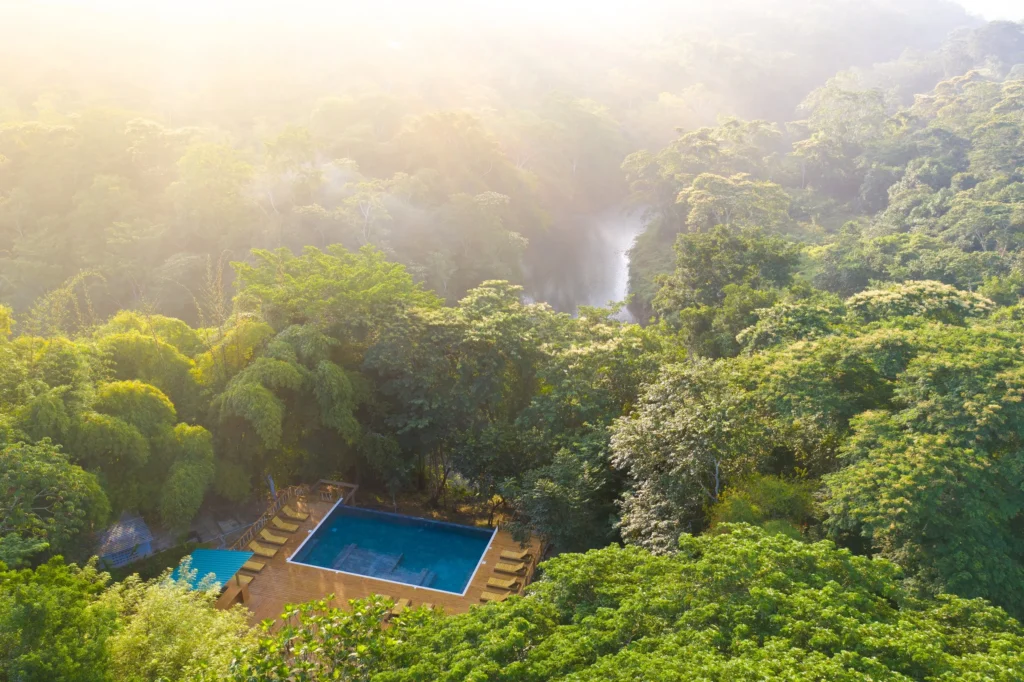
Belize packs an improbable amount into a small country. The Belize Barrier Reef, the largest in the northern hemisphere, runs the length of the coast, and behind it is jungle, rivers, caves and Maya sites still half buried in forest.
Best time: Late November to April is the dry season and the best time for both reef and jungle. The green season from June brings rain and lower prices. Hurricane season runs June to November.
Getting around
Buses and water taxis; the country crosses in a day
Transport is where the fare either stays or leaves.
Eating here
The everyday plate that actually grows here is sugarcane, maize, bananas, sorghum, soybeans, rice, oranges, fruits and plantains. Ordering those keeps the money with the grower and cuts the imported share of the meal.
Eating what the country grows is the cheapest way to cut the import bill.
Good to know
Belize is the one place in this region where eating what the country grows is genuinely easy, so lean into the markets and the milpa staples rather than the imported menu.
Reef safe sunscreen matters here more than almost anywhere, and touching or standing on coral is out. The reef came off the UNESCO danger list in 2018 because the country banned offshore oil across its whole maritime zone, and it is worth treating with that in mind.
Buy craft from the maker at San Ignacio on a Saturday or through the Toledo villages. Recycling is close to non existent, at around two per cent, so take what you can home.
Rate my hotel. Tap yours for the honest verdict.
Ownership from company records and press.
Sweet Songs LodgeThe Lodge at Chaa CreekCopal Tree LodgeJaguar CreekAmbergris Cay
.
Who owns the big hotels
Sweet Songs LodgeIndependent · 21 rooms
The Lodge at Chaa CreekIndependent · 28 rooms
Copal Tree LodgeIndependent · 17 rooms
Jaguar CreekIndependent · 12 rooms
Ambergris CayIndependent · 27 rooms
None of the 5 properties listed here publishes who ultimately owns it, so no claim is made either way. Ownership is what decides how much of a room rate stays in the country, which is why we show it when a listing states it.
Society and Governance in Belize.
How well is Belize actually run?
Governance, measured · World Bank WGI
Four measured answers, none of them opinion. Averaged across corruption control, delivery and accountability, Belize scores 51 out of 100 (2024, World Bank Worldwide Governance Indicators). That matters here because every pledge on this page is only as good as the machinery meant to deliver it.
How well is Belize run? · each scored out of 100, higher is better
Clean government, scored 45 of 100
Control of corruption scores 44.6 out of 100 (2024, World Bank Worldwide Governance Indicators). That is below the halfway mark of governments measured.
45
Freedom and rights, scored 59 of 100
Voice and accountability, which measures free expression, free media and the ability to choose a government, scores 58.7 out of 100 (2024, World Bank WGI). Citizens have some room to question their government.
59
Government effectiveness, scored 49 of 100
Government effectiveness, which measures the quality of public services and how well policy is actually delivered, scores 48.8 out of 100 (2024, World Bank WGI). Delivery is rated below average, so a pledge on paper is not the same as a pledge kept.
49
Income equality, scored 40 of 100
The Gini index of income inequality reads 39.9 (2018, World Bank). Zero is perfect equality and 100 is one person holding everything. Below 40 is the level usually treated as manageable, and Belize sits inside it.
40
LGBTQ+ status: MixedSolo female travel: Take care87.9% adult literacyIndustry to avoid: Agricultural runoff and sewage pollution
What is daily life in Belize really like? Measured
Getting around, breathing, throwing away, learning. The honest checklist.
TransportAirWaterWastePower
✓How you get around Buses and water taxis; the country crosses in a day
✓Air quality, measured Modelled annual mean 8.3. The WHO guideline is 5 µg/m³.
✓Tap water Varies
✓What to drink Rivers, springs and groundwater on the mainland; catchment and desalination on the cayes
✓Plastic rules Bags, straws, cutlery, styrofoam; in force 2020, possession an offence from 2022
✓Sockets and voltage Type A/B, 110V
87.9%
literacy. Public spending on education runs at 4.6% of GDP and 18.9% of all government spending, and secondary enrolment stands at 86.5% gross (UNESCO Institute for Statistics, 2024).
Made in Belize.
The everyday swap in Belize is the bag and the basket, and both come out of the forest. Jippi jappa basketry is a living Maya coil craft, wild crafted from the leaves of the jipijapa palm. Every step of processing done at home is value that stops leaving the country.
What Belize actually sells the world
The single biggest thing Belize sells the world is sugar and sugar confectionery, 34.2% of all exports in 2023 (about US$0.09 billion, UN Comtrade). The next four are fruit and nuts at 13.1%, mineral fuels and oils at 8.5%, fish and seafood at 7.9%, animal feed residues at 6.5%.
Made now · natural materials
Basket
Worked in Belize from local material, and still a working craft rather than a museum piece.
Made now · natural materials
Jippi jappa coil basketry
Worked in Belize from local material, and still a working craft rather than a museum piece.
Made now · natural materials
Dark ones the open leaves
Worked in Belize from local material, and still a working craft rather than a museum piece.
Made now · natural materials
Traditional cuxtal
Worked in Belize from local material, and still a working craft rather than a museum piece.
Made now · natural materials
Woven carrying bag
Worked in Belize from local material, and still a working craft rather than a museum piece.
Buys in · 10.4% of imports
Machinery and mechanical appliances
Belize imported US$0.14 billion of machinery and mechanical appliances in 2023, 10.4% of everything it bought abroad, and sells none of it back. Every point of that is a business that could be built at home rather than shipped in. UN Comtrade.
Buys in · 6.1% of imports
Electrical machinery and electronics
Belize imported US$0.08 billion of electrical machinery and electronics in 2023, 6.1% of everything it bought abroad, and sells none of it back. Every point of that is a business that could be built at home rather than shipped in. UN Comtrade.
Buys in · 5.7% of imports
Vehicles
Belize imported US$0.08 billion of vehicles in 2023, 5.7% of everything it bought abroad, and sells none of it back. Every point of that is a business that could be built at home rather than shipped in. UN Comtrade.
Buys in · 3.6% of imports
Plastics
Belize imported US$0.05 billion of plastics in 2023, 3.6% of everything it bought abroad, and sells none of it back. Every point of that is a business that could be built at home rather than shipped in. UN Comtrade.
The maths for an entrepreneur. Belize produces about US$3 billion a year, which is roughly US$7,865 per person (2025, World Bank). Farming is 7.9% of that, while food is 19.3% of everything the country imports. The country buys in more food than its own farms contribute to the economy, and every point of that gap is a business someone could build here rather than ship in.
A living tradition of Belize, still practised rather than archived.
Punta rock drumming
A living tradition of Belize, still practised rather than archived.
Hunguhungu
A living tradition of Belize, still practised rather than archived.
Dugu ancestral ceremonyA living tradition of Belize, still practised rather than archived.
BuyeiA living tradition of Belize, still practised rather than archived.
Does Belize protect its heritage by law?
Partly, and the gaps say as much as the protections.
What is kept alive. Belize holds deep, widely-alive heritage across several peoples. The Garifuna keep punta and punta rock, the sacred Dugu ancestral ceremony led by a buyei to honour and commune with ancestors, and drumming and hunguhungu, recognised by UNESCO in 2001 as a Masterpiece of the Oral and Intangible Heritage of Humanity. Maya communities, Yucatec, Mopan and Q'eqchi', maintain marimba, the deer dance and living language and craft, while Creole brukdown and boom-and-chime and Mestizo traditions add further layers.
Who it belongs to. Two living indigenous and Afro indigenous cultures, both with real legal and international standing. On 22 April 2015 the Caribbean Court of Justice issued a Consent Order in which the Government of Belize accepted that Maya customary land tenure exists across the entire Toledo District and gives rise to property rights under the Constitution, ordering a fund of BZ$300,000 as a first step. The ruling is binding.
Only here. UNESCO's own description calls the Belize Barrier Reef Reserve System the largest barrier reef in the northern hemisphere. Cockscomb Basin, declared in 1986, is recognised internationally as the world's first jaguar preserve..
Three futures for Belize, every one run forward from measured data.
Where the making actually happens
Named cultural and craft sites on the open map: Museum of Belize (Belize City), Museum Street (Belmopan), Lamanai Museum (Orange Walk), Community Baboon Sanctuary Visitor Center and Museum (Belize District), Site Museum (Corozal). OpenStreetMap.
Every measured trend on one line
Run forward at the pace already recorded.
-19%
Forest cover
1995: 67.1 % → 2023: 54.5 %
+104%
Renewable electricity
2000: 45.5 % → 2021: 92.9 %
+47%
CO2 per person
1995: 0.636 t → 2024: 0.932 t
+42%
Tourist arrivals
1995: 342 k → 2020: 487 k
+1%
Protected land
2013: 36.8 % → 2025: 37.3 %
-41%
Farm workforce
1995: 27.2 % → 2025: 16.1 %
+196%
Protected sea
2013: 6.9 % → 2025: 20.4 %
+25%
Agricultural land
1995: 6.4 % → 2023: 7.98 %
-12%
Urban population
1995: 47.5 % → 2025: 41.6 %
-11%
Air pollution
1995: 18.8 µg/m³ → 2023: 16.8 µg/m³
-49%
Fresh water per person
1995: 74750.4 m³ → 2022: 37891.1 m³
+43%
Adult overweight
1995: 51 % → 2022: 72.8 %
+33%
Electricity access
1995: 74.9 % → 2024: 99.6 %
+96%
GDP per person
1995: 4010 → 2025: 7865
+107%
Population
1995: 204 k → 2025: 423 k
-12%
Renewable energy use
1995: 34.9 % → 2022: 30.8 %
+46%
Protected area, total
2013: 18.3 % → 2025: 26.8 %
+6%
Life expectancy
1995: 69.5 yrs → 2024: 73.7 yrs
+101%
Cereal yield
1995: 1918 ha → 2023: 3857 ha
+319%
Fertiliser use
1995: 80.7 ha → 2023: 337.5 ha
+11%
Rural population
1995: 52.5 % → 2025: 58.4 %
+43%
Water productivity
1995: 17.5 $/m3 → 2022: 25 $/m3
+41%
Health spending
2000: 2.94 % → 2023: 4.15 %
-19%
Forest area
1995: 15297 km2 → 2023: 12436 km2
+111%
Emissions: Agriculture
1990: 0.18 e → 2023: 0.38 e
+70%
Emissions: Building
1990: 0.1 e → 2023: 0.17 e
-75%
Emissions: Electricity/Heat
1990: 0.08 e → 2023: 0.02 e
+118%
Emissions: Energy
1990: 0.34 e → 2023: 0.74 e
+50%
Emissions: Manufacturing/Construction
1990: 0.04 e → 2023: 0.06 e
+345%
Emissions: Transportation
1990: 0.11 e → 2023: 0.49 e
-96%
Emissions: Waste
1990: 6.68 e → 2023: 0.26 e
World Bank open data, recorded series
How much forest is left?
Forest cover moved from 67.1% to 54.5% across 28 recorded years.
World Bank AG.LND.FRST.ZS
How clean is the grid?
Renewable electricity moved from 45.5% to 92.9% across 21 recorded years.
World Bank EG.ELC.RNEW.ZS
How much climate pollution per person?
CO2 per person moved from 0.6 t to 0.9 t across 29 recorded years.
World Bank EN.GHG.CO2.PC.CE.AR5
How many people visit?
Tourist arrivals moved from 342k to 487k across 25 recorded years.
World Bank ST.INT.ARVL
How much land is protected?
Protected land moved from 36.8% to 37.3% across 12 recorded years.
World Bank ER.LND.PTLD.ZS
How many people still farm?
Farm workforce moved from 27.2% to 16.1% across 30 recorded years.
World Bank SL.AGR.EMPL.ZS
How much sea is protected?
Protected sea moved from 6.9% to 20.4% across 12 recorded years.
World Bank ER.MRN.PTMR.ZS
How much land is farmed?
Agricultural land moved from 6.4% to 8.0% across 28 recorded years.
World Bank AG.LND.AGRI.ZS
How fast is it urbanising?
Urban population moved from 47.5% to 41.6% across 30 recorded years.
World Bank SP.URB.TOTL.IN.ZS
Is the air getting cleaner?
Air pollution moved from 18.8 µg/m³ to 16.8 µg/m³ across 28 recorded years.
World Bank EN.ATM.PM25.MC.M3
Is water getting scarcer?
Fresh water per person moved from 74750.4 m³ to 37891.1 m³ across 27 recorded years.
World Bank ER.H2O.INTR.PC
Is diet-related disease rising?
Adult overweight moved from 51.0% to 72.8% across 27 recorded years.
World Bank SH.STA.OWAD.ZS
Who has power?
Electricity access moved from 74.9% to 99.6% across 29 recorded years.
World Bank EG.ELC.ACCS.ZS
Is income rising?
GDP per person moved from 4010 to 7865 across 30 recorded years.
World Bank NY.GDP.PCAP.CD
How fast is it growing?
Population moved from 204k to 423k across 30 recorded years.
World Bank SP.POP.TOTL
What share of all energy is renewable?
Renewable energy use moved from 34.9% to 30.8% across 27 recorded years.
World Bank EG.FEC.RNEW.ZS
How much land and sea is protected together?
Protected area, total moved from 18.3% to 26.8% across 12 recorded years.
World Bank ER.PTD.TOTL.ZS
How long do people live?
Life expectancy moved from 69.48 yrs to 73.74 yrs across 29 recorded years.
World Bank SP.DYN.LE00.IN
How much does a hectare of cereal produce?
Cereal yield moved from 1918 kg/ha to 3857 kg/ha across 28 recorded years.
World Bank AG.YLD.CREL.KG
How much fertiliser goes on the land?
Fertiliser use moved from 80.65 kg/ha to 337.54 kg/ha across 28 recorded years.
World Bank AG.CON.FERT.ZS
How many people still live rurally?
Rural population moved from 52.53% to 58.44% across 30 recorded years.
World Bank SP.RUR.TOTL.ZS
How much value per cubic metre of water?
Water productivity moved from 17.52 $/m3 to 24.97 $/m3 across 27 recorded years.
World Bank ER.GDP.FWTL.M3.KD
How much goes on health?
Health spending moved from 2.94% to 4.15% across 23 recorded years.
World Bank SH.XPD.CHEX.GD.ZS
How much forest is there in total?
Forest area moved from 15297 km2 to 12436 km2 across 28 recorded years.
World Bank AG.LND.FRST.K2
How have agriculture emissions moved?
Agriculture emissions moved from 0.18 to 0.38 MtCO2e across 33 recorded years.
Climate Watch (WRI), historical emissions
How have building emissions moved?
Building emissions moved from 0.1 to 0.17 MtCO2e across 33 recorded years.
Climate Watch (WRI), historical emissions
How have electricity/heat emissions moved?
Electricity/Heat emissions moved from 0.08 to 0.02 MtCO2e across 33 recorded years.
Climate Watch (WRI), historical emissions
How have energy emissions moved?
Energy emissions moved from 0.34 to 0.74 MtCO2e across 33 recorded years.
Climate Watch (WRI), historical emissions
How have manufacturing/construction emissions moved?
Manufacturing/Construction emissions moved from 0.04 to 0.06 MtCO2e across 33 recorded years.
Climate Watch (WRI), historical emissions
How have transportation emissions moved?
Transportation emissions moved from 0.11 to 0.49 MtCO2e across 33 recorded years.
Climate Watch (WRI), historical emissions
How have waste emissions moved?
Waste emissions moved from 6.68 to 0.26 MtCO2e across 33 recorded years.
Climate Watch (WRI), historical emissions
Worst caseCurrent pathBest case
Worst case
Every measured decline continues at the pace already recorded. The weakest pillar, recycling at 2/5, is the one that gives way first.
Computed from: recorded series extended with no policy change
Current path
Every line above is a recorded World Bank series for this country. The current path is simply those series continuing at the pace already measured.
Computed from: recorded series, no policy change assumed
Best case
The pledges are met on their own stated timetables and the weakest pillars are lifted to match the strongest. Belize already shows it can do this: heritage scores 5/5.
Computed from: each published target delivered on its own date
What the best case actually asks for
Lift recycling
It scores 2 out of 5 today, among the weakest parts of Belize's record. The draft national strategy put the share of solid waste separated for recycling at two per cent against a five per cent target, while noting that 81 per cent of Belize's rubbish is recyclable or biodegradable. That gap is the whole story.
The Mile 24 Regional Sanitary Landfill on the George Price Highway is the country's only operational sanitary landfill, fed by transfer stations at Corozal, Belize City, San Pedro, San Ignacio, Placencia and Dangriga. Lifting it toward the 5/5 the strongest pillars already reach is what the best case turns on.
measured each year
Costs: spending and enforcement, not new technology
Lift organic farming
It scores 3 out of 5 today, among the weakest parts of Belize's record. Cacao is where the certification is. The Toledo Cacao Growers Association works with hundreds of smallholders towards Fairtrade and organic certification, and Maya Mountain Cacao has run a centralised fermentery model with over 350 farming families since 2010.
On the restaurant side, Guava Limb in San Ignacio takes produce from Maya Farm, the organic farm belonging to The Lodge at Chaa Creek, which is about as short a chain as a restaurant can have.
Beyond cacao, certification thins out quickly. Much of what is grown here is grown without chemicals because of scale and cost rather than because of a certificate, which is worth understanding rather than dismissing. Lifting it toward the 5/5 the strongest pillars already reach is what the best case turns on.
measured each year
Costs: spending and enforcement, not new technology
Lift pollution
It scores 3 out of 5 today, among the weakest parts of Belize's record. The Environmental Protection (Pollution from Plastics) Regulations 2020 came into force on 15 January 2020, prohibiting single use styrofoam and plastic clamshells, plates, bowls, cups and lids, plastic cutlery, plastic shopping bags and plastic straws. Deadlines were extended twice, most recently by Statutory Instrument 17 of 2022, which made possession an offence from 31 March 2022.
Recycling is the weak point. The draft national strategy put the share of solid waste separated for recycling at two per cent against a five per cent target, while noting that 81 per cent of Belize's rubbish is recyclable or biodegradable. The Mile 24 Regional Sanitary Landfill is the country's only operational sanitary landfill. Lifting it toward the 5/5 the strongest pillars already reach is what the best case turns on.
measured each year
Costs: spending and enforcement, not new technology
Government and Goals in Belize.
Who is in charge of Belize now · Office-holders from the UN Protocol and Liaison Service public list of Heads of State and Heads of Government, 8 September 2026. Legislature and election dates from IFES ElectionGuide. Constitution dates from the Constitute Project. Governance scores from the World Bank Worldwide Governance Indicators 2024.
John Briceño
Prime Minister
John Briceño is the head of government of Belize, in office since 12 November 2020. Every climate, protection and energy pledge on this page is delivered, or not, under this administration.
Public opinion, measured
Voice and accountability, the freedom to question government: 58.7 / 100. Above the halfway mark of governments measured. World Bank WGI 2024
Control of corruption: 44.6 / 100. Below the halfway mark of governments measured. World Bank WGI 2024
Political stability and absence of violence: 79.3 / 100. Among the strongest measured. World Bank WGI 2024
Rule of law: 50.1 / 100. Above the halfway mark of governments measured. World Bank WGI 2024
Regulatory quality: 47.8 / 100. Below the halfway mark of governments measured. World Bank WGI 2024
John BriceñoPrime Minister
National AssemblyLegislature, bicameral
Last election12 March 2025
Constitution1981, as revised to 2022
Government typeparliamentary democracy under a constitutional monarchy; a Commonwealth realm
Belize national goals: climate commitments on record · as recorded by Climate Watch, World Resources Institute
2050
Net zero
In Policy Document
Net-zero target as recorded by Climate Watch. Status: In Policy Document (5/3/2023) ↗
The questions people actually type, answered in full sentences from the sourced data above.
swipe →
Is Belize sustainable?
Belize scores 80 out of 100 on the Throne Eco Index, across twelve equally weighted pillars. Belize packs an improbable amount into a small country. The Belize Barrier Reef, the largest in the northern hemisphere, runs the length of the coast, and behind it is jungle, rivers, caves and Maya sites still half buried in forest. It is small enough to cross in a day, English speaking, and full of family run lodges that have been doing low impact tourism since long before it had a name.
Is the water in Belize safe and plentiful?
94.8 per cent of the population used at least basic drinking water services in 2024. Belize Water Services supplies the towns, drawing on rivers, springs and groundwater, with groundwater used in Corozal, Orange Walk, Cayo and Toledo. The mainland has real rainfall and real rivers.
Can Belize feed itself?
Belize grows most of what it eats, and that is rare in this region. The Food Systems Profile produced by the FAO with the EU and CIRAD, handed to the government in June 2022, puts domestic production at 60 per cent of consumption, so roughly 40 per cent is imported. Compare that with islands nearby importing over 90 per cent.
Is it easy to eat plant-based in Belize?
San Ignacio market sits on the banks of the Macal River in Cayo and is one of the largest outdoor markets in the country, with Saturday the day traders come in from all over the district with fresh produce, handicrafts and clothing. Between the market, the milpa staples of corn and beans, and the fruit, eating unprocessed here is straightforward rather than a project.
How much of Belize is actually protected?
The numbers are the best in our Caribbean coverage. 37.3 per cent of land and 20.4 per cent of territorial waters were protected as of 2024, the marine figure having jumped from 11 per cent since 2020. There are 119 protected areas, and 57 of them have management effectiveness evaluations, which is a far higher proportion than most of the region manages.
What wildlife is left in Belize?
Belize has fewer strict national endemics than its reputation suggests, and we would rather say so than pad the list. The Maya Mountains frog is best described as near endemic, since it may also occur in Guatemala. Genuine national endemics include the dragonfly Epigomphus maya, known only from Mountain Pine Ridge and the Mullins River, and the Petén centipede snake, known from a single locality.
Is Belize on clean energy?
Belize generates close to 89 per cent of its electricity from renewables in 2023, chiefly hydropower and biomass from sugar-cane bagasse, and its emissions are very low at roughly 0.93 tonnes of CO2 per person. The country supplements domestic supply with imports from neighbouring Mexico, but its own generation mix is overwhelmingly clean. Belize has committed to further renewable expansion and forest-based climate action under its national plans.
How polluted is Belize?
The Environmental Protection (Pollution from Plastics) Regulations 2020 came into force on 15 January 2020, prohibiting single use styrofoam and plastic clamshells, plates, bowls, cups and lids, plastic cutlery, plastic shopping bags and plastic straws. Deadlines were extended twice, most recently by Statutory Instrument 17 of 2022, which made possession an offence from 31 March 2022. Recycling is the weak point.
Does recycling work in Belize?
The draft national strategy put the share of solid waste separated for recycling at two per cent against a five per cent target, while noting that 81 per cent of Belize's rubbish is recyclable or biodegradable. That gap is the whole story. The Mile 24 Regional Sanitary Landfill on the George Price Highway is the country's only operational sanitary landfill, fed by transfer stations at Corozal, Belize City, San Pedro, San Ignacio, Placencia and Dangriga.
Is the farming in Belize organic?
Cacao is where the certification is. The Toledo Cacao Growers Association works with hundreds of smallholders towards Fairtrade and organic certification, and Maya Mountain Cacao has run a centralised fermentery model with over 350 farming families since 2010. On the restaurant side, Guava Limb in San Ignacio takes produce from Maya Farm, the organic farm belonging to The Lodge at Chaa Creek, which is about as short a chain as a restaurant can have.
Are there natural materials and craft in Belize?
The everyday swap in Belize is the bag and the basket, and both come out of the forest. Jippi jappa basketry is a living Maya coil craft, wild crafted from the leaves of the jipijapa palm. One regular basket takes about four days.
Is there living culture in Belize?
Two living indigenous and Afro indigenous cultures, both with real legal and international standing. On 22 April 2015 the Caribbean Court of Justice issued a Consent Order in which the Government of Belize accepted that Maya customary land tenure exists across the entire Toledo District and gives rise to property rights under the Constitution, ordering a fund of BZ$300,000 as a first step. The ruling is binding.
What heritage does Belize keep alive?
Belize holds deep, widely-alive heritage across several peoples. The Garifuna keep punta and punta rock, the sacred Dugu ancestral ceremony led by a buyei to honour and commune with ancestors, and drumming and hunguhungu, recognised by UNESCO in 2001 as a Masterpiece of the Oral and Intangible Heritage of Humanity. Maya communities, Yucatec, Mopan and Q'eqchi', maintain marimba, the deer dance and living language and craft, while Creole brukdown and boom-and-chime and Mestizo traditions add further layers.
So is Belize actually green? The measured answer
What is working: land protected at 37.3%, renewable electricity at 92.9%.
What is not: the gaps are narrower here than in most of the directory, and each remaining one is named below.
Belize sits 4 of 77 at 78/100. Every name links to its own destination page, built exactly like this one. The full ranking →
What is Belize particularly good at?
✓Conservation, scored 5/5. The numbers are the best in our Caribbean coverage. 37.3 per cent of land and 20.4 per cent of territorial waters were protected as of 2024, the marine figure having jumped from 11 per cent since 2020. There are 119 protected areas, and 57 of them have management effectiveness evaluations, which is a far higher proportion than most of the region manages.
The Belize Barrier Reef Reserve System was inscribed by UNESCO in 1996, put on the List of World Heritage in Danger in 2009 over mangrove destruction, offshore oil and unsustainable building, and then removed from that danger list on 26 June 2018 after Belize imposed a moratorium on oil exploration across its entire maritime zone and strengthened mangrove protection. That is a country reversing course, and it is worth knowing.
One honest qualifier: only 43 per cent of the protected area system is managed directly by government, the rest relying on co management, private reserves and community conserved areas. It is not a paper park system. It is an outsourced one.
✓Culture, scored 5/5. Two living indigenous and Afro indigenous cultures, both with real legal and international standing.
On 22 April 2015 the Caribbean Court of Justice issued a Consent Order in which the Government of Belize accepted that Maya customary land tenure exists across the entire Toledo District and gives rise to property rights under the Constitution, ordering a fund of BZ$300,000 as a first step. The ruling is binding. Delivery is disputed, and Cultural Survival has reported Belize failing to implement the orders, so we state both halves.
The language, dance and music of the Garifuna were proclaimed by UNESCO in 2001 and inscribed on the Representative List in 2008. Garifuna Settlement Day on 19 November is marked by a re enactment in which descendants arrive singing and drumming in canoes.
The Toledo Ecotourism Association, formed in 1990, is a self help organisation of 14 village associations running autonomously owned guesthouses across Mopan Maya, Q'eqchi' Maya, Garifuna and Creole villages, on a rotation so arrivals are shared out. Check it is still booking before you plan around it.
✓Energy, scored 5/5. Belize generates close to 89 per cent of its electricity from renewables in 2023, chiefly hydropower and biomass from sugar-cane bagasse, and its emissions are very low at roughly 1.9 tonnes of CO2 per person. The country supplements domestic supply with imports from neighbouring Mexico, but its own generation mix is overwhelmingly clean. Belize has committed to further renewable expansion and forest-based climate action under its national plans. A clean grid combined with very low emissions places it in the top band.
Where does Belize score worst?
✕Pollution, scored 3/5. The Environmental Protection (Pollution from Plastics) Regulations 2020 came into force on 15 January 2020, prohibiting single use styrofoam and plastic clamshells, plates, bowls, cups and lids, plastic cutlery, plastic shopping bags and plastic straws. Deadlines were extended twice, most recently by Statutory Instrument 17 of 2022, which made possession an offence from 31 March 2022.
Recycling is the weak point. The draft national strategy put the share of solid waste separated for recycling at two per cent against a five per cent target, while noting that 81 per cent of Belize's rubbish is recyclable or biodegradable. The Mile 24 Regional Sanitary Landfill is the country's only operational sanitary landfill.
✕Water, scored 3/5. 94.8 per cent of the population used at least basic drinking water services in 2024. Belize Water Services supplies the towns, drawing on rivers, springs and groundwater, with groundwater used in Corozal, Orange Walk, Cayo and Toledo.
The mainland has real rainfall and real rivers. The cayes are the opposite: small, low and sandy, so Caye Caulker and Ambergris lean on catchment, desalination and shipped supply. Note that no verified national figure exists for safely managed drinking water, and the frequently repeated line that 70 per cent of Belize has safe tap water traces only to travel blogs, so we are not repeating it.
✕Recycling, scored 2/5. The draft national strategy put the share of solid waste separated for recycling at two per cent against a five per cent target, while noting that 81 per cent of Belize's rubbish is recyclable or biodegradable. That gap is the whole story.
The Mile 24 Regional Sanitary Landfill on the George Price Highway is the country's only operational sanitary landfill, fed by transfer stations at Corozal, Belize City, San Pedro, San Ignacio, Placencia and Dangriga.
Similar countries doing it better and worse
St Vincent and the GrenadinesScored on the same twelve pillars as Belize.75
JamaicaScored on the same twelve pillars as Belize.73
DominicaScored on the same twelve pillars as Belize.72
Turks & CaicosScored on the same twelve pillars as Belize.52
British Virgin IslandsScored on the same twelve pillars as Belize.48
St BarthsScored on the same twelve pillars as Belize.47
A note from the lens of mother natureswipe →
Energy, 5/5
Belize generates close to 89 per cent of its electricity from renewables in 2023, chiefly hydropower and biomass from sugar-cane bagasse, and its emissions are very low at roughly 0.93 tonnes of CO2 per person. The country supplements domestic supply with imports from neighbouring Mexico, but its own generation mix is overwhelmingly clean.
Food and farming, 5/5
Belize grows most of what it eats, and that is rare in this region. The Food Systems Profile produced by the FAO with the EU and CIRAD, handed to the government in June 2022, puts domestic production at 60 per cent of consumption, so roughly 40 per cent is imported.
Heritage, 5/5
Belize holds deep, widely-alive heritage across several peoples. The Garifuna keep punta and punta rock, the sacred Dugu ancestral ceremony led by a buyei to honour and commune with ancestors, and drumming and hunguhungu, recognised by UNESCO in 2001 as a Masterpiece of the Oral and Intangible Heritage of Humanity.
The Belize Directory.
Everything on Hold The Throne that sits in Belize, checked and listed.
World Bank Worldwide Governance Indicators, 2024. Percentile among all governments measured.
Government effectiveness
48.8 / 100
World Bank Worldwide Governance Indicators, 2024. Percentile among all governments measured.
Rule of law
50.1 / 100
World Bank Worldwide Governance Indicators, 2024. Percentile among all governments measured.
Political stability
79.3 / 100
World Bank Worldwide Governance Indicators, 2024. Percentile among all governments measured.
Voice and accountability
58.7 / 100
World Bank Worldwide Governance Indicators, 2024. Percentile among all governments measured.
Environmental Performance Index
47.4 / 100 · 75 of 180
Yale Environmental Performance Index 2024, ranked 75 of 180 countries assessed.
Ecosystem vitality
57.4 / 100 · 55 of 180
Yale Environmental Performance Index 2024, ranked 55 of 180 countries assessed.
Biodiversity and habitat
57.8 / 100 · 54 of 180
Yale Environmental Performance Index 2024, ranked 54 of 180 countries assessed.
Air pollution
71.0 / 100 · 96 of 180
Yale Environmental Performance Index 2024, ranked 96 of 180 countries assessed.
Terrestrial biomes protected
94.6 / 100 · 21 of 180
Yale Environmental Performance Index 2024, ranked 21 of 180 countries assessed.
Marine protected areas
97.4 / 100 · 42 of 131
Yale Environmental Performance Index 2024, ranked 42 of 131 countries assessed.
How Belize Is Scored. The Throne Standard.
Every destination on the index is scored the same way, so a 4 in Barbados means exactly what a 4 means in Iceland. No self-declared data and no brochure claims are accepted. Every figure on this page carries its named source and year, and the history on each page names what empire took as plainly as it scores the present.
The 12 pillars every destination is scored on, equally weighted
01
Conservation
Land and sea actually protected, not pledged
02
Wildlife
What survives, what is endemic, what is lost
03
Water
Fresh water per person, and the ocean’s health
04
Food & farming
Whether the place can feed itself
05
Organic & clean
Certified land and pesticide reality
06
Climate & energy
Emissions per person, how the grid is powered
07
Waste
Where the rubbish goes, what comes back
08
Health
What people eat and die of
09
Heritage
Living culture, and what the law keeps standing
10
Ownership
Who owns the economy, how much of a dollar stays
11
Governance
Freedom, honesty, promises kept
12
Future
Measured trends run forward, pledges against pace
What each 0 to 5 pillar score means, in plain words
The institutions above are the ones cited on this page, ranked by how many of its figures they carry. This same sectioned page renders for all 77 scored destinations, each with its own researched history, comparison charts and three-way future. Read the full methodology
Every figure on this page, and where it came from: 85 sources across 40 institutions
World Bank18 FIGURES
forest cover 54.5%, 2023
Threatened species (mammals EN.MAM.THRD.NO, birds EN.BIR.THRD.NO, fish EN.FSH.THRD.NO, higher plants EN.HPT.THRD.NO), 2022 check
Forest area (% of land area) AG.LND.FRST.ZS, 2023 check
Terrestrial protected areas (% of land) ER.LND.PTLD.ZS, 2025 check
Marine protected areas (% of territorial waters) ER.MRN.PTMR.ZS, 2025 check
Renewable electricity output (% of total) EG.ELC.RNEW.ZS, 2021 check
CO2 emissions per capita EN.GHG.CO2.PC.CE.AR5, 2024 check
in Imagining Central America: Short Histories, University of Cincinnati Press (open access), The territory was declared a British colony in 1862 and became independent in 1981. check
in Imagining Central America: Short Histories, University of Cincinnati Press (open access) corroboration check
in Imagining Central America: Short Histories, University of Cincinnati Press (open access) corroboration check
in Imagining Central America: Short Histories, University of Cincinnati Press (open access) corroboration check
Other published sources4 FIGURES
Earliest known habitation ca. 900 to 600 BC; 1200 BC is the start of the Preclassic period generally, not Caracol's settlement check
25.05% of national waters designated under Blue Bonds Milestone 4, about 5 points to go; the WDPA aggregator has not yet ingested Statutory Instruments 132 to 135 of 2024 check
Hours removed; the Belize Tourism Board listing states the Macal River location and the Saturday market but publishes no opening hours, and no official or agency source states 5am to 6pm daily check
FAOSTAT Crops and livestock products (QCL), Americas bulk dataset, By tonnage, the largest crops grown in Belize are sugarcane, maize, bananas, soya beans and sorghum (FAO, FAOS check
IUCN Red List Categories and Criteria: Version 3.1, Second edition (IUCN Library), Critically Endangered, the last IUCN category before Extinct in the Wild, and still recorded in Belize. check
IUCN Red List Categories and Criteria: Version 3.1, Second edition (IUCN Library) corroboration check
Belize Barrier Reef Reserve System, Statement of Outstanding Universal Value corroboration check
UNESCO World Heritage Centre news3 FIGURES
'Belize Barrier Reef Reserve System removed from the List of World Heritage in Danger', 26 June 2018, The reef came off the UNESCO danger list in 2018 because the country banned offshore oil across its whole mari check
'Belize Barrier Reef Reserve System removed from the List of World Heritage in Danger', 26 June 2018 corroboration check
'Belize Barrier Reef Reserve System removed from the List of World Heritage in Danger', 26 June 2018 corroboration check
Belize Tourism Board2 FIGURES
market days
natural phenomena
FAO, Global Forest Resources Assessment2 FIGURES
UN SDG Global Database, forest area (% of land area) AG_LND_FRST, Belize, 2025 (57.6%), country-reported check
UN SDG Global Database, forest area inside legally established protected areas (%) AG_LND_FRSTPRCT, Belize, 2025 (54.5%), country-reported check
PR#218-25, Public and Bank Holidays 2026, Garifuna Settlement Day is a national public holiday, and Garifuna language, music and dance are inscribed by check
UNESCO2 FIGURES
Belize Barrier Reef removed from the List of World Heritage in Danger check
public data API (February 2026 data release), Public spending on education runs at 4.6% of GDP and 18.9% of all government spending, and secondary enrolment check
public data API (February 2026 data release) corroboration check

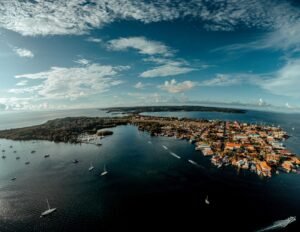
 St Vincent and the GrenadinesScored on the same twelve pillars as Belize.75
 JamaicaScored on the same twelve pillars as Belize.73
 DominicaScored on the same twelve pillars as Belize.72
 Turks & CaicosScored on the same twelve pillars as Belize.52
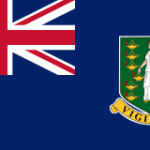 British Virgin IslandsScored on the same twelve pillars as Belize.48
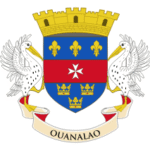 St BarthsScored on the same twelve pillars as Belize.47