Destinations › Central America · The Destination Index · universal template · every figure sourced
Costa Rica.
Central America, bordering both the Caribbean Sea and the North Pacific Ocean, between Nicaragua and Panama. 51,100 sq km and 5,152,950 people, 1,290 km of coastline, tropical and subtropical; dry season (December to April); rainy season (May to November); cooler in highlands.
Region · Central AmericaPopulation · ~5,152,950Languages · Spanish, Limonese Creole, Bribri, CabecarEco Index · 72/100 · Passable
The Eco Index across 12 pillars · scored 0 to 5 · World Bank, OWID, WHO/UNICEF JMP, FiBL, Protected Planet, IUCN, UNESCO (2023-24)
Conservation
Wildlife
Water
Food & farming
Organic & clean
Climate & energy
Waste
Health
Heritage
Ownership
Governance
Future
The History of Costa Rica.
Costa Rican heritage stays alive in the punto guanacasteco, the national dance, and in marimba music across the Guanacaste region. The oxcart, or carreta, and the ox-driving boyeo tradition remain a point of national pride.
Where the name comes from
Spanish for 'rich coast', a name given in expectation of gold that was not there. Source: national and regional toponymic records.
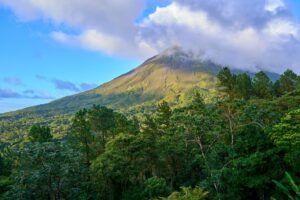
The land itself: coastal plains separated by rugged mountains carrying more than a hundred volcanic cones, several of them active. Its high point is Cerro Chirripó, 3,819 m. Source: national mapping and survey records.
Where it starts
The stone spheres
Indigenous settlement in this region goes back around nine thousand years. More than 300 near-perfect stone spheres were carved and placed across the Diquis Delta and Isla del Cano, some almost seven feet across and weighing up to fifteen tonnes. At Guayabo on the slopes of Turrialba volcano, the country's best known archaeological site preserves stone foundations, aqueducts, paved roadways and tombs. Chibchan-speaking peoples here were known for goldwork and textiles. UNESCO inscribed the Diquis settlements in 2014, the country's first cultural World Heritage site.
How it got here
Independence, then no army
Spanish contact came in 1502 and independence from Spain in 1821. After a short civil war Costa Rica abolished its standing army in 1948 and wrote the abolition into its constitution, where it remains.
The timeline
c. 7000 BC
The first inhabitants.
Archaeological evidence places Indigenous settlement in the region from around seven thousand years before the present era. ↗
AD 300 to 1500
The stone spheres of the Diquis.
More than 300 near-perfect stone spheres were carved and placed across the Diquis Delta and Isla del Cano, some almost seven feet across and weighing up to fifteen tonnes. ↗
AD 1000 to 1400
Guayabo.
Guayabo on the slopes of Turrialba volcano is the country's best known archaeological site, with stone foundations, aqueducts, paved roadways and tombs still visible. ↗
Before 1502
Chibchan goldsmiths.
Chibchan-speaking peoples across the region were noted for goldwork, weaving and textiles. ↗
1502
European contact.
Columbus reaches the Caribbean coast on his fourth voyage. The gold ornaments worn by the people who met the ships gave rise to the name Costa Rica, the rich coast, though the gold was traded in rather than mined here. ↗
1821
Independence from Spain.
Costa Rica becomes independent, later leaving the Federal Republic of Central America. ↗
1948
The army is abolished.
Costa Rica abolishes its standing army following civil war, and writes the abolition into its constitution. ↗
2014
World Heritage.
The Precolumbian Chiefdom Settlements with Stone Spheres of the Diquis are inscribed by UNESCO, the country's first cultural World Heritage site. ↗
Costa Rica is a global conservation model, protecting about 26.6% of its land and roughly 28.4% of its territorial waters (World Bank, 2025) after a major 2021 expansion of marine protection around Cocos Island. It famously reversed one of the world's fastest deforestation rates, roughly doubling forest cover to about 60% since the 1980s, using a pioneering Payments for Environmental Services scheme that pays landowners to keep forest standing. Its national parks are well established and actively managed through SINAC.
Is wild Costa Rica protected? 26.6% of the land is, against a 30% target for 2030
Found only here. High endemism, including the coppery-headed emerald hummingbird found only in Costa Rica and the Cocos finch and Cocos flycatcher restricted to remote Isla del Coco.
The watchlist
ThreatenedGreat Green Macaw (Ara ambiguus)Critically Endangered on the IUCN Red List, and recorded in Costa Rica in GBIF occurrence data (bird).
ThreatenedHawksbill (Eretmochelys imbricata)Critically Endangered on the IUCN Red List, and recorded in Costa Rica in GBIF occurrence data (turtle).
ThreatenedHammerhead Shark (Sphyrna lewini)Critically Endangered on the IUCN Red List, and recorded in Costa Rica in GBIF occurrence data (shark or ray).
ThreatenedLemur Leaf Frog (Agalychnis lemur)Critically Endangered on the IUCN Red List, and recorded in Costa Rica in GBIF occurrence data (amphibian).
ThreatenedReef starlet coral (Siderastrea siderea)Critically Endangered on the IUCN Red List, and recorded in Costa Rica in GBIF occurrence data (coral).
ThreatenedEuphorbia geroldiiCritically Endangered on the IUCN Red List and recorded in Costa Rica in GBIF occurrence data, though it is native to south-eastern Madagascar and occurs here only as an introduced ornamental (plant).
ThreatenedYellow-naped Amazon (Amazona auropalliata)Critically Endangered on the IUCN Red List, and recorded in Costa Rica in GBIF occurrence data (bird).
ThreatenedClown Frog (Atelopus varius)Critically Endangered on the IUCN Red List, and recorded in Costa Rica in GBIF occurrence data (amphibian).
Critically Endangered, the last IUCN category before Extinct in the Wild, and still recorded in Costa Rica. GBIF holds 262 verified occurrence records.
Hawksbill (Eretmochelys imbricata)
Critically Endangered, the last IUCN category before Extinct in the Wild, and still recorded in Costa Rica. GBIF holds 53 verified occurrence records.
Hammerhead Shark (Sphyrna lewini)
Critically Endangered, the last IUCN category before Extinct in the Wild, and still recorded in Costa Rica. GBIF holds 24 verified occurrence records.
Lemur Leaf Frog (Agalychnis lemur)
Critically Endangered, the last IUCN category before Extinct in the Wild, and still recorded in Costa Rica. GBIF holds 43 verified occurrence records.
Species named here are drawn from GBIF occurrence records for Costa Rica filtered to the IUCN Red List threatened categories. Species are listed where GBIF holds occurrence records for them in this country. Record counts are not published here because the figure cannot be reproduced from a public GBIF query.
Botanical garden in Alajuela Province, mapped and named in the open record for Costa Rica. OpenStreetMap.
Water and Ocean in Costa Rica.
Costa Rica is naturally water-rich, with high rainfall, volcanic aquifers and a dense network of rivers giving it about 22,236 cubic metres of renewable fresh water per person a year, far above the UN water-scarcity line though 15th of 36 countries in the Americas (World Bank and FAO AQUASTAT, 2022). Drinking water is generally potable from the tap in most of the country, though the WHO/UNICEF JMP safely managed figure sits at about 80.5% (World Bank, 2022), reflecting rural and coastal supply that is not always monitored to that standard. The dry north-west, Guanacaste, faces genuine seasonal water stress that worsens in drought years.
Does Costa Rica have enough fresh water? Yes, with headroom
80.5% of people here have safely managed drinking water at home (2024, WHO/UNICEF JMP). Most homes have a safe supply, but coverage is not universal, so check locally before drinking from the tap.
Cleanest water: Highland cloud-forest streams and the rivers of the Osa Peninsula and Rio Celeste.
How much fresh water does Costa Rica have, per person?
22,236 m³
Costa Rica
1,000 m³
the UN “water scarce” line
Costa Rica withdraws about 3,447 million cubic metres of fresh water a year (2022). That is 5.9% of the fresh water actually available to it, which FAO counts as no water stress. Of what is taken, farming takes 61%, homes and towns 32%, industry 7%. Source: FAO AQUASTAT.
What are the rules on Costa Rica beaches?
·Tap water: Varies.
✓Plastic rules: Partial. A national ban on expanded polystyrene containers under Ley 9703, and a national ban on selling or giving away plastic carrier bags and single-use straws under Ley 9786, in force since 20 August 2024, with exceptions for certified reusable and biodegradable bags..
✕Solo travel: rated take care on the record for this destination.
✕Marine protection: 29% of the sea is protected. The 30x30 pledge for 2030 is not met yet.
Named on the open map: Playa Albina, Playa Bajo Grande, Playa Barrigona, Playa Bellavista, Playa Blanca, Playa Cabuya, Playa Calera, Playa Carrizal. That is 24 named beaches in the public record for Costa Rica, each one a place you can look up before you go. OpenStreetMap.
Where does the sewage go?
26.3%
of people have safely managed sanitation
26.3% of people here use a safely managed sanitation service, meaning waste is contained, emptied and treated rather than reaching the ground or the sea untreated (2024, World Bank / WHO-UNICEF JMP, SDG 6.2.1). The rest is what the rivers and the coast receive.
How is the sea around Costa Rica doing?
One cross-section, every answer measured.
Surface
What the coast carries
Rainy (green) season May–Nov; Caribbean coast has its own wet window Sep–Nov; nesting turtles most of the year.
Nearshore
Protected water
28.4% of territorial waters are protected, against the 30% pledged for 2030 under the Global Biodiversity Framework.
Cleanest
Where the water is cleanest
Highland cloud-forest streams and the rivers of the Osa Peninsula and Rio Celeste..
The record
Measured
Costa Rica is naturally water-rich, with high rainfall, volcanic aquifers and a dense network of rivers giving it about 22,236 cubic metres of renewable fresh water per person a year, far above the UN water-scarcity line though 15th of 36 countries in the Americas (World Bank and FAO AQUASTAT, 2022). Drinking water is generally potable from the tap in most of the country, though the WHO/UNICEF JMP safely managed figure sits at about 80.5% (World Bank, 2022), reflecting rural and coastal supply that is not always monitored to that standard.
Sea protected
29%
Against the 30% pledged for 2030 under the Global Biodiversity Framework.
Threatened species
500
Mammals, birds, fish and higher plants on the IUCN list.
Cleanest water
here
Highland cloud-forest streams and the rivers of the Osa Peninsula and Rio Celeste..
Is the tap water safe in Costa Rica?
80.5% of people have safely managed drinking water at home (2024, WHO/UNICEF JMP). Renewable fresh water works out at about 22,236 cubic metres per person a year (World Bank).
How hard is the water supply being pushed?
Of every 10 buckets nature refills, 1 are already taken. Withdrawals run at 5.9% of what Costa Rica renews internally each year (2022, World Bank / FAO AQUASTAT). That is inside the 25% mark generally treated as water stress, so the supply has headroom.
When is the best time to visit Costa Rica? Tap your month.
Tap your month.
JanFebMarAprMayJunJulAugSepOctNovDec
.
How much fresh water does Costa Rica actually have?
Nature renews about 22,236 cubic metres of fresh water per person per year here. That ranks Costa Rica 180 of 208 countries measured, placing it among the 30 best-watered countries measured. The UN treats anything under 1,000 cubic metres as water scarce, and this is above that line. World Bank / FAO AQUASTAT.
Costa Rica is strongly agricultural and a major exporter, the world's leading exporter of pineapple and one of the largest exporters of bananas, and a well-known coffee origin, with large domestic production of fruit and vegetables. Basic grains are a much smaller story: national rice production fell 57% between 2020 and 2024, to 64,214 tonnes, and bean production runs at about 11,000 tonnes a year. It does import staple grains, so it is not fully self-sufficient. A reliable single share-of-food-imported figure could not be verified, so that stat is left blank and the pillar is scored from documented facts.
Where does the food in Costa Rica come from?
13.2% imported
about US$3,640m a year
On the plate: Rice and black beans (gallo pinto and the casado plate), plantain, cassava (yuca), maize tortillas, and year-round tropical fruit, coffee.
How often each food is on the plate
Share of people eating each one regularly. These overlap, so they do not add up to 100%.
Rice60%
Plantain33%
Maize tortillas15%
1 of 10
bites are imported
The island buys in more food energy than it eats. About US$3,640m a year leaves the country to pay for it. The green slice is roughly what still grows here.
About 13.2% of everything Costa Rica buys in from abroad is food, roughly 1 in every 10 imported items on the dock (2024, World Bank). Farming itself is 3.4% of the economy and 33.1% of the land is agricultural, of which 3.3% is arable. The green slice is roughly what still grows here.
What is killing people in Costa Rica? The imported diet.
Cause of death, and the diet behind it.
Non-communicable diseases, all combined66.9%
Diabetes9.8%
Adults living with overweight or obesity. 66.9%.
Can Costa Rica feed itself?
3.3%
Arable land
33.1%
Agricultural land
278,864
Farmers
412,995
Arable acres
3.4%
Agriculture, share of GDP
Harvest: Coffee is harvested roughly November to March; tropical fruit crops year-round, with a dry season December to April and a green season May to November.
Feeding itself
Costa Rica is strongly agricultural and a major exporter, the world's leading exporter of pineapple and one of the largest exporters of bananas, and a well-known coffee origin, with large domestic production of fruit and vegetables. Basic grains are a much smaller story: national rice production fell 57% between 2020 and 2024, to 64,214 tonnes, and bean production runs at about 11,000 tonnes a year. It does import staple grains, so it is not fully self-sufficient.
Certification
Certified organic farmland is small, around 0.6% of agricultural land (about 11,465 hectares) in the FiBL 2020 data. Costa Rica does have established organic export lines in coffee, banana, pineapple and cacao, and agroecology is promoted, but the certified area remains a minor share of farmland.
Water for crops
Costa Rica is naturally water-rich, with high rainfall, volcanic aquifers and a dense network of rivers giving it about 22,236 cubic metres of renewable fresh water per person a year, far above the UN water-scarcity line though 15th of 36 countries in the Americas (World Bank and FAO AQUASTAT, 2022). Drinking water is generally potable from the tap in most of the country, though the WHO/UNICEF JMP safely managed figure sits at about 80.5% (World Bank, 2022), reflecting rural and coastal supply that is not always monitored to that standard.
Why the organic number looks like that. Certified-organic farmland is not separately reported for Costa Rica, and that is a certification gap rather than proof nothing is grown cleanly. What the official land record does show: 33.1% of the country is agricultural land and 3.3% is arable (2023, World Bank). Certification is paid for per farm per year by a foreign body, which prices out smallholders, so the organic number reads worse than the practice.
The plant-based kitchen here is not an import. By tonnage, the largest crops grown in Costa Rica are sugar cane, pineapples, bananas, oil palm fruit and oranges (FAO, FAOSTAT crop production, 2024). That is what the land itself puts on a plate.
Buy direct where residents buy: Asociación Mercado Ecológico El Guayabo (Mercado Nicoya), Bazaar Dias, MateBlack Bazaar, Mercado Oriental, PedidosYa Market. Each is a mapped, named marketplace, so the money stays with the seller rather than the importer. OpenStreetMap.
Costa Rica generates more than 98% of its electricity from low-carbon sources, drawing on hydropower at around 75%, wind at about 12% and geothermal at roughly 11% (Low Carbon Power, 2025). Its carbon intensity is one of the lowest in the world and emissions are just 1.71 tonnes of CO2 per person in 2024 (Our World in Data). The National Decarbonisation Plan sets a path to net-zero emissions by 2050 across transport, energy and land use (IEA). Together these place Costa Rica among the cleanest and lowest-emitting energy systems anywhere.
What powers Costa Rica?
Renewable 99.4%Fossil 0%
Climate pollution per person
The safe amount, what the planet can absorb
2 tonnes
One person here
1.63 tonnes
The world average, for comparison
4.7 tonnes
The worst it ever got
1.76 tonnes
The grid
Costa Rica generates more than 98% of its electricity from low-carbon sources, drawing on hydropower at around 75%, wind at about 12% and geothermal at roughly 11% (Low Carbon Power, 2025). Its carbon intensity is one of the lowest in the world and emissions are just 1.71 tonnes of CO2 per person in 2024 (Our World in Data).
Pollution
Costa Rica has a national strategy to phase out single-use plastics and banned expanded polystyrene containers nationally under Ley 9703, in force since August 2021. Under Ley 9786 it also prohibits selling or giving away plastic carrier bags and single-use straws nationwide, in force since 20 August 2024, with exceptions for certified reusable and biodegradable bags and for butcher and produce bags. Air quality is moderate rather than pristine, with a modelled national mean PM2.5 of about 17.7 micrograms per cubic metre in 2023 (World Bank), reflecting traffic in the Central Valley and some agricultural burning.
Water stress
Costa Rica is naturally water-rich, with high rainfall, volcanic aquifers and a dense network of rivers giving it about 22,236 cubic metres of renewable fresh water per person a year, far above the UN water-scarcity line though 15th of 36 countries in the Americas (World Bank and FAO AQUASTAT, 2022). Drinking water is generally potable from the tap in most of the country, though the WHO/UNICEF JMP safely managed figure sits at about 80.5% (World Bank, 2022), reflecting rural and coastal supply that is not always monitored to that standard.
What pollutes most here
1The gridThe share of electricity still generated from fossil fuel.0.6%
2IndustryIntensive pineapple and banana monoculture, associated with heavy agrochemical use and water contamination in some lowland areas..named
3AirModelled annual mean against a WHO guideline of 5 µg/m³.17.7
4On the recordCosta Rica has a national strategy to phase out single-use plastics and banned expanded polystyrene containers nationally under Ley 9703, in force since August 2021. Under Ley 9786 it also prohibits selling or giving away plastic carrier bags and single-use straws nationwide, in force since 20 August 2024, with exceptions for certified reusable and biodegradable bags and for butcher and produce bags.
What has Costa Rica promised on climate?
Net zero, whole economy2050
Electricity renewable today99.4% (2021)
Land protected, against a 30% target26.6% by 2025
Sea protected, against a 30% target28.4% by 2025
The net-zero target year on file with Climate Watch is 2050, status: in policy document. Measured against it, 99.4% of electricity is already renewable (2021, World Bank), so 0.6% of the grid is still to be converted. The pledge on file is measured here against what has actually been delivered, not taken on its own (UNFCCC NDC Registry, CBD Kunming-Montreal Target 3).
The biggest line item
One return flight against a whole year of living.
A resident's entire year1.63 t CO2e
Safe-climate budget, per year2 t CO2e
Singapore return, economy3.33 t CO2e
Dubai return, economy2.55 t CO2e
Sydney return, economy2.49 t CO2e
Johannesburg return, economy2.29 t CO2e
Frankfurt return, economy1.68 t CO2e
How much CO2 does flying to Costa Rica emit?
Tap where you would fly from. One return flight, economy.
Every prompt runs on a machine in a building on somebody’s grid. What that costs the planet depends less on the prompt than on what is burning to power it. Here is what would power one in Costa Rica.
Data centres
8
Registered colocation and interconnection facilities, PeeringDB, 2026
Grid renewable
99.4 %
What a machine here runs on.
What powers a data centre in Costa Rica?
Running AI here is about as clean as it currently gets.
Renewable 99.4%Fossil 0.6%
Cooling water. Every one of those halls runs on the national grid, which is 99.4% renewable today (World Bank). A data centre is only as clean as the electricity behind it, so the same figure that decides this country's climate score also decides the footprint of the AI running inside it. Cooling water use is not separately published by facility, and no operator here reports it.
The rules. Costa Rica has 8 colocation and interconnection facilities on the public PeeringDB register, concentrated in San Jose (4), Alajuela (1), Sabana Sur (1), alongside 3 internet exchanges (CRIX, Navégalo IXPCR, IXP INFOCOM). Named sites include Critical Colocation, Rack Lodge Data Center, CRIX, ADN Datacenters.
Where the cables land. 2 landing points · Puerto Limon, Unqui
60% residents to 40% visitors across a year. 3,366,000 international arrivals in 2019 against 5,152,950 people who live here (2025, World Bank / UN Tourism).
Where a visitor dollar goes in Costa Rica
1,147k
Visitors a year
0.2
Visitors per resident
How deep in debt is Costa Rica?· for every $100 Costa Rica earns in a year, it owes…
Pay to the order of: the creditorsmemo · the 2021 peak
$ 67The worst year on the IMF record. Costa Rica owed $67 for every $100 it earned.
IMF World Economic Outlook, 2021signed, the creditors
Pay to the order of: the creditorsmemo · today
$ 61What is owed now, for every $100 of national income (2026).
IMF World Economic Outlook, 2026signed, the creditors
Pay to the order of: the creditorsmemo · projected 2031
$ 59The IMF's own forecast has this falling to $59 by 2031.
IMF World Economic Outlook projection, 2031signed, the forecast
For every $100 Costa Rica earns in a year, it owes $61 (2026, IMF World Economic Outlook). The interest on that is paid before schools, clinics or coastline get their turn.
Where does a tourist dollar actually go in Costa Rica?
Play one tourist dollar around the board. Every square is a measured fact from this page.
START!
1
GO: a visitor lands
$100 goes on the table. 3,366,000 international arrivals in 2019 against 5,152,950 residents, 0.7 visitors for every resident (World Bank / UN Tourism).
$100 in play
2
The bed
Who owns the largest places to stay in Costa Rica is not published in the records we can check, so this square is left open rather than guessed. Where a listing names its owner, it is shown in the ownership table below.
not published
3
The plate
Food is only 13.2% of everything Costa Rica imports (2024, World Bank), so most of a meal is bought from producers inside the country. Eating what the land here actually grows, sugarcane, pineapples, bananas, oil palm fruit, fruits, oranges, cassava, keeps that money with the grower.
mostly home-grown
4
The power
99.4% of the electricity is renewable (2021, World Bank), so the energy on the bill is mostly generated inside the country rather than shipped in.
made at home
5
What actually stays
Of the two parts of a visitor's bill that can be measured here, the plate and the power stay inside Costa Rica. This is not an economy where a visitor's money drains away, and the board is shorter for it.
most of it
6
Pay the bank first
Costa Rica owes $61 for every $100 it earns (IMF World Economic Outlook, 2026 projection). The interest is paid before anything else on this board.
$61 per $100
7
No plan B
42.0% of everything Costa Rica sells abroad is optical, medical and precision instruments (2023, UN Comtrade). One market moving takes the whole board with it.
42.0% one export
8
Community chest
Tourism earns 7.4% of everything Costa Rica makes from exports (2020, World Bank / UN Tourism). That is how much of the economy depends on the game continuing.
7.4% of exports
9
The flight
Getting here is usually the biggest single line on the bill. From Singapore a return economy seat is 3.33 t CO2, on the UK Government's published conversion factors. It is the one part of the trip this board cannot reduce.
3.33 t CO2
10
Back to GO
The economy turns over about US$110 billion a year (IMF World Economic Outlook, 2026 projection). Every lap of this board is a choice about how much of it stays.
US$110bn
GDPUS$102.9bn
Agriculture, share of GDP3.4%
Visitors a year1,146,500
Visitors per resident0.2
Residents~5,152,950
Agriculture
Farming is 3.4% of the economy. Costa Rica is strongly agricultural and a major exporter, the world's leading exporter of pineapple and one of the largest exporters of bananas, and a well-known coffee origin, with large domestic production of fruit and vegetables. Basic grains are a much smaller story: national rice production fell 57% between 2020 and 2024, to 64,214 tonnes, and bean production runs at about 11,000 tonnes a year.
Natural materials
Costa Rica has some living natural-materials craft, most notably the Boruca (Brunca) Indigenous people of the south, who weave cotton on backstrap looms and colour it with natural dyes, and carve balsa masks for the Fiesta de los Diablitos. Everyday craft also includes basketry and vegetable-fibre work.
Energy
Costa Rica generates more than 98% of its electricity from low-carbon sources, drawing on hydropower at around 75%, wind at about 12% and geothermal at roughly 11% (Low Carbon Power, 2025). Its carbon intensity is one of the lowest in the world and emissions are just 1.71 tonnes of CO2 per person in 2024 (Our World in Data).
Who owns the biggest hotels in Costa Rica?
By rooms · company records and press.
Volcano Lodge · ~68 roomsIndependentnot published
Xandari Resort and Spa · ~24 roomsIndependentnot published
Tocu Tent Camp · ~6 roomsIndependentnot published
Playa Nicuesa Rainforest Lodge · ~12 roomsIndependentnot published
Pacuare Lodge · ~20 roomsIndependentnot published
Playa Cativo · ~18 roomsIndependentnot published
Rancho Humo · ~10 roomsIndependentnot published
Rio Perdido · ~30 roomsIndependentnot published
Samasati Rainforest · ~10 roomsIndependentnot published
Sangregado Lodge · ~14 roomsIndependentnot published
Visitors, over time
20152,899k
20163,204k
20173,231k
20183,313k
20193,366k
20201,146k
International tourism receipts run at about US$1.48 billion in 2020 (World Bank / UN Tourism). That is 7.4% of everything the country earns from exports.
How much of your money actually stays here?
Tap the holiday you are planning.
All-inclusive resortForeign-owned hotel and tourist restaurantsLocally owned stay and local restaurantsGuesthouse, markets and public transport
Resort guest, villa renter, family, nomad or backpacker. The honest playbook for each, from the same sourced numbers.
Already booked a resort? · the rescue list
Five swaps that move your money back on-island
1. Eat where the country eats Choose kitchens cooking rice and black beans (gallo pinto and the casado plate), plantain, cassava (yuca), maize tortillas, and year-round tropical fruit; coffee. over imported menus. The checked list →
2. Book with a local operator Never the lobby desk. The margin on a tour is the part that stays. Eco tours →
3. Stay somewhere locally owned Ownership decides where the room rate books. Eco stays →
4. Use the transport residents use A hire car, ideally with four-wheel drive, suits rural roads and national parks; domestic flights (SANSA) reach remote spots such as the Osa Peninsula and Tortuguero, and intercity buses are cheap and widespread.
5. Buy the craft, not the souvenir Natural-materials work made here pays the maker directly; imported gifts pay a shipping line.
swipe →
First time here
A conservation pioneer that reversed its deforestation to reach 58.4% forest cover in 2023 and generated 89.4% of its electricity from renewable sources in 2024, Costa Rica packs roughly 5% of the world's known species into a tiny country.
Best time: The dry season.
Getting around
A hire car, ideally with four-wheel drive, suits rural roads and national parks; domestic flights (SANSA) reach remote spots such as the Osa Peninsula and Tortuguero, and intercity buses are cheap and widespread.
Transport is where the fare either stays or leaves.
Eating here
The everyday plate is rice and black beans (gallo pinto and the casado plate), plantain, cassava (yuca), maize tortillas, and year-round tropical fruit; coffee.. The everyday Costa Rican diet is built on rice and black beans, eaten as gallo pinto at breakfast and as the casado plate at lunch, alongside plantain, cassava and a year-round abundance of tropical fruit.
Eating what the country grows is the cheapest way to cut the import bill.
Good to know
Cards widely accepted; English is common in tourism. Pura vida is the mood.
None of the 10 properties listed here publishes who ultimately owns it, so no claim is made either way. Ownership is what decides how much of a room rate stays in the country, which is why we show it when a listing states it.
Society and Governance in Costa Rica.
How well is Costa Rica actually run?
Governance, measured · World Bank WGI
Four measured answers, none of them opinion. Averaged across corruption control, delivery and accountability, Costa Rica scores 64 out of 100 (2024, World Bank Worldwide Governance Indicators). That is a state that generally does what it says it will do, which is what makes a climate pledge worth reading.
How well is Costa Rica run? · each scored out of 100, higher is better
Clean government, scored 62 of 100
Control of corruption scores 61.6 out of 100 (2024, World Bank Worldwide Governance Indicators). That is above the halfway mark of governments measured.
62
Freedom and rights, scored 75 of 100
Voice and accountability, which measures free expression, free media and the ability to choose a government, scores 74.6 out of 100 (2024, World Bank WGI). Citizens here can question their government openly.
75
Government effectiveness, scored 57 of 100
Government effectiveness, which measures the quality of public services and how well policy is actually delivered, scores 56.9 out of 100 (2024, World Bank WGI). Delivery is rated above average.
57
Income equality, scored 46 of 100
The Gini index of income inequality reads 45.5 (2025, World Bank). Zero is perfect equality and 100 is one person holding everything. Above 40 is the level usually treated as socially strained, and Costa Rica sits above it.
46
LGBTQ+ status: HighSolo female travel: Take care97.4% adult literacyIndustry to avoid: Intensive pineapple and banana monoculture, associated with heavy agrochemical use and water contamination in some lowland areas.
What is daily life in Costa Rica really like? Measured
Getting around, breathing, throwing away, learning. The honest checklist.
TransportAirWaterWastePower
✓How you get around A hire car, ideally with four-wheel drive, suits rural roads and national parks; domestic flights (SANSA) reach remote spots such as the Osa Peninsula and Tortuguero, and intercity buses are cheap and widespread.
✓Air quality, measured Modelled annual mean 17.7. The WHO guideline is 5 µg/m³.
✓Where the air is cleanest The Talamanca and Monteverde cloud forests and the remote Osa Peninsula, away from Central Valley traffic.
✓Tap water Varies
✓What to drink Tap water is safe in San José and most towns; bottle it in rural and coastal areas.
✓Plastic rules Partial. A national ban on expanded polystyrene containers under Ley 9703, and a national ban on selling or giving away plastic carrier bags and single-use straws under Ley 9786, in force since 20 August 2024, with exceptions for certified reusable and biodegradable bags.
✓Sockets and voltage Type A/B, 120V
97.4%
literacy. Public spending on education runs at 5.3% of GDP and 20.4% of all government spending, and secondary enrolment stands at 121.8% gross (UNESCO Institute for Statistics, 2023 to 2024).
Made in Costa Rica.
Costa Rica has some living natural-materials craft, most notably the Boruca (Brunca) Indigenous people of the south, who weave cotton on backstrap looms and colour it with natural dyes, and carve balsa masks for the Fiesta de los Diablitos. Everyday craft also includes basketry and vegetable-fibre work. Every step of processing done at home is value that stops leaving the country.
What Costa Rica actually sells the world
The single biggest thing Costa Rica sells the world is optical, medical and precision instruments, 42.0% of all exports in 2023 (about US$7.61 billion, UN Comtrade). The next four are fruit and nuts at 14.0%, miscellaneous edible preparations at 5.6%, electrical machinery and electronics at 4.4%, plastics at 2.9%.
Made now · natural materials
Who weave cotton on backstrap looms
Worked in Costa Rica from local material, and still a working craft rather than a museum piece.
Made now · natural materials
Colour it with natural dyes
Worked in Costa Rica from local material, and still a working craft rather than a museum piece.
Made now · natural materials
Synthetic
Worked in Costa Rica from local material, and still a working craft rather than a museum piece.
Buys in · 11.5% of imports
Mineral fuels and oils
Costa Rica imported US$2.59 billion of mineral fuels and oils in 2023, 11.5% of everything it bought abroad, and sells none of it back. Every point of that is a business that could be built at home rather than shipped in. UN Comtrade.
Buys in · 8.7% of imports
Machinery and mechanical appliances
Costa Rica imported US$1.95 billion of machinery and mechanical appliances in 2023, 8.7% of everything it bought abroad, and sells none of it back. Every point of that is a business that could be built at home rather than shipped in. UN Comtrade.
Buys in · 7.4% of imports
Vehicles
Costa Rica imported US$1.67 billion of vehicles in 2023, 7.4% of everything it bought abroad, and sells none of it back. Every point of that is a business that could be built at home rather than shipped in. UN Comtrade.
Buys in · 4.6% of imports
Pharmaceuticals
Costa Rica imported US$1.04 billion of pharmaceuticals in 2023, 4.6% of everything it bought abroad, and sells none of it back. Every point of that is a business that could be built at home rather than shipped in. UN Comtrade.
The maths for an entrepreneur. Costa Rica produces about US$103 billion a year, which is roughly US$19,970 per person (2025, World Bank). Farming is 3.4% of that, while food is 13.2% of everything the country imports. The country buys in more food than its own farms contribute to the economy, and every point of that gap is a business someone could build here rather than ship in.
A living tradition of Costa Rica, still practised rather than archived.
Marimba music
A living tradition of Costa Rica, still practised rather than archived.
Oxcart (carreta) craft
A living tradition of Costa Rica, still practised rather than archived.
Boyeo
A living tradition of Costa Rica, still practised rather than archived.
Limon Afro-Caribbean calypsoA living tradition of Costa Rica, still practised rather than archived.
Boruca Fiesta de los DiablitosA living tradition of Costa Rica, still practised rather than archived.
Does Costa Rica protect its heritage by law?
Partly, and the gaps say as much as the protections.
What is kept alive. Costa Rican heritage stays alive in the punto guanacasteco, the national dance, and in marimba music across the Guanacaste region. The oxcart, or carreta, and the ox-driving boyeo tradition remain a point of national pride. On the Caribbean coast the Afro-descendant community of Limon keeps calypso and its own Creole culture.
Who it belongs to. Costa Rica has eight recognised Indigenous peoples, including the Bribri, Cabecar, Boruca and Maleku, several of whom run community-based and Indigenous-led tourism such as cacao tours and guided forest walks on their territories. Rural community tourism is well developed and locally owned in many areas, and the Nicoya Peninsula is one of the world's Blue Zones of exceptional longevity. Much of the wider ecotourism industry, however, is large-scale and partly foreign-owned, so not all revenue reaches local communities.
Only here. Isla del Coco (Cocos Island), the only oceanic island in the eastern tropical Pacific with a tropical rainforest, a UNESCO World Heritage site about 500 km off mainland Costa Rica..
Three futures for Costa Rica, every one run forward from measured data.
Where the making actually happens
Named cultural and craft sites on the open map: Museum of Costa Rican Art (San José), Volcano Museum Noche Buena (Oreamuno), Museum and Coffee Bar (Alajuela Province), Choco-Museum (Alajuela Province), Turn to museum (Palmar). OpenStreetMap. Named craft workshops on the open map: ASOFAGRO, Artesanos de Pococí Arte y Cultura, Artrea, Asociación AmbiciOsas, Asociación Colectivo La Garúa, Asociación de Mujeres Espátulas Rosadas.
Every measured trend on one line
Run forward at the pace already recorded.
+7%
Forest cover
1995: 56.4 % → 2023: 60.4 %
+20%
Renewable electricity
1995: 82.7 % → 2021: 99.4 %
+16%
CO2 per person
1995: 1.41 t → 2024: 1.63 t
+24%
Tourist arrivals
1995: 924 k → 2020: 1146 k
-4%
Protected land
2013: 27.6 % → 2025: 26.6 %
-35%
Farm workforce
1995: 17.8 % → 2025: 11.5 %
+3450%
Protected sea
2013: 0.8 % → 2025: 28.4 %
-17%
Agricultural land
1995: 40.1 % → 2023: 33.1 %
+49%
Urban population
1995: 53.6 % → 2025: 79.7 %
-10%
Air pollution
1995: 19.7 µg/m³ → 2023: 17.7 µg/m³
-30%
Fresh water per person
1995: 31964.5 m³ → 2022: 22236.4 m³
+41%
Adult overweight
1995: 47.4 % → 2022: 66.9 %
+3%
Electricity access
2000: 96.9 % → 2024: 99.8 %
+510%
GDP per person
1995: 3275 → 2025: 19970
+46%
Population
1995: 3535 k → 2025: 5153 k
-2%
Renewable energy use
1995: 35 % → 2021: 34.2 %
+54%
Energy per person
1995: 666.9 kg → 2024: 1024 kg
+840%
Protected area, total
2013: 3 % → 2025: 28.2 %
+6%
Life expectancy
1995: 76.4 yrs → 2024: 81 yrs
+1%
Cereal yield
1995: 3778 ha → 2024: 3807 ha
+85%
Fertiliser use
1995: 554.6 ha → 2023: 1025 ha
-56%
Rural population
1995: 46.4 % → 2025: 20.3 %
-6%
Water productivity
2012: 21.9 $/m3 → 2022: 20.5 $/m3
+5%
Health spending
2000: 6.56 % → 2023: 6.87 %
+7%
Forest area
1995: 28823 km2 → 2023: 30840 km2
+78%
Electric power use
1995: 1285 kWh → 2024: 2282 kWh
+10%
Emissions: Agriculture
1990: 5.16 e → 2023: 5.67 e
+111%
Emissions: Building
1990: 0.19 e → 2023: 0.4 e
+142%
Emissions: Electricity/Heat
1990: 0.19 e → 2023: 0.46 e
+212%
Emissions: Energy
1990: 2.73 e → 2023: 8.51 e
+289%
Emissions: Industrial Processes
1990: 0.36 e → 2023: 1.4 e
+24%
Emissions: Manufacturing/Construction
1990: 0.7 e → 2023: 0.87 e
+278%
Emissions: Transportation
1990: 1.63 e → 2023: 6.16 e
World Bank open data, recorded series
How much forest is left?
Forest cover moved from 56.4% to 60.4% across 28 recorded years.
World Bank AG.LND.FRST.ZS
How clean is the grid?
Renewable electricity moved from 82.7% to 99.4% across 26 recorded years.
World Bank EG.ELC.RNEW.ZS
How much climate pollution per person?
CO2 per person moved from 1.4 t to 1.6 t across 29 recorded years.
World Bank EN.GHG.CO2.PC.CE.AR5
How many people visit?
Tourist arrivals moved from 924k to 1146k across 25 recorded years.
World Bank ST.INT.ARVL
How much land is protected?
Protected land moved from 27.6% to 26.6% across 12 recorded years.
World Bank ER.LND.PTLD.ZS
How many people still farm?
Farm workforce moved from 17.8% to 11.5% across 30 recorded years.
World Bank SL.AGR.EMPL.ZS
How much sea is protected?
Protected sea moved from 0.8% to 28.4% across 12 recorded years.
World Bank ER.MRN.PTMR.ZS
How much land is farmed?
Agricultural land moved from 40.1% to 33.1% across 28 recorded years.
World Bank AG.LND.AGRI.ZS
How fast is it urbanising?
Urban population moved from 53.6% to 79.7% across 30 recorded years.
World Bank SP.URB.TOTL.IN.ZS
Is the air getting cleaner?
Air pollution moved from 19.7 µg/m³ to 17.7 µg/m³ across 28 recorded years.
World Bank EN.ATM.PM25.MC.M3
Is water getting scarcer?
Fresh water per person moved from 31964.5 m³ to 22236.4 m³ across 27 recorded years.
World Bank ER.H2O.INTR.PC
Is diet-related disease rising?
Adult overweight moved from 47.4% to 66.9% across 27 recorded years.
World Bank SH.STA.OWAD.ZS
Who has power?
Electricity access moved from 96.9% to 99.8% across 24 recorded years.
World Bank EG.ELC.ACCS.ZS
Is income rising?
GDP per person moved from 3275 to 19970 across 30 recorded years.
World Bank NY.GDP.PCAP.CD
How fast is it growing?
Population moved from 3535k to 5153k across 30 recorded years.
World Bank SP.POP.TOTL
What share of all energy is renewable?
Renewable energy use moved from 35% to 34.2% across 26 recorded years.
World Bank EG.FEC.RNEW.ZS
How much energy does one person use?
Energy per person moved from 666.9 kg to 1024 kg across 29 recorded years.
World Bank EG.USE.PCAP.KG.OE
How much land and sea is protected together?
Protected area, total moved from 3% to 28.2% across 12 recorded years.
World Bank ER.PTD.TOTL.ZS
How long do people live?
Life expectancy moved from 76.44 yrs to 81.0 yrs across 29 recorded years.
World Bank SP.DYN.LE00.IN
How much does a hectare of cereal produce?
Cereal yield moved from 3778 kg/ha to 3807 kg/ha across 29 recorded years.
World Bank AG.YLD.CREL.KG
How much fertiliser goes on the land?
Fertiliser use moved from 554.55 kg/ha to 1025 kg/ha across 28 recorded years.
World Bank AG.CON.FERT.ZS
How many people still live rurally?
Rural population moved from 46.4% to 20.27% across 30 recorded years.
World Bank SP.RUR.TOTL.ZS
How much value per cubic metre of water?
Water productivity moved from 21.94 $/m3 to 20.54 $/m3 across 10 recorded years.
World Bank ER.GDP.FWTL.M3.KD
How much goes on health?
Health spending moved from 6.56% to 6.87% across 23 recorded years.
World Bank SH.XPD.CHEX.GD.ZS
How much forest is there in total?
Forest area moved from 28823 km2 to 30840 km2 across 28 recorded years.
World Bank AG.LND.FRST.K2
How much electricity per person?
Electric power use moved from 1285 kWh to 2282 kWh across 29 recorded years.
World Bank EG.USE.ELEC.KH.PC
How have agriculture emissions moved?
Agriculture emissions moved from 5.16 to 5.67 MtCO2e across 33 recorded years.
Climate Watch (WRI), historical emissions
How have building emissions moved?
Building emissions moved from 0.19 to 0.4 MtCO2e across 33 recorded years.
Climate Watch (WRI), historical emissions
How have electricity/heat emissions moved?
Electricity/Heat emissions moved from 0.19 to 0.46 MtCO2e across 33 recorded years.
Climate Watch (WRI), historical emissions
How have energy emissions moved?
Energy emissions moved from 2.73 to 8.51 MtCO2e across 33 recorded years.
Climate Watch (WRI), historical emissions
How have industrial processes emissions moved?
Industrial Processes emissions moved from 0.36 to 1.4 MtCO2e across 33 recorded years.
Climate Watch (WRI), historical emissions
How have manufacturing/construction emissions moved?
Manufacturing/Construction emissions moved from 0.7 to 0.87 MtCO2e across 33 recorded years.
Climate Watch (WRI), historical emissions
How have transportation emissions moved?
Transportation emissions moved from 1.63 to 6.16 MtCO2e across 33 recorded years.
Climate Watch (WRI), historical emissions
Worst caseCurrent pathBest case
Worst case
Every measured decline continues at the pace already recorded. The weakest pillar, natural fibres at 2/5, is the one that gives way first.
Computed from: recorded series extended with no policy change
Current path
Every line above is a recorded World Bank series for this country. The current path is simply those series continuing at the pace already measured.
Computed from: recorded series, no policy change assumed
Best case
The pledges are met on their own stated timetables and the weakest pillars are lifted to match the strongest. Costa Rica already shows it can do this: wildlife scores 5/5.
Computed from: each published target delivered on its own date
What the best case actually asks for
Lift natural fibres
It scores 2 out of 5 today, among the weakest parts of Costa Rica's record. Costa Rica has some living natural-materials craft, most notably the Boruca (Brunca) Indigenous people of the south, who weave cotton on backstrap looms and colour it with natural dyes, and carve balsa masks for the Fiesta de los Diablitos. Everyday craft also includes basketry and vegetable-fibre work. There is no large-scale wool or linen tradition in this tropical country, and consumer textiles are mostly imported and synthetic. Lifting it toward the 5/5 the strongest pillars already reach is what the best case turns on.
measured each year
Costs: spending and enforcement, not new technology
Lift organic farming
It scores 2 out of 5 today, among the weakest parts of Costa Rica's record. Certified organic farmland is small, around 0.6% of agricultural land (about 11,465 hectares) in the FiBL 2020 data. Costa Rica does have established organic export lines in coffee, banana, pineapple and cacao, and agroecology is promoted, but the certified area remains a minor share of farmland. The country's environmental strengths lie more in forests and energy than in organic acreage. Lifting it toward the 5/5 the strongest pillars already reach is what the best case turns on.
measured each year
Costs: spending and enforcement, not new technology
Lift recycling
It scores 2 out of 5 today, among the weakest parts of Costa Rica's record. Costa Rica has municipal recycling collection in many cantons and a national push to improve waste separation, but overall recovery remains low and the great majority of municipal waste still goes to landfill. Infrastructure and separate collection are uneven between the Central Valley and rural areas. Recycling culture is growing but modest. Lifting it toward the 5/5 the strongest pillars already reach is what the best case turns on.
measured each year
Costs: spending and enforcement, not new technology
Government and Goals in Costa Rica.
Who is in charge of Costa Rica now · Office-holders from the UN Protocol and Liaison Service public list of Heads of State and Heads of Government, 8 September 2026. Legislature and election dates from IFES ElectionGuide. Constitution dates from the Constitute Project. Governance scores from the World Bank Worldwide Governance Indicators 2024.
Laura Fernández Delgado
President
Laura Fernández Delgado is the head of government of Costa Rica, in office since 8 May 2026. Every climate, protection and energy pledge on this page is delivered, or not, under this administration.
Public opinion, measured
Voice and accountability, the freedom to question government: 74.6 / 100. Above the halfway mark of governments measured. World Bank WGI 2024
Control of corruption: 61.6 / 100. Above the halfway mark of governments measured. World Bank WGI 2024
Political stability and absence of violence: 86 / 100. Among the strongest measured. World Bank WGI 2024
Rule of law: 67.6 / 100. Above the halfway mark of governments measured. World Bank WGI 2024
Regulatory quality: 64 / 100. Above the halfway mark of governments measured. World Bank WGI 2024
The questions people actually type, answered in full sentences from the sourced data above.
swipe →
Is Costa Rica sustainable?
Costa Rica scores 73 out of 100 on the Throne Eco Index, across twelve equally weighted pillars. A conservation pioneer that reversed its deforestation to reach 58.4% forest cover in 2023 and generated 89.4% of its electricity from renewable sources in 2024, Costa Rica packs roughly 5% of the world's known species into a tiny country.
Is the water in Costa Rica safe and plentiful?
Costa Rica is naturally water-rich, with high rainfall, volcanic aquifers and a dense network of rivers giving it about 22,236 cubic metres of renewable fresh water per person a year, far above the UN water-scarcity line though 15th of 36 countries in the Americas (World Bank and FAO AQUASTAT, 2022). Drinking water is generally potable from the tap in most of the country, though the WHO/UNICEF JMP safely managed figure sits at about 80.5% (World Bank, 2022), reflecting rural and coastal supply that is not always monitored to that standard. The dry north-west, Guanacaste, faces genuine seasonal water stress that worsens in drought years.
Can Costa Rica feed itself?
Costa Rica is strongly agricultural and a major exporter, the world's leading exporter of pineapple and one of the largest exporters of bananas, and a well-known coffee origin, with large domestic production of fruit and vegetables. Basic grains are a much smaller story: national rice production fell 57% between 2020 and 2024, to 64,214 tonnes, and bean production runs at about 11,000 tonnes a year. It does import staple grains, so it is not fully self-sufficient. A reliable single share-of-food-imported figure could not be verified, so that stat is left blank and the pillar is scored from documented facts.
Is it easy to eat plant-based in Costa Rica?
The everyday Costa Rican diet is built on rice and black beans, eaten as gallo pinto at breakfast and as the casado plate at lunch, alongside plantain, cassava and a year-round abundance of tropical fruit. This makes cheap, unprocessed, plant-based eating the cultural norm rather than a niche. Tourist towns and San Jose also have a well-developed vegetarian and vegan scene.
How much of Costa Rica is actually protected?
Costa Rica is a global conservation model, protecting about 26.6% of its land and roughly 28.4% of its territorial waters (World Bank, 2025) after a major 2021 expansion of marine protection around Cocos Island. It famously reversed one of the world's fastest deforestation rates, roughly doubling forest cover to about 60% since the 1980s, using a pioneering Payments for Environmental Services scheme that pays landowners to keep forest standing. Its national parks are well established and actively managed through SINAC.
What wildlife is left in Costa Rica?
Despite covering just 0.03% of the planet's surface, Costa Rica holds an estimated 5% of the world's known species, from resplendent quetzals, scarlet macaws and hundreds of hummingbird and frog species to sloths, monkeys, tapirs and jaguars. Two coastlines host major sea-turtle nesting, including the mass arribada of olive ridley turtles at Ostional. Endemism is high, with unique species on remote Cocos Island such as the Cocos finch, and the country has actively rebuilt habitat through reforestation and biological corridors.
Is Costa Rica on clean energy?
Costa Rica generates more than 98% of its electricity from low-carbon sources, drawing on hydropower at around 75%, wind at about 12% and geothermal at roughly 11% (Low Carbon Power, 2025). Its carbon intensity is one of the lowest in the world and emissions are just 1.71 tonnes of CO2 per person in 2024 (Our World in Data). The National Decarbonisation Plan sets a path to net-zero emissions by 2050 across transport, energy and land use (IEA).
How polluted is Costa Rica?
Costa Rica has a national strategy to phase out single-use plastics and banned expanded polystyrene containers nationally under Ley 9703, in force since August 2021. Under Ley 9786 it also prohibits selling or giving away plastic carrier bags and single-use straws nationwide, in force since 20 August 2024, with exceptions for certified reusable and biodegradable bags and for butcher and produce bags. Air quality is moderate rather than pristine, with a modelled national mean PM2.5 of about 17.7 micrograms per cubic metre in 2023 (World Bank), reflecting traffic in the Central Valley and some agricultural burning. Litter is generally well managed in protected and tourist areas.
Does recycling work in Costa Rica?
Costa Rica has municipal recycling collection in many cantons and a national push to improve waste separation, but overall recovery remains low and the great majority of municipal waste still goes to landfill. Infrastructure and separate collection are uneven between the Central Valley and rural areas. Recycling culture is growing but modest.
Is the farming in Costa Rica organic?
Certified organic farmland is small, around 0.6% of agricultural land (about 11,465 hectares) in the FiBL 2020 data. Costa Rica does have established organic export lines in coffee, banana, pineapple and cacao, and agroecology is promoted, but the certified area remains a minor share of farmland. The country's environmental strengths lie more in forests and energy than in organic acreage.
Are there natural materials and craft in Costa Rica?
Costa Rica has some living natural-materials craft, most notably the Boruca (Brunca) Indigenous people of the south, who weave cotton on backstrap looms and colour it with natural dyes, and carve balsa masks for the Fiesta de los Diablitos. Everyday craft also includes basketry and vegetable-fibre work. There is no large-scale wool or linen tradition in this tropical country, and consumer textiles are mostly imported and synthetic.
Is there living culture in Costa Rica?
Costa Rica has eight recognised Indigenous peoples, including the Bribri, Cabecar, Boruca and Maleku, several of whom run community-based and Indigenous-led tourism such as cacao tours and guided forest walks on their territories. Rural community tourism is well developed and locally owned in many areas, and the Nicoya Peninsula is one of the world's Blue Zones of exceptional longevity. Much of the wider ecotourism industry, however, is large-scale and partly foreign-owned, so not all revenue reaches local communities.
What heritage does Costa Rica keep alive?
Costa Rican heritage stays alive in the punto guanacasteco, the national dance, and in marimba music across the Guanacaste region. The oxcart, or carreta, and the ox-driving boyeo tradition remain a point of national pride. On the Caribbean coast the Afro-descendant community of Limon keeps calypso and its own Creole culture.
So is Costa Rica actually green? The measured answer
What is working: land protected at 26.6%, sea protected at 28.4%, renewable electricity at 99.4%.
What is not: the gaps are narrower here than in most of the directory, and each remaining one is named below.
Costa Rica sits 23 of 77 at 72/100. Every name links to its own destination page, built exactly like this one. The full ranking →
What is Costa Rica particularly good at?
✓Conservation, scored 5/5. Costa Rica is a global conservation model, protecting about 26.6% of its land and roughly 28.4% of its territorial waters (World Bank, 2025) after a major 2021 expansion of marine protection around Cocos Island. It famously reversed one of the world's fastest deforestation rates, roughly doubling forest cover to about 60% since the 1980s, using a pioneering Payments for Environmental Services scheme that pays landowners to keep forest standing. Its national parks are well established and actively managed through SINAC. Strong coverage on land and sea, backed by real enforcement and finance, earns the top band.
✓Energy, scored 5/5. Costa Rica generates more than 98% of its electricity from low-carbon sources, drawing on hydropower at around 75%, wind at about 12% and geothermal at roughly 11% (Low Carbon Power, 2025). Its carbon intensity is one of the lowest in the world and emissions are just 1.71 tonnes of CO2 per person in 2024 (Our World in Data). The National Decarbonisation Plan sets a path to net-zero emissions by 2050 across transport, energy and land use (IEA). Together these place Costa Rica among the cleanest and lowest-emitting energy systems anywhere.
✓Wildlife, scored 5/5. Despite covering just 0.03% of the planet's surface, Costa Rica holds an estimated 5% of the world's known species, from resplendent quetzals, scarlet macaws and hundreds of hummingbird and frog species to sloths, monkeys, tapirs and jaguars. Two coastlines host major sea-turtle nesting, including the mass arribada of olive ridley turtles at Ostional. Endemism is high, with unique species on remote Cocos Island such as the Cocos finch, and the country has actively rebuilt habitat through reforestation and biological corridors. This is one of the most biodiverse places on Earth for its size.
Where does Costa Rica score worst?
✕Natural fibres, scored 2/5. Costa Rica has some living natural-materials craft, most notably the Boruca (Brunca) Indigenous people of the south, who weave cotton on backstrap looms and colour it with natural dyes, and carve balsa masks for the Fiesta de los Diablitos. Everyday craft also includes basketry and vegetable-fibre work. There is no large-scale wool or linen tradition in this tropical country, and consumer textiles are mostly imported and synthetic.
✕Organic farming, scored 2/5. Certified organic farmland is small, around 0.6% of agricultural land (about 11,465 hectares) in the FiBL 2020 data. Costa Rica does have established organic export lines in coffee, banana, pineapple and cacao, and agroecology is promoted, but the certified area remains a minor share of farmland. The country's environmental strengths lie more in forests and energy than in organic acreage.
✕Recycling, scored 2/5. Costa Rica has municipal recycling collection in many cantons and a national push to improve waste separation, but overall recovery remains low and the great majority of municipal waste still goes to landfill. Infrastructure and separate collection are uneven between the Central Valley and rural areas. Recycling culture is growing but modest.
Similar countries doing it better and worse
PanamaScored on the same twelve pillars as Costa Rica.77
GuatemalaScored on the same twelve pillars as Costa Rica.72
NicaraguaScored on the same twelve pillars as Costa Rica.67
HondurasScored on the same twelve pillars as Costa Rica.68
A note from the lens of mother natureswipe →
Energy, 5/5
Costa Rica generates more than 98% of its electricity from low-carbon sources, drawing on hydropower at around 75%, wind at about 12% and geothermal at roughly 11% (Low Carbon Power, 2025). Its carbon intensity is one of the lowest in the world and emissions are just 1.71 tonnes of CO2 per person in 2024 (Our World in Data).
Food and farming, 4/5
Costa Rica is strongly agricultural and a major exporter, the world's leading exporter of pineapple and one of the largest exporters of bananas, and a well-known coffee origin, with large domestic production of fruit and vegetables. Basic grains are a much smaller story: national rice production fell 57% between 2020 and 2024, to 64,214 tonnes, and bean production runs at about 11,000 tonnes a year. It does import staple grains, so it is not fully self-sufficient.
Heritage, 4/5
Costa Rican heritage stays alive in the punto guanacasteco, the national dance, and in marimba music across the Guanacaste region. The oxcart, or carreta, and the ox-driving boyeo tradition remain a point of national pride.
The Costa Rica Directory.
Everything on Hold The Throne that sits in Costa Rica, checked and listed.
World Bank Worldwide Governance Indicators, 2024. Percentile among all governments measured.
Government effectiveness
56.9 / 100
World Bank Worldwide Governance Indicators, 2024. Percentile among all governments measured.
Rule of law
67.6 / 100
World Bank Worldwide Governance Indicators, 2024. Percentile among all governments measured.
Political stability
86 / 100
World Bank Worldwide Governance Indicators, 2024. Percentile among all governments measured.
Voice and accountability
74.6 / 100
World Bank Worldwide Governance Indicators, 2024. Percentile among all governments measured.
Environmental Performance Index
55.5 / 100 · 40 of 180
Yale Environmental Performance Index 2024, ranked 40 of 180 countries assessed.
Ecosystem vitality
62.6 / 100 · 39 of 180
Yale Environmental Performance Index 2024, ranked 39 of 180 countries assessed.
Biodiversity and habitat
63.3 / 100 · 38 of 180
Yale Environmental Performance Index 2024, ranked 38 of 180 countries assessed.
Air pollution
79.8 / 100 · 65 of 180
Yale Environmental Performance Index 2024, ranked 65 of 180 countries assessed.
Terrestrial biomes protected
84.8 / 100 · 37 of 180
Yale Environmental Performance Index 2024, ranked 37 of 180 countries assessed.
Marine protected areas
100.0 / 100 · 6 of 131
Yale Environmental Performance Index 2024, ranked 6 of 131 countries assessed.
How Costa Rica Is Scored. The Throne Standard.
Every destination on the index is scored the same way, so a 4 in Barbados means exactly what a 4 means in Iceland. No self-declared data and no brochure claims are accepted. Every figure on this page carries its named source and year, and the history on each page names what empire took as plainly as it scores the present.
The 12 pillars every destination is scored on, equally weighted
01
Conservation
Land and sea actually protected, not pledged
02
Wildlife
What survives, what is endemic, what is lost
03
Water
Fresh water per person, and the ocean’s health
04
Food & farming
Whether the place can feed itself
05
Organic & clean
Certified land and pesticide reality
06
Climate & energy
Emissions per person, how the grid is powered
07
Waste
Where the rubbish goes, what comes back
08
Health
What people eat and die of
09
Heritage
Living culture, and what the law keeps standing
10
Ownership
Who owns the economy, how much of a dollar stays
11
Governance
Freedom, honesty, promises kept
12
Future
Measured trends run forward, pledges against pace
What each 0 to 5 pillar score means, in plain words
The institutions above are the ones cited on this page, ranked by how many of its figures they carry. This same sectioned page renders for all 77 scored destinations, each with its own researched history, comparison charts and three-way future. Read the full methodology
Every figure on this page, and where it came from: 77 sources across 33 institutions
World Bank16 FIGURES
Forest area (% of land area) AG.LND.FRST.ZS, Costa Rica, 2023 (60.4%) check
Terrestrial protected areas (% of total land area) ER.LND.PTLD.ZS, Costa Rica, 2023 (26.6%) check
Marine protected areas (% of territorial waters) ER.MRN.PTMR.ZS, Costa Rica, 2023 (about 29%) check
Renewable electricity output (% of total electricity output) EG.ELC.RNEW.ZS, Costa Rica, 2021 (99.4%) check
CO2 emissions per capita EN.GHG.CO2.PC.CE.AR5, 2024 check
Costa Rica, class Aves, IUCN category Critically Endangered, Critically Endangered on the IUCN Red List, and recorded in Costa Rica in GBIF occurrence data (bird). check
Costa Rica, class Aves, IUCN category Critically Endangered corroboration check
Costa Rica, class Aves, IUCN category Critically Endangered corroboration check
Costa Rica, order Testudines, IUCN category Critically Endangered, Critically Endangered on the IUCN Red List, and recorded in Costa Rica in GBIF occurrence data (turtle). check
Costa Rica, order Testudines, IUCN category Critically Endangered corroboration check
Costa Rica, class Chondrichthyes, IUCN category Critically Endangered, Critically Endangered on the IUCN Red List, and recorded in Costa Rica in GBIF occurrence data (shark or ray). check
Costa Rica, class Chondrichthyes, IUCN category Critically Endangered corroboration check
Costa Rica, class Amphibia, IUCN category Critically Endangered, Critically Endangered on the IUCN Red List, and recorded in Costa Rica in GBIF occurrence data (amphibian). check
Costa Rica, class Amphibia, IUCN category Critically Endangered corroboration check
Costa Rica, class Anthozoa, IUCN category Critically Endangered, Critically Endangered on the IUCN Red List, and recorded in Costa Rica in GBIF occurrence data (coral). check
Costa Rica, class Anthozoa, IUCN category Critically Endangered corroboration check
Other published sources4 FIGURES
1.71 tonnes per person in 2024 in the current OWID data (1.63 matches no recent year; the same page states 1.71 elsewhere) check
Closed: the last animals left the state zoo in May 2024 and in October 2024 the government and San José municipality signed an agreement to make the site a protected urban nature park check
No credible source states it is the largest; the Museo Nacional de Costa Rica calls it probably the best known archaeological monument in the country, with monumental paving, a water system and causeways check
Euphorbia geroldii is a Madagascar endemic (Kew World Checklist of Vascular Plants and Catalogue of Life give its range as south-eastern Madagascar); all 32 herbarium specimens are Malagasy and its handful of Costa Rican records are garden observations check
BirdLife International, IUCN and UNEP-WCMC3 FIGURES
UN SDG Global Database, terrestrial Key Biodiversity Areas covered by protected areas (%) ER_PTD_TERR, Costa Rica, 2025 (39.5%), country-reported check
UN SDG Global Database, marine Key Biodiversity Areas covered by protected areas (%) ER_MRN_MPA, Costa Rica, 2025 (50.9%), country-reported check
UN SDG Global Database, freshwater Key Biodiversity Areas covered by protected areas (%) ER_PTD_FRHWTR, Costa Rica, 2025 (42.7%), country-reported check
FAO, Global Forest Resources Assessment3 FIGURES
UN SDG Global Database, forest area (% of land area) AG_LND_FRST, Costa Rica, 2025 (58.5%), country-reported check
UN SDG Global Database, forest area under a long-term management plan (%) AG_LND_FRSTMGT, Costa Rica, 2025 (2.4%), country-reported check
UN SDG Global Database, forest area inside legally established protected areas (%) AG_LND_FRSTPRCT, Costa Rica, 2025 (37.7%), country-reported check
CO2 emissions per capita (Global Carbon Budget), Its carbon intensity is one of the lowest in the world and emissions are just 1.71 tonnes of CO2 per person in check
CO2 emissions per capita (Global Carbon Budget) corroboration check
PNUD Costa Rica3 FIGURES
Mapa de cobertura forestal de Costa Rica 2023 (data layer produced by SINAC, 2024), It famously reversed one of the world's fastest deforestation rates, roughly doubling forest cover to about 60 check
Mapa de cobertura forestal de Costa Rica 2023 (data layer produced by SINAC, 2024) corroboration check
Mapa de cobertura forestal de Costa Rica 2023 (data layer produced by SINAC, 2024) corroboration check
UNESCO Institute for Statistics3 FIGURES
indicator XGDP.FSGOV (government expenditure on education as % of GDP), Costa Rica, Public spending on education runs at 5.3% of GDP and 20.4% of all government spending, and secondary enrolment check
indicator XGDP.FSGOV (government expenditure on education as % of GDP), Costa Rica corroboration check
indicator XGDP.FSGOV (government expenditure on education as % of GDP), Costa Rica corroboration check
WHO/UNICEF Joint Monitoring Programme3 FIGURES
World Bank, People using safely managed drinking water services SH.H2O.SMDW.ZS, Costa Rica, 2022 (80.5%) check
UN SDG Global Database, population using safely managed drinking water (%) SH_H2O_SAFE, Costa Rica, 2024 (80.5%), modelled estimate check
UN SDG Global Database, population using safely managed sanitation (%) SH_SAN_SAFE, Costa Rica, 2024 (26.3%), modelled estimate check
Comision Nacional Costarricense de Cooperacion con la UNESCO2 FIGURES
Asentamientos cacicales con esferas de piedra del Diquis, UNESCO inscribed the Diquis settlements in 2014, the country's first cultural World Heritage site. check
Asentamientos cacicales con esferas de piedra del Diquis corroboration check
IUCN2 FIGURES
The IUCN Red List of Threatened Species (conservation tool page), Critically Endangered, the last IUCN category before Extinct in the Wild, and still recorded in Costa Rica. check
The IUCN Red List of Threatened Species (conservation tool page) corroboration check
Luis Rosero-Bixby2 FIGURES
'The vanishing advantage of longevity in Nicoya, Costa Rica: A cohort shift', Demographic Research 49(27), 2023, Rural community tourism is well developed and locally owned in many areas, and the Nicoya Peninsula is one of check
'The vanishing advantage of longevity in Nicoya, Costa Rica: A cohort shift', Demographic Research 49(27), 2023 corroboration check
SINAC / MINAE2 FIGURES
Resumen del VI Informe Nacional de Costa Rica al Convenio sobre la Diversidad Biologica, Despite covering just 0.03% of the planet's surface, Costa Rica holds an estimated 5% of the world's known spe check
Resumen del VI Informe Nacional de Costa Rica al Convenio sobre la Diversidad Biologica corroboration check
15th of 36 countries in the Americas at 221 FIGURE
236 cubic metres per person (2022), behind Guyana, Suriname, Canada, Peru, Chile, Colombia, Belize, Panama, Venezuela, Uruguay, Brazil, Bolivia, Ecuador and Nicaragua check
Kunming-Montreal Global Biodiversity Framework, Target 3, The 30x30 target is 30% by 2030, so 1.6 percentage points are still to be designated. check
Costa Rica1 FIGURE
National Strategy to replace single-use plastics and polystyrene ban check
FAOSTAT 2024 crop production for Costa Rica: sugar cane 41 FIGURE
139,275 t, pineapples 3,118,093 t, bananas 2,630,020 t, oil palm fruit 1,225,774 t, oranges 185,028 t. Palm oil is a processed product, not a crop in this dataset check
FiBL1 FIGURE
The World of Organic Agriculture (Costa Rica about 11,465 ha, 0.6% of agricultural land, 2020 data) check
No credible source supports the Jurassic Park link1 FIGURE
so it is removed; the peer-reviewed record confirms the island is the only one in the eastern tropical Pacific with humid tropical forest and puts it about 500 km south-south-west of the mainland check


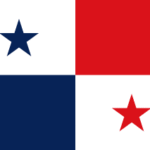 PanamaScored on the same twelve pillars as Costa Rica.77
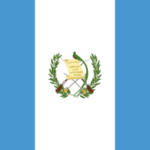 GuatemalaScored on the same twelve pillars as Costa Rica.72
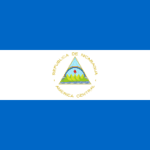 NicaraguaScored on the same twelve pillars as Costa Rica.67
 HondurasScored on the same twelve pillars as Costa Rica.68