Destinations › Caribbean · The Destination Index · universal template · every figure sourced
Bahamas.
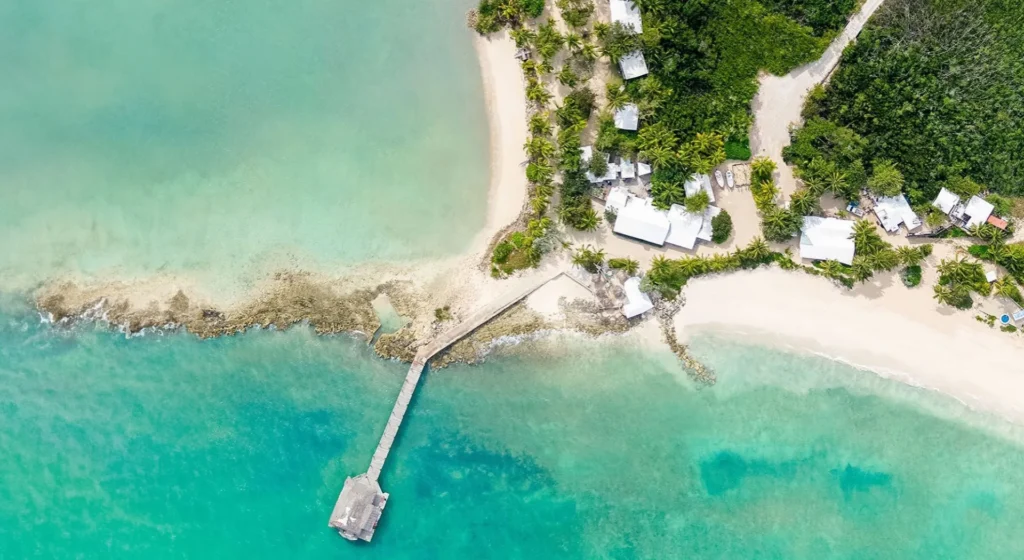
A chain of about 700 islands and 2,400 cays in the western Atlantic, running some 760 miles from the coast of Florida in the north-west almost to Haiti in the south-east, and a member of the Caribbean Community. 13,880 sq km and 403,033 people, 3,542 km of coastline, tropical marine; moderated by warm waters of Gulf Stream.
Region · CaribbeanPopulation · ~403,033Languages · Bahamian Creole, English (official), Haitian CreoleEco Index · 60/100 · Passable
The Eco Index across 12 pillars · scored 0 to 5 · World Bank, OWID, WHO/UNICEF JMP, FiBL, Protected Planet, IUCN, UNESCO (2023-24)
Conservation
Wildlife
Water
Food & farming
Organic & clean
Climate & energy
Waste
Health
Heritage
Ownership
Governance
Future
The History of the Bahamas.
Bahamian living heritage centres on Junkanoo, the exuberant masquerade street parade of goatskin drums, cowbells, brass and whistles staged on Boxing Day and New Year's Day. Rake-and-scrape, played on a carpenter's saw, goatskin drum and accordion, is the islands' foundational folk sound, alongside goombay.
Where the name comes from
Most often traced to the Spanish baja mar, 'shallow sea', for the banks the islands sit on. A Lucayan Taíno origin has also been argued and the question is not settled. Source: national and regional toponymic records.
The land itself: long, flat coral banks and low rounded hills, nowhere far above the sea. Its high point is a rise near Old Bight on Cat Island, 64 m. Source: national mapping and survey records.
Where it starts
The Lucayan archipelago
Lucayan people settled the southern islands from around AD 700, arriving from Hispaniola and Cuba, and spread north across the whole archipelago over roughly eight centuries. Radiocarbon dates from the Three Dog site on San Salvador place occupation between AD 600 and 900. These were farming and fishing communities with their own name for themselves and a working knowledge of banks and currents that later navigators relied on.
How it got here
Emptied in a single generation
In 1509 the governor of Hispaniola sent expeditions to take Lucayan people for forced labour in the mines. Accounts estimate up to 40,000 removed from the archipelago in one year, and disease took most of those left. When English settlers reached Eleuthera in 1648 the islands were effectively empty, and they had been emptied within living memory. Independence came in 1973.
The timeline
c. AD 700
First settlement, from the south.
Lucayan people settle the southernmost islands, particularly Great Inagua, arriving from Hispaniola and Cuba. Journal of Caribbean Archaeology. ↗
AD 600 to 900
The Three Dog site.
Radiocarbon dates from the Three Dog site on San Salvador place occupation in this range, among the earliest in the archipelago. ↗
AD 700 to 1500
Eight centuries of expansion.
Lucayan settlement spreads northward across the whole archipelago over roughly 800 years, reaching San Salvador and New Providence by the 800s. Villages farmed cassava and fished the banks. ↗
1492
European landfall.
A Spanish expedition makes its first American landfall in these islands. ↗
1509
The islands are emptied.
The governor of Hispaniola dispatches expeditions that capture Lucayan people for forced labour in the mines and plantations of Hispaniola. Historical accounts estimate up to 40,000 people removed from the archipelago in a single year. Disease took most of those who remained. ↗
1600s to 1700s
Wrecking, salt and privateering.
The islands are worked for salt, salvage from wrecks and privateering before plantation agriculture takes hold. ↗
1834
Abolition.
The Slavery Abolition Act takes effect on 1 August 1834. Here it frees people held in an economy built on salt, wrecking and cotton rather than plantation sugar. Apprenticeship binds those over six to their former owners until 1838. Parliament pays £20 million in compensation to slave owners and nothing at all to the people they had enslaved. ↗
1973
Independence.
The Bahamas becomes independent on 10 July 1973, adopting the Westminster parliamentary model. ↗
The Bahamas is the strongest protector in the region and it has the best origin story. 34.6 per cent of land was protected in 2024, nearly double Jamaica's, and 7.7 per cent of territorial waters, the only island here above one per cent. There are more than 30 national parks and reserves across 16 islands, managed by the Bahamas National Trust.
Is wild Bahamas protected? 34.6% of the land is, already past the 30% target for 2030
Found only here. Bahama oriole, found only on Andros; Bahama nuthatch; Bahama swallow
The watchlist
ThreatenedHawksbill (Eretmochelys imbricata)Critically Endangered on the IUCN Red List, and recorded in Bahamas in GBIF occurrence data (turtle).
ThreatenedGreat hammerhead (Sphyrna mokarran)Critically Endangered on the IUCN Red List, and recorded in Bahamas in GBIF occurrence data (shark or ray).
ThreatenedBrain coral (Diploria labyrinthiformis)Critically Endangered on the IUCN Red List, and recorded in Bahamas in GBIF occurrence data (coral).
ThreatenedHamlet (Epinephelus striatus)Critically Endangered on the IUCN Red List, and recorded in Bahamas in GBIF occurrence data (species).
ThreatenedRed Cave Shrimp (Barbouria cubensis)Critically Endangered on the IUCN Red List, and recorded in Bahamas in GBIF occurrence data (species).
ThreatenedMillepora complanataCritically Endangered on the IUCN Red List, and recorded in Bahamas in GBIF occurrence data (coral).
ThreatenedBrain coral (Pseudodiploria strigosa)Critically Endangered on the IUCN Red List, and recorded in Bahamas in GBIF occurrence data (coral).
Critically Endangered, the last IUCN category before Extinct in the Wild, and still recorded in Bahamas. GBIF holds 40 verified occurrence records.
Great hammerhead (Sphyrna mokarran)
Critically Endangered, the last IUCN category before Extinct in the Wild, and still recorded in Bahamas. GBIF holds 31 verified occurrence records.
Brain coral (Diploria labyrinthiformis)
Critically Endangered, the last IUCN category before Extinct in the Wild, and still recorded in Bahamas. GBIF holds 52 verified occurrence records.
Hamlet (Epinephelus striatus)
Critically Endangered, the last IUCN category before Extinct in the Wild, and still recorded in Bahamas. GBIF holds 157 verified occurrence records.
Species named here are drawn from GBIF occurrence records for Bahamas filtered to the IUCN Red List threatened categories. Species are listed where GBIF holds occurrence records for them in this country. Record counts are not published here because the figure cannot be reproduced from a public GBIF query.
National park, mapped and named in the open record for Bahamas. OpenStreetMap.
Water and Ocean in the Bahamas.
The Bahamas manufactures most of the capital's drinking water from the sea. The Water and Sewerage Corporation states that its reverse osmosis plant provides 90 per cent of the water used in New Providence, and that it no longer barges water into the capital. That barging is worth knowing about, because it lasted about 35 years.
Reverse osmosis desalination, thin freshwater lenses on limestone, and Andros
Cleanest water: Exuma Cays Land and Sea Park
How much fresh water does the Bahamas have, per person?
1,761 m³
Bahamas
1,000 m³
the UN “water scarce” line
FAO AQUASTAT does not publish a water withdrawal series for the Bahamas. The islands draw on a thin freshwater lens over limestone and on desalination, both of which are highly exposed to storm surge and saltwater intrusion. Source: FAO AQUASTAT, which records no figure for this country.
What are the rules on Bahamas beaches?
·Tap water: Varies.
✓Plastic rules: Single use plastics from Jan 2020, including biodegradable bags and balloon releases.
✕Solo travel: rated take care on the record for this destination.
✕Marine protection: 8% of the sea is protected. The 30x30 pledge for 2030 is not met yet.
Named on the open map: Farquharson Beach, Gilliam Bay Beach, Grotto Beach, Lochabar Beach, White Road Beach. That is 5 named beaches in the public record for Bahamas, each one a place you can look up before you go. OpenStreetMap.
How is the sea around Bahamas doing?
One cross-section, every answer measured.
Surface
What the coast carries
Swimming pigs at Big Major Cay, Exuma (year-round). Turtle nesting May–October. Andros has the world's largest concentration of blue holes.
Nearshore
Protected water
7.7% of territorial waters are protected, against the 30% pledged for 2030 under the Global Biodiversity Framework.
Cleanest
Where the water is cleanest
Exuma Cays Land and Sea Park.
The record
Measured
The Bahamas manufactures most of the capital's drinking water from the sea. The Water and Sewerage Corporation states that its reverse osmosis plant provides 90 per cent of the water used in New Providence, and that it no longer barges water into the capital.
Sea protected
8%
Against the 30% pledged for 2030 under the Global Biodiversity Framework.
Threatened species
40
Mammals, birds, fish and higher plants on the IUCN list.
Cleanest water
here
Exuma Cays Land and Sea Park.
When is the best time to visit Bahamas? Tap your month.
Tap your month.
JanFebMarAprMayJunJulAugSepOctNovDec
.
How much fresh water does Bahamas actually have?
Nature renews about 1,761 cubic metres of fresh water per person per year here. That ranks the Bahamas 79 of 208 countries measured, putting it in the drier half of the world. The UN treats anything under 1,000 cubic metres as water scarce, and this is above that line. World Bank / FAO AQUASTAT.
This is the starkest figure in our whole Caribbean coverage, and it is verified twice over, once by the US Department of Commerce and once by a serving Bahamian minister on the record. The Bahamas imports nearly 90 per cent of its food, at a cost of around US$1 billion a year. The reason is geological.
Where does the food in Bahamas come from?
20.0% imported
about US$1,102m a year
On the plate: Roots and tubers (cassava, sweet potato), corn, pigeon peas, pumpkin, cabbage, tomato and peppers, fruit (banana, mango, pineapple, citrus, papaya, avocado). (, conch, ) is the dietary staple.
How often each food is on the plate
Share of people eating each one regularly. These overlap, so they do not add up to 100%.
Roots60%
Corn42%
Pigeon peas33%
Pumpkin24%
Cabbage15%
2 of 10
bites are imported
The island buys in more food energy than it eats. About US$1,102m a year leaves the country to pay for it. The green slice is roughly what still grows here.
About 20% of everything the Bahamas buys in from abroad is food, roughly 2 in every 10 imported items on the dock (2024, World Bank). Farming itself is 0.5% of the economy and 1.3% of the land is agricultural, of which 0.8% is arable. The green slice is roughly what still grows here.
What is killing people in the Bahamas? The imported diet.
Cause of death, and the diet behind it.
Non-communicable diseases, all combined59.8%
Diabetes8.9%
Adults living with overweight or obesity. 75.8%.
Can the Bahamas feed itself?
0.8%
Arable land
1.3%
Agricultural land
1,900
Farmers
19,768
Arable acres
0.5%
Agriculture, share of GDP
Harvest: Eleuthera pineapples; annual Gregory Town Pineapple Festival
Feeding itself
This is the starkest figure in our whole Caribbean coverage, and it is verified twice over, once by the US Department of Commerce and once by a serving Bahamian minister on the record. The Bahamas imports nearly 90 per cent of its food, at a cost of around US$1 billion a year.
Certification
There is very little soil to farm. Agricultural land is 1.3 per cent of the land area and agriculture is 0.51 per cent of GDP, both among the lowest in the region, because the islands are limestone.
Water for crops
The Bahamas manufactures most of the capital's drinking water from the sea. The Water and Sewerage Corporation states that its reverse osmosis plant provides 90 per cent of the water used in New Providence, and that it no longer barges water into the capital.
Why the organic number looks like that. Certified-organic farmland is not separately reported for the Bahamas, and that is a certification gap rather than proof nothing is grown cleanly. What the official land record does show: 1.3% of the country is agricultural land and 0.8% is arable (2023, World Bank). Certification is paid for per farm per year by a foreign body, which prices out smallholders, so the organic number reads worse than the practice.
The plant-based kitchen here is not an import. By tonnage, the largest crops grown in Bahamas are sugarcane, pomelos and grapefruits, bananas and tomatoes (FAO, FAOSTAT crop production, 2024). That is what the land itself puts on a plate.
Buy direct where residents buy: Eleuthera Island Farm, Chiccharney Farms, Down Too Earth Adventure Farm, Hearty Mow Farmlands Stand, Eleuthera Hill-Top Farms, Mashamba. Every one is a farm shop we have checked and listed ourselves, so the money goes to the grower rather than the importer. The checked list
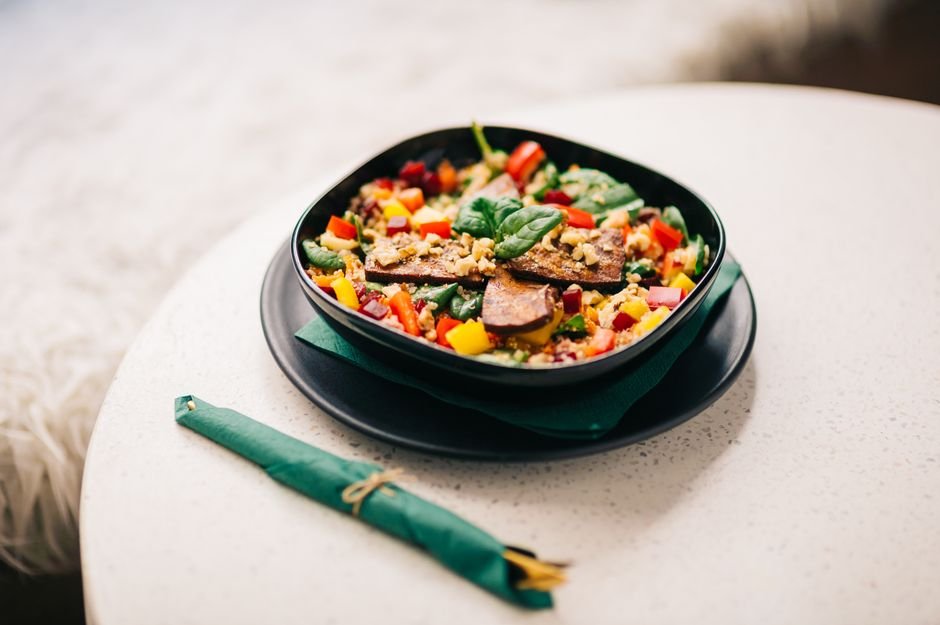
Checked kitchens from the directory: Sweet Spot Cafe → Sweet Spot Cafe is a 100% plant based restaurant in Harbour Island, Bahamas. See its verified sustainability r; NewLife Natural Vegetation Cell Food → NewLife Natural Vegetation Cell Food is a 100% plant based restaurant in Nassau, Bahamas. See its verified sus. Every kitchen listed here is checked for how plant-based the menu really is before it earns its place.
The Bahamas depends almost entirely on imported oil and gas for power, with renewables supplying under 1 per cent of electricity generation in 2023. Per-person emissions are about 7.4 tonnes of CO2, high for the region and tied to fuel imports, tourism and cooling demand across many islands. The government has set renewable targets for the late 2020s and 2030s and some solar is being added, but progress has been slow and the grid remains overwhelmingly fossil-based. As a highly climate-vulnerable archipelago still reliant on fossil fuels, it sits in the lower band.
What powers the Bahamas?
Renewable 0.9%Fossil 99.1%
Climate pollution per person
The safe amount, what the planet can absorb
2 tonnes
One person here
3.64 tonnes
The world average, for comparison
4.7 tonnes
The worst it ever got
8.8 tonnes
The grid
The Bahamas depends almost entirely on imported oil and gas for power, with renewables supplying under 1 per cent of electricity generation in 2023. Per-person emissions are about 7.4 tonnes of CO2, high for the region and tied to fuel imports, tourism and cooling demand across many islands.
Pollution
The Environmental Protection (Control of Plastic Pollution) Act 2019 came into force on 1 January 2020, banning the import, distribution, manufacture, possession, sale, supply or use of scheduled single use plastic food ware including polystyrene cups and plates, plastic cutlery and straws. Businesses had until 30 June 2020 to clear stock, and only by charging between 25 cents and one dollar for it.
Water stress
The Bahamas manufactures most of the capital's drinking water from the sea. The Water and Sewerage Corporation states that its reverse osmosis plant provides 90 per cent of the water used in New Providence, and that it no longer barges water into the capital.
What pollutes most here
1The gridThe share of electricity still generated from fossil fuel.99.5%
2IndustryCruise tourism.named
3AirModelled annual mean against a WHO guideline of 5 µg/m³.2.5
4On the recordThe Environmental Protection (Control of Plastic Pollution) Act 2019 came into force on 1 January 2020, banning the import, distribution, manufacture, possession, sale, supply or use of scheduled single use plastic food ware including polystyrene cups and plates, plastic cutlery and straws.
What has the Bahamas promised on climate?
Electricity renewable today0.5% (2021)
Land protected, against a 30% target34.6% by 2025
Sea protected, against a 30% target7.7% by 2025
Measured on delivery, 0.5% of electricity is already renewable (2021, World Bank), so 99.5% of the grid is still to be converted. The pledge on file is measured here against what has actually been delivered, not taken on its own (UNFCCC NDC Registry, CBD Kunming-Montreal Target 3).
The biggest line item
One return flight against a whole year of living.
A resident's entire year3.64 t CO2e
Safe-climate budget, per year2 t CO2e
Singapore return, economy3.08 t CO2e
Sydney return, economy2.75 t CO2e
Johannesburg return, economy2.28 t CO2e
Dubai return, economy2.24 t CO2e
Frankfurt return, economy1.37 t CO2e
How much CO2 does flying to the Bahamas emit?
Tap where you would fly from. One return flight, economy.
Every prompt runs on a machine in a building on somebody’s grid. What that costs the planet depends less on the prompt than on what is burning to power it. Here is what would power one in the Bahamas.
Data centres
1
Registered colocation and interconnection facilities, PeeringDB, 2026
Grid renewable
0.9 %
What a machine here runs on.
What powers a data centre in the Bahamas?
Almost everything a machine here consumes is burned fossil fuel.
Renewable 0.9%Fossil 99.1%
Cooling water. Every one of those halls runs on the national grid, which is 0.5% renewable today (World Bank). A data centre is only as clean as the electricity behind it, so the same figure that decides this country's climate score also decides the footprint of the AI running inside it. Cooling water use is not separately published by facility, and no operator here reports it.
The rules. Bahamas has 1 colocation and interconnection facilities on the public PeeringDB register, concentrated in Nassau (1), alongside 1 internet exchange (Ninja-IX Bahamas). Named sites include Secure Shore Data Center.
Where the cables land. 21 landing points · Alice Town, Cat Island, Caves Point, Clarence Town
5% residents to 95% visitors across a year. 7,250,000 international arrivals in 2019 against 403,033 people who live here (2025, World Bank / UN Tourism).
Where a visitor dollar goes in Bahamas
1,795k
Visitors a year
4.5
Visitors per resident
How deep in debt is the Bahamas?· for every $100 the Bahamas earns in a year, it owes…
Pay to the order of: the creditorsmemo · the 2021 peak
$ 91The worst year on the IMF record. The Bahamas owed $91 for every $100 it earned.
IMF World Economic Outlook, 2021signed, the creditors
Pay to the order of: the creditorsmemo · today
$ 72What is owed now, for every $100 of national income (2026).
IMF World Economic Outlook, 2026signed, the creditors
Pay to the order of: the creditorsmemo · projected 2031
$ 62The IMF's own forecast has this falling to $62 by 2031.
IMF World Economic Outlook projection, 2031signed, the forecast
For every $100 the Bahamas earns in a year, it owes $72 (2026, IMF World Economic Outlook). The interest on that is paid before schools, clinics or coastline get their turn.
Where does a tourist dollar actually go in the Bahamas?
Play one tourist dollar around the board. Every square is a measured fact from this page.
START!
1
GO: a visitor lands
$100 goes on the table. 7,250,000 international arrivals in 2019 against 403,033 residents, 18.0 visitors for every resident (World Bank / UN Tourism).
$100 in play
2
The bed
Who owns the largest places to stay in the Bahamas is not published in the records we can check, so this square is left open rather than guessed. Where a listing names its owner, it is shown in the ownership table below.
not published
3
The plate
Food is 20% of everything the Bahamas imports (2024, World Bank), so a large part of every restaurant bill is paid to a supplier abroad. Eating what the land here actually grows, sugarcane, grapefruits, vegetables, bananas, tomatoes, tropical fruits, oranges, coconuts, mangoes/guavas, keeps that money with the grower.
sails in
4
The power
99.5% of the electricity is fossil (2021, World Bank). Lighting, cooling and hot water are paid for largely in imported fuel.
burns away
5
What actually stays
Of the two parts of a visitor's bill that can be measured here, the plate and the power mostly leave the Bahamas. Choosing locally grown food is the part of that a visitor can actually control.
less than you think
6
Pay the bank first
The Bahamas owes $72 for every $100 it earns (IMF World Economic Outlook, 2026 projection). The interest is paid before anything else on this board.
$72 per $100
7
A spread hand
The largest single export, mineral fuels and oils, is 24.6% of the total (2023, UN Comtrade). No one shock can take the whole board.
top export 24.6%
8
Community chest
Tourism earns 59.6% of everything the Bahamas makes from exports (2020, World Bank / UN Tourism). That is how much of the economy depends on the game continuing.
59.6% of exports
9
The flight
Getting here is usually the biggest single line on the bill. From Singapore a return economy seat is 3.08 t CO2, on the UK Government's published conversion factors. It is the one part of the trip this board cannot reduce.
3.08 t CO2
10
Back to GO
The economy turns over about US$17 billion a year (IMF World Economic Outlook, 2026 projection). Every lap of this board is a choice about how much of it stays.
US$17bn
GDPUS$15.8bn
Agriculture, share of GDP0.5%
Visitors a year1,794,500
Visitors per resident4.5
Residents~403,033
Agriculture
Farming is 0.5% of the economy. This is the starkest figure in our whole Caribbean coverage, and it is verified twice over, once by the US Department of Commerce and once by a serving Bahamian minister on the record.
Natural materials
The Bahamas has the one thing no other island here has: a UNESCO designation resting on the craft itself. Nassau joined the UNESCO Creative Cities Network as a City of Crafts and Folk Art in 2014, on the strength of Junkanoo and straw work.
Energy
The Bahamas depends almost entirely on imported oil and gas for power, with renewables supplying under 1 per cent of electricity generation in 2023. Per-person emissions are about 7.4 tonnes of CO2, high for the region and tied to fuel imports, tourism and cooling demand across many islands.
Who owns the biggest hotels in the Bahamas?
By rooms · company records and press.
The FarmOwnership not publishednot published
Tiamo ResortOwnership not publishednot published
Small Hope Bay Lodge · ~22 roomsIndependentnot published
Visitors, over time
20156,112k
20166,265k
20176,136k
20186,622k
20197,250k
20201,794k
International tourism receipts run at about US$1.01 billion in 2020 (World Bank / UN Tourism). That is 59.6% of everything the country earns from exports.
How much of your money actually stays here?
Tap the holiday you are planning.
All-inclusive resortForeign-owned hotel and tourist restaurantsLocally owned stay and local restaurantsGuesthouse, markets and public transport
Resort guest, villa renter, family, nomad or backpacker. The honest playbook for each, from the same sourced numbers.
Already booked a resort? · the rescue list
Five swaps that move your money back on-island
1. Eat where the country eats Choose kitchens cooking what the land here grows, sugarcane, grapefruits, vegetables, bananas, tomatoes, tropical fruits, oranges, coconuts and mangoes/guavas, over an imported menu. The checked list →
2. Book with a local operator Never the lobby desk. The margin on a tour is the part that stays. Eco tours →
3. Stay somewhere locally owned Ownership decides where the room rate books. Eco stays →
4. Use the transport residents use Small plane or mail boat between the Out Islands, on loose schedules
5. Buy the craft, not the souvenir Natural-materials work made here pays the maker directly; imported gifts pay a shipping line.
swipe →
First time here
The Bahamas is seven hundred islands, and almost all of the interesting ones are not Nassau. Andros, the largest, is mostly forest, blue holes and creeks, with the world's third largest barrier reef along its edge and barely any traffic.
Best time: December to April is dry, sunny and cooler. Summer is hotter and wetter, and hurricane season runs June to November. Bonefishing and diving are best in the calmer months either side of winter.
Getting around
Small plane or mail boat between the Out Islands, on loose schedules
Transport is where the fare either stays or leaves.
Eating here
The everyday plate that actually grows here is sugarcane, grapefruits, vegetables, bananas, tomatoes, tropical fruits, oranges, coconuts and mangoes/guavas. Ordering those keeps the money with the grower and cuts the imported share of the meal.
Eating what the country grows is the cheapest way to cut the import bill.
Good to know
Water is expensive and finite, especially on the Out Islands, so conserve it and refill rather than buying cases.
Nearly nine tenths of the food arrives by ship, so come here for the sea rather than for the soil, and we will say that plainly rather than dress it up.
Blue holes connect directly to the freshwater lens, so no sunscreen before swimming in one. Out Island travel runs on small planes and mail boats with loose schedules, so build in slack. And bring your own bag: the plastics ban covers biodegradable bags too.
Rate my hotel. Tap yours for the honest verdict.
Ownership from company records and press.
The FarmTiamo ResortSmall Hope Bay Lodge
.
Who owns the big hotels
The FarmOwnership not published
Tiamo ResortOwnership not published
Small Hope Bay LodgeIndependent · 22 rooms
None of the 3 properties listed here publishes who ultimately owns it, so no claim is made either way. Ownership is what decides how much of a room rate stays in the country, which is why we show it when a listing states it.
Society and Governance in the Bahamas.
How well is the Bahamas actually run?
Governance, measured · World Bank WGI
Four measured answers, none of them opinion. Averaged across corruption control, delivery and accountability, the Bahamas scores 68 out of 100 (2024, World Bank Worldwide Governance Indicators). That is a state that generally does what it says it will do, which is what makes a climate pledge worth reading.
How well is Bahamas run? · each scored out of 100, higher is better
Clean government, scored 73 of 100
Control of corruption scores 72.8 out of 100 (2024, World Bank Worldwide Governance Indicators). That is above the halfway mark of governments measured.
73
Freedom and rights, scored 67 of 100
Voice and accountability, which measures free expression, free media and the ability to choose a government, scores 66.5 out of 100 (2024, World Bank WGI). Citizens have some room to question their government.
67
Government effectiveness, scored 65 of 100
Government effectiveness, which measures the quality of public services and how well policy is actually delivered, scores 65.1 out of 100 (2024, World Bank WGI). Delivery is rated above average.
65
LGBTQ+ status: LowSolo female travel: Take careIndustry to avoid: Cruise tourism
What is daily life in Bahamas really like? Measured
Getting around, breathing, throwing away, learning. The honest checklist.
TransportAirWaterWastePower
✓How you get around Small plane or mail boat between the Out Islands, on loose schedules
✓Air quality, measured Modelled annual mean 2.5. The WHO guideline is 5 µg/m³.
✓Tap water Varies
✓What to drink Reverse osmosis desalination, thin freshwater lenses on limestone, and Andros
✓Plastic rules Single use plastics from Jan 2020, including biodegradable bags and balloon releases
✓Sockets and voltage Type A/B, 120V
Made in the Bahamas.
The Bahamas has the one thing no other island here has: a UNESCO designation resting on the craft itself. Nassau joined the UNESCO Creative Cities Network as a City of Crafts and Folk Art in 2014, on the strength of Junkanoo and straw work. Every step of processing done at home is value that stops leaving the country.
What Bahamas actually sells the world
The single biggest thing Bahamas sells the world is mineral fuels and oils, 24.6% of all exports in 2023 (about US$0.17 billion, UN Comtrade). The next four are printed books and newspapers at 19.6%, ships and boats at 18.1%, fish and seafood at 9.6%, plastics at 6.7%.
Made now · natural materials
Folk Art in 2014
Worked in Bahamas from local material, and still a working craft rather than a museum piece.
Made now · natural materials
On the strength of Junkanoo
Worked in Bahamas from local material, and still a working craft rather than a museum piece.
Made now · natural materials
Dried
Worked in Bahamas from local material, and still a working craft rather than a museum piece.
Made now · natural materials
Cured
Worked in Bahamas from local material, and still a working craft rather than a museum piece.
Buys in · 7.4% of imports
Machinery and mechanical appliances
Bahamas imported US$0.31 billion of machinery and mechanical appliances in 2023, 7.4% of everything it bought abroad, and sells none of it back. Every point of that is a business that could be built at home rather than shipped in. UN Comtrade.
Buys in · 6.2% of imports
Electrical machinery and electronics
Bahamas imported US$0.26 billion of electrical machinery and electronics in 2023, 6.2% of everything it bought abroad, and sells none of it back. Every point of that is a business that could be built at home rather than shipped in. UN Comtrade.
Buys in · 5.4% of imports
Vehicles
Bahamas imported US$0.23 billion of vehicles in 2023, 5.4% of everything it bought abroad, and sells none of it back. Every point of that is a business that could be built at home rather than shipped in. UN Comtrade.
Buys in · 4.0% of imports
Works of art and antiques
Bahamas imported US$0.17 billion of works of art and antiques in 2023, 4.0% of everything it bought abroad, and sells none of it back. Every point of that is a business that could be built at home rather than shipped in. UN Comtrade.
The maths for an entrepreneur. the Bahamas produces about US$16 billion a year, which is roughly US$39,284 per person (2024, World Bank). Farming is 0.5% of that, while food is 20% of everything the country imports. The country buys in more food than its own farms contribute to the economy, and every point of that gap is a business someone could build here rather than ship in.
A living tradition of Bahamas, still practised rather than archived.
Rake-and-scrape
A living tradition of Bahamas, still practised rather than archived.
Goombay music
A living tradition of Bahamas, still practised rather than archived.
Obeah ancestral spiritual practice
A living tradition of Bahamas, still practised rather than archived.
Bush medicineA living tradition of Bahamas, still practised rather than archived.
Ring-playA living tradition of Bahamas, still practised rather than archived.
Does Bahamas protect its heritage by law?
Partly, and the gaps say as much as the protections.
What is kept alive. Bahamian living heritage centres on Junkanoo, the exuberant masquerade street parade of goatskin drums, cowbells, brass and whistles staged on Boxing Day and New Year's Day. Rake-and-scrape, played on a carpenter's saw, goatskin drum and accordion, is the islands' foundational folk sound, alongside goombay. Ancestral traditions carried from West and Central Africa endure in Obeah spiritual practice and bush medicine, and older ring-play and quadrille survive in the family islands.
Who it belongs to. Junkanoo was inscribed on the UNESCO Representative List of the Intangible Cultural Heritage of Humanity on 5 December 2023, the country's first inscription. The Bahamas government calls Junkanoo the national cultural festival, and in the country's own case to UNESCO the festival was traced back more than two centuries, its rhythms rooted in Africa. Costumes are built in community workshops known as Junkanoo shacks, which University of The Bahamas research describes as the places where groups gather for months of a season to assemble them.
Only here. The Exuma Cays Land and Sea Park, established in 1958, was the first land and sea park in the world, and the Bahamas National Trust credits it with shaping marine protected areas globally. Inagua holds the world's largest breeding colony of West Indian flamingos, around 70,000 birds. Andros has the highest concentration of blue holes in the world..
Three futures for the Bahamas, every one run forward from measured data.
Where the making actually happens
Named cultural and craft sites on the open map: Nassau Public Library & Museum (Nassau), Pompey Museum of Slavery & Emancipation (Nassau), Museum of Junkanoo (Nassau), Heritage Museum (Nassau), Bahamas Maritime Museum (City of Freeport). OpenStreetMap.
Every measured trend on one line
Run forward at the pace already recorded.
+0%
Forest cover
1995: 50.9 % → 2023: 50.9 %
-2%
CO2 per person
1995: 3.7 t → 2024: 3.64 t
-45%
Tourist arrivals
1995: 3239 k → 2020: 1794 k
+160%
Protected land
2013: 13.3 % → 2025: 34.6 %
-82%
Farm workforce
1995: 4.34 % → 2025: 0.78 %
+3750%
Protected sea
2013: 0.2 % → 2025: 7.7 %
+30%
Agricultural land
1995: 1 % → 2023: 1.3 %
+1%
Urban population
1995: 80.7 % → 2025: 81.3 %
-43%
Air pollution
1995: 9.2 µg/m³ → 2023: 5.28 µg/m³
-24%
Fresh water per person
1995: 2322 m³ → 2022: 1760.8 m³
+45%
Adult overweight
1995: 52.1 % → 2022: 75.8 %
+0%
Electricity access
1995: 100 % → 2024: 100 %
+247%
GDP per person
1995: 11375 → 2024: 39455
+34%
Population
1995: 301 k → 2025: 403 k
+1560%
Protected area, total
2013: 0.5 % → 2025: 8.3 %
+5%
Life expectancy
1995: 71.4 yrs → 2024: 74.7 yrs
+331%
Cereal yield
1995: 1793 ha → 2024: 7737 ha
+207%
Fertiliser use
1995: 33.3 ha → 2021: 102.4 ha
-3%
Rural population
1995: 19.3 % → 2025: 18.7 %
+66%
Health spending
2000: 3.8 % → 2023: 6.3 %
+0%
Forest area
1995: 5099 km2 → 2023: 5099 km2
-33%
Emissions: Agriculture
1990: 0.03 e → 2023: 0.02 e
+70%
Emissions: Building
1990: 0.23 e → 2023: 0.39 e
+50%
Emissions: Electricity/Heat
1990: 0.86 e → 2023: 1.29 e
+47%
Emissions: Energy
1990: 2.02 e → 2023: 2.97 e
-50%
Emissions: Manufacturing/Construction
1990: 0.66 e → 2023: 0.33 e
+268%
Emissions: Transportation
1990: 0.25 e → 2023: 0.92 e
World Bank open data, recorded series
How much forest is left?
Forest cover moved from 50.9% to 50.9% across 28 recorded years.
World Bank AG.LND.FRST.ZS
How much climate pollution per person?
CO2 per person moved from 3.7 t to 3.6 t across 29 recorded years.
World Bank EN.GHG.CO2.PC.CE.AR5
How many people visit?
Tourist arrivals moved from 3239k to 1794k across 25 recorded years.
World Bank ST.INT.ARVL
How much land is protected?
Protected land moved from 13.3% to 34.6% across 12 recorded years.
World Bank ER.LND.PTLD.ZS
How many people still farm?
Farm workforce moved from 4.3% to 0.8% across 30 recorded years.
World Bank SL.AGR.EMPL.ZS
How much sea is protected?
Protected sea moved from 0.2% to 7.7% across 12 recorded years.
World Bank ER.MRN.PTMR.ZS
How much land is farmed?
Agricultural land moved from 1.0% to 1.3% across 28 recorded years.
World Bank AG.LND.AGRI.ZS
How fast is it urbanising?
Urban population moved from 80.7% to 81.3% across 30 recorded years.
World Bank SP.URB.TOTL.IN.ZS
Is the air getting cleaner?
Air pollution moved from 9.2 µg/m³ to 5.3 µg/m³ across 28 recorded years.
World Bank EN.ATM.PM25.MC.M3
Is water getting scarcer?
Fresh water per person moved from 2322.0 m³ to 1760.8 m³ across 27 recorded years.
World Bank ER.H2O.INTR.PC
Is diet-related disease rising?
Adult overweight moved from 52.1% to 75.8% across 27 recorded years.
World Bank SH.STA.OWAD.ZS
Who has power?
Electricity access moved from 100.0% to 100.0% across 29 recorded years.
World Bank EG.ELC.ACCS.ZS
Is income rising?
GDP per person moved from 11375 to 39455 across 29 recorded years.
World Bank NY.GDP.PCAP.CD
How fast is it growing?
Population moved from 301k to 403k across 30 recorded years.
World Bank SP.POP.TOTL
How much land and sea is protected together?
Protected area, total moved from 0.5% to 8.3% across 12 recorded years.
World Bank ER.PTD.TOTL.ZS
How long do people live?
Life expectancy moved from 71.42 yrs to 74.71 yrs across 29 recorded years.
World Bank SP.DYN.LE00.IN
How much does a hectare of cereal produce?
Cereal yield moved from 1793 kg/ha to 7737 kg/ha across 29 recorded years.
World Bank AG.YLD.CREL.KG
How much fertiliser goes on the land?
Fertiliser use moved from 33.33 kg/ha to 102.38 kg/ha across 26 recorded years.
World Bank AG.CON.FERT.ZS
How many people still live rurally?
Rural population moved from 19.26% to 18.67% across 30 recorded years.
World Bank SP.RUR.TOTL.ZS
How much goes on health?
Health spending moved from 3.8% to 6.3% across 23 recorded years.
World Bank SH.XPD.CHEX.GD.ZS
How much forest is there in total?
Forest area moved from 5099 km2 to 5099 km2 across 28 recorded years.
World Bank AG.LND.FRST.K2
How have agriculture emissions moved?
Agriculture emissions moved from 0.03 to 0.02 MtCO2e across 33 recorded years.
Climate Watch (WRI), historical emissions
How have building emissions moved?
Building emissions moved from 0.23 to 0.39 MtCO2e across 33 recorded years.
Climate Watch (WRI), historical emissions
How have electricity/heat emissions moved?
Electricity/Heat emissions moved from 0.86 to 1.29 MtCO2e across 33 recorded years.
Climate Watch (WRI), historical emissions
How have energy emissions moved?
Energy emissions moved from 2.02 to 2.97 MtCO2e across 33 recorded years.
Climate Watch (WRI), historical emissions
How have manufacturing/construction emissions moved?
Manufacturing/Construction emissions moved from 0.66 to 0.33 MtCO2e across 33 recorded years.
Climate Watch (WRI), historical emissions
How have transportation emissions moved?
Transportation emissions moved from 0.25 to 0.92 MtCO2e across 33 recorded years.
Climate Watch (WRI), historical emissions
Worst caseCurrent pathBest case
Worst case
Every measured decline continues at the pace already recorded. The weakest pillar, food and farming at 1/5, is the one that gives way first.
Computed from: recorded series extended with no policy change
Current path
Every line above is a recorded World Bank series for this country. The current path is simply those series continuing at the pace already measured.
Computed from: recorded series, no policy change assumed
Best case
The pledges are met on their own stated timetables and the weakest pillars are lifted to match the strongest. Bahamas already shows it can do this: conservation scores 5/5.
Computed from: each published target delivered on its own date
What the best case actually asks for
Lift food and farming
It scores 1 out of 5 today, among the weakest parts of Bahamas's record. This is the starkest figure in our whole Caribbean coverage, and it is verified twice over, once by the US Department of Commerce and once by a serving Bahamian minister on the record. The Bahamas imports nearly 90 per cent of its food, at a cost of around US$1 billion a year.
The reason is geological. Agricultural land is 1.3 per cent of the land area and agriculture is 0.51 per cent of GDP, both among the lowest in the region. The Bahamas is limestone, and there is very little soil.
Government policy aims to lift agriculture from 1.5 per cent of GDP to 10 per cent by 2031, and requires foreign investors to source 40 per cent of food from local farmers and fishers.
One useful lesson in reading statistics: food is only 19.96 per cent of Bahamian merchandise imports, the lowest of the islands we compare, while the share of food consumed that is imported is the highest. The two numbers measure different things and are not interchangeable. Lifting it toward the 5/5 the strongest pillars already reach is what the best case turns on.
measured each year
Costs: spending and enforcement, not new technology
Lift organic farming
It scores 1 out of 5 today, among the weakest parts of Bahamas's record. There is very little soil to farm. Agricultural land is 1.3 per cent of the land area and agriculture is 0.51 per cent of GDP, both among the lowest in the region, because the islands are limestone.
The one genuine exception we found is The Farm on North Eleuthera, a very small cottage hotel built around a working organic farm with over 200 garden beds and a freshwater well, supplying its own kitchen and the owner's other hotels. Government policy aims to lift agriculture from 1.5 per cent of GDP to 10 per cent by 2031 and requires foreign investors to source 40 per cent of food from local farmers and fishers.
Until that lands, nearly 90 per cent of food arrives by ship and almost none of it is certified organic. Lifting it toward the 5/5 the strongest pillars already reach is what the best case turns on.
measured each year
Costs: spending and enforcement, not new technology
Lift energy
It scores 2 out of 5 today, among the weakest parts of Bahamas's record. The Bahamas depends almost entirely on imported oil and gas for power, with renewables supplying under 1 per cent of electricity generation in 2023. Per-person emissions are about 7.4 tonnes of CO2, high for the region and tied to fuel imports, tourism and cooling demand across many islands. The government has set renewable targets for the late 2020s and 2030s and some solar is being added, but progress has been slow and the grid remains overwhelmingly fossil-based. As a highly climate-vulnerable archipelago still reliant on fossil fuels, it sits in the lower band. Lifting it toward the 5/5 the strongest pillars already reach is what the best case turns on.
measured each year
Costs: spending and enforcement, not new technology
Government and Goals in the Bahamas.
Who is in charge of Bahamas now · Office-holders from the UN Protocol and Liaison Service public list of Heads of State and Heads of Government, 8 September 2026. Legislature and election dates from IFES ElectionGuide. Constitution dates from the Constitute Project. Governance scores from the World Bank Worldwide Governance Indicators 2024.
Philip Edward Davis
Prime Minister
Philip Edward Davis is the head of government of Bahamas, in office since 17 September 2021. Every climate, protection and energy pledge on this page is delivered, or not, under this administration.
Public opinion, measured
Voice and accountability, the freedom to question government: 66.5 / 100. Above the halfway mark of governments measured. World Bank WGI 2024
Control of corruption: 72.8 / 100. Above the halfway mark of governments measured. World Bank WGI 2024
Political stability and absence of violence: 83.8 / 100. Among the strongest measured. World Bank WGI 2024
Rule of law: 61.3 / 100. Above the halfway mark of governments measured. World Bank WGI 2024
Regulatory quality: 53.2 / 100. Above the halfway mark of governments measured. World Bank WGI 2024
Philip Edward DavisPrime Minister
ParliamentLegislature, bicameral
Last election12 May 2026
Constitution1973
Government typeparliamentary democracy under a constitutional monarchy; a Commonwealth realm
Bahamas national goals: what has been pledged, and how far it has got · each pledge measured against this country's own recorded delivery
2030
30% of land protected
✓ delivered
Target 3 of the Kunming-Montreal Global Biodiversity Framework, adopted by more than 190 parties in December 2022. Bahamas currently protects 34.6% of its land, which is 115% of the way to the pledge. ↗
2030
30% of sea protected
✕ far behind
The marine half of the same 30x30 pledge. Bahamas currently protects 7.7% of its territorial waters, which is 26% of the way there. ↗
2030
Paris Agreement pledge
on record
Bahamas has a Nationally Determined Contribution lodged with the UNFCCC. The registry holds the current text, its target year and the sectors it covers. ↗
Plastic policy
in force
Single use plastics from Jan 2020, including biodegradable bags and balloon releases.
Grid, as it stands
0.5% renewable
Recorded renewable share of electricity output, the number every energy pledge is measured against. ↗
Plain Answers About the Bahamas.
The questions people actually type, answered in full sentences from the sourced data above.
swipe →
Is Bahamas sustainable?
Bahamas scores 60 out of 100 on the Throne Eco Index, across twelve equally weighted pillars. The Bahamas is seven hundred islands, and almost all of the interesting ones are not Nassau. Andros, the largest, is mostly forest, blue holes and creeks, with the world's third largest barrier reef along its edge and barely any traffic. The Out Islands run at village pace, where the food is what was caught or grown that morning and the nature is the whole point.
Is the water in Bahamas safe and plentiful?
The Bahamas manufactures most of the capital's drinking water from the sea. The Water and Sewerage Corporation states that its reverse osmosis plant provides 90 per cent of the water used in New Providence, and that it no longer barges water into the capital. That barging is worth knowing about, because it lasted about 35 years.
Can Bahamas feed itself?
This is the starkest figure in our whole Caribbean coverage, and it is verified twice over, once by the US Department of Commerce and once by a serving Bahamian minister on the record. The Bahamas imports nearly 90 per cent of its food, at a cost of around US$1 billion a year. The reason is geological.
Is it easy to eat plant-based in Bahamas?
Nassau has two named produce outlets. Potter's Cay, under the Paradise Island bridge, is an open market selling fruit, vegetables, spices and preserves sourced largely from local farms, open daily. The BAIC Farmers Market on Gladstone Road, run by the agricultural corporation, sells Bahamian produce every Saturday from around 8am to 3pm, much of it brought in from the Family Islands.
How much of Bahamas is actually protected?
The Bahamas is the strongest protector in the region and it has the best origin story. 34.6 per cent of land was protected in 2024, nearly double Jamaica's, and 7.7 per cent of territorial waters, the only island here above one per cent. There are more than 30 national parks and reserves across 16 islands, managed by the Bahamas National Trust.
What wildlife is left in Bahamas?
The Bahama oriole is endangered on the IUCN Red List, downlisted from critically endangered in the 2021 assessment, and now found only on Andros. The Bahamas National Trust has put it at fewer than 300 left in the world, and early estimates of 141 to 254 individuals drove the IUCN listing, though later distance sampling in northern North Andros estimated substantially more within the study area. Its threats are unusually specific: lethal yellowing killing the introduced coconut palms it prefers for breeding, the arrival of the brood parasitic shiny cowbird, and clearance of native coppice.
Is Bahamas on clean energy?
The Bahamas depends almost entirely on imported oil and gas for power, with renewables supplying under 1 per cent of electricity generation in 2023. Per-person emissions are about 7.4 tonnes of CO2, high for the region and tied to fuel imports, tourism and cooling demand across many islands. The government has set renewable targets for the late 2020s and 2030s and some solar is being added, but progress has been slow and the grid remains overwhelmingly fossil-based.
How polluted is Bahamas?
The Environmental Protection (Control of Plastic Pollution) Act 2019 came into force on 1 January 2020, banning the import, distribution, manufacture, possession, sale, supply or use of scheduled single use plastic food ware including polystyrene cups and plates, plastic cutlery and straws. Businesses had until 30 June 2020 to clear stock, and only by charging between 25 cents and one dollar for it. Two features make this the most interesting plastics law in the region.
Does recycling work in Bahamas?
Formal recycling in the Bahamas is minimal and still emerging, which is the honest position. Waste on New Providence goes to the Harold Road site, the former landfill, which suffered repeated large fires for years and was classed by PAHO as a partially controlled hazardous dumpsite. A private operator, Renew Bahamas, ran a materials recovery facility there from around 2014 before exiting.
Is the farming in Bahamas organic?
There is very little soil to farm. Agricultural land is 1.3 per cent of the land area and agriculture is 0.51 per cent of GDP, both among the lowest in the region, because the islands are limestone. The one genuine exception we found is The Farm on North Eleuthera, a very small cottage hotel built around a working organic farm with over 200 garden beds and a freshwater well, supplying its own kitchen and the owner's other hotels.
Are there natural materials and craft in Bahamas?
The Bahamas has the one thing no other island here has: a UNESCO designation resting on the craft itself. Nassau joined the UNESCO Creative Cities Network as a City of Crafts and Folk Art in 2014, on the strength of Junkanoo and straw work. The word is plait, pronounced plat.
Is there living culture in Bahamas?
Junkanoo was inscribed on the UNESCO Representative List of the Intangible Cultural Heritage of Humanity on 5 December 2023, the country's first inscription. The Bahamas government calls Junkanoo the national cultural festival, and in the country's own case to UNESCO the festival was traced back more than two centuries, its rhythms rooted in Africa. Costumes are built in community workshops known as Junkanoo shacks, which University of The Bahamas research describes as the places where groups gather for months of a season to assemble them.
What heritage does Bahamas keep alive?
Bahamian living heritage centres on Junkanoo, the exuberant masquerade street parade of goatskin drums, cowbells, brass and whistles staged on Boxing Day and New Year's Day. Rake-and-scrape, played on a carpenter's saw, goatskin drum and accordion, is the islands' foundational folk sound, alongside goombay. Ancestral traditions carried from West and Central Africa endure in Obeah spiritual practice and bush medicine, and older ring-play and quadrille survive in the family islands.
So is the Bahamas actually green? The measured answer
What is working: land protected at 34.6%.
What is not: sea protected at 7.7% against a 30% mark, renewable electricity at 0.5% against a 100% mark.
Bahamas sits 65 of 77 at 60/100. Every name links to its own destination page, built exactly like this one. The full ranking →
What is Bahamas particularly good at?
✓Conservation, scored 5/5. The Bahamas is the strongest protector in the region and it has the best origin story. 34.6 per cent of land was protected in 2024, nearly double Jamaica's, and 7.7 per cent of territorial waters, the only island here above one per cent. There are more than 30 national parks and reserves across 16 islands, managed by the Bahamas National Trust.
The Exuma Cays Land and Sea Park was established in 1958 across 112,640 acres of land and sea. In the Trust's own words, as the first land and sea park in the world it contributed significantly to the development of marine protected areas globally. No fishing, shelling or conching of any kind is permitted. In other words, the Bahamas effectively invented the marine protected area as a category, which is a far better headline than any beach.
Inagua National Park, established 1965 across 287 square miles, holds the largest breeding colony of West Indian flamingos in the world at roughly 70,000 birds, after a forty year journey back from the edge of extinction. The Trust itself was created in 1959 out of the Society for the Protection of the Flamingo, and hired local hunters as its first wardens. Blue Holes National Park on Andros, established 2002 across 40,000 acres, protects 22 inland blue holes.
✓Culture, scored 4/5. Junkanoo was inscribed on the UNESCO Representative List of the Intangible Cultural Heritage of Humanity on 5 December 2023, the country's first inscription. The Bahamas government calls Junkanoo the national cultural festival, and in the country's own case to UNESCO the festival was traced back more than two centuries, its rhythms rooted in Africa.
Costumes are built in community workshops known as Junkanoo shacks, which University of The Bahamas research describes as the places where groups gather for months of a season to assemble them. That is what separates Junkanoo from a staged parade. The parades run on Boxing Day and New Year's Day along Bay Street in downtown Nassau, roughly from one in the morning until nine.
On indigenous heritage, be accurate. Excavations at Preacher's Cave in North Eleuthera recovered Lucayan Taino remains dated to AD 800 to 1300, alongside seventeenth century English settlers and, later, a free black community. But the Lucayans were eradicated within decades of European contact. There is no continuing Lucayan community in the Bahamas. Preacher's Cave is an archaeological heritage site, not a living indigenous community, and should be visited as one.
✓Heritage, scored 4/5. Bahamian living heritage centres on Junkanoo, the exuberant masquerade street parade of goatskin drums, cowbells, brass and whistles staged on Boxing Day and New Year's Day. Rake-and-scrape, played on a carpenter's saw, goatskin drum and accordion, is the islands' foundational folk sound, alongside goombay. Ancestral traditions carried from West and Central Africa endure in Obeah spiritual practice and bush medicine, and older ring-play and quadrille survive in the family islands. These forms are widely practised and passed down through the generations.
Where does Bahamas score worst?
✕Water, scored 2/5. The Bahamas manufactures most of the capital's drinking water from the sea. The Water and Sewerage Corporation states that its reverse osmosis plant provides 90 per cent of the water used in New Providence, and that it no longer barges water into the capital.
That barging is worth knowing about, because it lasted about 35 years. After strict rationing from the mid 1970s, when New Providence could not meet demand from groundwater, water was shipped from Andros to Nassau until expansion of the Blue Hills facility ended it. Andros is the island best endowed with fresh water, though parts of South Andros have very high salt content, and groundwater declines as you go south through the archipelago.
The constraint here is geological rather than a formal water stress ranking: thin freshwater lenses sitting on porous limestone, easily over drawn and easily contaminated.
✕Food and farming, scored 1/5. This is the starkest figure in our whole Caribbean coverage, and it is verified twice over, once by the US Department of Commerce and once by a serving Bahamian minister on the record. The Bahamas imports nearly 90 per cent of its food, at a cost of around US$1 billion a year.
The reason is geological. Agricultural land is 1.3 per cent of the land area and agriculture is 0.51 per cent of GDP, both among the lowest in the region. The Bahamas is limestone, and there is very little soil.
Government policy aims to lift agriculture from 1.5 per cent of GDP to 10 per cent by 2031, and requires foreign investors to source 40 per cent of food from local farmers and fishers.
One useful lesson in reading statistics: food is only 19.96 per cent of Bahamian merchandise imports, the lowest of the islands we compare, while the share of food consumed that is imported is the highest. The two numbers measure different things and are not interchangeable.
✕Organic farming, scored 1/5. There is very little soil to farm. Agricultural land is 1.3 per cent of the land area and agriculture is 0.51 per cent of GDP, both among the lowest in the region, because the islands are limestone.
The one genuine exception we found is The Farm on North Eleuthera, a very small cottage hotel built around a working organic farm with over 200 garden beds and a freshwater well, supplying its own kitchen and the owner's other hotels. Government policy aims to lift agriculture from 1.5 per cent of GDP to 10 per cent by 2031 and requires foreign investors to source 40 per cent of food from local farmers and fishers.
Until that lands, nearly 90 per cent of food arrives by ship and almost none of it is certified organic.
Similar countries doing it better and worse
BelizeScored on the same twelve pillars as Bahamas.78
St Vincent and the GrenadinesScored on the same twelve pillars as Bahamas.75
JamaicaScored on the same twelve pillars as Bahamas.73
Turks & CaicosScored on the same twelve pillars as Bahamas.52
British Virgin IslandsScored on the same twelve pillars as Bahamas.48
St BarthsScored on the same twelve pillars as Bahamas.47
A note from the lens of mother natureswipe →
Energy, 2/5
The Bahamas depends almost entirely on imported oil and gas for power, with renewables supplying under 1 per cent of electricity generation in 2023. Per-person emissions are about 7.4 tonnes of CO2, high for the region and tied to fuel imports, tourism and cooling demand across many islands.
Food and farming, 1/5
This is the starkest figure in our whole Caribbean coverage, and it is verified twice over, once by the US Department of Commerce and once by a serving Bahamian minister on the record. The Bahamas imports nearly 90 per cent of its food, at a cost of around US$1 billion a year.
Consequence: It is the lowest-scoring part of Bahamas's record, so it is where the score moves first.
Heritage, 4/5
Bahamian living heritage centres on Junkanoo, the exuberant masquerade street parade of goatskin drums, cowbells, brass and whistles staged on Boxing Day and New Year's Day. Rake-and-scrape, played on a carpenter's saw, goatskin drum and accordion, is the islands' foundational folk sound, alongside goombay.
The Bahamas Directory.
Everything on Hold The Throne that sits in Bahamas, checked and listed.
World Bank Worldwide Governance Indicators, 2024. Percentile among all governments measured.
Government effectiveness
65.1 / 100
World Bank Worldwide Governance Indicators, 2024. Percentile among all governments measured.
Rule of law
61.3 / 100
World Bank Worldwide Governance Indicators, 2024. Percentile among all governments measured.
Political stability
83.8 / 100
World Bank Worldwide Governance Indicators, 2024. Percentile among all governments measured.
Voice and accountability
66.5 / 100
World Bank Worldwide Governance Indicators, 2024. Percentile among all governments measured.
Environmental Performance Index
55.9 / 100 · 38 of 180
Yale Environmental Performance Index 2024, ranked 38 of 180 countries assessed.
Ecosystem vitality
53.3 / 100 · 74 of 180
Yale Environmental Performance Index 2024, ranked 74 of 180 countries assessed.
Biodiversity and habitat
46.4 / 100 · 100 of 180
Yale Environmental Performance Index 2024, ranked 100 of 180 countries assessed.
Air pollution
66.1 / 100 · 110 of 180
Yale Environmental Performance Index 2024, ranked 110 of 180 countries assessed.
Terrestrial biomes protected
82.6 / 100 · 41 of 180
Yale Environmental Performance Index 2024, ranked 41 of 180 countries assessed.
Marine protected areas
77.8 / 100 · 57 of 131
Yale Environmental Performance Index 2024, ranked 57 of 131 countries assessed.
How the Bahamas Is Scored. The Throne Standard.
Every destination on the index is scored the same way, so a 4 in Barbados means exactly what a 4 means in Iceland. No self-declared data and no brochure claims are accepted. Every figure on this page carries its named source and year, and the history on each page names what empire took as plainly as it scores the present.
The 12 pillars every destination is scored on, equally weighted
01
Conservation
Land and sea actually protected, not pledged
02
Wildlife
What survives, what is endemic, what is lost
03
Water
Fresh water per person, and the ocean’s health
04
Food & farming
Whether the place can feed itself
05
Organic & clean
Certified land and pesticide reality
06
Climate & energy
Emissions per person, how the grid is powered
07
Waste
Where the rubbish goes, what comes back
08
Health
What people eat and die of
09
Heritage
Living culture, and what the law keeps standing
10
Ownership
Who owns the economy, how much of a dollar stays
11
Governance
Freedom, honesty, promises kept
12
Future
Measured trends run forward, pledges against pace
What each 0 to 5 pillar score means, in plain words
The institutions above are the ones cited on this page, ranked by how many of its figures they carry. This same sectioned page renders for all 77 scored destinations, each with its own researched history, comparison charts and three-way future. Read the full methodology
Every figure on this page, and where it came from: 103 sources across 44 institutions
World Bank16 FIGURES
forest cover 50.9%, 2023
Forest area (% of land area) AG.LND.FRST.ZS, 2023 check
Terrestrial protected areas (% of land) ER.LND.PTLD.ZS, 2025 check
Marine protected areas (% of territorial waters) ER.MRN.PTMR.ZS, 2025 check
Renewable electricity output (% of total) EG.ELC.RNEW.ZS, 2021 check
CO2 emissions per capita EN.GHG.CO2.PC.CE.AR5, 2024 check
Food imports (% of merchandise imports), Bahamas (compiled from UN Comtrade), One useful lesson in reading statistics: food is only 19.96 per cent of Bahamian merchandise imports, the lowe check
Food imports (% of merchandise imports), Bahamas (compiled from UN Comtrade) corroboration check
Terrestrial protected areas (% of total land area), Bahamas (from UNEP-WCMC World Database on Protected Areas), 34.6 per cent of land was protected in 2024, nearly double Jamaica's, and 7.7 per cent of territorial waters check
Terrestrial protected areas (% of total land area), Bahamas (from UNEP-WCMC World Database on Protected Areas) corroboration check
Terrestrial protected areas (% of total land area), Bahamas (from UNEP-WCMC World Database on Protected Areas) corroboration check
Terrestrial protected areas (% of total land area), Bahamas (from UNEP-WCMC World Database on Protected Areas) corroboration check
Electricity production from oil, gas and coal sources (% of total), Bahamas, As a highly climate-vulnerable archipelago still reliant on fossil fuels, it sits in the lower band. check
Electricity production from oil, gas and coal sources (% of total), Bahamas corroboration check
Electricity production from oil, gas and coal sources (% of total), Bahamas corroboration check
Government expenditure on education (% of GDP), Bahamas (source data: UNESCO Institute for Statistics), Public spending on education runs at 2.7% of GDP and 10.6% of all government spending, and secondary enrolment check
Government expenditure on education (% of GDP), Bahamas (source data: UNESCO Institute for Statistics) corroboration check
Government expenditure on education (% of GDP), Bahamas (source data: UNESCO Institute for Statistics) corroboration check
GBIF species service11 FIGURES
IUCN Red List category for Eretmochelys imbricata (hawksbill turtle), Critically Endangered on the IUCN Red List, and recorded in Bahamas in GBIF occurrence data (turtle). check
IUCN Red List category for Eretmochelys imbricata (hawksbill turtle) corroboration check
IUCN Red List category for Eretmochelys imbricata (hawksbill turtle) corroboration check
IUCN Red List category for Pristis pectinata (smalltooth sawfish), Critically Endangered on the IUCN Red List, and recorded in Bahamas in GBIF occurrence data (shark or ray). check
IUCN Red List category for Pristis pectinata (smalltooth sawfish) corroboration check
IUCN Red List category for Pristis pectinata (smalltooth sawfish) corroboration check
IUCN Red List category for Pristis pectinata (smalltooth sawfish) corroboration check
IUCN Red List category for Acropora palmata (elkhorn coral), Critically Endangered on the IUCN Red List, and recorded in Bahamas in GBIF occurrence data (coral). check
IUCN Red List category for Acropora palmata (elkhorn coral) corroboration check
IUCN Red List category for Acropora palmata (elkhorn coral) corroboration check
IUCN Red List category for Acropora palmata (elkhorn coral) corroboration check
UNESCO adds Junkanoo to Intangible Cultural Heritage list, 6 December 2023, Junkanoo was inscribed on the UNESCO Representative List of the Intangible Cultural Heritage of Humanity on 5 check
UNESCO adds Junkanoo to Intangible Cultural Heritage list, 6 December 2023 corroboration check
UNESCO adds Junkanoo to Intangible Cultural Heritage list, 6 December 2023 corroboration check
UNESCO adds Junkanoo to Intangible Cultural Heritage list, 6 December 2023 corroboration check
BirdLife International, IUCN and UNEP-WCMC3 FIGURES
UN SDG Global Database, terrestrial Key Biodiversity Areas covered by protected areas (%) ER_PTD_TERR, Bahamas, 2025 (29.8%), country-reported check
UN SDG Global Database, marine Key Biodiversity Areas covered by protected areas (%) ER_MRN_MPA, Bahamas, 2025 (30.2%), country-reported check
UN SDG Global Database, freshwater Key Biodiversity Areas covered by protected areas (%) ER_PTD_FRHWTR, Bahamas, 2025 (0%), country-reported check
Other published sources3 FIGURES
Among the lowest; Turks and Caicos 1.05% and Suriname 0.45% are lower on agricultural land, and Aruba 0.04%, Curacao 0.28%, Turks and Caicos 0.35% and Cayman 0.45% are lower on agriculture's share of GDP check
Creative Nassau (the Bahamian non-profit that made the application), Nassau joined the UNESCO Creative Cities Network as a City of Crafts and Folk Art in 2014, on the strength of check
Creative Nassau (the Bahamian non-profit that made the application) corroboration check
FAOSTAT Production: Crops and livestock products, Americas bulk file (domain QCL), By tonnage, the largest crops grown in Bahamas are sugarcane, pomelos and grapefruits, bananas and tomatoes (F check

 BelizeScored on the same twelve pillars as Bahamas.78
 St Vincent and the GrenadinesScored on the same twelve pillars as Bahamas.75
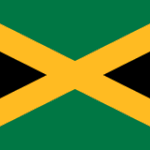 JamaicaScored on the same twelve pillars as Bahamas.73
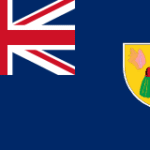 Turks & CaicosScored on the same twelve pillars as Bahamas.52
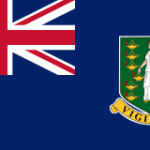 British Virgin IslandsScored on the same twelve pillars as Bahamas.48
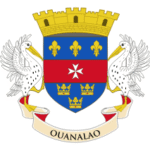 St BarthsScored on the same twelve pillars as Bahamas.47