The questions people actually type, answered in full sentences from the sourced data above.
Is British Virgin Islands sustainable?
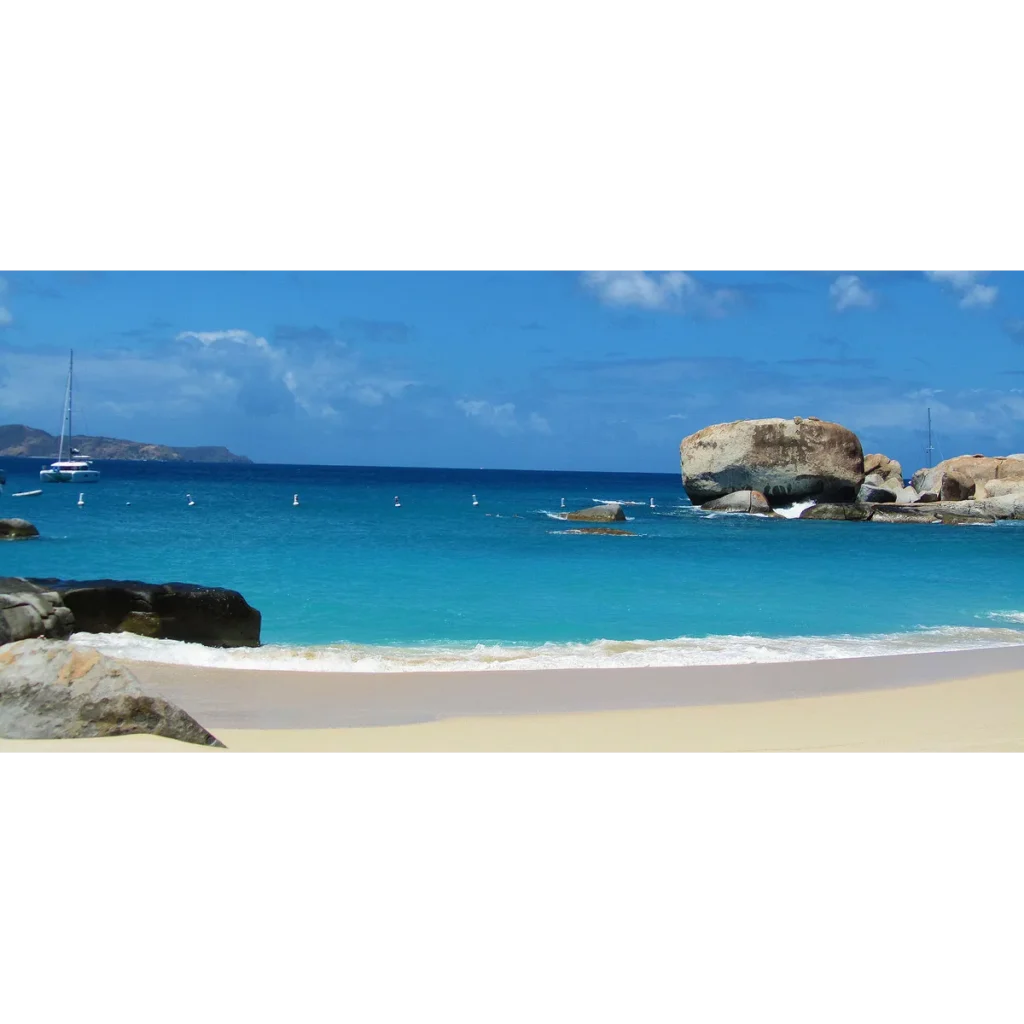
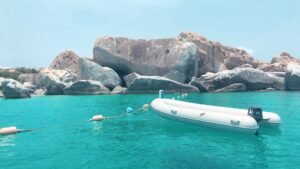
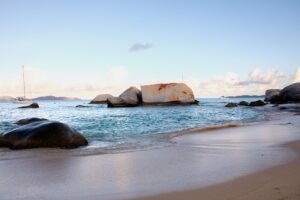
British Virgin Islands scores 48 out of 100 on the Throne Eco Index, across twelve equally weighted pillars. The British Virgin Islands are sailing country: sixty odd islands and cays close enough together that you hop between them by boat. On land, Sage Mountain National Park on Tortola protects the last of the island's original rainforest, and Virgin Gorda's Baths are a genuine geological oddity. It is small, quiet and easy to travel slowly.
Is the water in British Virgin Islands safe and plentiful?
The British Virgin Islands have no natural freshwater sources of consequence, so supply depends on reverse osmosis desalination, on Tortola and Virgin Gorda for the public system, with a plant on Jost Van Dyke. Many households also collect rainwater into cisterns. If you are on a boat you are on a fixed tank, so fresh water is countable.
Can British Virgin Islands feed itself?
The territory imports the great majority of its food and knows it. The Virgin Islands Food Security and Sustainability Act 2022 has been passed, and food security is written into the National Sustainable Development Plan, Vision 2036, launched in February 2023. We are not printing a headline import percentage.
Is it easy to eat plant-based in British Virgin Islands?
We could not verify a named public produce market with days and location for the BVI, so we will not pretend there is a local food scene to build a trip around. This is a sailing destination where provisioning is largely imported. Eat well, but do it with your eyes open.
How much of British Virgin Islands is actually protected?
The framework is broad. The National Parks Trust manages 19 land based national parks, five of which are bird sanctuaries, plus one marine park. Separately the Conservation and Fisheries Department oversees 14 fisheries protected areas, and Agriculture manages six watershed protected areas and one forestry area.
What wildlife is left in British Virgin Islands?
Eight of the 31 indigenous amphibian and reptile species are endemic, along with nine vascular plants found only here or nearly so. Anegada is the whole story. It holds the last natural population on earth of the Critically Endangered Anegada rock iguana.
Is British Virgin Islands on clean energy?
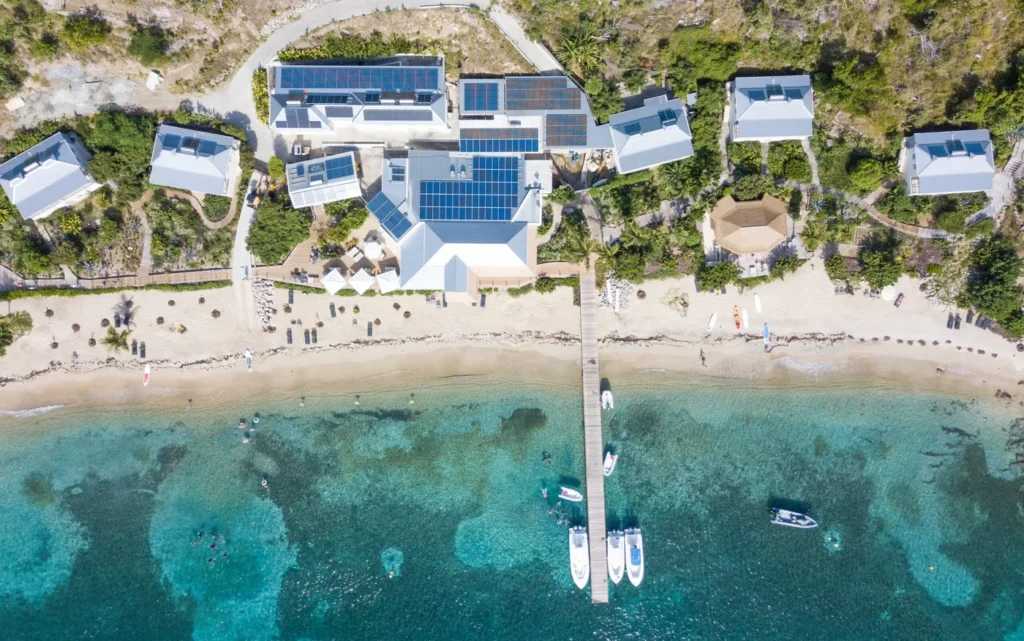
The British Virgin Islands generate around 99 per cent of their electricity from imported diesel, with renewables supplying only about 1 per cent from small wind and solar installations. Per-capita emissions are relatively low at roughly 1.7 tonnes of CO2, but this reflects a small island economy rather than a clean grid. The territory has explored solar and greater renewable uptake, yet delivery remains minimal and the system stays heavily fossil-dependent.
How polluted is British Virgin Islands?
Be careful with what you read about plastic here. A minister announced plans to ban plastic straws and Styrofoam imports on 4 September 2018, and Cabinet is reported to have agreed a policy on 8 November 2018 covering non compostable food containers and non biodegradable single use bags. We could find no named Act, Ordinance or Regulation with a commencement date, so this is policy announced rather than a ban in force.
Does recycling work in British Virgin Islands?
Split between a real failure and a real effort. The incinerator at Pockwood Pond on Tortola has been offline since a fire in February 2021, and landfill fires have been frequent since, worst for First District residents. Fixing it has been repeatedly named a government priority.
Is the farming in British Virgin Islands organic?
One genuinely good operation carries this pillar. Good Moon Farm on the north side of Tortola describes itself as a family owned regenerative organic farm, growing leafy crops and tropical fruit, planting by the lunar calendar, fertilising with natural manures and keeping the soil free of insecticides. It does farm boxes delivered anywhere in the territory, farm tours and farm to table dinners by appointment.
Are there natural materials and craft in British Virgin Islands?
We are scoring this low and explaining why, because the BVI's material tradition is real but it is not something you can put in your bag. The Tortola sloop is the territory's defining plant material craft. These trading sloops were built here from as early as the 18th century, carrying passengers and cargo between the islands and making the BVI a major supplier of cattle and produce to the US Virgin Islands.
Is there living culture in British Virgin Islands?
The living heritage work here is maritime and conservation led rather than village craft. The Virgin Islands Sloop Foundation preserves and sails the last traditionally built Tortola boats, with public programming, and named boats and builders are on the record: Sea Moon and Moon Beam by Anegada boatbuilder Watson White, Youth Instructor by Osmond Davies. On Anegada, the National Parks Trust's iguana work is tied into local schools and into working with the community on feral cat removal, which is a genuine community conservation link even though it is not set up as a visitor pays experience.
What heritage does British Virgin Islands keep alive?
The islands sustain a living Afro-Caribbean culture expressed through fungi (scratch band) music and quadrille and heel-and-toe dancing. The annual Emancipation Festival marks the end of slavery and remains the cultural high point of the year. Ancestral knowledge survives in Anansi storytelling and in bush medicine drawn from African and Caribbean plant lore.

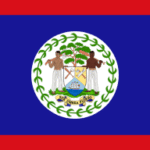 BelizeScored on the same twelve pillars as British Virgin Islands.78
 St Vincent and the GrenadinesScored on the same twelve pillars as British Virgin Islands.75
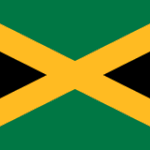 JamaicaScored on the same twelve pillars as British Virgin Islands.73
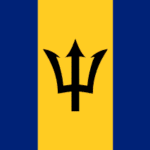 BarbadosScored on the same twelve pillars as British Virgin Islands.57
 Turks & CaicosScored on the same twelve pillars as British Virgin Islands.52
 St BarthsScored on the same twelve pillars as British Virgin Islands.47