Destinations › Caribbean · The Destination Index · universal template · every figure sourced
Dominican Republic.
Caribbean, eastern two-thirds of the island of Hispaniola, between the Caribbean Sea and the North Atlantic Ocean, east of Haiti. 48,670 sq km and 11,520,487 people, 1,288 km of coastline, tropical maritime; little seasonal temperature variation; seasonal variation in rainfall.
Region · CaribbeanPopulation · ~11,520,487Languages · Spanish, Haitian Creole, Samana EnglishEco Index · 63/100 · Passable
The Eco Index across 12 pillars · scored 0 to 5 · World Bank, OWID, WHO/UNICEF JMP, FiBL, Protected Planet, IUCN, UNESCO (2023-24)
Conservation
Wildlife
Water
Food & farming
Organic & clean
Climate & energy
Waste
Health
Heritage
Ownership
Governance
Future
The History of the Dominican Republic.
Dominican living heritage is anchored in merengue and bachata, both born on the island and now danced daily and worldwide. Afro-Dominican traditions run deep through palos or atabales drumming, the processional gaga of the sugar bateyes and the Cocolo dance drama of San Pedro de Macoris.
Where the name comes from
The Taíno called the island Quisqueya and Ayiti. The republic takes its name from Santo Domingo, itself named for Saint Dominic. Source: national and regional toponymic records.
The land itself: rugged highlands and mountains threaded with fertile valleys. Its high point is Pico Duarte, 3,098 m. Source: national mapping and survey records.
Where it starts
Quisqueya
Hispaniola was first inhabited around 5000 BC. By the time of contact the island was organised into five cacicazgos, chiefdoms held by caciques including Guacanagarix, Guarionex and Cayacoa. The Taino called the island Quisqueya, land for which there is none better. Their stone axes, carved cemis and ceremonial ball courts survive at the Museo del Hombre Dominicano, whose collection holds the largest quantity of cultural material from the first inhabitants of Hispaniola.
How it got here
Enriquillo, Lemba, and three roots
Within two generations of 1492 the five chiefdoms were destroyed by warfare, forced labour and disease. The cacique Enriquillo led a fourteen-year rebellion from the Bahoruco mountains between 1519 and 1533, the best known Indigenous rebellion of the early Caribbean, ending in a negotiated peace. African maroon leaders including Sebastian Lemba held territory of their own. The national museum names Lemba, Las Casas and Enriquillo as the three roots of Dominican culture: African, Spanish and Taino. Independence was declared on 27 February 1844.
The timeline
c. 5000 BC
The island is settled.
Hispaniola is first inhabited, among the earliest settlement anywhere in the Caribbean. ↗
Before 1492
Quisqueya.
The Taino called the island Quisqueya, land for which there is none better, and called themselves Quisqueyanos. ↗
Before 1492
Five cacicazgos.
The island was organised into five chiefdoms. Guacanagarix held the north-west, Guarionex the north-east and Cayacoa the south-eastern Higuey, alongside Maguana and Xaragua. ↗
Before 1492
Carving, cemis and ball courts.
Taino stone axes, carved cemis representing deities and ancestors, and ceremonial ball courts survive at the Museo del Hombre Dominicano in Santo Domingo, which holds the largest quantity of cultural material from the first inhabitants of Hispaniola. ↗
1492
Contact.
A Spanish expedition reaches the island and founds the first sustained European settlement in the Americas. ↗
1492 to 1542
The destruction of the cacicazgos.
Within roughly two generations the five chiefdoms were destroyed, through warfare, forced labour and introduced disease. ↗
1519 to 1533
Enriquillo's rebellion.
The Taino cacique Enriquillo led a fourteen-year rebellion in the Bahoruco mountains, the best known Indigenous rebellion of the early Caribbean, ending in a negotiated peace. He is a national figure in both the Dominican Republic and Haiti. ↗
1500s
Sebastian Lemba.
African maroon leaders including Sebastian Lemba held territory against colonial forces. The Museo del Hombre Dominicano names Lemba, Las Casas and Enriquillo as the three roots of Dominican culture: African, Spanish and Taino. ↗
1821 and 1844
Independence.
A first independence from Spain is followed by Haitian rule, then independence declared on 27 February 1844. ↗
1973
The national museum opens.
The Museo del Hombre Dominicano opens in Santo Domingo on 12 October 1973, holding the largest quantity of cultural material from the first inhabitants of Hispaniola. ↗
Nature and Biodiversity in the Dominican Republic.
26.2 per cent of land and 13.3 per cent of marine territory were protected in 2024, and both figures have fallen, marine sharply from 17.3 per cent in 2022 and 2023. Forest cover is 45 per cent and rising. The question is whether any of it is working, and the honest answer is that mostly nobody has checked.
Is wild Dominican Republic protected? 26.3% of the land is, against a 30% target for 2030
How protected is nature in Dominican Republic?
Forest cover44.99%
Terrestrial protected area26.3%
Marine protected area13.3%
160 (mammals, birds, fish & plants) listed as threatened.
Found only here. Hispaniola endemics: solenodon, hutia, palmchat, Ridgway's hawk
The watchlist
ThreatenedRidgway's Hawk (Buteo ridgwayi)Critically Endangered on the IUCN Red List, and recorded in Dominican Republic in GBIF occurrence data (bird).
ThreatenedEretmochelys imbricataCritically Endangered on the IUCN Red List, and recorded in Dominican Republic in GBIF occurrence data (turtle).
ThreatenedBrain coral (Pseudodiploria strigosa)Critically Endangered on the IUCN Red List, and recorded in Dominican Republic in GBIF occurrence data (coral).
ThreatenedGiant Window Pane Palm (Reinhardtia paiewonskiana)Critically Endangered on the IUCN Red List, and recorded in Dominican Republic in GBIF occurrence data (plant).
ThreatenedMillepora complanataCritically Endangered on the IUCN Red List, and recorded in Dominican Republic in GBIF occurrence data (coral).
ThreatenedBrain coral (Diploria labyrinthiformis)Critically Endangered on the IUCN Red List, and recorded in Dominican Republic in GBIF occurrence data (coral).
Critically Endangered, the last IUCN category before Extinct in the Wild, and still recorded in Dominican Republic. GBIF holds 457 verified occurrence records.
Eretmochelys imbricata
Critically Endangered, the last IUCN category before Extinct in the Wild, and still recorded in Dominican Republic. GBIF holds 6 verified occurrence records.
Brain coral (Pseudodiploria strigosa)
Critically Endangered, the last IUCN category before Extinct in the Wild, and still recorded in Dominican Republic. GBIF holds 10 verified occurrence records.
Species named here are drawn from GBIF occurrence records for Dominican Republic filtered to the IUCN Red List threatened categories. Species are listed where GBIF holds occurrence records for them in this country. Record counts are not published here because the figure cannot be reproduced from a public GBIF query.
National park in La Vega, mapped and named in the open record for Dominican Republic. OpenStreetMap.
Water and Ocean in the Dominican Republic.
Read these two numbers together, because either one on its own misleads. 97.5 per cent of the population had at least basic drinking water in 2024. Only 45.3 per cent had safely managed drinking water, meaning available when needed, on the premises and free from contamination.
Does the Dominican Republic have enough fresh water? Under pressure
45.3% of people here have safely managed drinking water at home (2024, WHO/UNICEF JMP). Coverage is well short of universal, so a visitor should not assume the tap is safe.
Cleanest water: Bahia de las Aguilas in Jaragua National Park, one of the most crystalline beaches
How much fresh water does the Dominican Republic have, per person?
2,092 m³
Dominican Republic
1,000 m³
the UN “water scarce” line
Dominican Republic withdraws about 7,137 million cubic metres of fresh water a year (2022). That is 39.6% of the fresh water actually available to it, which FAO counts as medium water stress. Of what is taken, farming takes 83%, homes and towns 9%, industry 7%. Source: FAO AQUASTAT.
What are the rules on Dominican Republic beaches?
✕Tap water: Not drinkable.
✓Plastic rules: Law 225-20 from Oct 2025, poorly complied with; Law 98-25 phases it through 2026 and 2027.
✕Solo travel: rated take care on the record for this destination.
✕Marine protection: 13% of the sea is protected. The 30x30 pledge for 2030 is not met yet.
Named on the open map: Cabarete Beach Houses, Playa Bucanye, Playa Chiquita, Playa De Los Gringos, Playa Ermita, Playa Guayacanes, Playa Isla Catalina, Playa Juan Dolio. That is 17 named beaches in the public record for Dominican Republic, each one a place you can look up before you go. OpenStreetMap.
Where does the sewage go?
43.0%
of people have safely managed sanitation
43.0% of people here use a safely managed sanitation service, meaning waste is contained, emptied and treated rather than reaching the ground or the sea untreated (2024, World Bank / WHO-UNICEF JMP, SDG 6.2.1). The rest is what the rivers and the coast receive.
How is the sea around Dominican Republic doing?
One cross-section, every answer measured.
Surface
What the coast carries
Humpback whales in Samana Bay mid-January to late March (peak February, ~2,000 whales). Sea-turtle nesting March–November on Saona Island and the south-east.
Nearshore
Protected water
13.3% of territorial waters are protected, against the 30% pledged for 2030 under the Global Biodiversity Framework.
Cleanest
Where the water is cleanest
Bahia de las Aguilas in Jaragua National Park, one of the most crystalline beaches.
The record
Measured
Read these two numbers together, because either one on its own misleads. 97.5 per cent of the population had at least basic drinking water in 2024.
Sea protected
13%
Against the 30% pledged for 2030 under the Global Biodiversity Framework.
Threatened species
160 (mammals, birds, fish & plants)
Mammals, birds, fish and higher plants on the IUCN list.
Cleanest water
here
Bahia de las Aguilas in Jaragua National Park, one of the most crystalline beaches.
Is the tap water safe in Dominican Republic?
45.3% of people have safely managed drinking water at home (2024, WHO/UNICEF JMP). Renewable fresh water works out at about 2,092 cubic metres per person a year (World Bank).
How hard is the water supply being pushed?
Of every 10 buckets nature refills, 4 are already taken. Withdrawals run at 39.5% of what the Dominican Republic renews internally each year (2022, World Bank / FAO AQUASTAT). That is past the 25% mark generally treated as water stress, so the supply is being pushed towards its limit.
When is the best time to visit Dominican Republic? Tap your month.
Tap your month.
JanFebMarAprMayJunJulAugSepOctNovDec
.
How much fresh water does Dominican Republic actually have?
Nature renews about 2,092 cubic metres of fresh water per person per year here. That ranks the Dominican Republic 81 of 208 countries measured, putting it in the drier half of the world. The UN treats anything under 1,000 cubic metres as water scarce, and this is above that line. World Bank / FAO AQUASTAT.
This is where the Dominican Republic is genuinely world class. On the Ministry of Agriculture's own accounting, 2024 production gave 90 per cent self sufficiency against estimated consumption, so only around a tenth of food is imported by volume. Rice self sufficiency is 106 per cent.
Where does the food in Dominican Republic come from?
17.3% imported
about US$5,131m a year
On the plate: Rice, red and black beans and plantains form the core (national dish 'La Bandera'), plus cassava, taro, sweet potato, yam, maize, bananas, peanuts and coconut.
How often each food is on the plate
Share of people eating each one regularly. These overlap, so they do not add up to 100%.
Rice60%
Black beans51%
Cassava33%
Taro24%
Sweet potato15%
2 of 10
bites are imported
The island buys in more food energy than it eats. About US$5,131m a year leaves the country to pay for it. The green slice is roughly what still grows here.
About 17.2% of everything the Dominican Republic buys in from abroad is food, roughly 2 in every 10 imported items on the dock (2024, World Bank). Farming itself is 4.6% of the economy and 55.4% of the land is agricultural, of which 20.2% is arable. The green slice is roughly what still grows here.
What is killing people in the Dominican Republic? The imported diet.
Cause of death, and the diet behind it.
Non-communicable diseases, all combined63.7%
Diabetes17.6%
Adults living with overweight or obesity. 63.3%.
Can the Dominican Republic feed itself?
20.2%
Arable land
55.4%
Agricultural land
386,383
Farmers
2,411,151
Arable acres
4.6%
Agriculture, share of GDP
Harvest: Signature export crops: sugar, cocoa and coffee
Feeding itself
This is where the Dominican Republic is genuinely world class. On the Ministry of Agriculture's own accounting, 2024 production gave 90 per cent self sufficiency against estimated consumption, so only around a tenth of food is imported by volume.
Certification
The best organic record in the region by a distance, and it is the FAO saying so rather than us. On FAO key statistics dated 2015, the Dominican Republic was the world's largest producer of organic bananas, accounting for more than 55 per cent of global organic banana production, with around 12,000 hectares and over 1,000 growers, and roughly 95 per cent of its organic banana exports going to the EU, supplying nearly half that market. Total Dominican banana exports have since fallen to 255,000 tonnes in 2024 and an estimated 250,000 tonnes in 2025.
Water for crops
Read these two numbers together, because either one on its own misleads. 97.5 per cent of the population had at least basic drinking water in 2024.
Why the organic number looks like that. Certified-organic farmland is not separately reported for the Dominican Republic, and that is a certification gap rather than proof nothing is grown cleanly. What the official land record does show: 55.4% of the country is agricultural land and 20.2% is arable (2023, World Bank). Certification is paid for per farm per year by a foreign body, which prices out smallholders, so the organic number reads worse than the practice.
The plant-based kitchen here is not an import. By tonnage, the largest crops grown in Dominican Republic are sugarcane, bananas, papayas, plantains and cooking bananas, avocados and watermelons (FAO, FAOSTAT crop production, 2024). That is what the land itself puts on a plate.
Buy direct where residents buy: El Parquecito Market, Elias Piña Mercado, MERCADO NUEVO, Mercado Las Matas de Santa Cruz, Mercado Publico, Mercado Público de Jarabacoa. Each is a mapped, named marketplace, so the money stays with the seller rather than the importer. OpenStreetMap.
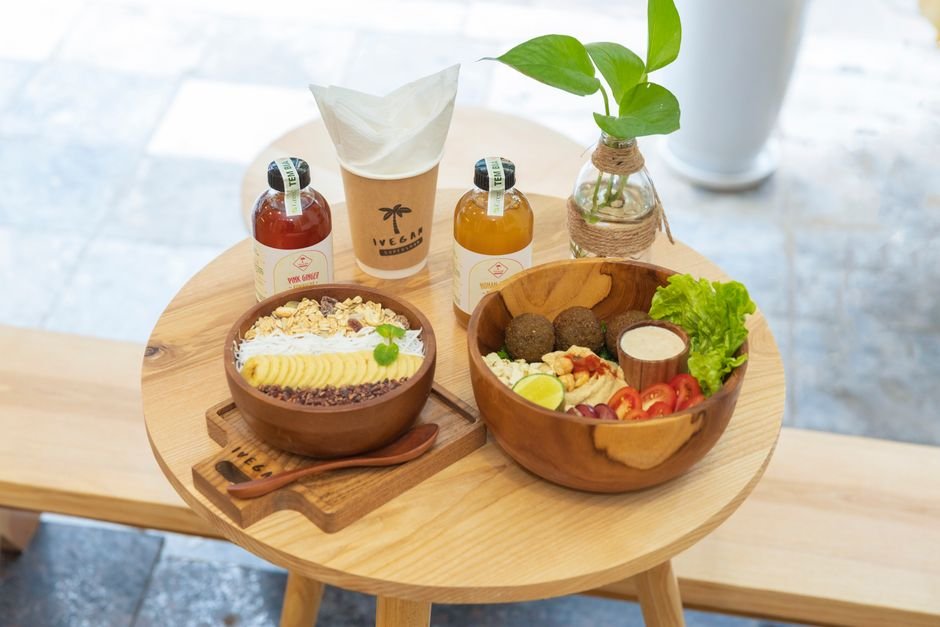
Checked kitchens from the directory: Jardin Verde → Jardin Verde is a restaurant in Dominican Republic. See its verified sustainability rating and review to help; Yao Veggie Garden → Yao Veggie Garden is a 100% plant based restaurant in Santo Domingo, Dominican Republic. See its verified sust. Every kitchen listed here is checked for how plant-based the menu really is before it earns its place.
The Dominican Republic's electricity mix remains predominantly fossil-based, with roughly 79% from gas and coal and only about 21% from low-carbon sources, though solar at around 9% and wind near 5% are now growing (Low Carbon Power, 2025). Per-person emissions are moderate at about 2.9 tonnes of CO2 in 2024, reflecting relatively low consumption rather than a clean grid (Our World in Data). Natural gas at close to 40% and coal at nearly a third still anchor generation. Renewable capacity is being added but the system stays fossil-dependent.
What powers the Dominican Republic?
Renewable 23.8%Fossil 76.2%
Climate pollution per person
The safe amount, what the planet can absorb
2 tonnes
One person here
2.99 tonnes
The world average, for comparison
4.7 tonnes
The worst it ever got
3 tonnes
The grid
The Dominican Republic's electricity mix remains predominantly fossil-based, with roughly 79% from gas and coal and only about 21% from low-carbon sources, though solar at around 9% and wind near 5% are now growing (Low Carbon Power, 2025). Per-person emissions are moderate at about 2.9 tonnes of CO2 in 2024, reflecting relatively low consumption rather than a clean grid (Our World in Data).
Pollution
The Dominican Republic scores lowest of anywhere we cover on this pillar, and the record explains why. Law 225-20 prohibited the free distribution of single use plastic bags and the use of expanded polystyrene, but carried a five year grace period that only expired on 2 October 2025.
Water stress
Read these two numbers together, because either one on its own misleads. 97.5 per cent of the population had at least basic drinking water in 2024.
What pollutes most here
1The gridThe share of electricity still generated from fossil fuel.82.9%
2IndustryGold mining (Pueblo Viejo, one of the world's largest gold mines).named
3AirModelled annual mean against a WHO guideline of 5 µg/m³.13.73
4On the recordThe Dominican Republic scores lowest of anywhere we cover on this pillar, and the record explains why.
What has the Dominican Republic promised on climate?
Net zero, whole economy2050
Electricity renewable today17.1% (2021)
Land protected, against a 30% target26.3% by 2025
Sea protected, against a 30% target13.3% by 2025
The net-zero target year on file with Climate Watch is 2050, status: in policy document. Measured against it, 17.1% of electricity is already renewable (2021, World Bank), so 82.9% of the grid is still to be converted. The pledge on file is measured here against what has actually been delivered, not taken on its own (UNFCCC NDC Registry, CBD Kunming-Montreal Target 3).
The biggest line item
One return flight against a whole year of living.
A resident's entire year2.99 t CO2e
Safe-climate budget, per year2 t CO2e
Singapore return, economy3.19 t CO2e
Sydney return, economy2.81 t CO2e
Dubai return, economy2.23 t CO2e
Johannesburg return, economy2.11 t CO2e
Frankfurt return, economy1.37 t CO2e
How much CO2 does flying to the Dominican Republic emit?
Tap where you would fly from. One return flight, economy.
Every prompt runs on a machine in a building on somebody’s grid. What that costs the planet depends less on the prompt than on what is burning to power it. Here is what would power one in the Dominican Republic.
Data centres
4
Registered colocation and interconnection facilities, PeeringDB, 2026
Grid renewable
23.8 %
What a machine here runs on.
What powers a data centre in the Dominican Republic?
Almost everything a machine here consumes is burned fossil fuel.
Renewable 23.8%Fossil 76.2%
Cooling water. Every one of those halls runs on the national grid, which is 17.1% renewable today (World Bank). A data centre is only as clean as the electricity behind it, so the same figure that decides this country's climate score also decides the footprint of the AI running inside it. Cooling water use is not separately published by facility, and no operator here reports it.
The rules. Dominican Republic has 4 colocation and interconnection facilities on the public PeeringDB register, concentrated in La Caleta (1), Santo Domingo Este (1), LA VEGA (1), alongside 4 internet exchanges (IX-DO, STIX.DO, PIT DOMINICANO, Azteca Telecom). Named sites include NETWORK ACCESS POINT DEL CARIBE (PCSD), KIO Santo Domingo 1 (SDO1), ECOM, CEMO DC.
Where the cables land. 5 landing points · Cacique, Haina, Puerto Plata, Punta Cana
60% residents to 40% visitors across a year. 7,550,000 international arrivals in 2019 against 11,520,487 people who live here (2025, World Bank / UN Tourism).
Where a visitor dollar goes in Dominican Republic
2,748k
Visitors a year
0.2
Visitors per resident
How deep in debt is the Dominican Republic?· for every $100 the Dominican Republic earns in a year, it owes…
Pay to the order of: the creditorsmemo · the 2020 peak
$ 72The worst year on the IMF record. The Dominican Republic owed $72 for every $100 it earned.
IMF World Economic Outlook, 2020signed, the creditors
Pay to the order of: the creditorsmemo · today
$ 58What is owed now, for every $100 of national income (2026).
IMF World Economic Outlook, 2026signed, the creditors
Pay to the order of: the creditorsmemo · projected 2031
$ 50The IMF's own forecast has this falling to $50 by 2031.
IMF World Economic Outlook projection, 2031signed, the forecast
For every $100 the Dominican Republic earns in a year, it owes $58 (2026, IMF World Economic Outlook). The interest on that is paid before schools, clinics or coastline get their turn.
Where does a tourist dollar actually go in the Dominican Republic?
Play one tourist dollar around the board. Every square is a measured fact from this page.
START!
1
GO: a visitor lands
$100 goes on the table. 7,550,000 international arrivals in 2019 against 11,520,487 residents, 0.7 visitors for every resident (World Bank / UN Tourism).
$100 in play
2
The bed
Who owns the largest places to stay in the Dominican Republic is not published in the records we can check, so this square is left open rather than guessed. Where a listing names its owner, it is shown in the ownership table below.
not published
3
The plate
Food is 17.2% of everything the Dominican Republic imports (2024, World Bank), so a large part of every restaurant bill is paid to a supplier abroad. Eating what the land here actually grows, sugarcane, bananas, papayas, plantains, avocados, rice, watermelons, vegetables, pineapples, keeps that money with the grower.
sails in
4
The power
82.9% of the electricity is fossil (2021, World Bank). Lighting, cooling and hot water are paid for largely in imported fuel.
burns away
5
What actually stays
Of the two parts of a visitor's bill that can be measured here, the plate and the power mostly leave the Dominican Republic. Choosing locally grown food is the part of that a visitor can actually control.
less than you think
6
Pay the bank first
The Dominican Republic owes $58 for every $100 it earns (IMF World Economic Outlook, 2026 projection). The interest is paid before anything else on this board.
$58 per $100
7
Community chest
Tourism earns 37.7% of everything the Dominican Republic makes from exports (2018, World Bank / UN Tourism). That is how much of the economy depends on the game continuing.
37.7% of exports
8
The flight
Getting here is usually the biggest single line on the bill. From Singapore a return economy seat is 3.19 t CO2, on the UK Government's published conversion factors. It is the one part of the trip this board cannot reduce.
3.19 t CO2
9
Back to GO
The economy turns over about US$136 billion a year (IMF World Economic Outlook, 2026 projection). Every lap of this board is a choice about how much of it stays.
US$136bn
GDPUS$127.4bn
Agriculture, share of GDP4.6%
Visitors a year2,748,000
Visitors per resident0.2
Residents~11,520,487
Agriculture
Farming is 4.6% of the economy. This is where the Dominican Republic is genuinely world class.
Natural materials
We scored this a one and we were wrong, because we searched in the wrong language. In Spanish the Dominican Republic turns out to have the deepest material vocabulary in the Caribbean, and the clearest story anywhere of plastic replacing it.
Energy
The Dominican Republic's electricity mix remains predominantly fossil-based, with roughly 79% from gas and coal and only about 21% from low-carbon sources, though solar at around 9% and wind near 5% are now growing (Low Carbon Power, 2025). Per-person emissions are moderate at about 2.9 tonnes of CO2 in 2024, reflecting relatively low consumption rather than a clean grid (Our World in Data).
Who owns the biggest hotels in the Dominican Republic?
By rooms · company records and press.
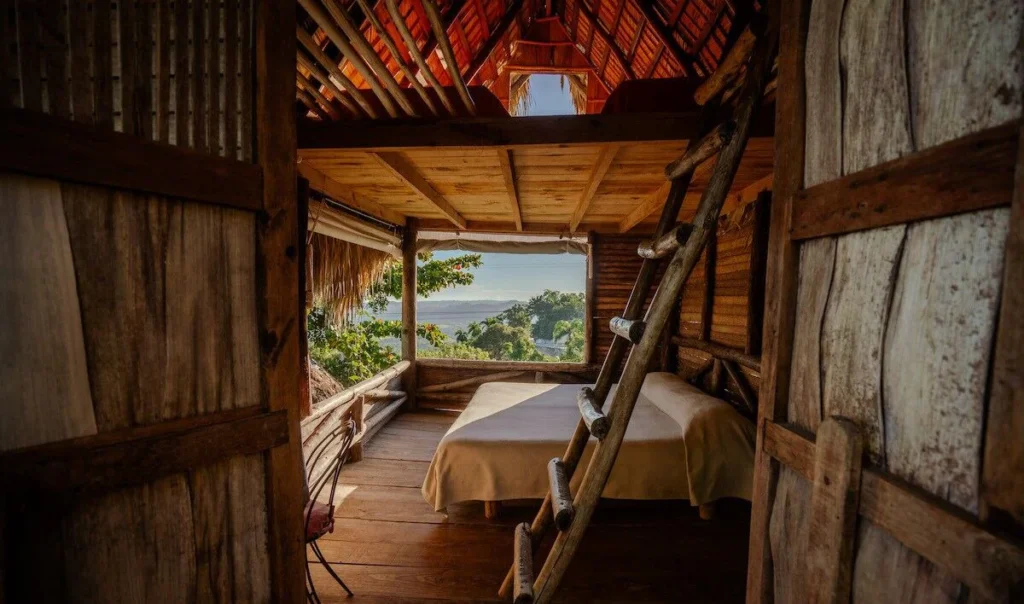
Sonido del Yaque Eco-lodgeOwnership not publishednot published
Tubagua Eco Lodge · ~10 roomsIndependentnot published
Serafina Villas and Organic Farm Dominican Republic · ~3 roomsnot published
Visitors, over time
20156,129k
20166,769k
20177,296k
20187,551k
20197,550k
20202,748k
International tourism receipts run at about US$7.56 billion in 2018 (World Bank / UN Tourism). That is 37.7% of everything the country earns from exports.
How much of your money actually stays here?
Tap the holiday you are planning.
All-inclusive resortForeign-owned hotel and tourist restaurantsLocally owned stay and local restaurantsGuesthouse, markets and public transport
Resort guest, villa renter, family, nomad or backpacker. The honest playbook for each, from the same sourced numbers.
Already booked a resort? · the rescue list
Five swaps that move your money back on-island
1. Eat where the country eats Choose kitchens cooking rice, red and black beans and plantains form the core (national dish 'la bandera'); plus cassava, taro, sweet potato, yam, maize, bananas, peanuts and coconut. over imported menus. The checked list →
2. Book with a local operator Never the lobby desk. The margin on a tour is the part that stays. Eco tours →
3. Stay somewhere locally owned Ownership decides where the room rate books. Eco stays →
4. Use the transport residents use Long distance buses between cities are good and cheap; a driver for the mountains and cacao country
5. Buy the craft, not the souvenir Natural-materials work made here pays the maker directly; imported gifts pay a shipping line.
swipe →
First time here
The Dominican Republic is far more than its all inclusive strip. Inland it is mountains, including Pico Duarte, the highest peak in the Caribbean, and some of the best cacao country in the world, much of it organic and farmer owned.
Best time: December to April is drier and cooler. Humpback whales are in Samaná Bay roughly January to March. Hurricane season runs June to November, and the north coast gets rain year round.
Getting around
Long distance buses between cities are good and cheap; a driver for the mountains and cacao country
Transport is where the fare either stays or leaves.
Eating here
The everyday plate is rice, red and black beans and plantains form the core (national dish 'la bandera'); plus cassava, taro, sweet potato, yam, maize, bananas, peanuts and coconut.. The farmer direct channel here is state run and it works.
Eating what the country grows is the cheapest way to cut the import bill.
Good to know
Do not drink the tap water. Fewer than half the population has water classed as safely managed, and the national coliform record shows sustained breaches of the country's own potability threshold. Carry a filter bottle and use the refill dispensers.
Expect plastic. The ban's grace period only ran out in October 2025, compliance was poor immediately, and the replacement law phases things through 2026 and 2027. Only 7 per cent of waste is recycled.
The compensation is the food. This is one of the few places in the region that genuinely grows what it eats, so buy at an INESPRE producer market where farmers sell direct, and seek out organic cocoa and bananas at source. Spanish matters far more here than on the English speaking islands.
Rate my hotel. Tap yours for the honest verdict.
Ownership from company records and press.
Sonido del Yaque Eco-lodgeTubagua Eco LodgeSerafina Villas and Organic Farm Dominican Republic
.
Who owns the big hotels
Sonido del Yaque Eco-lodgeOwnership not published
Tubagua Eco LodgeIndependent · 10 rooms
Serafina Villas and Organic Farm Dominican Republic · 3 rooms
None of the 3 properties listed here publishes who ultimately owns it, so no claim is made either way. Ownership is what decides how much of a room rate stays in the country, which is why we show it when a listing states it.
Society and Governance in the Dominican Republic.
How well is the Dominican Republic actually run?
Governance, measured · World Bank WGI
Four measured answers, none of them opinion. Averaged across corruption control, delivery and accountability, the Dominican Republic scores 52 out of 100 (2024, World Bank Worldwide Governance Indicators). That matters here because every pledge on this page is only as good as the machinery meant to deliver it.
How well is Dominican Republic run? · each scored out of 100, higher is better
Clean government, scored 43 of 100
Control of corruption scores 42.5 out of 100 (2024, World Bank Worldwide Governance Indicators). That is below the halfway mark of governments measured.
43
Freedom and rights, scored 60 of 100
Voice and accountability, which measures free expression, free media and the ability to choose a government, scores 60.4 out of 100 (2024, World Bank WGI). Citizens have some room to question their government.
60
Government effectiveness, scored 53 of 100
Government effectiveness, which measures the quality of public services and how well policy is actually delivered, scores 52.8 out of 100 (2024, World Bank WGI). Delivery is rated above average.
53
Income equality, scored 39 of 100
The Gini index of income inequality reads 39 (2024, World Bank). Zero is perfect equality and 100 is one person holding everything. Below 40 is the level usually treated as manageable, and the Dominican Republic sits inside it.
39
LGBTQ+ status: MixedSolo female travel: Take care94% adult literacyIndustry to avoid: Gold mining (Pueblo Viejo, one of the world's largest gold mines)
What is daily life in Dominican Republic really like? Measured
Getting around, breathing, throwing away, learning. The honest checklist.
TransportAirWaterWastePower
✓How you get around Long distance buses between cities are good and cheap; a driver for the mountains and cacao country
✓Air quality, measured Modelled annual mean 13.73. The WHO guideline is 5 µg/m³.
✓Where the air is cleanest Constanza, a high altitude mountain valley with the coolest air on Hispaniola
·Tap water Not drinkable
✓What to drink Rivers, aquifers and reservoirs, with a large gap between basic and safely managed supply
✓Plastic rules Law 225-20 from Oct 2025, poorly complied with; Law 98-25 phases it through 2026 and 2027
✓Sockets and voltage Type A/B/C, 120V
94.0%
literacy. Public spending on education runs at 3.8% of GDP and 20.9% of all government spending, and secondary enrolment stands at 76.4% gross (UNESCO Institute for Statistics, 2023 to 2025).
Made in the Dominican Republic.
We scored this a one and we were wrong, because we searched in the wrong language. In Spanish the Dominican Republic turns out to have the deepest material vocabulary in the Caribbean, and the clearest story anywhere of plastic replacing it. Every step of processing done at home is value that stops leaving the country.
Made now · natural materials
Higuera calabash vessels
Worked in Dominican Republic from local material, and still a working craft rather than a museum piece.
Made now · natural materials
Higüera or jigüera to eat from
Worked in Dominican Republic from local material, and still a working craft rather than a museum piece.
Made now · natural materials
Calabazo to carry water. Cut in half it winnowed rice
Worked in Dominican Republic from local material, and still a working craft rather than a museum piece.
Could make · grown here already
Rice
Grown in Dominican Republic and mostly sold raw. Processing it here would keep the margin here.
Could make · grown here already
Black beans
Grown in Dominican Republic and mostly sold raw. Processing it here would keep the margin here.
Could make · grown here already
Plantains form the core (national dish 'La Bandera')
Grown in Dominican Republic and mostly sold raw. Processing it here would keep the margin here.
The maths for an entrepreneur. the Dominican Republic produces about US$127 billion a year, which is roughly US$11,059 per person (2025, World Bank). Farming is 4.6% of that, while food is 17.2% of everything the country imports. The country buys in more food than its own farms contribute to the economy, and every point of that gap is a business someone could build here rather than ship in. With 20.2% of the land arable, the raw material for that is already in the ground.
A living tradition of Dominican Republic, still practised rather than archived.
Bachata
A living tradition of Dominican Republic, still practised rather than archived.
Palos
A living tradition of Dominican Republic, still practised rather than archived.
Atabales Afro-Dominican drumming
A living tradition of Dominican Republic, still practised rather than archived.
Gaga processional musicA living tradition of Dominican Republic, still practised rather than archived.
Cocolo dance dramaA living tradition of Dominican Republic, still practised rather than archived.
Does Dominican Republic protect its heritage by law?
Partly, and the gaps say as much as the protections.
What is kept alive. Dominican living heritage is anchored in merengue and bachata, both born on the island and now danced daily and worldwide. Afro-Dominican traditions run deep through palos or atabales drumming, the processional gaga of the sugar bateyes and the Cocolo dance drama of San Pedro de Macoris. The Congos of Villa Mella maintain a centuries-old brotherhood devoted to the Holy Spirit.
Who it belongs to. The living tradition to know is the Cofradía del Espíritu Santo de los Congos de Villa Mella, in Santo Domingo Norte. UNESCO proclaimed it a Masterpiece of the Oral and Intangible Heritage of Humanity in 2001 and inscribed it on the Representative List in 2008. It was founded in the sixteenth century by enslaved Africans and mestizos, is open to all, and its musicians play drums called congos with their hands.
Only here. The FAO names the Dominican Republic the world's largest producer of organic bananas, at more than 55 per cent of global organic banana production and nearly half the EU organic banana market, on FAO key statistics dated 2015. It is also long established as a foremost exporter of organic cocoa..
Three futures for the Dominican Republic, every one run forward from measured data.
Where the making actually happens
Named cultural and craft sites on the open map: Brugal Ron Museum (Puerto Plata), Aroma's Museum (Higüey), Mundo King Castle Art Museum (Sosúa), Jewish Museum (Sosúa), Whale Museum of Samana (Samana). OpenStreetMap.
Every measured trend on one line
Run forward at the pace already recorded.
+22%
Forest cover
1995: 36.9 % → 2023: 45 %
+46%
Renewable electricity
1995: 11.7 % → 2021: 17.1 %
+98%
CO2 per person
1995: 1.52 t → 2024: 3 t
+52%
Tourist arrivals
1995: 1806 k → 2020: 2748 k
+18%
Protected land
2013: 22.3 % → 2025: 26.3 %
-58%
Farm workforce
1995: 16.9 % → 2025: 7 %
+48%
Protected sea
2013: 9 % → 2025: 13.3 %
+4%
Agricultural land
1995: 53.1 % → 2023: 55.4 %
+27%
Urban population
1995: 57.1 % → 2025: 72.5 %
+0%
Air pollution
1995: 13.5 µg/m³ → 2023: 13.5 µg/m³
-30%
Fresh water per person
1995: 2979.2 m³ → 2022: 2092.5 m³
+71%
Adult overweight
1995: 37 % → 2022: 63.3 %
+17%
Electricity access
1995: 84.8 % → 2024: 99.5 %
+424%
GDP per person
1995: 2109 → 2025: 11059
+46%
Population
1995: 7888 k → 2025: 11520 k
-34%
Renewable energy use
1995: 22.3 % → 2021: 14.8 %
+52%
Energy per person
1995: 664.8 kg → 2023: 1012 kg
+39%
Protected area, total
2013: 11 % → 2025: 15.3 %
+6%
Life expectancy
1995: 69.4 yrs → 2024: 73.9 yrs
+16%
Cereal yield
1995: 3856 ha → 2024: 4455 ha
-11%
Fertiliser use
1995: 100.5 ha → 2023: 89.6 ha
-36%
Rural population
1995: 42.9 % → 2025: 27.5 %
+88%
Water productivity
2000: 7.3 $/m3 → 2022: 13.7 $/m3
-6%
Health spending
2000: 4.88 % → 2023: 4.6 %
+22%
Forest area
1995: 17837 km2 → 2023: 21684 km2
+272%
Electric power use
1995: 502.5 kWh → 2023: 1867 kWh
+59%
Emissions: Agriculture
1990: 6.3 e → 2023: 10 e
+57%
Emissions: Building
1990: 1.38 e → 2023: 2.16 e
+336%
Emissions: Electricity/Heat
1990: 3.3 e → 2023: 14.2 e
+283%
Emissions: Energy
1990: 7.9 e → 2023: 30.3 e
+800%
Emissions: Industrial Processes
1990: 0.49 e → 2023: 4.41 e
+548%
Emissions: Manufacturing/Construction
1990: 0.81 e → 2023: 5.25 e
+255%
Emissions: Transportation
1990: 2.37 e → 2023: 8.41 e
World Bank open data, recorded series
How much forest is left?
Forest cover moved from 36.9% to 45.0% across 28 recorded years.
World Bank AG.LND.FRST.ZS
How clean is the grid?
Renewable electricity moved from 11.7% to 17.1% across 26 recorded years.
World Bank EG.ELC.RNEW.ZS
How much climate pollution per person?
CO2 per person moved from 1.5 t to 3.0 t across 29 recorded years.
World Bank EN.GHG.CO2.PC.CE.AR5
How many people visit?
Tourist arrivals moved from 1806k to 2748k across 25 recorded years.
World Bank ST.INT.ARVL
How much land is protected?
Protected land moved from 22.3% to 26.3% across 12 recorded years.
World Bank ER.LND.PTLD.ZS
How many people still farm?
Farm workforce moved from 16.9% to 7.0% across 30 recorded years.
World Bank SL.AGR.EMPL.ZS
How much sea is protected?
Protected sea moved from 9.0% to 13.3% across 12 recorded years.
World Bank ER.MRN.PTMR.ZS
How much land is farmed?
Agricultural land moved from 53.1% to 55.4% across 28 recorded years.
World Bank AG.LND.AGRI.ZS
How fast is it urbanising?
Urban population moved from 57.1% to 72.5% across 30 recorded years.
World Bank SP.URB.TOTL.IN.ZS
Is the air getting cleaner?
Air pollution moved from 13.5 µg/m³ to 13.5 µg/m³ across 28 recorded years.
World Bank EN.ATM.PM25.MC.M3
Is water getting scarcer?
Fresh water per person moved from 2979.2 m³ to 2092.5 m³ across 27 recorded years.
World Bank ER.H2O.INTR.PC
Is diet-related disease rising?
Adult overweight moved from 37.0% to 63.3% across 27 recorded years.
World Bank SH.STA.OWAD.ZS
Who has power?
Electricity access moved from 84.8% to 99.5% across 29 recorded years.
World Bank EG.ELC.ACCS.ZS
Is income rising?
GDP per person moved from 2109 to 11059 across 30 recorded years.
World Bank NY.GDP.PCAP.CD
How fast is it growing?
Population moved from 7888k to 11520k across 30 recorded years.
World Bank SP.POP.TOTL
What share of all energy is renewable?
Renewable energy use moved from 22.3% to 14.8% across 26 recorded years.
World Bank EG.FEC.RNEW.ZS
How much energy does one person use?
Energy per person moved from 664.77 kg to 1012 kg across 28 recorded years.
World Bank EG.USE.PCAP.KG.OE
How much land and sea is protected together?
Protected area, total moved from 11% to 15.3% across 12 recorded years.
World Bank ER.PTD.TOTL.ZS
How long do people live?
Life expectancy moved from 69.39 yrs to 73.87 yrs across 29 recorded years.
World Bank SP.DYN.LE00.IN
How much does a hectare of cereal produce?
Cereal yield moved from 3856 kg/ha to 4455 kg/ha across 29 recorded years.
World Bank AG.YLD.CREL.KG
How much fertiliser goes on the land?
Fertiliser use moved from 100.47 kg/ha to 89.55 kg/ha across 28 recorded years.
World Bank AG.CON.FERT.ZS
How many people still live rurally?
Rural population moved from 42.87% to 27.48% across 30 recorded years.
World Bank SP.RUR.TOTL.ZS
How much value per cubic metre of water?
Water productivity moved from 7.28 $/m3 to 13.69 $/m3 across 22 recorded years.
World Bank ER.GDP.FWTL.M3.KD
How much goes on health?
Health spending moved from 4.88% to 4.6% across 23 recorded years.
World Bank SH.XPD.CHEX.GD.ZS
How much forest is there in total?
Forest area moved from 17837 km2 to 21684 km2 across 28 recorded years.
World Bank AG.LND.FRST.K2
How much electricity per person?
Electric power use moved from 502.53 kWh to 1867 kWh across 28 recorded years.
World Bank EG.USE.ELEC.KH.PC
How have agriculture emissions moved?
Agriculture emissions moved from 6.29 to 10.0 MtCO2e across 33 recorded years.
Climate Watch (WRI), historical emissions
How have building emissions moved?
Building emissions moved from 1.38 to 2.16 MtCO2e across 33 recorded years.
Climate Watch (WRI), historical emissions
How have electricity/heat emissions moved?
Electricity/Heat emissions moved from 3.26 to 14.22 MtCO2e across 33 recorded years.
Climate Watch (WRI), historical emissions
How have energy emissions moved?
Energy emissions moved from 7.9 to 30.27 MtCO2e across 33 recorded years.
Climate Watch (WRI), historical emissions
How have industrial processes emissions moved?
Industrial Processes emissions moved from 0.49 to 4.41 MtCO2e across 33 recorded years.
Climate Watch (WRI), historical emissions
How have manufacturing/construction emissions moved?
Manufacturing/Construction emissions moved from 0.81 to 5.25 MtCO2e across 33 recorded years.
Climate Watch (WRI), historical emissions
How have transportation emissions moved?
Transportation emissions moved from 2.37 to 8.41 MtCO2e across 33 recorded years.
Climate Watch (WRI), historical emissions
Worst caseCurrent pathBest case
Worst case
Every measured decline continues at the pace already recorded. The weakest pillar, pollution at 1/5, is the one that gives way first.
Computed from: recorded series extended with no policy change
Current path
Every line above is a recorded World Bank series for this country. The current path is simply those series continuing at the pace already measured.
Computed from: recorded series, no policy change assumed
Best case
The pledges are met on their own stated timetables and the weakest pillars are lifted to match the strongest. Dominican Republic already shows it can do this: organic farming scores 5/5.
Computed from: each published target delivered on its own date
What the best case actually asks for
Lift pollution
It scores 1 out of 5 today, among the weakest parts of Dominican Republic's record. The Dominican Republic scores lowest of anywhere we cover on this pillar, and the record explains why.
Law 225-20 prohibited the free distribution of single use plastic bags and the use of expanded polystyrene, but carried a five year grace period that only expired on 2 October 2025. Eight days after the deadline, businesses across the country were still handing out plastic bags free. Law 98-25, enacted on 16 December 2025, then replaced the cliff edge with a phased ban starting in 2026, giving businesses twelve months to eliminate single use plastics and foam and a further twelve for food containers and trays, on the grounds that affordable alternatives are lacking.
Waste is worse. The country produces more than 7 million tonnes of solid waste a year of which only 7 per cent is recycled, at 650 kg per person, with 240 open dumps. Duquesa, the largest open air landfill in the country and among the largest in Latin America, takes between 5,000 and 5,500 tonnes a day from Greater Santo Domingo, is not sanitised, and threatens the Isabela and Ozama river basins. A fire there in 2020 burned for six days and smothered the capital in smoke, and officials stated it was not accidental. Closure was slated to begin in early 2026. Lifting it toward the 5/5 the strongest pillars already reach is what the best case turns on.
measured each year
Costs: spending and enforcement, not new technology
Lift recycling
It scores 1 out of 5 today, among the weakest parts of Dominican Republic's record. The worst waste record we have documented anywhere. The country produces more than 7 million tonnes of solid waste a year of which only 7 per cent is recycled, at 650 kg per person, with 240 open dumps.
Duquesa, the largest open air landfill in the country and among the largest in Latin America, takes between 5,000 and 5,500 tonnes a day from Greater Santo Domingo. It is not sanitised and it threatens the Isabela and Ozama river basins. A fire there in 2020 burned for six days and smothered the capital in smoke, and officials stated it was not accidental. Closure was slated to begin in early 2026.
A UN human rights expert publicly called on the country in May 2025 to seize the momentum to structurally improve waste management. Lifting it toward the 5/5 the strongest pillars already reach is what the best case turns on.
measured each year
Costs: spending and enforcement, not new technology
Lift water
It scores 1 out of 5 today, among the weakest parts of Dominican Republic's record. Read these two numbers together, because either one on its own misleads. 97.5 per cent of the population had at least basic drinking water in 2024. Only 45.3 per cent had safely managed drinking water, meaning available when needed, on the premises and free from contamination. That figure has barely moved in five years.
The quality record backs it up. Only 73.6 per cent of drinking water samples showed satisfactory quality against a national standard of 95 per cent, and the proportion of samples containing coliforms in aqueducts served by INAPA rose from 17 per cent in 1994 to 23 per cent in 1998, against a standard under which more than 5 per cent means the water is no longer potable. Non revenue water has been estimated above 65 per cent.
Bring a filter bottle and refill from the dispensers rather than working through cases of single use plastic. That is the biggest single plastic saving you can make here. Lifting it toward the 5/5 the strongest pillars already reach is what the best case turns on.
measured each year
Costs: spending and enforcement, not new technology
Government and Goals in the Dominican Republic.
Who is in charge of Dominican Republic now · Office-holders from the UN Protocol and Liaison Service public list of Heads of State and Heads of Government, 8 September 2026. Legislature and election dates from IFES ElectionGuide. Constitution dates from the Constitute Project. Governance scores from the World Bank Worldwide Governance Indicators 2024.
Luis Abinader
President
Luis Abinader is the head of government of Dominican Republic, in office since 16 August 2020. Every climate, protection and energy pledge on this page is delivered, or not, under this administration.
Public opinion, measured
Voice and accountability, the freedom to question government: 60.4 / 100. Above the halfway mark of governments measured. World Bank WGI 2024
Control of corruption: 42.5 / 100. Below the halfway mark of governments measured. World Bank WGI 2024
Political stability and absence of violence: 76 / 100. Among the strongest measured. World Bank WGI 2024
Rule of law: 53.8 / 100. Above the halfway mark of governments measured. World Bank WGI 2024
Regulatory quality: 58.1 / 100. Above the halfway mark of governments measured. World Bank WGI 2024
Luis AbinaderPresident
National Congress of the Republic (Congreso Nacional de la República)Legislature, bicameral
Last election19 May 2024
Constitution2015
Government typepresidential republic
Dominican Republic national goals: climate commitments on record · as recorded by Climate Watch, World Resources Institute
2050
Net zero
In Policy Document
Net-zero target as recorded by Climate Watch. Status: In Policy Document (12/28/2020) ↗
The questions people actually type, answered in full sentences from the sourced data above.
swipe →
Is Dominican Republic sustainable?
Dominican Republic scores 63 out of 100 on the Throne Eco Index, across twelve equally weighted pillars. The Dominican Republic is far more than its all inclusive strip. Inland it is mountains, including Pico Duarte, the highest peak in the Caribbean, and some of the best cacao country in the world, much of it organic and farmer owned. The Samaná peninsula fills with humpback whales in winter, and the north coast has a long tradition of small, independent, low impact places to stay.
Is the water in Dominican Republic safe and plentiful?
Read these two numbers together, because either one on its own misleads. 97.5 per cent of the population had at least basic drinking water in 2024. Only 45.3 per cent had safely managed drinking water, meaning available when needed, on the premises and free from contamination.
Can Dominican Republic feed itself?
This is where the Dominican Republic is genuinely world class. On the Ministry of Agriculture's own accounting, 2024 production gave 90 per cent self sufficiency against estimated consumption, so only around a tenth of food is imported by volume. Rice self sufficiency is 106 per cent.
Is it easy to eat plant-based in Dominican Republic?
The farmer direct channel here is state run and it works. INESPRE, the price stabilisation institute under the Ministry of Agriculture, buys directly from producers and runs producer markets, mobile shops and fairs so farmers sell their harvest straight to the customer without intermediaries. The network has been extended across Santo Domingo, Santiago, San Cristóbal and other municipalities.
How much of Dominican Republic is actually protected?
26.2 per cent of land and 13.3 per cent of marine territory were protected in 2024, and both figures have fallen, marine sharply from 17.3 per cent in 2022 and 2023. Forest cover is 45 per cent and rising. The question is whether any of it is working, and the honest answer is that mostly nobody has checked.
What wildlife is left in Dominican Republic?
Frame this correctly. The Dominican Republic shares Hispaniola with Haiti, so most of what gets called endemic here is endemic to the island rather than to the country. The Hispaniolan solenodon is a shrew like mammal found only on Hispaniola and one of the very few venomous mammals in the world.
Is Dominican Republic on clean energy?
The Dominican Republic's electricity mix remains predominantly fossil-based, with roughly 79% from gas and coal and only about 21% from low-carbon sources, though solar at around 9% and wind near 5% are now growing (Low Carbon Power, 2025). Per-person emissions are moderate at about 2.9 tonnes of CO2 in 2024, reflecting relatively low consumption rather than a clean grid (Our World in Data). Natural gas at close to 40% and coal at nearly a third still anchor generation.
How polluted is Dominican Republic?
The Dominican Republic scores lowest of anywhere we cover on this pillar, and the record explains why. Law 225-20 prohibited the free distribution of single use plastic bags and the use of expanded polystyrene, but carried a five year grace period that only expired on 2 October 2025. Eight days after the deadline, businesses across the country were still handing out plastic bags free.
Does recycling work in Dominican Republic?
The worst waste record we have documented anywhere. The country produces more than 7 million tonnes of solid waste a year of which only 7 per cent is recycled, at 650 kg per person, with 240 open dumps. Duquesa, the largest open air landfill in the country and among the largest in Latin America, takes between 5,000 and 5,500 tonnes a day from Greater Santo Domingo.
Is the farming in Dominican Republic organic?
The best organic record in the region by a distance, and it is the FAO saying so rather than us. On FAO key statistics dated 2015, the Dominican Republic was the world's largest producer of organic bananas, accounting for more than 55 per cent of global organic banana production, with around 12,000 hectares and over 1,000 growers, and roughly 95 per cent of its organic banana exports going to the EU, supplying nearly half that market. Total Dominican banana exports have since fallen to 255,000 tonnes in 2024 and an estimated 250,000 tonnes in 2025. Peer reviewed work also names it the foremost exporter of organic bananas and cocoa.
Are there natural materials and craft in Dominican Republic?
We scored this a one and we were wrong, because we searched in the wrong language. In Spanish the Dominican Republic turns out to have the deepest material vocabulary in the Caribbean, and the clearest story anywhere of plastic replacing it. The higüero is the calabash gourd, and the vessel changes name with its job: a morro to drink from, a higüera or jigüera to eat from and to wash rice in, a calabazo to carry water.
Is there living culture in Dominican Republic?
The living tradition to know is the Cofradía del Espíritu Santo de los Congos de Villa Mella, in Santo Domingo Norte. UNESCO proclaimed it a Masterpiece of the Oral and Intangible Heritage of Humanity in 2001 and inscribed it on the Representative List in 2008. It was founded in the sixteenth century by enslaved Africans and mestizos, is open to all, and its musicians play drums called congos with their hands.
What heritage does Dominican Republic keep alive?
Dominican living heritage is anchored in merengue and bachata, both born on the island and now danced daily and worldwide. Afro-Dominican traditions run deep through palos or atabales drumming, the processional gaga of the sugar bateyes and the Cocolo dance drama of San Pedro de Macoris. The Congos of Villa Mella maintain a centuries-old brotherhood devoted to the Holy Spirit.
So is the Dominican Republic actually green? The measured answer
What is working: land protected at 26.3%.
What is not: sea protected at 13.3% against a 30% mark, renewable electricity at 17.1% against a 100% mark.
Dominican Republic sits 57 of 77 at 63/100. Every name links to its own destination page, built exactly like this one. The full ranking →
What is Dominican Republic particularly good at?
✓Food and farming, scored 5/5. This is where the Dominican Republic is genuinely world class. On the Ministry of Agriculture's own accounting, 2024 production gave 90 per cent self sufficiency against estimated consumption, so only around a tenth of food is imported by volume. Rice self sufficiency is 106 per cent. The President has put the figure at 90.6 per cent, up from 88.5 per cent in 2019. Both halves belong in the picture though: food imports still rose 16.7 per cent year on year in 2024, and corn self sufficiency is only 6 per cent.
The organic record is the headline. The FAO's World Banana Forum states the Dominican Republic is the world's largest producer of organic bananas, accounting for more than 55 per cent of global organic banana production, with around 12,000 hectares, over 1,000 growers, and roughly 95 per cent of its organic banana exports going to the EU, supplying nearly half the EU organic banana market. Peer reviewed work also names it the foremost exporter of organic bananas and cocoa. Those citations are anchored on 2015 and 2008 data, so read them as long established rather than current year.
✓Heritage, scored 5/5. Dominican living heritage is anchored in merengue and bachata, both born on the island and now danced daily and worldwide. Afro-Dominican traditions run deep through palos or atabales drumming, the processional gaga of the sugar bateyes and the Cocolo dance drama of San Pedro de Macoris. The Congos of Villa Mella maintain a centuries-old brotherhood devoted to the Holy Spirit. Ancestral spirituality endures in Dominican Vudu and the 21 Divisiones, practised alongside popular Catholicism.
✓Organic farming, scored 5/5. The best organic record in the region by a distance, and it is the FAO saying so rather than us. On FAO key statistics dated 2015, the Dominican Republic was the world's largest producer of organic bananas, accounting for more than 55 per cent of global organic banana production, with around 12,000 hectares and over 1,000 growers, and roughly 95 per cent of its organic banana exports going to the EU, supplying nearly half that market. Total Dominican banana exports have since fallen to 255,000 tonnes in 2024 and an estimated 250,000 tonnes in 2025.
Peer reviewed work also names it the foremost exporter of organic bananas and cocoa. CONACADO, a farmer membership confederation of roughly 10,000 smallholders on farms averaging 4.3 hectares, has been Fairtrade certified since 2009 and accounts for around a quarter of the country's organic cocoa. CHOCAL at Altamira is thirty local women working organic cacao bought from surrounding smallholders.
One caveat we will not hide: the FAO banana figure is anchored on 2015 and the peer reviewed cocoa claim on 2008, so read them as long established rather than current year.
Where does Dominican Republic score worst?
✕Pollution, scored 1/5. The Dominican Republic scores lowest of anywhere we cover on this pillar, and the record explains why.
Law 225-20 prohibited the free distribution of single use plastic bags and the use of expanded polystyrene, but carried a five year grace period that only expired on 2 October 2025. Eight days after the deadline, businesses across the country were still handing out plastic bags free. Law 98-25, enacted on 16 December 2025, then replaced the cliff edge with a phased ban starting in 2026, giving businesses twelve months to eliminate single use plastics and foam and a further twelve for food containers and trays, on the grounds that affordable alternatives are lacking.
Waste is worse. The country produces more than 7 million tonnes of solid waste a year of which only 7 per cent is recycled, at 650 kg per person, with 240 open dumps. Duquesa, the largest open air landfill in the country and among the largest in Latin America, takes between 5,000 and 5,500 tonnes a day from Greater Santo Domingo, is not sanitised, and threatens the Isabela and Ozama river basins. A fire there in 2020 burned for six days and smothered the capital in smoke, and officials stated it was not accidental. Closure was slated to begin in early 2026.
✕Recycling, scored 1/5. The worst waste record we have documented anywhere. The country produces more than 7 million tonnes of solid waste a year of which only 7 per cent is recycled, at 650 kg per person, with 240 open dumps.
Duquesa, the largest open air landfill in the country and among the largest in Latin America, takes between 5,000 and 5,500 tonnes a day from Greater Santo Domingo. It is not sanitised and it threatens the Isabela and Ozama river basins. A fire there in 2020 burned for six days and smothered the capital in smoke, and officials stated it was not accidental. Closure was slated to begin in early 2026.
A UN human rights expert publicly called on the country in May 2025 to seize the momentum to structurally improve waste management.
✕Water, scored 1/5. Read these two numbers together, because either one on its own misleads. 97.5 per cent of the population had at least basic drinking water in 2024. Only 45.3 per cent had safely managed drinking water, meaning available when needed, on the premises and free from contamination. That figure has barely moved in five years.
The quality record backs it up. Only 73.6 per cent of drinking water samples showed satisfactory quality against a national standard of 95 per cent, and the proportion of samples containing coliforms in aqueducts served by INAPA rose from 17 per cent in 1994 to 23 per cent in 1998, against a standard under which more than 5 per cent means the water is no longer potable. Non revenue water has been estimated above 65 per cent.
Bring a filter bottle and refill from the dispensers rather than working through cases of single use plastic. That is the biggest single plastic saving you can make here.
Similar countries doing it better and worse
BelizeScored on the same twelve pillars as Dominican Republic.78
St Vincent and the GrenadinesScored on the same twelve pillars as Dominican Republic.75
JamaicaScored on the same twelve pillars as Dominican Republic.73
Turks & CaicosScored on the same twelve pillars as Dominican Republic.52
British Virgin IslandsScored on the same twelve pillars as Dominican Republic.48
St BarthsScored on the same twelve pillars as Dominican Republic.47
A note from the lens of mother natureswipe →
Energy, 2/5
The Dominican Republic's electricity mix remains predominantly fossil-based, with roughly 79% from gas and coal and only about 21% from low-carbon sources, though solar at around 9% and wind near 5% are now growing (Low Carbon Power, 2025). Per-person emissions are moderate at about 2.9 tonnes of CO2 in 2024, reflecting relatively low consumption rather than a clean grid (Our World in Data).
Food and farming, 5/5
This is where the Dominican Republic is genuinely world class. On the Ministry of Agriculture's own accounting, 2024 production gave 90 per cent self sufficiency against estimated consumption, so only around a tenth of food is imported by volume.
Heritage, 5/5
Dominican living heritage is anchored in merengue and bachata, both born on the island and now danced daily and worldwide. Afro-Dominican traditions run deep through palos or atabales drumming, the processional gaga of the sugar bateyes and the Cocolo dance drama of San Pedro de Macoris.
The Dominican Republic Directory.
Everything on Hold The Throne that sits in Dominican Republic, checked and listed.
How the rest of the world scores Dominican Republic
Independent global indices, for calibration.
Forest cover
44.99
Recorded figure, sourced on this page.
Protected land
26
Recorded figure, sourced on this page.
Protected sea
13
Recorded figure, sourced on this page.
Renewable grid
17.06
Recorded figure, sourced on this page.
CO2 per person
2.99
Recorded figure, sourced on this page.
Threatened species
160 (mammals, birds, fish & plants)
Recorded figure, sourced on this page.
Control of corruption
42.5 / 100
World Bank Worldwide Governance Indicators, 2024. Percentile among all governments measured.
Government effectiveness
52.8 / 100
World Bank Worldwide Governance Indicators, 2024. Percentile among all governments measured.
Rule of law
53.8 / 100
World Bank Worldwide Governance Indicators, 2024. Percentile among all governments measured.
Political stability
76 / 100
World Bank Worldwide Governance Indicators, 2024. Percentile among all governments measured.
Voice and accountability
60.4 / 100
World Bank Worldwide Governance Indicators, 2024. Percentile among all governments measured.
Environmental Performance Index
47.7 / 100 · 73 of 180
Yale Environmental Performance Index 2024, ranked 73 of 180 countries assessed.
Ecosystem vitality
57.1 / 100 · 59 of 180
Yale Environmental Performance Index 2024, ranked 59 of 180 countries assessed.
Biodiversity and habitat
57.0 / 100 · 56 of 180
Yale Environmental Performance Index 2024, ranked 56 of 180 countries assessed.
Air pollution
51.7 / 100 · 137 of 180
Yale Environmental Performance Index 2024, ranked 137 of 180 countries assessed.
Terrestrial biomes protected
69.9 / 100 · 56 of 180
Yale Environmental Performance Index 2024, ranked 56 of 180 countries assessed.
Marine protected areas
50.0 / 100 · 94 of 131
Yale Environmental Performance Index 2024, ranked 94 of 131 countries assessed.
How the Dominican Republic Is Scored. The Throne Standard.
Every destination on the index is scored the same way, so a 4 in Barbados means exactly what a 4 means in Iceland. No self-declared data and no brochure claims are accepted. Every figure on this page carries its named source and year, and the history on each page names what empire took as plainly as it scores the present.
The 12 pillars every destination is scored on, equally weighted
01
Conservation
Land and sea actually protected, not pledged
02
Wildlife
What survives, what is endemic, what is lost
03
Water
Fresh water per person, and the ocean’s health
04
Food & farming
Whether the place can feed itself
05
Organic & clean
Certified land and pesticide reality
06
Climate & energy
Emissions per person, how the grid is powered
07
Waste
Where the rubbish goes, what comes back
08
Health
What people eat and die of
09
Heritage
Living culture, and what the law keeps standing
10
Ownership
Who owns the economy, how much of a dollar stays
11
Governance
Freedom, honesty, promises kept
12
Future
Measured trends run forward, pledges against pace
What each 0 to 5 pillar score means, in plain words
The institutions above are the ones cited on this page, ranked by how many of its figures they carry. This same sectioned page renders for all 77 scored destinations, each with its own researched history, comparison charts and three-way future. Read the full methodology
Every figure on this page, and where it came from: 104 sources across 52 institutions
World Bank19 FIGURES
forest cover 45.0%, 2023
Threatened species (mammals EN.MAM.THRD.NO, birds EN.BIR.THRD.NO, fish EN.FSH.THRD.NO, higher plants EN.HPT.THRD.NO), 2022 check
Forest area (% of land area) AG.LND.FRST.ZS, 2023 check
Terrestrial protected areas (% of land) ER.LND.PTLD.ZS, 2025 check
Marine protected areas (% of territorial waters) ER.MRN.PTMR.ZS, 2025 check
Renewable electricity output (% of total) EG.ELC.RNEW.ZS, 2021 check
CO2 emissions per capita EN.GHG.CO2.PC.CE.AR5, 2024 check
FAO's figures are for 2015; FAO Banana Market Review puts total Dominican banana exports at 255,000 t in 2024 and about 250,000 t in 2025, against US organic banana imports alone of some 640,000 t in 2024 check
Ministerio de Medio Ambiente y Recursos Naturales (Dominican Republic), Cacao country, the Caribbean's highest peak and whales in Samaná check
Ministerio de Medio Ambiente y Recursos Naturales (Dominican Republic) corroboration check
Ministerio de Medio Ambiente y Recursos Naturales (Dominican Republic) corroboration check
Ministerio de Medio Ambiente y Recursos Naturales (Dominican Republic) corroboration check
Ministerio de Energia y Minas (Dominican Republic) corroboration check
Ministerio de Energia y Minas (Dominican Republic) corroboration check
Instituto Geografico Nacional "Jose Joaquin Hungria Morell" corroboration check
Pereskia quisqueyana (Rosa de Bayahibe), Critically Endangered on the IUCN Red List, and recorded in Dominican Republic in GBIF occurrence data (plant) check
Pereskia quisqueyana (Rosa de Bayahibe) corroboration check
Juniperus gracilior var. ekmanii, Critically Endangered on the IUCN Red List, and recorded in Dominican Republic in GBIF occurrence data (conife check
Juniperus gracilior var. ekmanii corroboration check
Categories and Criteria FAQ, Critically Endangered, the last IUCN category before Extinct in the Wild, and still recorded in Dominican Repu check
BirdLife International, IUCN and UNEP-WCMC3 FIGURES
UN SDG Global Database, terrestrial Key Biodiversity Areas covered by protected areas (%) ER_PTD_TERR, Dominican Republic, 2025 (78.5%), country-reported check
UN SDG Global Database, marine Key Biodiversity Areas covered by protected areas (%) ER_MRN_MPA, Dominican Republic, 2025 (83.1%), country-reported check
UN SDG Global Database, freshwater Key Biodiversity Areas covered by protected areas (%) ER_PTD_FRHWTR, Dominican Republic, 2025 (94.7%), country-reported check
Diario Libre3 FIGURES
agricultural imports rise despite self sufficient production check
FAOSTAT, Crops and livestock products (QCL), By tonnage, the largest crops grown in Dominican Republic are sugarcane, bananas, papayas, plantains and cooki check
FAOSTAT, Crops and livestock products (QCL) corroboration check
FAO, Global Forest Resources Assessment2 FIGURES
UN SDG Global Database, forest area (% of land area) AG_LND_FRST, Dominican Republic, 2025 (46.8%), country-reported check
UN SDG Global Database, forest area inside legally established protected areas (%) AG_LND_FRSTPRCT, Dominican Republic, 2025 (35.2%), country-reported check
Listin Diario2 FIGURES
Rufina, Martina y el arte de tallar el higuero check

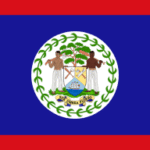 BelizeScored on the same twelve pillars as Dominican Republic.78
 St Vincent and the GrenadinesScored on the same twelve pillars as Dominican Republic.75
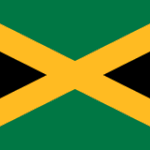 JamaicaScored on the same twelve pillars as Dominican Republic.73
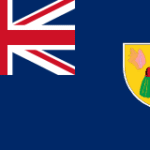 Turks & CaicosScored on the same twelve pillars as Dominican Republic.52
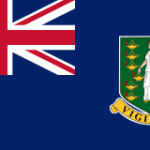 British Virgin IslandsScored on the same twelve pillars as Dominican Republic.48
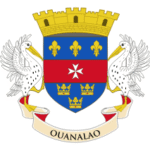 St BarthsScored on the same twelve pillars as Dominican Republic.47