Is Asket Sustainable And Non Toxic Clothing? The Fibre Data
What Materials Does Asket Use? Natural Fibre Or Synthetic
Hold The Throne scanned all 61 of Asket’s live styles and sorted every one by its literal fibre composition, not by the marketing on the product page.
The Throne Standard verdict on Asket is MIXED: 57.4% of the range is natural plant fibre, which is good, but it is not the spotless pass the brand’s transparency story implies.
A further 16.4% is animal fibre, wool and cashmere, which is animal hair, not natural plant fibre, and the rest is blended or processed.
Here is how the Asket catalogue actually breaks down:
35 styles (57.4%) have 100% plant fibre (organic cotton, linen and SUPIMA cotton) in the core of the range, the tees, oxfords and chinos
Asket is known for, and pure plant fibre.
Plant fibre blended with synthetic, 8 styles (13.1%) this is the part that costs Asket the clean pass; the plastic is woven in. 100% animal fibre (merino wool, recycled wool and recycled cashmere), 8 styles (13.1%) animal hair, not natural plant fibre, so it does not count toward the natural figure. 100% semi-synthetic (TENCEL lyocell, viscose or cupro), 6 styles (9.8%) plant-derived but chemically processed, so it does not count as a true natural fibre. Animal fibre blended with synthetic, 2 styles (3.3%) the merino and polyamide socks. Semi-synthetic blended with synthetic, 1 style (1.6%) a belt. 100% synthetic, 1 style (1.6%) the recycled polyester swim shorts.
So the plant-fibre-only figure is 35 of 61 styles, the organic cotton, the linen and the SUPIMA cotton, which is 57.4%.
The wool is traceable but it is animal fibre, not natural, the semi-synthetic is processed, and more than one in ten styles carries a synthetic blend.
That gap between plant fibre and the rest is the difference between Asket and a true plastic-free passer.
You can sanity-check every line on the Asket listing against the data sheet below.
Asket Fibre Composition: What Asket Clothes Are Made Of
Asket last fibre scan: 13 June 2026
Sustainable Clothing Brands Like Asket, Natural Fibre Alternatives
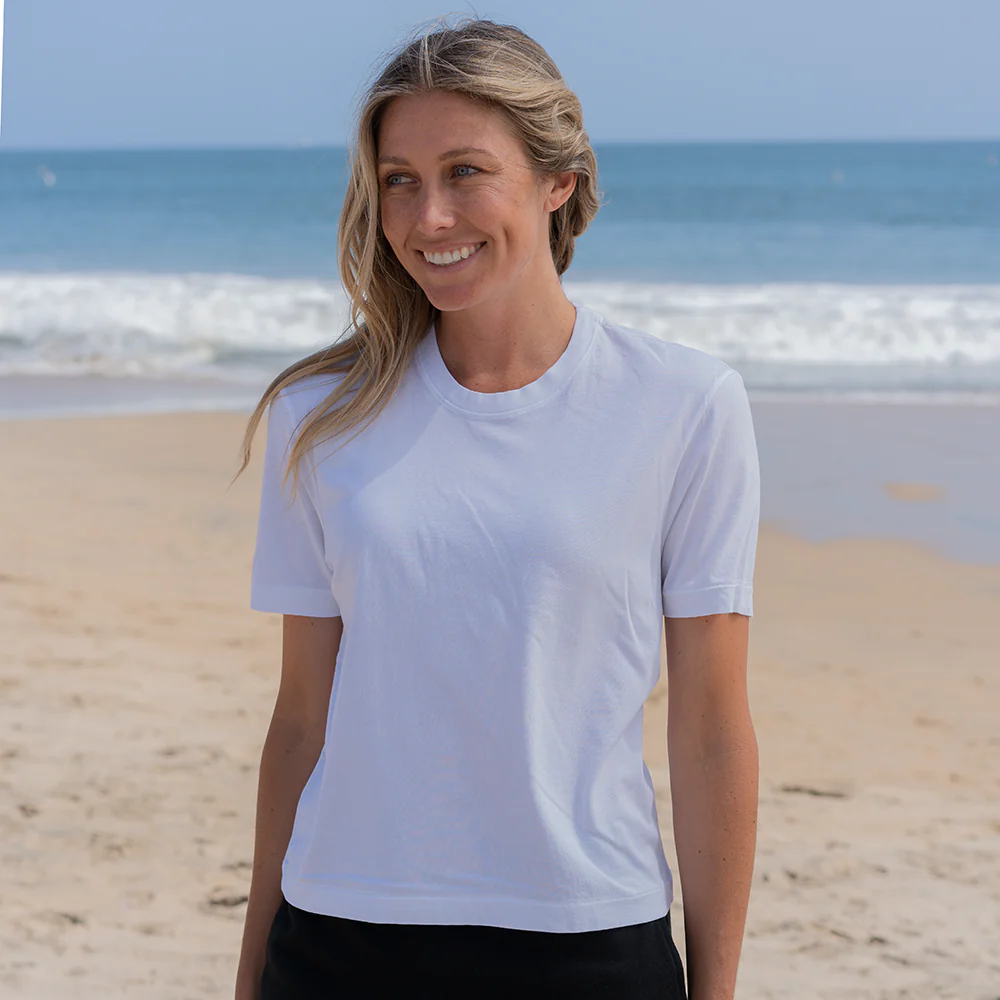
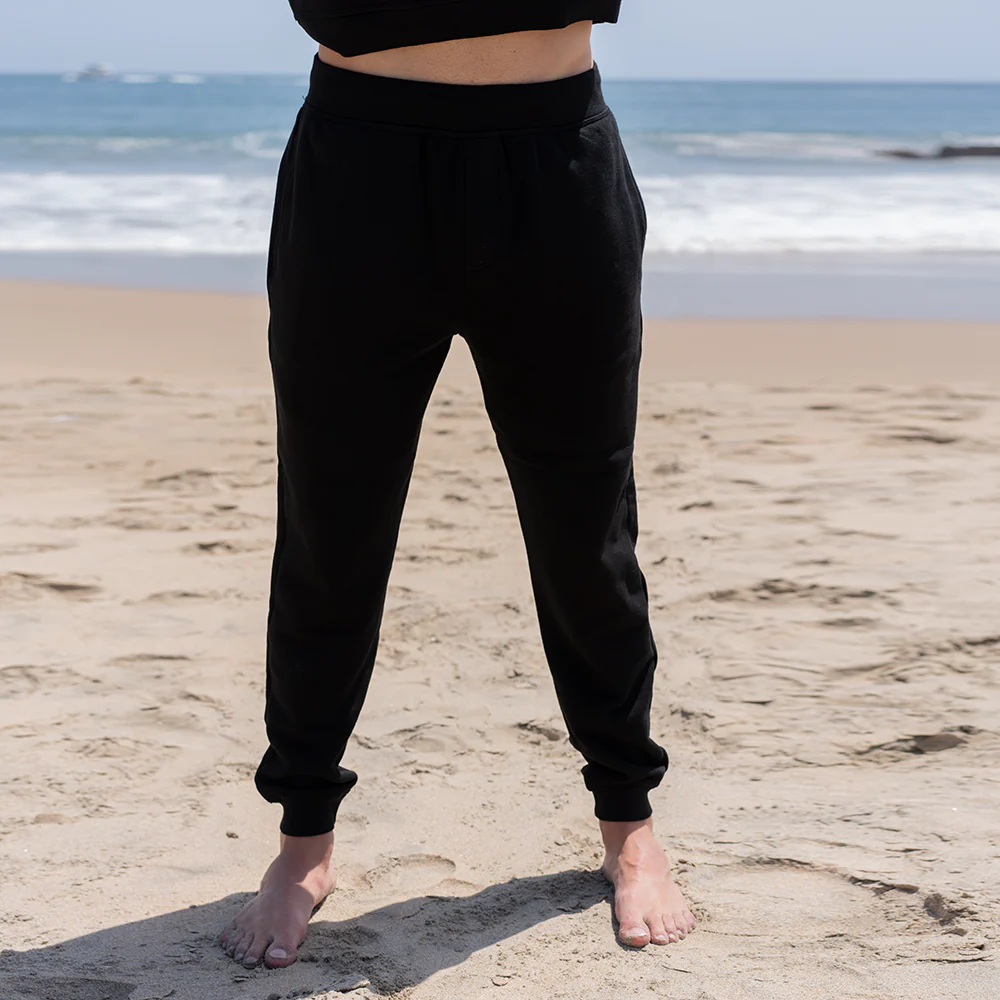

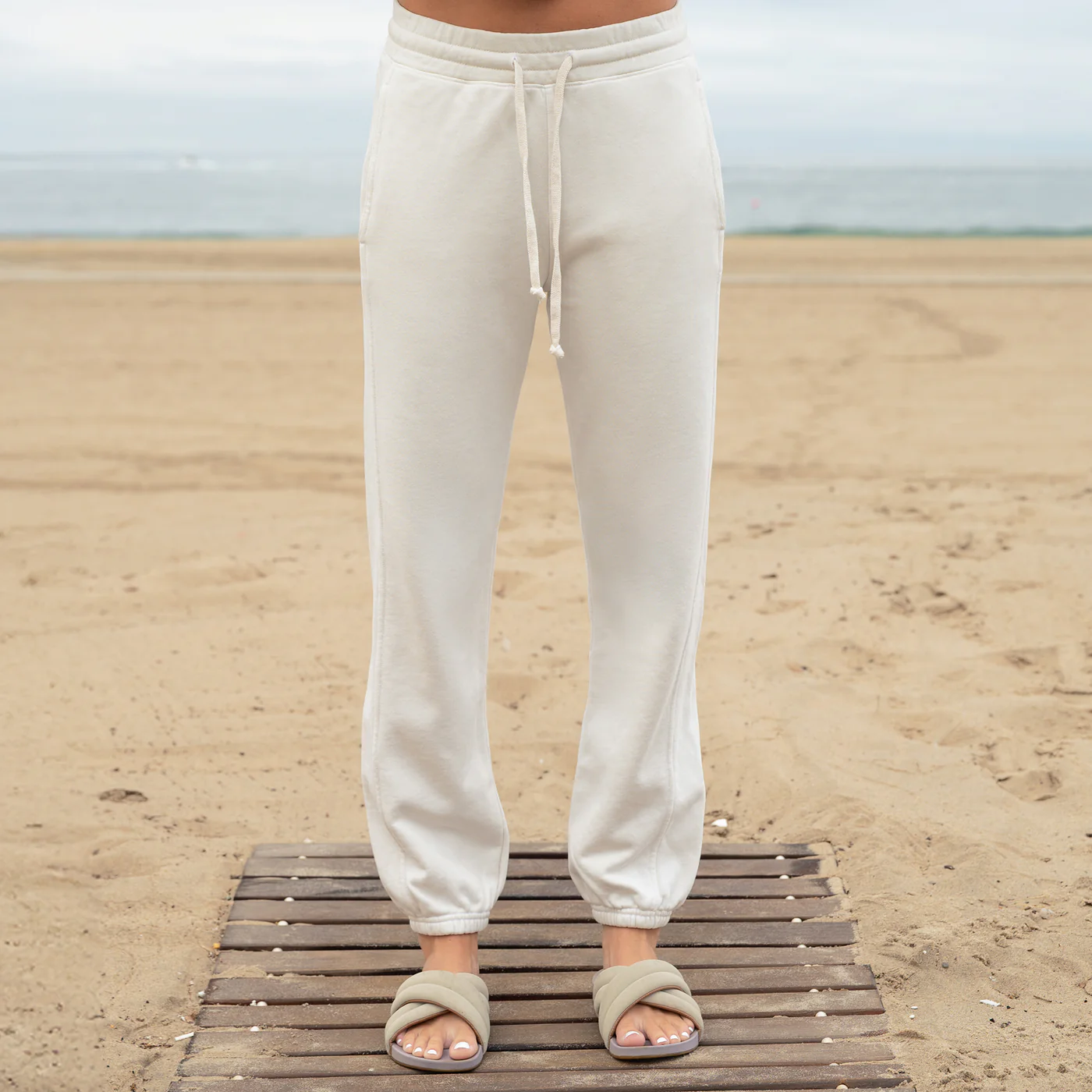
Best 100% Organic Cotton Tee, A Natural Fibre Alternative
The Classic T-Shirt Company
Exactly what the name promises: a properly made tee in 100% organic cotton, sold on its own without a fast-fashion catalogue around it.
Every scanned style came back single-fibre organic cotton, so there is no elastane hiding in the collar.

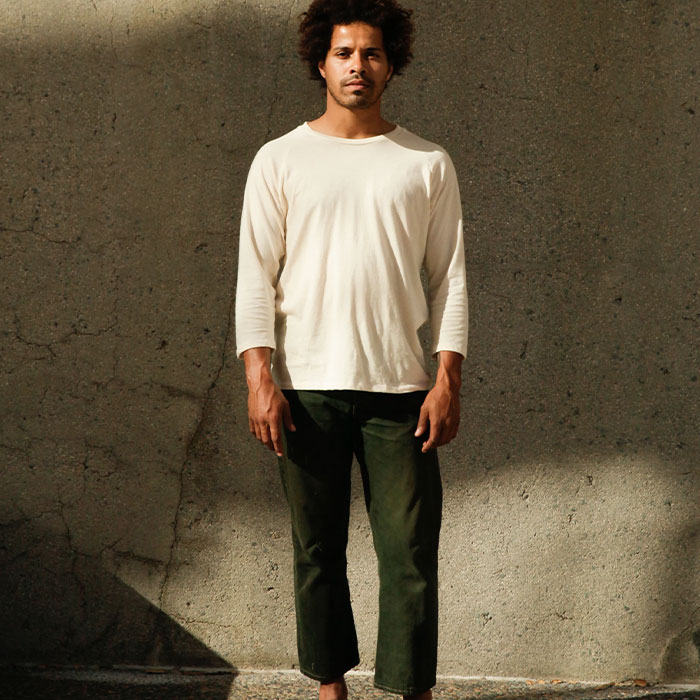
Best Sustainable Organic Cotton Basics And Joggers Brand
Harvest & Mill
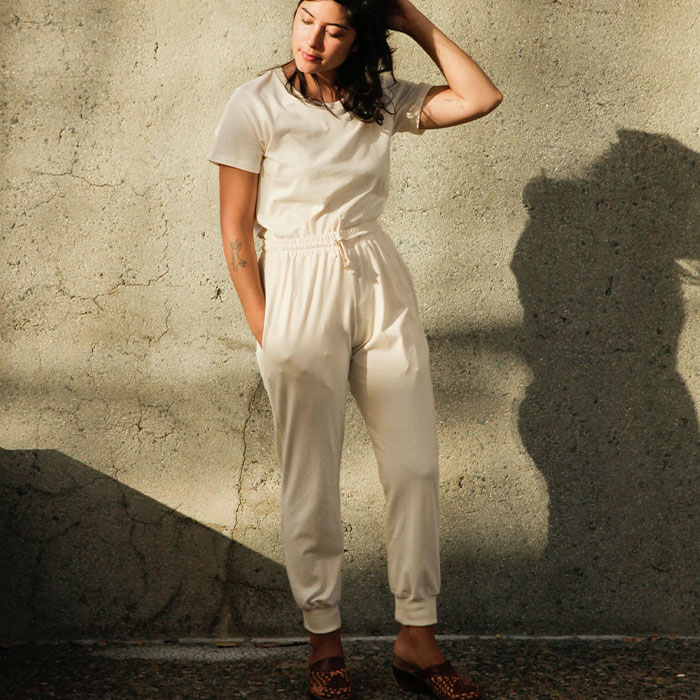
Organic cotton basics grown, milled and sewn entirely in the USA on a “seed to stitch” model, direct from American farmers, heritage mills and local sewing teams.
Vegan and PETA-approved, with much of the range left undyed, plus low-waste cutting and compostable or recyclable packaging.
Best for an organic cotton t-shirt
Terra Thread
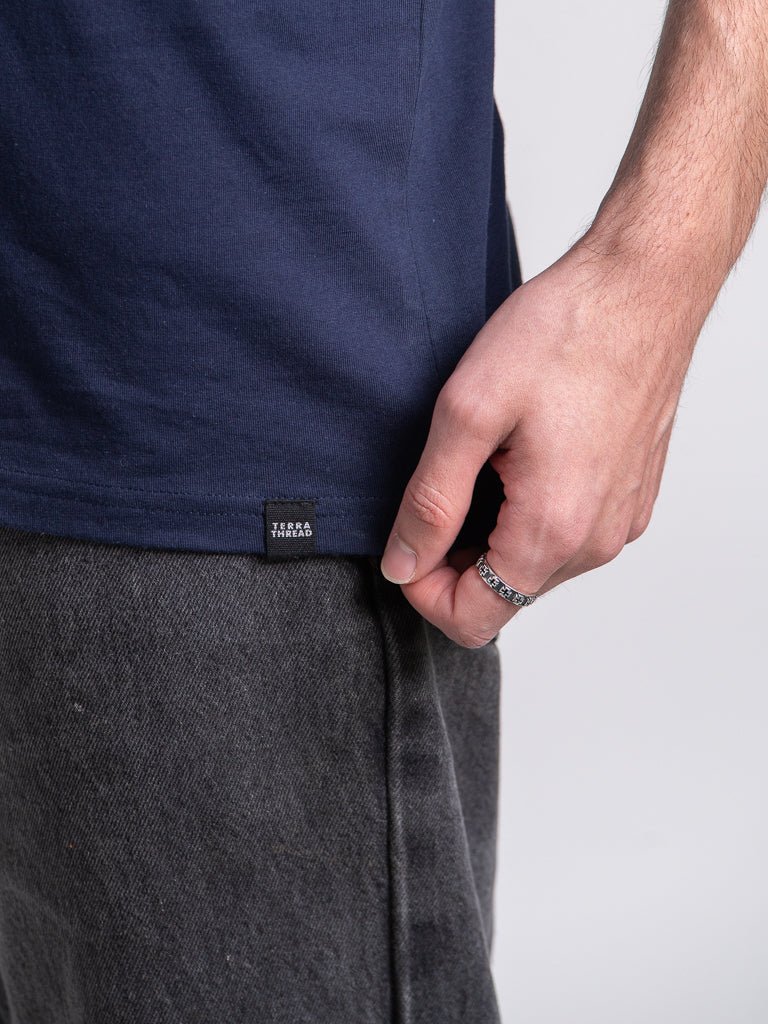
A properly made tee in Fairtrade-certified, GOTS organic cotton at an honest price.
The Throne Standard scan found it 100% organic cotton, single-fibre with no synthetic blend hiding in the collar.
What Asket Gets Right About Sustainable Fashion
Is Asket Natural Fibre Clothing Or A Synthetic Blend?
With a clean passer we can dress you head to toe in natural plant fibre and mean it.
With Asket we have to be honest, because the catalogue does not allow a guaranteed plastic-free, all-plant outfit.
Some of it is natural plant fibre, much of it is not, and the brand does not flag the difference loudly enough for you to know which is which at a glance.
Here is the version of an Asket outfit that genuinely scans clean, 100% plant fibre:
- Top: the 100% organic cotton tee or oxford, the heart of the 57.4% of the range that is pure plant fibre.
- Layer: a second 100% organic cotton piece, an overshirt or chino, to keep the whole outfit plant fibre.
- Warm weather: the single 100% linen piece, breathable and biodegradable.
And here is what to leave on the rail if a plastic-free, all-plant wardrobe is the point.
First, the 100% wool and cashmere knitwear, about one in seven styles, because it is animal hair, not natural plant fibre.
Second, the organic-cotton-and-synthetic blends, just over one in ten styles, where elastane or polyester is woven in for stretch or structure; they will shed microfibre in every wash no matter how organic the cotton beside them is.
Read the composition on each Asket product before you assume the whole brand is natural plant fibre, because it is not.
How Asket Compares To Brands That Pass The Natural Fibre Test
To be fair to Asket, set it against the brands that drown in plastic.
A fast-fashion basics label will sell you a tee that is 60% polyester and call it a wardrobe staple, and a so-called activewear brand will hand you 80% nylon and call it eco.
On that scale Asket is genuinely on the right side: 57.4% natural plant fibre with organic cotton as the backbone is a different universe, even before you count the traceable wool, which is animal fibre, not natural.
But the Throne Standard does not grade on a curve.
We hold Asket against the brands that actually pass clean, and that is where the gap shows. Nudie Jeans scanned almost entirely plant-fibre cotton, The Classic T-Shirt Company 100% organic cotton, MagicLinen 96.2% pure linen.
Asket’s 57.4% plant fibre, its block of wool that is animal not natural, and its synthetic blends are what separate a MIXED result from a clean one.
It is also worth seeing how a genuine blend brand reads when it is honest about it.
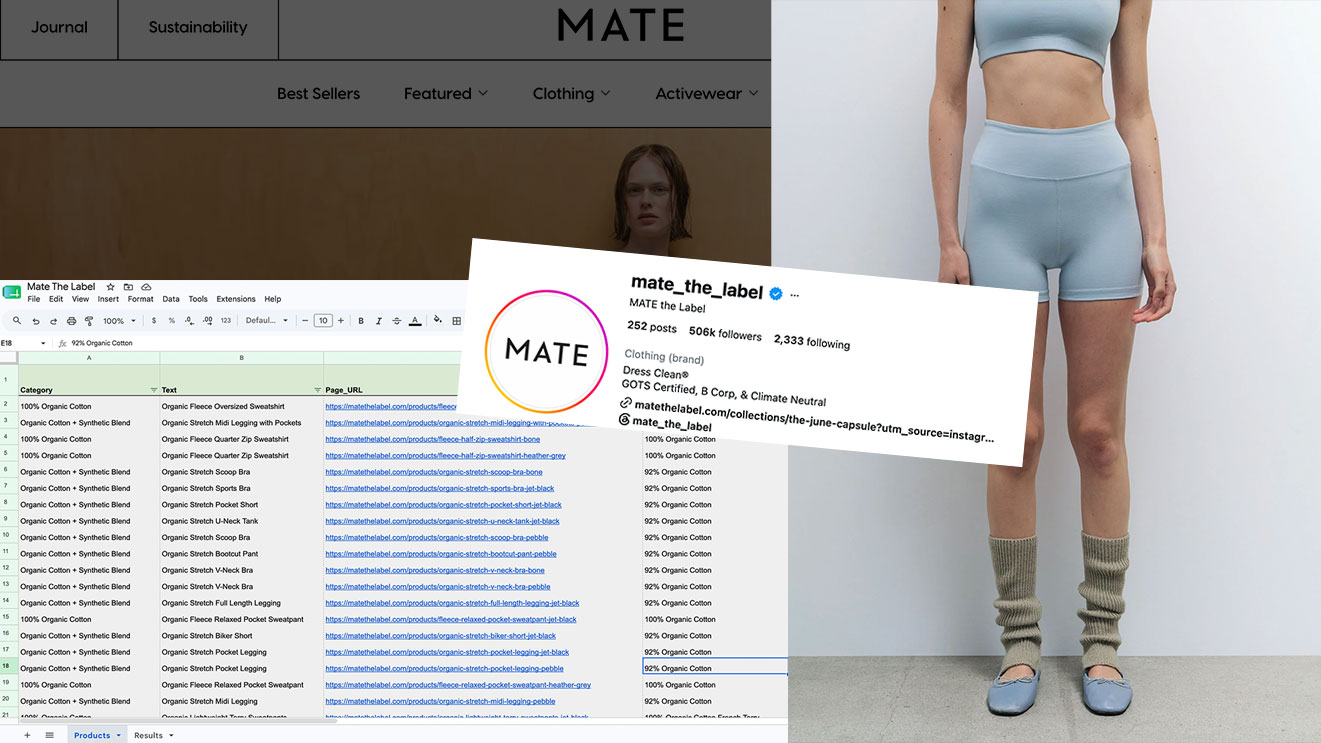
Compare Asket’s quiet stretch panels with our Mate the Label data review, where the elastane is right there in the breakdown, and you see the same lesson: a beautiful sustainability story does not change what the fibre is.
Is Asket Clothing Good For Your Skin And Health?
Polyester, nylon and elastane are plastic, and plastic does not stay in the fabric.
Every wear and every wash sheds microscopic fibres, and those fibres do not just end up in the ocean, they end up in us.
In 2022 researchers at Hull York Medical School found microplastics in living human lung tissue for the first time, and polyester was among the polymers they identified.
The clothes on our backs are part of the air we breathe.
This is the real reason the Throne Standard cares about that 18% of Asket styles with a synthetic blend.
It is not green-points pedantry.
A stretch tee that is mostly organic cotton with a little elastane still sheds plastic into your wash water and into your home, because elastane is petroleum the same as polyester is.
Organic on the label does not make the synthetic thread inert.
A truly natural-fibre wardrobe sidesteps that entirely.
Plant fibres like cotton, linen and hemp shed cellulose that nature can actually break down.
Wool is animal fibre, not plant, so it sits outside the natural plant-fibre count, but it is at least not plastic.
If a plastic-free life is the goal, the honest move is to choose the pure plant-fibre pieces and skip the blends, whether at Asket or at a transparent blend brand like Mate the Label.
What Would Make Asket Genuinely Sustainable And Plastic Free
This is the part that stopped me, and it is a transparency brand of all brands that earned the flag.
Asket sells itself under a banner it calls its Full Traceability standard, and the trade press has run with headlines like a 100% Traceability Standard.
Literally. The word full, and the number 100, both imply a finished, total trace.
The brand’s own pages do not.
Asket itself admits the trace is not complete: it has reached roughly 74% to 89% traceability across the collection, and it openly states the dyes, chemicals and stones used in washing and dyeing are the only exemption to date.
That is genuinely honest disclosure, and credit to them for publishing what they do not know. But branding a partial, ongoing trace as Full Traceability sets a customer up to believe more is verified than actually is.
A transparency-first brand should not let its headline word out-run its own footnotes.
Here are the rest of the gaps the Throne Standard found, strongest first:
- The cotton trail runs through India. Asket’s organic cotton is sourced predominantly from the United States, Egypt, Turkey and India. India is exactly where an organic badge needs more than a certificate, because in 2020 GOTS uncovered around 20,000 tonnes of fraudulent organic cotton, roughly one-sixth of India’s production, with forged transaction certificates and a cloned APEDA site. This is not an accusation against Asket, whose traceability work is well above average. It is precisely why traceability past the certificate matters, and the place we would want Asket’s 89% figure to be a hard 100.
- No published code of conduct. For a brand whose entire pitch is responsibility, independent assessors found no evidence of a formal supplier code of conduct. The ASKET Principles document is a values statement, not an enforceable factory standard.
- No evidence of a living-wage floor. Good On You rates Asket 4 out of 5 on People but notes there is no evidence it ensures workers across its supply chain are paid a living wage. Manufacturing in Portugal, Italy and Romania means legal-wage compliance, which is not the same as a living wage, and a brand this transparent could simply publish the numbers.
- The blends are not flagged as plastic. The organic-cotton-and-synthetic styles are sold inside the same clean, minimalist story as the pure ones, with no clear signal that elastane is petroleum. A buyer chasing a plastic-free wardrobe deserves that called out.
Who Owns Asket, And Is Asket Actually A Sustainable Brand?
Asket is owned by its founders, August Bard Bringeus and Jakob Dworsky
Asket is privately owned by the two men who started it, August Bard Bringeus and Jakob Dworsky, who met at the Stockholm School of Economics and launched the brand in 2015.
There is no fast-fashion conglomerate sitting behind it, no parent group quietly diluting the mission, which is genuinely rare and worth saying plainly.
The name comes from the Swedish for ascetic, and the founders have built the company around a single message: buy less, buy better, keep it for life.
Do they practise what they preach?
Largely, yes, and more than most.
They commissioned a two-year Life Cycle Assessment with RISE, the Research Institute of Sweden, they put an Impact Receipt in every order showing the carbon footprint of what you bought, they manufacture entirely within the EU in Portugal, Italy and Romania, and they publish facility-level information most brands would never share.
The founders are visibly the ones driving this, not a marketing department.
Where the practice falls short of the preaching is the gap between Full Traceability as a name and the partial trace underneath it, the missing code of conduct, the unproven living wage, and the India cotton question.
Is Asket Legit And Actually Sustainable?
Asket is a real, founder-owned, EU-made brand with a genuine and unusually deep transparency programme, and it is nowhere near the plastic-soaked fast fashion it positions itself against.
So in the everyday sense, yes, Asket is a legitimate, serious sustainable-menswear company. But on the Throne Standard, Asket is a MIXED pass, not a clean one, and we will not pretend otherwise.
The fibre scan is the final word: 57.4% natural plant fibre across all 61 styles, plus 16.4% animal fibre, wool and cashmere, which is animal hair, not natural, more than one in ten pieces carrying a synthetic blend, a single semi-synthetic style, and a cotton supply chain that runs through India where a certificate alone is not enough.
The brand also markets a partial trace under the word full, which a transparency-first label should tighten.
Buy Asket if you want well-made, long-lasting, mostly plant-fibre basics from a founder-led EU brand and you are happy to read each composition and skip the blends and the wool if plastic-free, all-plant is your aim.
Look to a clean passer if you want a guaranteed plastic-free, all-plant wardrobe with no fine print.
Either way, check the fibre on the Asket listing before you buy.
And the reviews back the trade-off.
On Trustpilot Asket averages about 2.8 out of 5, with customer service singled out as quick and helpful.
The most useful critical voices are about quality and consistency: one long-term Trustpilot customer wrote that ASKET quality has gone downhill since they started their journey, another that the tees fit completely different in the various colours, and a buyer of 2023 basics reported holes appearing at the armpit and waist after two years.
On the menswear blog The Adult Man, reviewer William Barton praised the brand warmly, writing that the quality of the construction and materials is excellent across the board and that I love their commitment to traceability, while noting the regular-length shirts ran an inch shorter than I prefer on his frame.
That is the real trade with Asket: you get traceable, mostly plant-fibre, EU-made basics and strong service, and the cost is some sizing inconsistency, a premium price, and a slice of the range that is not plastic-free.
Want the receipts?
Download the Asket data sheet and browse every brand’s raw material data at the clothing data hub.