Is Colorful Standard Sustainable And Non Toxic Clothing? The Fibre Data
What Materials Does Colorful Standard Use? Natural Fibre Or Synthetic
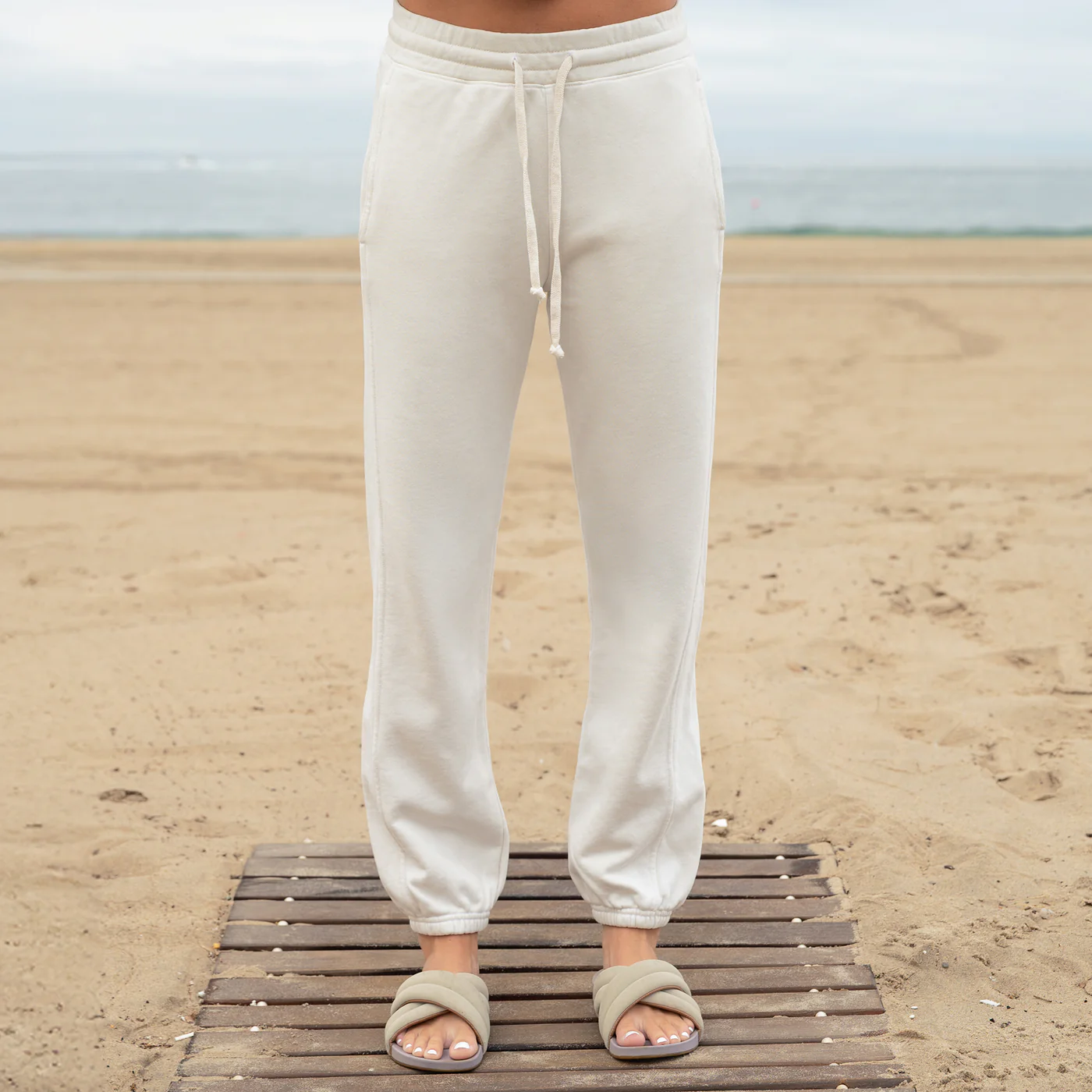
Colorful Standard build their reputation on two fibres: GOTS organic cotton for the tees, hoodies and sweatpants, and recycled merino wool for the knitwear.
The cotton is a legitimate natural plant fibre.
The merino is wool, which is animal hair, not natural, though the recycled version is a lower-impact choice as warm fibres go. The merino crews are 100 percent recycled extra fine merino, certified to the Global Recycled Standard and carrying the Woolmark, dyed with OEKO-TEX certified colour. Recycled wool is one of the lowest impact warm fibres you can buy, so credit where it is due, but it does not belong in the natural column.
The Throne Standard scan of all 74 live styles tells the fuller story:
- 34 styles (45.9%) are 100% organic cotton, the clean plant-fibre core of the brand.
- 14 styles (18.9%) are 100% wool, the recycled merino knitwear, which is animal hair, not natural.
- 4 styles (5.4%) are 100% linen.
- 16 styles (21.6%) are organic cotton blended with synthetic.
- 5 styles (6.8%) are 100% synthetic.
- 1 style (1.4%) is a mixed fibre blend.
Run the maths and 51.4 percent of the catalogue is natural plant fibre: the 34 organic cotton styles plus the 4 linen styles, 38 of 74.
The 14 wool styles are animal hair and do not count as natural, no matter how low-impact the recycled merino is.
That clears the bar for the organic cotton basics and the linen and misses it for the rest. The organic cotton basics are exactly what Colorful Standard say they are.
The recycled wool is a lower-impact choice than virgin wool, but it is still animal fibre, not natural, so it does not count in the plant-fibre column.
The blended joggers, the stretch activewear and the handful of fully synthetic pieces are the part the homepage does not lead with, and they are why the Colorful Standard fibre data reads MIXED rather than clean.
For a brand whose blends still leave plastic in the wash, the honest contrast is a genuinely single-fibre label like Harvest & Mill, which scanned 100% organic cotton with no synthetics at all.
Colorful Standard Fibre Composition: What Colorful Standard Clothes Are Made Of
Colorful Standard last fiber scan: 13 June 2026
Sustainable Clothing Brands Like Colorful Standard, Natural Fibre Alternatives

Best Sustainable Organic Cotton Basics And Joggers Brand
Harvest & Mill
Organic cotton basics grown, milled and sewn entirely in the USA on a “seed to stitch” model, direct from American farmers, heritage mills and local sewing teams.
Vegan and PETA-approved, with much of the range left undyed, plus low-waste cutting and compostable or recyclable packaging.
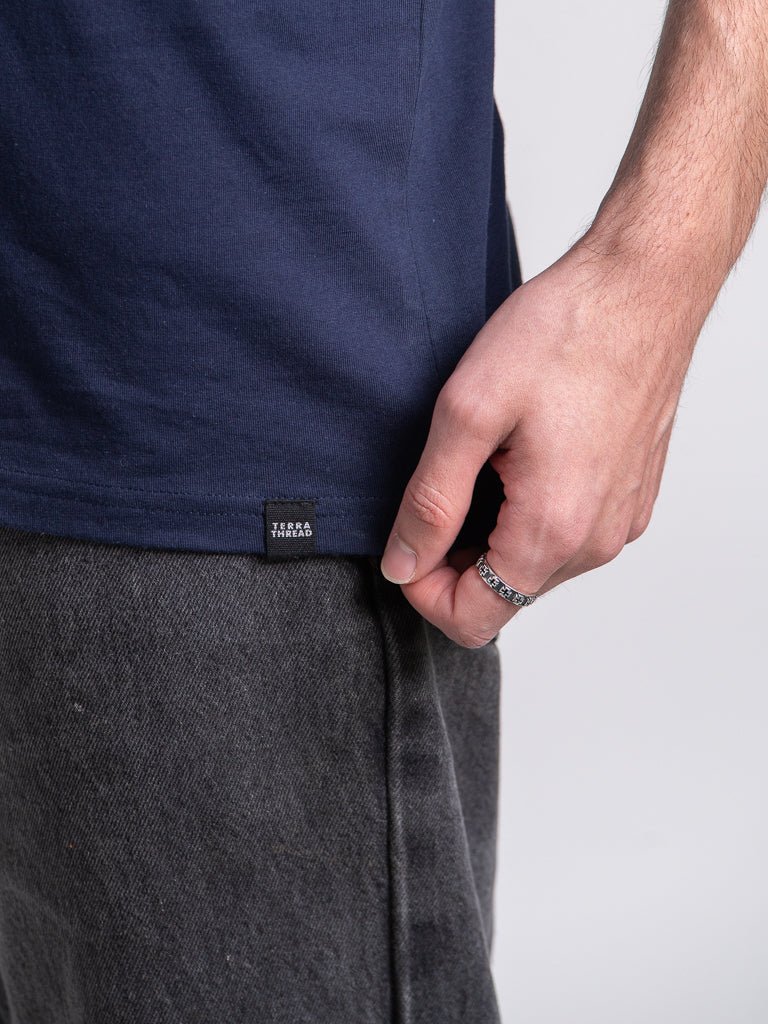
Best for an organic cotton t-shirt
Terra Thread
A properly made tee in Fairtrade-certified, GOTS organic cotton at an honest price. The Throne Standard scan found it 100% organic cotton, single-fibre with no synthetic blend hiding in the collar.
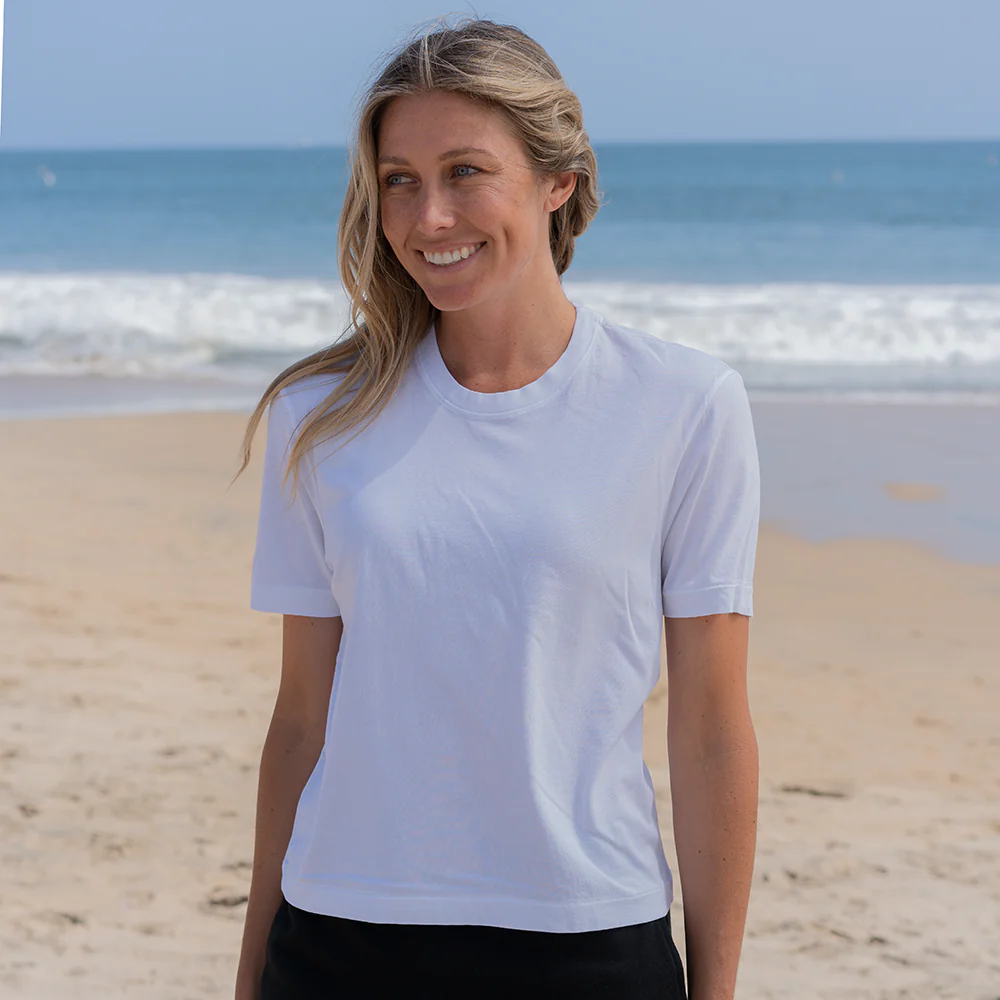
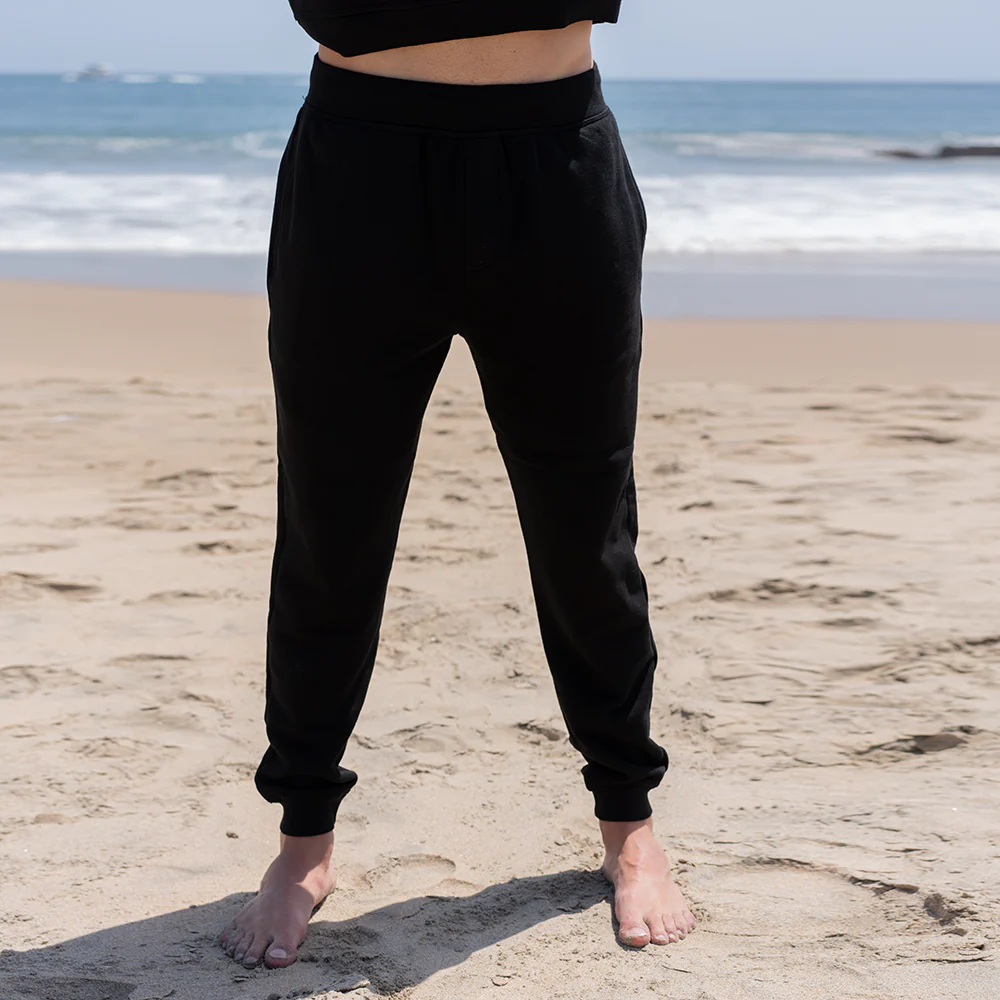
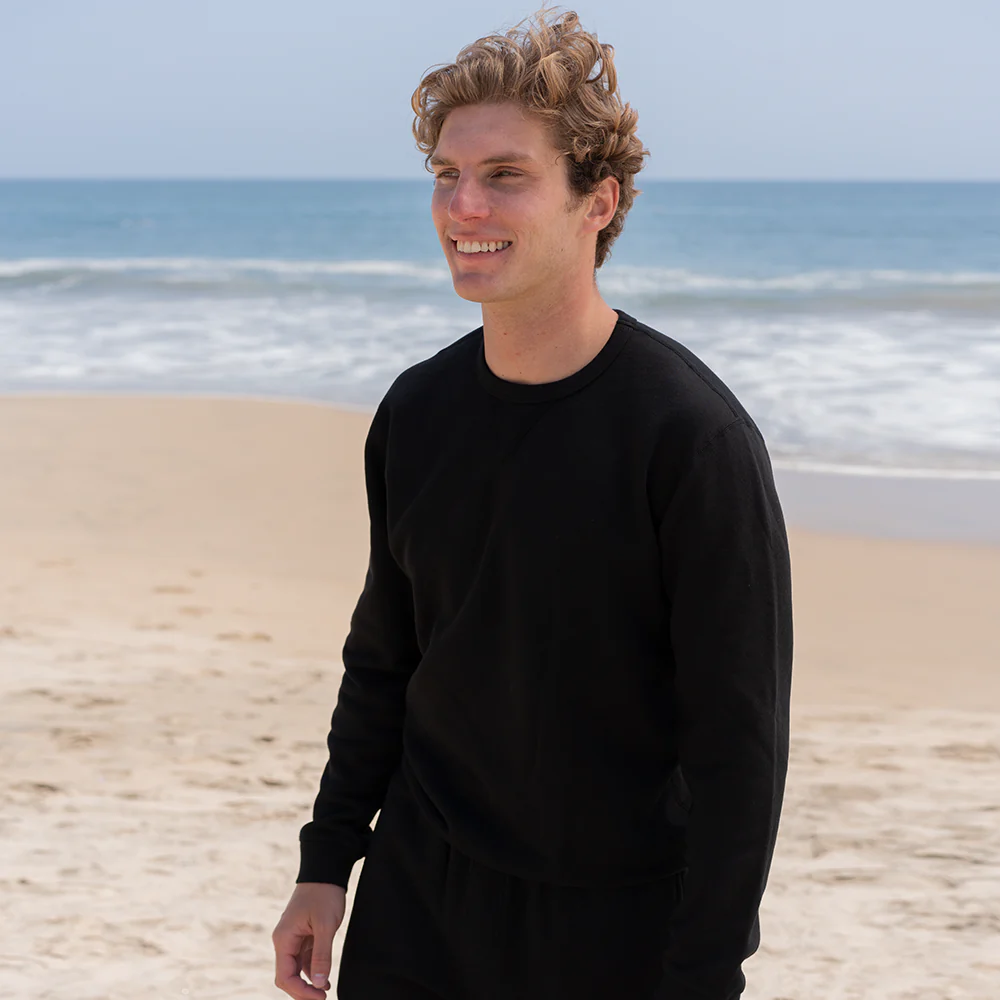
Best 100% Organic Cotton Tee, A Natural Fibre Alternative
The Classic T-Shirt Company
Exactly what the name promises: a properly made tee in 100% organic cotton, sold on its own without a fast-fashion catalogue around it.
Every scanned style came back single-fibre organic cotton, so there is no elastane hiding in the collar.
What Colorful Standard Gets Right About Sustainable Fashion
Where a Colorful Standard outfit is clean, and where the plastic creeps in
Here is the honest version, because a MIXED brand does not get a tidy head-to-toe natural-fibre story. Build a Colorful Standard outfit from the right shelf and it is genuinely clean plant fibre. Build it from the wrong one and you are wearing plastic.
The clean plant-fibre outfit exists:
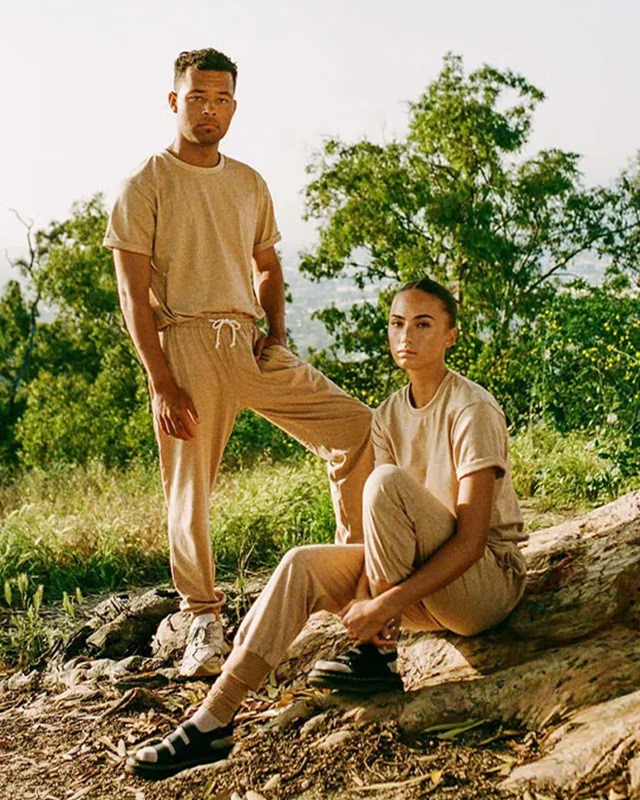
- A 100% organic cotton classic tee.
- A 100% organic cotton crew or sweatshirt over the top.
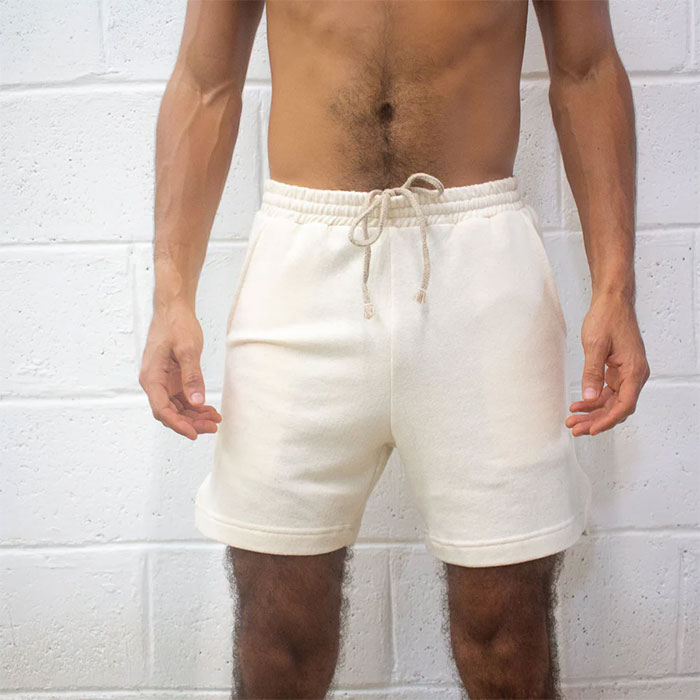
- A pair of 100% organic cotton shorts in summer, or pure cotton sweatpants if they are unblended.
That version is real, plant fibre from skin to layer, and it is the brand at its best.
If you want the warmth of the recycled merino knitwear, know that it is a lower-impact choice but it is wool, animal hair, not a plant fibre, so it sits outside a strictly natural outfit.
The trouble is the next shelf along. The activewear, several of the joggers and a run of pieces carry a synthetic blend, and five styles are fully synthetic, so a leggings-and-tee combo can be half plastic before you leave the house.
With 16 cotton-and-synthetic blends and 5 fully synthetic styles in a 74-piece range, you cannot assume a Colorful Standard outfit is plastic free. You have to read each label, which is precisely what a clean brand spares you.
How Colorful Standard Compares To Brands That Fail The Natural Fibre Test
Set against the genuine chemical offenders like Boody, Colorful Standard is not the villain.
A fast-fashion polyester label scans 90 percent synthetic or worse, sheds microfibre with every wear, and hides behind a vague green button that links nowhere.
Colorful Standard at 51.4% natural plant fibre is slightly better than that, but slightly better is not clean.
But MIXED is not PASS, and this is where the clothing data hub does its job.
A clean passer in our directory scans 95 percent natural plant fibre or above with no synthetic blends slipped into the everyday styles.
Colorful Standard sits in the honest middle: better than most of the high street, not as clean as their marketing suggests because a third of the catalogue still puts plastic against your skin.
Is Colorful Standard Clothing Good For Your Skin And Health?
Polyester, nylon and elastane shed microscopic plastic fibres every time you move and every time you wash, and those fibres do not stay in the laundry, they end up in the water, the soil and the food chain.
This is why the blended third of Colorful Standard matters beyond the percentage.
The 100 percent organic cotton tee and the recycled merino crew shed cellulose and protein, fibres your body and the soil can break down.
The cotton-and-synthetic joggers and the fully synthetic activewear shed plastic, wash after wash.
If a plastic free wardrobe is the goal, you can select it from Colorful Standard by sticking to their 100% natural options, or step fully out of the blends with a verified 100% natural material brands like Kent for underwear and Harvest & Mill for basics.
What Would Make Colorful Standard Genuinely Sustainable And Plastic Free
The one that stopped me first is the gap between the storefront and the rack.
The Colorful Standard homepage leads almost entirely on 100% Organic Cotton and recycled merino, the clean half of the story, while the scan shows 16 styles blended with synthetic and 5 styles fully synthetic, nearly a third of the catalogue carrying plastic.
That raises a flag.
It is not a lie, the blends are disclosed on each product page, but the brand-level message tells you it is an organic essentials house when the data says it is a mostly-organic house with a synthetic activewear wing. A truly transparent brand would put that proportion up front, not only in the small print.
The second flag is the certification framing.
Colorful Standard lean on OEKO-TEX for their dyes, which is genuinely good, but OEKO-TEX certifies chemical safety, not organic fibre, and the two get blurred in their copy and in the reviews that repeat it.
The cotton is GOTS, the dyes are OEKO-TEX, and a clearer brand would keep those lanes separate so a shopper does not read OEKO-TEX as proof the garment is natural.
- Lead the brand-level copy with the true natural-versus-synthetic split, not just the organic half.
- Separate the GOTS (fibre) and OEKO-TEX (dye chemistry) claims so neither stands in for the other.
Who Owns Colorful Standard, And Is Colorful Standard Actually A Sustainable Brand?
Colorful Standard is owned by founder Tue Deleuran, with a minority stake held by ABN AMRO Sustainable Impact Fund
Colorful Standard was founded in 2018 by Danish entrepreneur Tue Deleuran and is run from Copenhagen.
The detail that matters is that Deleuran also built RTG Group, the Portuguese textile manufacturer, back in 2008, which means the brand owns the factory it produces in rather than renting space in someone else’s supply chain.
That vertical setup, where the brand owns its own factory instead of outsourcing to a supplier it does not control, is the strongest thing the brand has going for it, because it keeps the supply chain short, European and genuinely traceable, and it is rare enough to be worth saying plainly.
In 2022 the brand sold a minority stake to the ABN AMRO Sustainable Impact Fund to fund international expansion, so it is no longer purely founder-owned, though Deleuran remains in control.
An impact fund putting money in is a reasonable signal, but it is not a substitute for published policy, and it does not change the fibre data.
So do they mean what they say?
Partly, and honestly.
The Portuguese factory, the recycled merino and the OEKO-TEX dyes are real practice, not slogans.
But the preaching is louder than the practice on the organic-essentials framing, because the catalogue is nearly a third synthetic. They live up to the clean half of their story.
Is Colorful Standard Legit And Actually Sustainable?
Colorful Standard is a real, traceable, partly-natural brand, and it is also not the clean organic pass its storefront implies.
Both of those are true, which is what MIXED means. The Throne Standard scan put 51.4 percent of the 74 live styles in the natural plant-fibre column, the 34 pure organic cotton styles and 4 linen styles.
A further 14 styles are recycled merino, which is wool, animal hair, not natural, however low-impact it is, and the other near-third drops into blended or fully synthetic. So buy it with your eyes open rather than on faith.
On the reviews, the brand is well liked but not flawless.
Colorful Standard holds a 4 out of 5 TrustScore on Trustpilot across more than 700 reviews, with the customer service singled out repeatedly as warm and quick.
The most useful critical voices are honest about wear. On the blog Ecothes, reviewer Bethany Worthington scored the organic sweatpants 8 out of 10 and the hoodie 7, praising the “super soft and cozy” brushed cotton, but flagged that the “anti-pilling fabric did release some small pieces” during wear and that the waistband stitching “opened slightly” after the first wash.
On Unsustainable Magazine, Ellen Rubin admired the build quality and metal-tipped detailing but warned of heavy dye bleeding on the first wash.
Across Trustpilot the recurring gripes are items “falling apart after washing,” seams coming loose, colour fade, sizing that runs large, and paid returns.
You’re making a real trade with Colorful Standard.
You get genuinely soft organic cotton, beautiful colour and excellent service, and the cost is variable durability, the odd loose seam, and a catalogue where you have to dodge the synthetic blends yourself.
Want the receipts? Download the Colorful Standard data sheet and browse every brand’s raw material data at the clothing data hub.