Destinations › · The Destination Index · universal template · every figure sourced
St Lucia.
Caribbean, island between the Caribbean Sea and North Atlantic Ocean, north of Trinidad and Tobago. 616 sq km and 180,149 people, 158 km of coastline, tropical, moderated by northeast trade winds; dry season January to April, rainy season May to August.
Region · Population · ~180,149Languages · Kweyol (Saint Lucian Creole), English (official)Eco Index · /100 · Not yet scored
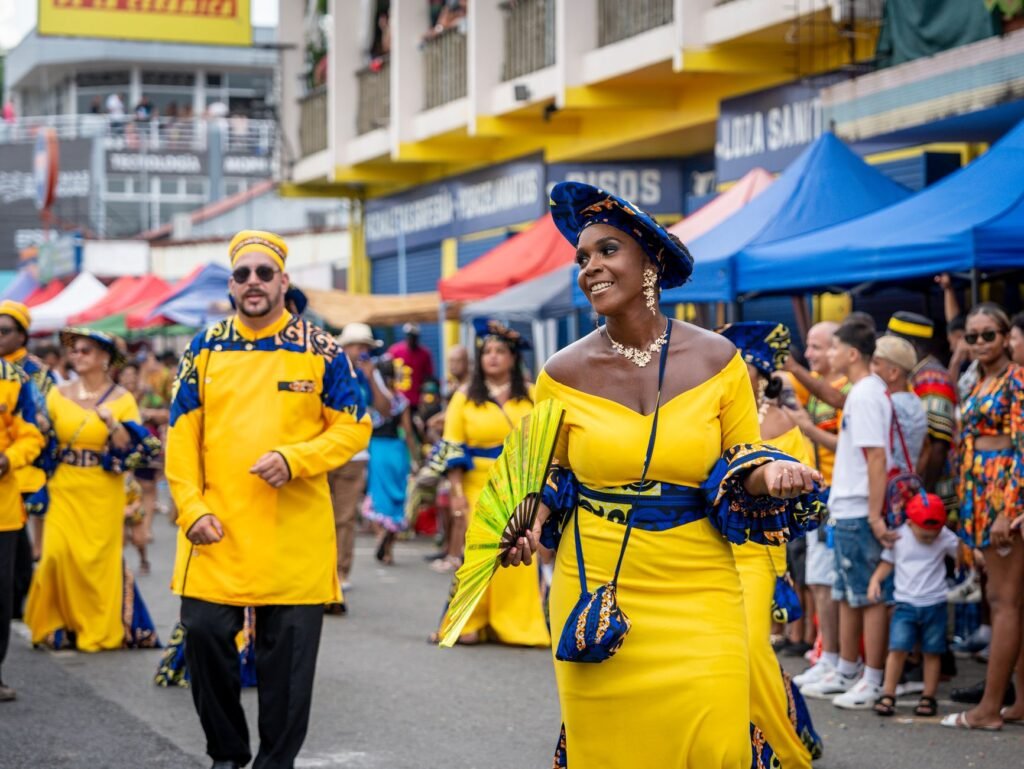
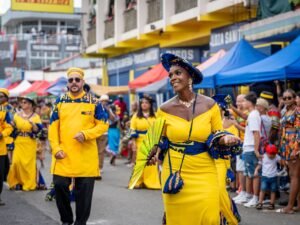
Saint Lucia sustains a vibrant Afro-French Creole heritage that remains part of everyday life. Kwéyòl (Saint Lucian Creole) is widely spoken, celebrated each October in the island-wide Jounen Kwéyòl, and the rival flower societies of La Rose and La Marguerite, dating from 1758, still stage their singing, costume and feast-day festivals.
Where the name comes from
Hewanorra in Kalinago, usually read as 'land of the iguana'. The saint's name was applied by Europeans. Source: national and regional toponymic records.
The land itself: volcanic and mountainous, cut by broad, fertile valleys. Its high point is Mount Gimie, 948 m. Source: national mapping and survey records.
Where it starts
Iouanalao, then Hewanorra
Archaic people settled here between about 1000 and 500 BC. Arawakan-speaking communities arrived from northern South America around AD 200 to 400 and left well-developed pottery at sites across the island. At Lavoutte on the north coast, twelve individuals from the Ceramic period were recovered, and are among the remains used in the ancient DNA study of pre-contact Caribbean population history published in Nature. The first inhabitants called the island Iouanalao, land of the iguanas. The Kalinago, arriving around AD 800, called it Hewanorra, a name the island's airport still carries.
How it got here
Fourteen changes of hands
France and Britain fought over the island repeatedly and it changed hands fourteen times, while Kalinago resistance continued throughout. It passed to Britain by treaty in 1814, slavery was abolished in 1834, and independence came in 1979.
The timeline
c. AD 200 to 400
Arawakan-speaking settlement.
Arawakan-speaking people arrive from northern South America. Numerous sites across the island have produced their well-developed pottery. ↗
Ceramic period
The Lavoutte site.
Twelve individuals from the Ceramic period were recovered at Lavoutte on the north coast, and are among the remains used in the ancient DNA study of pre-contact Caribbean population history published in Nature. ↗
Before AD 800
Iouanalao.
The island's first inhabitants called it Iouanalao, land of the iguanas. ↗
c. AD 800
Hewanorra.
Kalinago people arrive and take control from the earlier Arawakan-speaking population, calling the island Hewanarau and later Hewanorra. The name is still carried by the island's international airport. ↗
1600s to 1700s
Fourteen changes of hands.
France and Britain contest the island repeatedly, and it changes hands fourteen times while Kalinago resistance continues. ↗
1814
Ceded to Britain.
The island passes to Britain by treaty at the end of the Napoleonic wars. ↗
1834
Abolition.
The Slavery Abolition Act takes effect on 1 August 1834, on an island that had changed hands between France and Britain fourteen times. Everyone over the age of six is held as an unpaid apprentice until 1838. Parliament pays £20 million in compensation to slave owners and nothing at all to the people they had enslaved. ↗
1979
Independence.
Saint Lucia becomes independent in 1979, remaining in the Commonwealth. It is the smallest country to have produced two Nobel Prize winners, Sir Arthur Lewis and Derek Walcott. ↗
42 protected areas are recorded, and here is the number that tells you the most: only four of the 42 have ever undergone a management effectiveness evaluation. Strong designation, thin assessment. The Pitons Management Area is the island's only UNESCO World Heritage Site, inscribed on 30 June 2004 under natural criteria, covering 2,909 hectares.
Is wild St Lucia protected? 18.2% of the land is, against a 30% target for 2030
Species to know
Recorded in St Lucia and named in the open record. Endemic status is stated per species, not implied by this list.
St Lucia parrot
St
St Lucia whiptail
St
The watchlist
ThreatenedSemper's Warbler (Leucopeza semperi)Critically Endangered on the IUCN Red List, and recorded in St Lucia in GBIF occurrence data (bird).
ThreatenedEretmochelys imbricataCritically Endangered on the IUCN Red List, and recorded in St Lucia in GBIF occurrence data (turtle).
ThreatenedVanzo's Whiptail (Cnemidophorus vanzoi)Critically Endangered on the IUCN Red List, and recorded in St Lucia in GBIF occurrence data (reptile).
ThreatenedElkhorn coral (Acropora palmata)Critically Endangered on the IUCN Red List, and recorded in St Lucia in GBIF occurrence data (coral).
ThreatenedSpanish Lady (Opuntia triacanthos)Critically Endangered on the IUCN Red List, and recorded in St Lucia in GBIF occurrence data (plant).
ThreatenedMillepora squarrosaCritically Endangered on the IUCN Red List, and recorded in St Lucia in GBIF occurrence data (coral).
ThreatenedErythrolamprus ornatusCritically Endangered on the IUCN Red List, and recorded in St Lucia in GBIF occurrence data (reptile).
ThreatenedReef starlet coral (Siderastrea siderea)Critically Endangered on the IUCN Red List, and recorded in St Lucia in GBIF occurrence data (coral).
Critically Endangered, the last IUCN category before Extinct in the Wild, and still recorded in St Lucia. GBIF holds 39 verified occurrence records.
Eretmochelys imbricata
Critically Endangered, the last IUCN category before Extinct in the Wild, and still recorded in St Lucia. GBIF holds 7 verified occurrence records.
Vanzo's Whiptail (Cnemidophorus vanzoi)
Critically Endangered, the last IUCN category before Extinct in the Wild, and still recorded in St Lucia. GBIF holds 75 verified occurrence records.
Elkhorn coral (Acropora palmata)
Critically Endangered, the last IUCN category before Extinct in the Wild, and still recorded in St Lucia. GBIF holds 15 verified occurrence records.
Species named here are drawn from GBIF occurrence records for St Lucia filtered to the IUCN Red List threatened categories. Species are listed where GBIF holds occurrence records for them in this country. Record counts are not published here because the figure cannot be reproduced from a public GBIF query.
Botanical garden in Micoud, mapped and named in the open record for St Lucia. OpenStreetMap.
Water and Ocean in St Lucia.
St Lucia looks wet and is not reliably so. The John Compton Dam on the Roseau River, completed in October 1995, holds 2.6 million cubic metres and supplies the north of the island through the Hill 20 treatment plant. Silt has been accumulating since Hurricane Tomas in 2010 and a severe trough in December 2013, and when dry season levels drop below the lower draw off port the utility has to ration.
Does St Lucia have enough fresh water? Yes, with headroom
How much fresh water does St Lucia have, per person?
1,678 m³
St Lucia
1,000 m³
the UN “water scarce” line
St Lucia withdraws about 43 million cubic metres of fresh water a year (2022). That is 14.3% of the fresh water actually available to it, which FAO counts as low water stress. Of what is taken, farming takes 71%, homes and towns 29%, industry 0%. Source: FAO AQUASTAT.
What are the rules on St Lucia beaches?
·Tap water: Varies.
✓Plastic rules: Styrofoam and single use plastics, phased 2019 to 2020.
✕Solo travel: rated take care on the record for this destination.
✕Marine protection: 0.3% of the sea is protected. The 30x30 pledge for 2030 is not met yet.
Named on the open map: Anse Cochon Beach, Anse L'Ivrogne Beach, Honeymoon Beach, Piaye Beach, River Doree Beach, Balembouche beach, Choiseul village public beach, Pebble beach. That is 8 named beaches in the public record for St Lucia, each one a place you can look up before you go. OpenStreetMap.
How is the sea around St Lucia doing?
One cross-section, every answer measured.
Surface
What the coast carries
Sea-turtle nesting March–November (leatherback, hawksbill, green); hawksbill peaks Aug–Sept, hatchlings ~October. Grande Anse is the main leatherback beach.
Nearshore
Protected water
0.3% of territorial waters are protected, against the 30% pledged for 2030 under the Global Biodiversity Framework.
The record
Measured
St Lucia looks wet and is not reliably so. The John Compton Dam on the Roseau River, completed in October 1995, holds 2.6 million cubic metres and supplies the north of the island through the Hill 20 treatment plant.
Sea protected
0.3%
Against the 30% pledged for 2030 under the Global Biodiversity Framework.
Threatened species
72 (mammals, birds, fish & plants)
Mammals, birds, fish and higher plants on the IUCN list.
How hard is the water supply being pushed?
Of every 10 buckets nature refills, 1 are already taken. Withdrawals run at 14.3% of what St Lucia renews internally each year (2022, World Bank / FAO AQUASTAT). That is inside the 25% mark generally treated as water stress, so the supply has headroom.
When is the best time to visit St Lucia? Tap your month.
Tap your month.
JanFebMarAprMayJunJulAugSepOctNovDec
.
How much fresh water does St Lucia actually have?
Nature renews about 1,678 cubic metres of fresh water per person per year here. That ranks St Lucia 77 of 208 countries measured, putting it in the drier half of the world. The UN treats anything under 1,000 cubic metres as water scarce, and this is above that line. World Bank / FAO AQUASTAT.
The import bill was around EC$1.5 billion as of 2023 on the Eastern Caribbean Central Bank's tracker, and the largest categories are processed foods, juices and meat, mostly pork and chicken. That is the honest backdrop. What is genuinely grown here is worth seeking out: soursop, squash, corn, eggplant, dragon fruit, lettuce, tomatoes, cabbage, chives, parsley, yam, dasheen and tania.
How often each food is on the plate
Share of people eating each one regularly. These overlap, so they do not add up to 100%.
Coconuts51%
Plantains42%
Breadfruit33%
Dasheen24%
Yams15%
What is killing people in St Lucia? The imported diet.
Cause of death, and the diet behind it.
Non-communicable diseases, all combined52.8%
Diabetes11.4%
Adults living with overweight or obesity. 62.6%.
Can St Lucia feed itself?
4.4%
Arable land
16.3%
Agricultural land
7,606
Farmers
6,598
Arable acres
1.7%
Agriculture, share of GDP
Feeding itself
The import bill was around EC$1.5 billion as of 2023 on the Eastern Caribbean Central Bank's tracker, and the largest categories are processed foods, juices and meat, mostly pork and chicken. That is the honest backdrop.
Certification
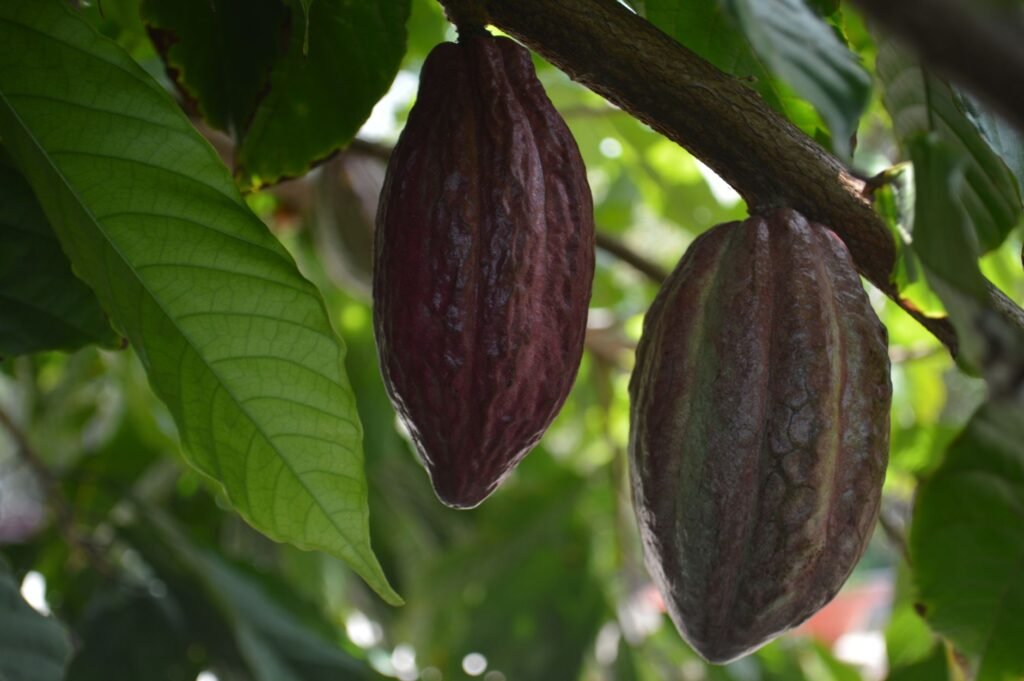
Cocoa is where the credible growing story sits: Fond Doux is a historic working estate taking you from pod through fermentation to sun drying, and Hotel Chocolat's Rabot Estate, bought in 2006, is described as the oldest cacao farm on the island. Neither is presented to us as certified organic, so we are not going to say they are.
Water for crops
St Lucia looks wet and is not reliably so. The John Compton Dam on the Roseau River, completed in October 1995, holds 2.6 million cubic metres and supplies the north of the island through the Hill 20 treatment plant.
Why the organic number looks like that. Certified-organic farmland is not separately reported for St Lucia, and that is a certification gap rather than proof nothing is grown cleanly. What the official land record does show: 16.3% of the country is agricultural land and 4.4% is arable (2023, World Bank). Certification is paid for per farm per year by a foreign body, which prices out smallholders, so the organic number reads worse than the practice.
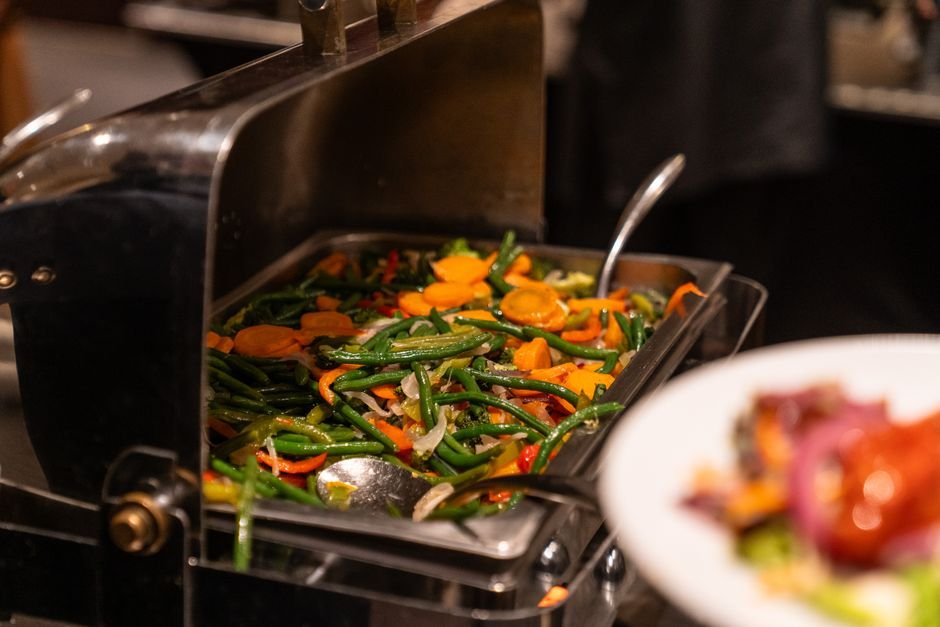
The plant-based kitchen here is not an import. By tonnage, the largest crops grown in St Lucia are coconuts, bananas and plantains and cooking bananas (FAO, FAOSTAT crop production, 2024). That is what the land itself puts on a plate.
Buy direct where residents buy: Castries Central Market, Marchand Market, Soufrière Vegetables Market, St Lucia's farmer market, Choiseul street market. Each is a mapped, named marketplace, so the money stays with the seller rather than the importer. OpenStreetMap.
Saint Lucia is a relatively low per-capita emitter at about 1.71 tonnes of CO2 per person, yet this reflects small scale rather than clean energy, since more than 99% of its electricity is generated from imported diesel. Utility-scale renewables amount to only a few megawatts of solar, and roughly 92% of the island's primary energy comes from petroleum products.
Pollution
The Styrofoam and Plastic (Prohibition) Act passed on 11 June 2019. Phase one banned importation of Styrofoam and selected single use plastic food containers from 1 August 2019, and phase two extended it to sale, use and distribution from August 2020, the 12 month gap deliberately allowing stock to run down.
Water stress
St Lucia looks wet and is not reliably so. The John Compton Dam on the Roseau River, completed in October 1995, holds 2.6 million cubic metres and supplies the north of the island through the Hill 20 treatment plant.
What pollutes most here
1The gridThe share of electricity still generated from fossil fuel.97.5%
2IndustryCruise tourism (Castries port).named
3AirModelled annual mean against a WHO guideline of 5 µg/m³.10.4 µg/m³ (PM2.5)
4On the recordThe Styrofoam and Plastic (Prohibition) Act passed on 11 June 2019.
What has St Lucia promised on climate?
Electricity renewable today2.5% (2021)
Land protected, against a 30% target18.2% by 2025
Sea protected, against a 30% target0.3% by 2025
Measured on delivery, 2.5% of electricity is already renewable (2021, World Bank), so 97.5% of the grid is still to be converted. The pledge on file is measured here against what has actually been delivered, not taken on its own (UNFCCC NDC Registry, CBD Kunming-Montreal Target 3).
The biggest line item
One return flight against a whole year of living.
A resident's entire year1.71 t CO2e
Safe-climate budget, per year2 t CO2e
Singapore return, economy3.18 t CO2e
Sydney return, economy2.9 t CO2e
Dubai return, economy2.14 t CO2e
Johannesburg return, economy1.91 t CO2e
Frankfurt return, economy1.33 t CO2e
How much CO2 does flying to St Lucia emit?
Tap where you would fly from. One return flight, economy.
13% residents to 87% visitors across a year. 1,220,000 international arrivals in 2019 against 180,149 people who live here (2025, World Bank / UN Tourism).
Where a visitor dollar goes in St Lucia
433k
Visitors a year
2.4
Visitors per resident
How deep in debt is St Lucia?· for every $100 St Lucia earns in a year, it owes…
Pay to the order of: the creditorsmemo · the 2020 peak
$ 94The worst year on the IMF record. St Lucia owed $94 for every $100 it earned.
IMF World Economic Outlook, 2020signed, the creditors
Pay to the order of: the creditorsmemo · today
$ 78What is owed now, for every $100 of national income (2026).
IMF World Economic Outlook, 2026signed, the creditors
Pay to the order of: the creditorsmemo · projected 2031
$ 77The IMF's own forecast has this falling to $77 by 2031.
IMF World Economic Outlook projection, 2031signed, the forecast
For every $100 St Lucia earns in a year, it owes $78 (2026, IMF World Economic Outlook). The interest on that is paid before schools, clinics or coastline get their turn.
Where does a tourist dollar actually go in St Lucia?
Play one tourist dollar around the board. Every square is a measured fact from this page.
START!
1
GO: a visitor lands
$100 goes on the table. 1,220,000 international arrivals in 2019 against 180,149 residents, 6.8 visitors for every resident (World Bank / UN Tourism).
$100 in play
2
The bed
Who owns the largest places to stay in St Lucia is not published in the records we can check, so this square is left open rather than guessed. Where a listing names its owner, it is shown in the ownership table below.
not published
3
The plate
Food is 27.6% of everything St Lucia imports (2020, World Bank), so a large part of every restaurant bill is paid to a supplier abroad. Eating what the land here actually grows, coconuts, bananas, tropical fruits, fruits, root vegetables, plantains, vegetables, cassava, keeps that money with the grower.
sails in
4
The power
97.5% of the electricity is fossil (2021, World Bank). Lighting, cooling and hot water are paid for largely in imported fuel.
burns away
5
What actually stays
Of the two parts of a visitor's bill that can be measured here, the plate and the power mostly leave St Lucia. Choosing locally grown food is the part of that a visitor can actually control.
less than you think
6
Pay the bank first
St Lucia owes $78 for every $100 it earns (IMF World Economic Outlook, 2026 projection). The interest is paid before anything else on this board.
$78 per $100
7
Community chest
Tourism earns 88.8% of everything St Lucia makes from exports (2018, World Bank / UN Tourism). That is how much of the economy depends on the game continuing.
88.8% of exports
8
The flight
Getting here is usually the biggest single line on the bill. From Singapore a return economy seat is 3.18 t CO2, on the UK Government's published conversion factors. It is the one part of the trip this board cannot reduce.
3.18 t CO2
9
Back to GO
The economy turns over about US$3 billion a year (IMF World Economic Outlook, 2026 projection). Every lap of this board is a choice about how much of it stays.
US$3bn
GDPUS$2.7bn
Agriculture, share of GDP1.7%
Visitors a year432,500
Visitors per resident2.4
Residents~180,149
Agriculture
Farming is 1.7% of the economy. The import bill was around EC$1.5 billion as of 2023 on the Eastern Caribbean Central Bank's tracker, and the largest categories are processed foods, juices and meat, mostly pork and chicken.
Natural materials
Choiseul is the strongest living craft village in our Caribbean coverage, and almost everything it makes replaces something you would otherwise buy in plastic. The materials are all worked from the land: sisal, khus khus grass, screw pine, bamboo, coconut, calabash, seeds and stone, cleaned, dried, then woven, plaited and sewn.
Energy
Saint Lucia is a relatively low per-capita emitter at about 1.71 tonnes of CO2 per person, yet this reflects small scale rather than clean energy, since more than 99% of its electricity is generated from imported diesel. Utility-scale renewables amount to only a few megawatts of solar, and roughly 92% of the island's primary energy comes from petroleum products.
Who owns the biggest hotels in St Lucia?
By rooms · company records and press.
Fond Doux Eco ResortOwnership not publishednot published
Rabot Hotel (Hotel Chocolat)Ownership not publishednot published
Anse Chastanet ResortOwnership not publishednot published
Balenbouche Estate · ~5 roomsIndependentnot published
Visitors, over time
20151,031k
2016948k
20171,064k
20181,165k
20191,220k
2020432k
International tourism receipts run at about US$0.99 billion in 2018 (World Bank / UN Tourism). That is 88.8% of everything the country earns from exports.
How much of your money actually stays here?
Tap the holiday you are planning.
All-inclusive resortForeign-owned hotel and tourist restaurantsLocally owned stay and local restaurantsGuesthouse, markets and public transport
Resort guest, villa renter, family, nomad or backpacker. The honest playbook for each, from the same sourced numbers.
Already booked a resort? · the rescue list
Five swaps that move your money back on-island
1. Eat where the country eats Choose kitchens cooking bananas (leading crop), coconuts, plantains, breadfruit, dasheen, yams, sweet potatoes; national dish is green fig (green banana) and saltfish. over imported menus. The checked list →
2. Book with a local operator Never the lobby desk. The margin on a tour is the part that stays. Eco tours →
3. Stay somewhere locally owned Ownership decides where the room rate books. Eco stays →
4. Use the transport residents use Minibus along the coast roads; the north to south drive is slow, so pick your base
5. Buy the craft, not the souvenir Natural-materials work made here pays the maker directly; imported gifts pay a shipping line.
swipe →
First time here
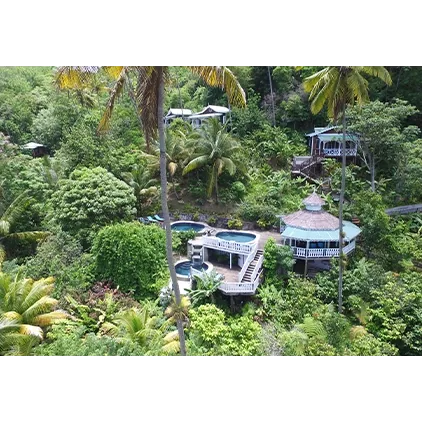
St Lucia is the island of the Pitons, two volcanic spires rising straight out of the sea at Soufrière, and a UNESCO World Heritage Site. Around them is a drive in volcano, sulphur springs you can bathe in, rainforest walks and a serious cocoa tradition, with estates running tree to bar experiences on land that has grown cacao for centuries.
Best time: December to April is the dry season. May to November is greener, wetter and quieter, with hurricane season running June to November. The Pitons are best walked early, before the heat.
Getting around
Minibus along the coast roads; the north to south drive is slow, so pick your base
Transport is where the fare either stays or leaves.
Eating here
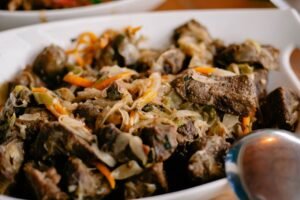
The everyday plate is bananas (leading crop), coconuts, plantains, breadfruit, dasheen, yams, sweet potatoes; national dish is green fig (green banana) and saltfish.. Castries Central Market was built in 1891 and opened on 2 July 1894, and it still carries over 300 regular vendors, open Monday to Saturday and busiest on Friday and Saturday.
Eating what the country grows is the cheapest way to cut the import bill.
Good to know
Water is rationed here more often than the brochures suggest, particularly in the north between January and May. Expect it, and do not be the guest running a tap.
There is no formal recycling on the island, so what you bring in mostly stays in. Refill rather than buying cases of bottled water.
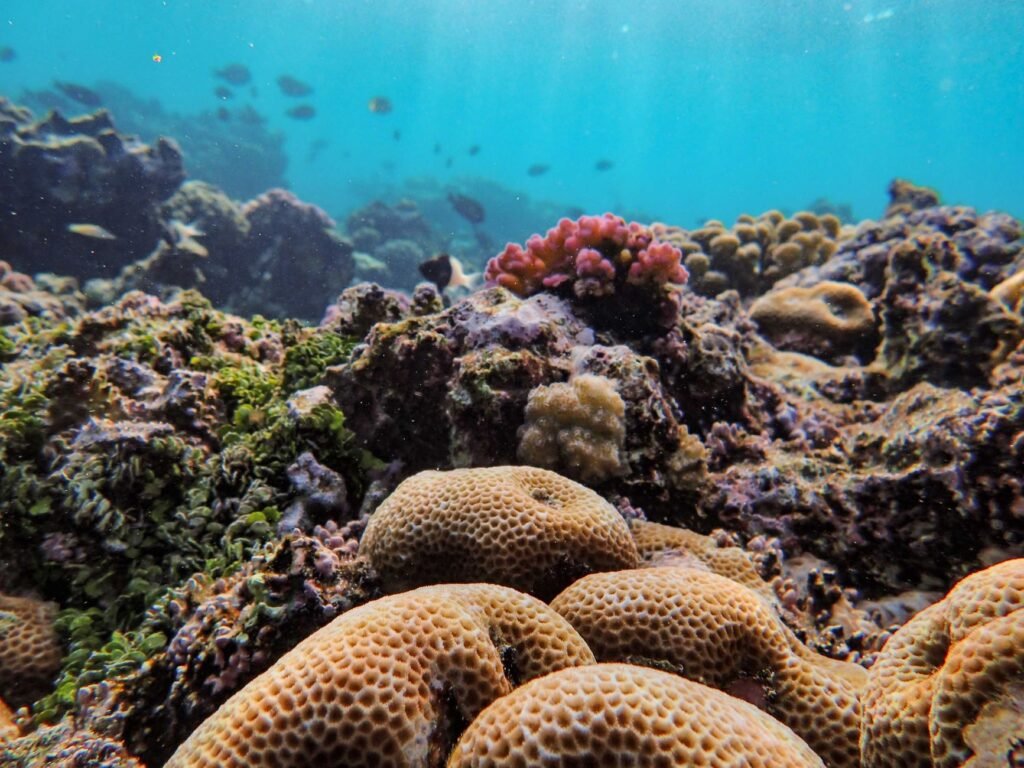
Divers pay a user fee inside the Soufriere Marine Management Area, which funds the reef management, and touching or standing on coral is prohibited. Buy your craft in Choiseul from the people who made it rather than from a souvenir shop in Castries.
Rate my hotel. Tap yours for the honest verdict.
Ownership from company records and press.
Fond Doux Eco ResortRabot Hotel (Hotel Chocolat)Anse Chastanet ResortBalenbouche Estate
.
Who owns the big hotels
Fond Doux Eco ResortOwnership not published
Rabot Hotel (Hotel Chocolat)Ownership not published
Anse Chastanet ResortOwnership not published
Balenbouche EstateIndependent · 5 rooms
None of the 4 properties listed here publishes who ultimately owns it, so no claim is made either way. Ownership is what decides how much of a room rate stays in the country, which is why we show it when a listing states it.
Society and Governance in St Lucia.
How well is St Lucia actually run?
Governance, measured · World Bank WGI
Four measured answers, none of them opinion. Averaged across corruption control, delivery and accountability, St Lucia scores 60 out of 100 (2024, World Bank Worldwide Governance Indicators). That is a state that generally does what it says it will do, which is what makes a climate pledge worth reading.
How well is St Lucia run? · each scored out of 100, higher is better
Clean government, scored 57 of 100
Control of corruption scores 56.9 out of 100 (2024, World Bank Worldwide Governance Indicators). That is above the halfway mark of governments measured.
57
Freedom and rights, scored 68 of 100
Voice and accountability, which measures free expression, free media and the ability to choose a government, scores 67.5 out of 100 (2024, World Bank WGI). Citizens have some room to question their government.
68
Government effectiveness, scored 57 of 100
Government effectiveness, which measures the quality of public services and how well policy is actually delivered, scores 56.6 out of 100 (2024, World Bank WGI). Delivery is rated above average.
57
Income equality, scored 44 of 100
The Gini index of income inequality reads 43.7 (2015, World Bank). Zero is perfect equality and 100 is one person holding everything. Above 40 is the level usually treated as socially strained, and St Lucia sits above it.
44
LGBTQ+ status: LowSolo female travel: Take careIndustry to avoid: Cruise tourism (Castries port)
What is daily life in St Lucia really like? Measured
Getting around, breathing, throwing away, learning. The honest checklist.
TransportAirWaterWastePower
✓How you get around Minibus along the coast roads; the north to south drive is slow, so pick your base
✓Air quality, measured Modelled annual mean 10.4 µg/m³ (PM2.5). The WHO guideline is 5 µg/m³.
✓Tap water Varies
✓What to drink John Compton Dam on the Roseau River, plus river intakes
✓Plastic rules Styrofoam and single use plastics, phased 2019 to 2020
✓Sockets and voltage 230V, UK three pin
Made in St Lucia.
Choiseul is the strongest living craft village in our Caribbean coverage, and almost everything it makes replaces something you would otherwise buy in plastic. The materials are all worked from the land: sisal, khus khus grass, screw pine, bamboo, coconut, calabash, seeds and stone, cleaned, dried, then woven, plaited and sewn. Every step of processing done at home is value that stops leaving the country.
Made now · natural materials
Choiseul is the strongest living craft village in our Caribbean coverage
Worked in St Lucia from local material, and still a working craft rather than a museum piece.
Made now · natural materials
Khus khus grass
Worked in St Lucia from local material, and still a working craft rather than a museum piece.
Made now · natural materials
Screw pine
Worked in St Lucia from local material, and still a working craft rather than a museum piece.
Made now · natural materials
Bamboo
Worked in St Lucia from local material, and still a working craft rather than a museum piece.
Made now · natural materials
Coconut
Worked in St Lucia from local material, and still a working craft rather than a museum piece.
Made now · natural materials
Calabash
Worked in St Lucia from local material, and still a working craft rather than a museum piece.
Could make · grown here already
Bananas (leading crop)
Grown in St Lucia and mostly sold raw. Processing it here would keep the margin here.
Could make · grown here already
Coconuts
Grown in St Lucia and mostly sold raw. Processing it here would keep the margin here.
Could make · grown here already
Plantains
Grown in St Lucia and mostly sold raw. Processing it here would keep the margin here.
The maths for an entrepreneur. St Lucia produces about US$3 billion a year, which is roughly US$14,746 per person (2025, World Bank). Farming is 1.7% of that, while food is 27.6% of everything the country imports. The country buys in more food than its own farms contribute to the economy, and every point of that gap is a business someone could build here rather than ship in.
A living tradition of St Lucia, still practised rather than archived.
Kwéyòl (Saint Lucian Creole) language
A living tradition of St Lucia, still practised rather than archived.
La Rose
A living tradition of St Lucia, still practised rather than archived.
La Marguerite flower-society festivals
A living tradition of St Lucia, still practised rather than archived.
African-derived Kélé ancestral ceremonyA living tradition of St Lucia, still practised rather than archived.
ZoukA living tradition of St Lucia, still practised rather than archived.
Does St Lucia protect its heritage by law?
Partly, and the gaps say as much as the protections.
What is kept alive. Saint Lucia sustains a vibrant Afro-French Creole heritage that remains part of everyday life. Kwéyòl (Saint Lucian Creole) is widely spoken, celebrated each October in the island-wide Jounen Kwéyòl, and the rival flower societies of La Rose and La Marguerite, dating from 1758, still stage their singing, costume and feast-day festivals. Traditional kwadril dancing, along with zouk, calypso and soca, animate community life, and the Kélé ceremony preserves an African-derived ancestral rite honouring the ancestors and the spirits.
Who it belongs to. Jounen Kwéyòl is the island's observance of International Creole Day, held on the last Sunday of October, and it is genuinely community hosted rather than a resort product. International Creole Day was established in 1983 under the Bannzil Kreyol banner, and St Lucia's became a community based event in 1984. Host villages rotate and are announced each year, so where you go changes annually.
Only here. The Pitons Management Area is St Lucia's only UNESCO World Heritage Site, and it is inscribed for a combination almost nowhere else has in one place: two volcanic spines rising straight from the sea, an active geothermal sulphur field, and a fringing coral reef in excellent condition..
Three futures for St Lucia, every one run forward from measured data.
Where the making actually happens
Named cultural and craft sites on the open map: Choiseul Art & Craft Centre & National Skills Development Centre (Choiseul), The Morne Museum (Castries), Diamond Botanical Garden (Soufrière), Latille Botanical Gardens (Micoud). OpenStreetMap.
Every measured trend on one line
Run forward at the pace already recorded.
-2%
Forest cover
1995: 34.7 % → 2023: 34 %
+205%
CO2 per person
1995: 0.56 t → 2024: 1.71 t
+6%
Tourist arrivals
1995: 407 k → 2020: 432 k
+8%
Protected land
2013: 16.9 % → 2025: 18.2 %
-70%
Farm workforce
1995: 24.7 % → 2025: 7.5 %
-45%
Agricultural land
1995: 29.5 % → 2023: 16.3 %
0%
Urban population
1995: 29.2 % → 2025: 29.1 %
-12%
Air pollution
1995: 11.8 µg/m³ → 2023: 10.4 µg/m³
-17%
Fresh water per person
1995: 2024.2 m³ → 2022: 1678 m³
+53%
Adult overweight
1995: 40.9 % → 2022: 62.6 %
+16%
Electricity access
2000: 86 % → 2024: 100 %
+186%
GDP per person
1995: 5148 → 2025: 14746
+22%
Population
1995: 148 k → 2025: 180 k
-67%
Renewable energy use
1995: 29.7 % → 2022: 9.7 %
+43%
Protected area, total
2013: 0.7 % → 2025: 1 %
+2%
Life expectancy
1995: 71.2 yrs → 2024: 72.9 yrs
+100%
Fertiliser use
1995: 100 ha → 2023: 200 ha
+0%
Rural population
1995: 70.8 % → 2025: 70.9 %
+18%
Water productivity
2007: 39.7 $/m3 → 2022: 46.9 $/m3
-3%
Health spending
2000: 4.87 % → 2023: 4.73 %
-2%
Forest area
1995: 211.4 km2 → 2023: 207.7 km2
-40%
Emissions: Agriculture
1990: 0.05 e → 2023: 0.03 e
+200%
Emissions: Building
1990: 0.01 e → 2023: 0.03 e
+160%
Emissions: Electricity/Heat
1990: 0.1 e → 2023: 0.26 e
+175%
Emissions: Energy
1990: 0.2 e → 2023: 0.55 e
+167%
Emissions: Transportation
1990: 0.09 e → 2023: 0.24 e
World Bank open data, recorded series
How much forest is left?
Forest cover moved from 34.7% to 34.0% across 28 recorded years.
World Bank AG.LND.FRST.ZS
How much climate pollution per person?
CO2 per person moved from 0.6 t to 1.7 t across 29 recorded years.
World Bank EN.GHG.CO2.PC.CE.AR5
How many people visit?
Tourist arrivals moved from 407k to 432k across 25 recorded years.
World Bank ST.INT.ARVL
How much land is protected?
Protected land moved from 16.9% to 18.2% across 12 recorded years.
World Bank ER.LND.PTLD.ZS
How many people still farm?
Farm workforce moved from 24.7% to 7.5% across 30 recorded years.
World Bank SL.AGR.EMPL.ZS
How much land is farmed?
Agricultural land moved from 29.5% to 16.3% across 28 recorded years.
World Bank AG.LND.AGRI.ZS
How fast is it urbanising?
Urban population moved from 29.2% to 29.1% across 30 recorded years.
World Bank SP.URB.TOTL.IN.ZS
Is the air getting cleaner?
Air pollution moved from 11.8 µg/m³ to 10.4 µg/m³ across 28 recorded years.
World Bank EN.ATM.PM25.MC.M3
Is water getting scarcer?
Fresh water per person moved from 2024.2 m³ to 1678.0 m³ across 27 recorded years.
World Bank ER.H2O.INTR.PC
Is diet-related disease rising?
Adult overweight moved from 40.9% to 62.6% across 27 recorded years.
World Bank SH.STA.OWAD.ZS
Who has power?
Electricity access moved from 86.0% to 100.0% across 24 recorded years.
World Bank EG.ELC.ACCS.ZS
Is income rising?
GDP per person moved from 5148 to 14746 across 30 recorded years.
World Bank NY.GDP.PCAP.CD
How fast is it growing?
Population moved from 148k to 180k across 30 recorded years.
World Bank SP.POP.TOTL
What share of all energy is renewable?
Renewable energy use moved from 29.7% to 9.7% across 27 recorded years.
World Bank EG.FEC.RNEW.ZS
How much land and sea is protected together?
Protected area, total moved from 0.7% to 1% across 12 recorded years.
World Bank ER.PTD.TOTL.ZS
How long do people live?
Life expectancy moved from 71.17 yrs to 72.85 yrs across 29 recorded years.
World Bank SP.DYN.LE00.IN
How much fertiliser goes on the land?
Fertiliser use moved from 100 kg/ha to 200 kg/ha across 28 recorded years.
World Bank AG.CON.FERT.ZS
How many people still live rurally?
Rural population moved from 70.84% to 70.9% across 30 recorded years.
World Bank SP.RUR.TOTL.ZS
How much value per cubic metre of water?
Water productivity moved from 39.68 $/m3 to 46.92 $/m3 across 15 recorded years.
World Bank ER.GDP.FWTL.M3.KD
How much goes on health?
Health spending moved from 4.87% to 4.73% across 23 recorded years.
World Bank SH.XPD.CHEX.GD.ZS
How much forest is there in total?
Forest area moved from 211.4 km2 to 207.7 km2 across 28 recorded years.
World Bank AG.LND.FRST.K2
How have agriculture emissions moved?
Agriculture emissions moved from 0.05 to 0.03 MtCO2e across 33 recorded years.
Climate Watch (WRI), historical emissions
How have building emissions moved?
Building emissions moved from 0.01 to 0.03 MtCO2e across 33 recorded years.
Climate Watch (WRI), historical emissions
How have electricity/heat emissions moved?
Electricity/Heat emissions moved from 0.1 to 0.26 MtCO2e across 33 recorded years.
Climate Watch (WRI), historical emissions
How have energy emissions moved?
Energy emissions moved from 0.2 to 0.55 MtCO2e across 33 recorded years.
Climate Watch (WRI), historical emissions
How have transportation emissions moved?
Transportation emissions moved from 0.09 to 0.24 MtCO2e across 33 recorded years.
Climate Watch (WRI), historical emissions
Worst caseCurrent pathBest case
Worst case
Every measured decline continues at the pace already recorded. The weakest pillar, recycling at 1/5, is the one that gives way first.
Computed from: recorded series extended with no policy change
Current path
Every line above is a recorded World Bank series for this country. The current path is simply those series continuing at the pace already measured.
Computed from: recorded series, no policy change assumed
Best case
The pledges are met on their own stated timetables and the weakest pillars are lifted to match the strongest. St Lucia already shows it can do this: natural fibres scores 5/5.
Computed from: each published target delivered on its own date
What the best case actually asks for
Lift recycling
It scores 1 out of 5 today, among the weakest parts of St Lucia's record. St Lucia has no formal recycling programme. Some plastic recycling initiatives began between 2023 and 2024 and have since stopped.
Deglos Sanitary Landfill near Castries was commissioned in 2001 with a twenty year design life and was around half full as of 2021, fed by a transfer facility at Vieux Fort shipping waste up six days a week.
The front end is much better than the back end here: the Styrofoam and Plastic Prohibition Act came in from 2019 in two staged phases. But once you have thrown something away on this island, it goes in a hole. Take your recyclables home if you can. Lifting it toward the 5/5 the strongest pillars already reach is what the best case turns on.
measured each year
Costs: spending and enforcement, not new technology
Lift energy
It scores 2 out of 5 today, among the weakest parts of St Lucia's record. Saint Lucia is a relatively low per-capita emitter at about 1.62 tonnes of CO2 per person, yet this reflects small scale rather than clean energy, since more than 99% of its electricity is generated from imported diesel. Utility-scale renewables amount to only a few megawatts of solar, and roughly 92% of the island's primary energy comes from petroleum products. The country holds ambitious targets and is exploring an estimated 680 MW of geothermal potential, but progress on the ground has been slow. The near-total dependence on imported fossil fuel, with renewables still marginal, keeps the score low despite modest absolute emissions. Lifting it toward the 5/5 the strongest pillars already reach is what the best case turns on.
measured each year
Costs: spending and enforcement, not new technology
Lift organic farming
It scores 2 out of 5 today, among the weakest parts of St Lucia's record. Cocoa is where the credible growing story sits: Fond Doux is a historic working estate taking you from pod through fermentation to sun drying, and Hotel Chocolat's Rabot Estate, bought in 2006, is described as the oldest cacao farm on the island. Neither is presented to us as certified organic, so we are not going to say they are.
The genuinely low input crop here is sea moss. It is line farmed in the sea, so it uses no fresh water, no land, no feed and no chemicals, and St Lucia has the longest sea moss production history in the region with 130 registered farmers at Praslin, Piaye and Savannes Bay.
We could not verify organic certification for any St Lucian producer, which is why this sits at two rather than higher. Lifting it toward the 5/5 the strongest pillars already reach is what the best case turns on.
measured each year
Costs: spending and enforcement, not new technology
Government and Goals in St Lucia.
Who is in charge of St Lucia now · office-holders and institutions as published by the state itself; scores from the World Bank Worldwide Governance Indicators 2024
Philip J. Pierre
Prime Minister
Philip J. Pierre is the head of government of St Lucia, in office since 28 July 2021. Every climate, protection and energy pledge on this page is delivered, or not, under this administration.
Public opinion, measured
Voice and accountability, the freedom to question government: 67.5 / 100. Above the halfway mark of governments measured. World Bank WGI 2024
Control of corruption: 56.9 / 100. Above the halfway mark of governments measured. World Bank WGI 2024
Political stability and absence of violence: 83.6 / 100. Among the strongest measured. World Bank WGI 2024
Rule of law: 65.6 / 100. Above the halfway mark of governments measured. World Bank WGI 2024
Regulatory quality: 57.7 / 100. Above the halfway mark of governments measured. World Bank WGI 2024
Philip J. PierrePrime Minister
Houses of ParliamentLegislature, bicameral
Constitutioncurrent text dates from 1958
Government typeparliamentary democracy under a constitutional monarchy; a Commonwealt
St Lucia national goals: what has been pledged, and how far it has got · each pledge measured against this country's own recorded delivery
2030
30% of land protected
! behind
Target 3 of the Kunming-Montreal Global Biodiversity Framework, adopted by more than 190 parties in December 2022. St Lucia currently protects 18.2% of its land, which is 61% of the way to the pledge. ↗
2030
30% of sea protected
✕ far behind
The marine half of the same 30x30 pledge. St Lucia currently protects 0.3% of its territorial waters, which is 1% of the way there. ↗
2030
Paris Agreement pledge
on record
St Lucia has a Nationally Determined Contribution lodged with the UNFCCC. The registry holds the current text, its target year and the sectors it covers. ↗
Plastic policy
in force
Styrofoam and single use plastics, phased 2019 to 2020.
Grid, as it stands
2.5% renewable
Recorded renewable share of electricity output, the number every energy pledge is measured against. ↗
Plain Answers About St Lucia.
The questions people actually type, answered in full sentences from the sourced data above.
swipe →
Is St Lucia sustainable?
St Lucia scores 63 out of 100 on the Throne Eco Index, across twelve equally weighted pillars. St Lucia is the island of the Pitons, two volcanic spires rising straight out of the sea at Soufrière, and a UNESCO World Heritage Site. Around them is a drive in volcano, sulphur springs you can bathe in, rainforest walks and a serious cocoa tradition, with estates running tree to bar experiences on land that has grown cacao for centuries.
Is the water in St Lucia safe and plentiful?
St Lucia looks wet and is not reliably so. The John Compton Dam on the Roseau River, completed in October 1995, holds 2.6 million cubic metres and supplies the north of the island through the Hill 20 treatment plant. Silt has been accumulating since Hurricane Tomas in 2010 and a severe trough in December 2013, and when dry season levels drop below the lower draw off port the utility has to ration.
Can St Lucia feed itself?
The import bill was around EC$1.5 billion as of 2023 on the Eastern Caribbean Central Bank's tracker, and the largest categories are processed foods, juices and meat, mostly pork and chicken. That is the honest backdrop. What is genuinely grown here is worth seeking out: soursop, squash, corn, eggplant, dragon fruit, lettuce, tomatoes, cabbage, chives, parsley, yam, dasheen and tania.
Is it easy to eat plant-based in St Lucia?
Castries Central Market was built in 1891 and opened on 2 July 1894, and it still carries over 300 regular vendors, open Monday to Saturday and busiest on Friday and Saturday. It is the real thing rather than a craft market with produce attached. Cassava bread is the living plant based tradition to look for, still made at Fond Latisab in Babonneau, where you can watch the whole process.
How much of St Lucia is actually protected?
42 protected areas are recorded, and here is the number that tells you the most: only four of the 42 have ever undergone a management effectiveness evaluation. Strong designation, thin assessment. The Pitons Management Area is the island's only UNESCO World Heritage Site, inscribed on 30 June 2004 under natural criteria, covering 2,909 hectares.
What wildlife is left in St Lucia?
The St Lucia parrot is endemic and is the national bird. It fell to roughly 150 birds by the late 1970s, reached about 300 by 1990 and has kept climbing, which is a genuine recovery, though current estimates conflict enough that we will not print a single figure. The St Lucia whiptail is the rarer story.
Is St Lucia on clean energy?
Saint Lucia is a relatively low per-capita emitter at about 1.71 tonnes of CO2 per person, yet this reflects small scale rather than clean energy, since more than 99% of its electricity is generated from imported diesel. Utility-scale renewables amount to only a few megawatts of solar, and roughly 92% of the island's primary energy comes from petroleum products. The country holds ambitious targets and is exploring an estimated 680 MW of geothermal potential, but progress on the ground has been slow.
How polluted is St Lucia?
The Styrofoam and Plastic (Prohibition) Act passed on 11 June 2019. Phase one banned importation of Styrofoam and selected single use plastic food containers from 1 August 2019, and phase two extended it to sale, use and distribution from August 2020, the 12 month gap deliberately allowing stock to run down. The part nobody advertises is that St Lucia has no formal recycling programme.
Does recycling work in St Lucia?
St Lucia has no formal recycling programme. Some plastic recycling initiatives began between 2023 and 2024 and have since stopped. Deglos Sanitary Landfill near Castries was commissioned in 2001 with a twenty year design life and was around half full as of 2021, fed by a transfer facility at Vieux Fort shipping waste up six days a week.
Is the farming in St Lucia organic?
Cocoa is where the credible growing story sits: Fond Doux is a historic working estate taking you from pod through fermentation to sun drying, and Hotel Chocolat's Rabot Estate, bought in 2006, is described as the oldest cacao farm on the island. Neither is presented to us as certified organic, so we are not going to say they are. The genuinely low input crop here is sea moss.
Are there natural materials and craft in St Lucia?
Choiseul is the strongest living craft village in our Caribbean coverage, and almost everything it makes replaces something you would otherwise buy in plastic. The materials are all worked from the land: sisal, khus khus grass, screw pine, bamboo, coconut, calabash, seeds and stone, cleaned, dried, then woven, plaited and sewn. So the swap is easy here.
Is there living culture in St Lucia?
Jounen Kwéyòl is the island's observance of International Creole Day, held on the last Sunday of October, and it is genuinely community hosted rather than a resort product. International Creole Day was established in 1983 under the Bannzil Kreyol banner, and St Lucia's became a community based event in 1984. Host villages rotate and are announced each year, so where you go changes annually.
What heritage does St Lucia keep alive?
Saint Lucia sustains a vibrant Afro-French Creole heritage that remains part of everyday life. Kwéyòl (Saint Lucian Creole) is widely spoken, celebrated each October in the island-wide Jounen Kwéyòl, and the rival flower societies of La Rose and La Marguerite, dating from 1758, still stage their singing, costume and feast-day festivals. Traditional kwadril dancing, along with zouk, calypso and soca, animate community life, and the Kélé ceremony preserves an African-derived ancestral rite honouring the ancestors and the spirits.
So is St Lucia actually green? The measured answer
What is working: the record is thin on the headline measures, and the sourced numbers below say why.
What is not: sea protected at 0.3% against a 30% mark, renewable electricity at 2.5% against a 100% mark.
Where St Lucia sits on the Eco Index, against its regional neighbours and the 0 destinations scored worldwide.
What is St Lucia particularly good at?
✓Heritage, scored 5/5. Saint Lucia sustains a vibrant Afro-French Creole heritage that remains part of everyday life. Kwéyòl (Saint Lucian Creole) is widely spoken, celebrated each October in the island-wide Jounen Kwéyòl, and the rival flower societies of La Rose and La Marguerite, dating from 1758, still stage their singing, costume and feast-day festivals. Traditional kwadril dancing, along with zouk, calypso and soca, animate community life, and the Kélé ceremony preserves an African-derived ancestral rite honouring the ancestors and the spirits. This living blend of African, French and Creole practice, carried in language, music, dance and ancestral tradition, marks a deep and widely alive heritage.
✓Natural fibres, scored 5/5. Choiseul is the strongest living craft village in our Caribbean coverage, and almost everything it makes replaces something you would otherwise buy in plastic. The materials are all worked from the land: sisal, khus khus grass, screw pine, bamboo, coconut, calabash, seeds and stone, cleaned, dried, then woven, plaited and sewn.
So the swap is easy here. A Choiseul basket does the work of a plastic bag for the whole trip and then keeps doing it at home. A calabash bowl is a bowl. The tourism authority itself notes that in almost every piece a dominant Amerindian theme can be traced, through the bamboo, khus khus, screwpine and sisal work, which means you are buying a technique older than the plantations.
The Choiseul Craft Centre is run by the Choiseul Arts, Craft and Tourism Heritage Association, and Choiseul is thought to be the only community on the island still holding this much of the craft heritage as a living income. Buy there, from the maker.
One trap to avoid. The Sea Island Cotton Shop in Castries is a retail souvenir business trading since 1977, not a cotton grower. Current West Indian Sea Island cotton production is in Barbados, Antigua, Nevis and Jamaica.
✓Culture, scored 4/5. Jounen Kwéyòl is the island's observance of International Creole Day, held on the last Sunday of October, and it is genuinely community hosted rather than a resort product. International Creole Day was established in 1983 under the Bannzil Kreyol banner, and St Lucia's became a community based event in 1984. Host villages rotate and are announced each year, so where you go changes annually. In 2025 the main hosts were Belle Vue in Vieux Fort and Babonneau, closing on 26 October.
Fond Latisab Creole Park in Babonneau is the other one to know. It is an 11 acre smallholding that has been in the Thomas family since the end of slavery, described as a working model of the self sufficient farms built by formerly enslaved people and their descendants. You watch cassava bread being made because that is what the family does.
Where does St Lucia score worst?
✕Pollution, scored 2/5. The Styrofoam and Plastic (Prohibition) Act passed on 11 June 2019. Phase one banned importation of Styrofoam and selected single use plastic food containers from 1 August 2019, and phase two extended it to sale, use and distribution from August 2020, the 12 month gap deliberately allowing stock to run down.
The part nobody advertises is that St Lucia has no formal recycling programme. Some plastic recycling initiatives started between 2023 and 2024 and have since stopped. Deglos Sanitary Landfill near Castries was commissioned in 2001 with a 20 year design life and was around half full as of 2021. Take your recyclables home if you can.
✕Water, scored 2/5. St Lucia looks wet and is not reliably so. The John Compton Dam on the Roseau River, completed in October 1995, holds 2.6 million cubic metres and supplies the north of the island through the Hill 20 treatment plant. Silt has been accumulating since Hurricane Tomas in 2010 and a severe trough in December 2013, and when dry season levels drop below the lower draw off port the utility has to ration.
More than 93,000 residents in the northern districts have faced severe shortages every two to three years, and in November 2025 the water company was fast tracking repairs ahead of an anticipated harsh 2026 drought. There is a national drinking water standard, SLNS 89:2021, but no blanket official statement that the tap is safe island wide.
✕Recycling, scored 1/5. St Lucia has no formal recycling programme. Some plastic recycling initiatives began between 2023 and 2024 and have since stopped.
Deglos Sanitary Landfill near Castries was commissioned in 2001 with a twenty year design life and was around half full as of 2021, fed by a transfer facility at Vieux Fort shipping waste up six days a week.
The front end is much better than the back end here: the Styrofoam and Plastic Prohibition Act came in from 2019 in two staged phases. But once you have thrown something away on this island, it goes in a hole. Take your recyclables home if you can.
Similar countries doing it better and worse
BelizeScored on the same twelve pillars as St Lucia.80
St Vincent and the GrenadinesScored on the same twelve pillars as St Lucia.77
JamaicaScored on the same twelve pillars as St Lucia.73
Turks & CaicosScored on the same twelve pillars as St Lucia.52
British Virgin IslandsScored on the same twelve pillars as St Lucia.48
St BarthsScored on the same twelve pillars as St Lucia.47
A note from the lens of mother natureswipe →
Energy, 2/5
Saint Lucia is a relatively low per-capita emitter at about 1.71 tonnes of CO2 per person, yet this reflects small scale rather than clean energy, since more than 99% of its electricity is generated from imported diesel. Utility-scale renewables amount to only a few megawatts of solar, and roughly 92% of the island's primary energy comes from petroleum products.
Consequence: It is the lowest-scoring part of St Lucia's record, so it is where the score moves first.
Food and farming, 4/5
The import bill was around EC$1.5 billion as of 2023 on the Eastern Caribbean Central Bank's tracker, and the largest categories are processed foods, juices and meat, mostly pork and chicken. That is the honest backdrop.
Consequence: It is the lowest-scoring part of St Lucia's record, so it is where the score moves first.
Heritage, 5/5
Saint Lucia sustains a vibrant Afro-French Creole heritage that remains part of everyday life. Kwéyòl (Saint Lucian Creole) is widely spoken, celebrated each October in the island-wide Jounen Kwéyòl, and the rival flower societies of La Rose and La Marguerite, dating from 1758, still stage their singing, costume and feast-day festivals.
Consequence: It is the lowest-scoring part of St Lucia's record, so it is where the score moves first.
The St Lucia Directory.
Everything on Hold The Throne that sits in St Lucia, checked and listed.
World Bank Worldwide Governance Indicators, 2024. Percentile among all governments measured.
Government effectiveness
56.6 / 100
World Bank Worldwide Governance Indicators, 2024. Percentile among all governments measured.
Rule of law
65.6 / 100
World Bank Worldwide Governance Indicators, 2024. Percentile among all governments measured.
Political stability
83.6 / 100
World Bank Worldwide Governance Indicators, 2024. Percentile among all governments measured.
Voice and accountability
67.5 / 100
World Bank Worldwide Governance Indicators, 2024. Percentile among all governments measured.
Environmental Performance Index
51.1 / 100 · 57 of 180
Yale Environmental Performance Index 2024, ranked 57 of 180 countries assessed.
Ecosystem vitality
45.1 / 100 · 124 of 180
Yale Environmental Performance Index 2024, ranked 124 of 180 countries assessed.
Biodiversity and habitat
30.0 / 100 · 147 of 180
Yale Environmental Performance Index 2024, ranked 147 of 180 countries assessed.
Air pollution
68.6 / 100 · 105 of 180
Yale Environmental Performance Index 2024, ranked 105 of 180 countries assessed.
Terrestrial biomes protected
52.0 / 100 · 92 of 180
Yale Environmental Performance Index 2024, ranked 92 of 180 countries assessed.
Marine protected areas
70.2 / 100 · 66 of 131
Yale Environmental Performance Index 2024, ranked 66 of 131 countries assessed.
How St Lucia Is Scored. The Throne Standard.
Every destination on the index is scored the same way, so a 4 in Barbados means exactly what a 4 means in Iceland. No self-declared data and no brochure claims are accepted. Every figure on this page carries its named source and year, and the history on each page names what empire took as plainly as it scores the present.
The 12 pillars every destination is scored on, equally weighted
01
Conservation
Land and sea actually protected, not pledged
02
Wildlife
What survives, what is endemic, what is lost
03
Water
Fresh water per person, and the ocean’s health
04
Food & farming
Whether the place can feed itself
05
Organic & clean
Certified land and pesticide reality
06
Climate & energy
Emissions per person, how the grid is powered
07
Waste
Where the rubbish goes, what comes back
08
Health
What people eat and die of
09
Heritage
Living culture, and what the law keeps standing
10
Ownership
Who owns the economy, how much of a dollar stays
11
Governance
Freedom, honesty, promises kept
12
Future
Measured trends run forward, pledges against pace
What each 0 to 5 pillar score means, in plain words
The institutions above are the ones cited on this page, ranked by how many of its figures they carry. This same sectioned page renders for all 77 scored destinations, each with its own researched history, comparison charts and three-way future. Read the full methodology
Every figure on this page, and where it came from: 53 sources across 30 institutions
World Bank17 FIGURES
forest cover 34.1%, 2023
CO2 emissions per capita EN.GHG.CO2.PC.CE.AR5, 2024 check
Threatened species (mammals EN.MAM.THRD.NO, birds EN.BIR.THRD.NO, fish EN.FSH.THRD.NO, higher plants EN.HPT.THRD.NO), 2022 check
PM2.5 air pollution mean annual exposure EN.ATM.PM25.MC.M3, 2023 check
Forest area (% of land area) AG.LND.FRST.ZS, 2023 check
Terrestrial protected areas (% of land) ER.LND.PTLD.ZS, 2025 check
Marine protected areas (% of territorial waters) ER.MRN.PTMR.ZS, 2025 check
Renewable electricity output (% of total) EG.ELC.RNEW.ZS, 2021 check

 BelizeScored on the same twelve pillars as St Lucia.80
 St Vincent and the GrenadinesScored on the same twelve pillars as St Lucia.77
 JamaicaScored on the same twelve pillars as St Lucia.73
 Turks & CaicosScored on the same twelve pillars as St Lucia.52
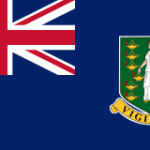 British Virgin IslandsScored on the same twelve pillars as St Lucia.48
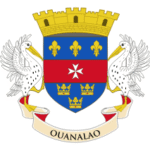 St BarthsScored on the same twelve pillars as St Lucia.47