
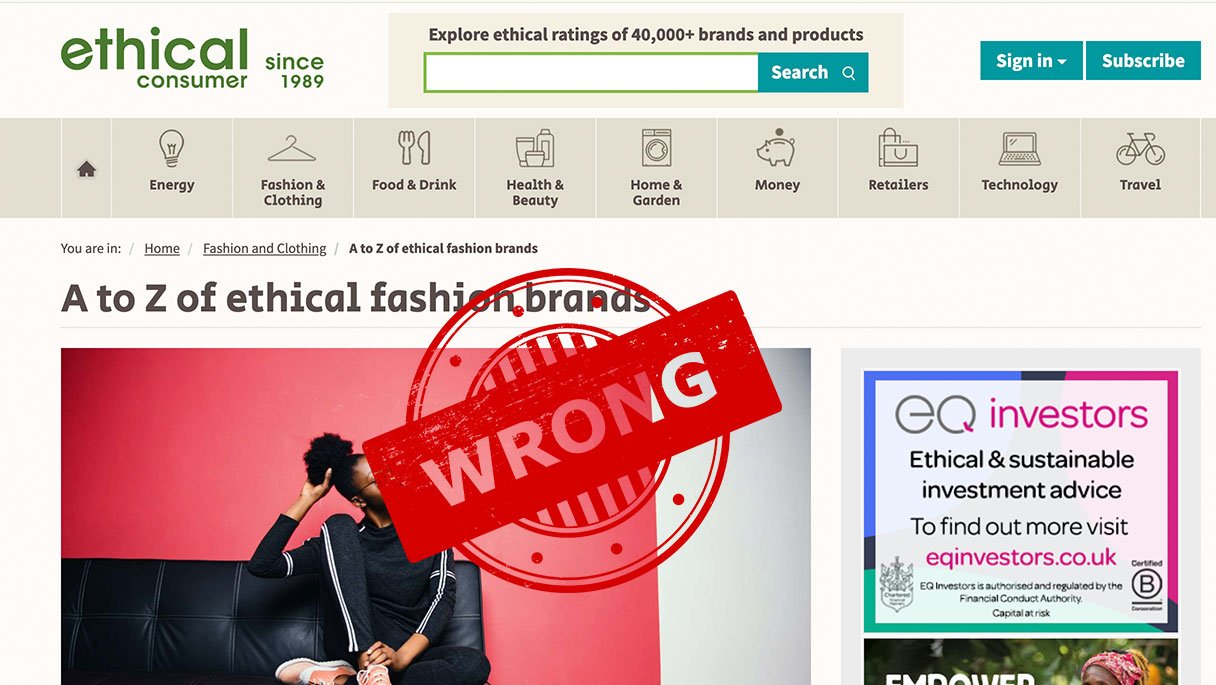
Why Ethical Consumer Gets Ethical Clothing Wrong, With Proof
Ethical Consumer's A to Z of ethical fashion brands is wrong on fibre, proven with real data, 2 of 29 passed
Ethical Consumer’s A to Z of ethical fashion brands is the best researched guide in the UK. The labour scores are real. The certifications are real. The ethics ratings are real. The fibre is wrong.
I read every brand on the list and pulled the actual compositions. Not the marketing copy, the woven-in content. And once you stop reading the ethics score and start reading the care label, the list falls apart.
Twenty seven of twenty nine brands lean on fibres that do not break down clean in your soil or your skin. Only 2 of 29 are 100% plant fibre. That is the gotcha. Solid research, synthetic and animal fibre reality.
The problem with Ethical Consumer's A to Z of ethical fashion brands
Ethical Consumer is the real deal. No advertising, not for profit, scores brands on workers’ rights, supply chain transparency and environmental policy. When they say a brand treats its people well, I believe them.
But ethics is not fibre. And their A to Z of ethical fashion brands is a list of who is kind, not a list of what your skin is wearing. Read the labels and the story falls apart. The brands are good. The cloth is bamboo viscose, TENCEL, merino wool, elastane and secondhand polyester. Out of 29 picks, exactly 2 are 100% plant fibre clothing.
The gap is plain. An ethical clothing list asks “are the workers paid and protected?” A natural fibre fashion list asks “what is this actually made of?” Ethical Consumer answers the first beautifully and never asks the second.
Their own guide is built on the right certifications for the wrong question. They check for Fair Wear Foundation, the Soil Association, GOTS and fair trade membership, they reward B Corp status, the circular economy, and slow fashion over fast fashion, and they flag forced labour and living wages across the supply chain. All of that is real and it matters. But every one of those marks the ethics of how a garment was made, not the fibre it is made of. The clearest tell is in their own write up of BAM, where animal fibre is waved through under the “Responsible Wool Standard,” better welfare wool is still animal fibre, and the bamboo is admitted to be viscose that “requires a lot of nasty chemicals.” They name the chemistry and list the brand anyway, because the fibre was never the test.
So the fails are not villains. They are good brands selling regenerated and synthetic cloth. Watch.
BAM is literally Bamboo Clothing. Its core fabric is bamboo viscose. That is wood pulp dissolved in carbon disulphide and caustic soda, then extruded into thread. Calling that natural is the original greenwash.
Komodo runs on bamboo, TENCEL, rayon, modal, cupro and recycled PET. Six regenerated or synthetic fibres before you reach the organic cotton.
Finisterre builds its surf range on recycled polyester and recycled and virgin wool fleece. Lovely brand. That is plastic and sheep, not plant.
Lucy & Yak dungarees, the whole identity, are 98% organic cotton and 2% elastane. Two percent spandex and the garment can never biodegrade clean.
None of these are scams. They just are not what a 100% plant fibre clothing list would carry. The compositions are pulled from each brand’s own product data, logged in the data reports on their cards below, so you can read the labels for yourself.
The issue with Ethical Consumer's A to Z of ethical fashion brands criteria
Ethical Consumer judges on the things you can audit on paper. GOTS certified organic cotton. Fair Wear Foundation membership. Living wage policy. Carbon reporting. Slow fashion UK durability. All worth knowing. All real.
What it does not require is that the garment be 100% plant fibre. So the picks routinely include wool, silk, bamboo, viscose, TENCEL, recycled polyester and elastane, and they pass, because by Ethical Consumer’s rules they should.
The science bites here. People hear “bamboo” or “TENCEL” or “EcoVero viscose” and think compost heap. Bamboo viscose and standard viscose are chemically regenerated cellulose. They will break down eventually, but the process strips the plant identity and uses harsh solvents on the way. TENCEL lyocell and modal use a gentler closed loop solvent, fair, but they are still processed wood, not a fibre you grew and wore.
And elastane is the quiet killer. Two percent spandex in a pair of jeans means the garment will never home compost and is a nightmare to recycle. A 98% plant garment is a 0% compostable garment. That is the line most ethical clothing lists never draw.
Is Ethical Consumer's A to Z of ethical fashion brands list actually natural fibre? Data by data
Ethical Consumer publishes editorially, no single byline, which is fine, the research is solid. So I will not argue with their ethics scores. I will read every label myself. Every composition below is logged in our clothing data, so you can see the exact fabric data for yourself.
Twenty nine names on the list. I checked the real fabric of each clothing brand, one by one, with the bold showing what it is actually made of and the verdict mine against one rule only, is it 100% plant fibre. The resale shops and multi-brand retailers come last together, because a marketplace has no single fibre to score.
1. BAM
BAM’s “bamboo” is not natural bamboo you can wear off the stalk, it is cellulose chemically extracted and reformed into viscose, and its own data report shows the blends plainly: pieces like 86% bamboo viscose, 10% recycled polyamide, 4% elastane and 80% bamboo viscose, 12% polyamide, 8% elastane. Nothing here passes. The bamboo viscose is a regenerated cellulosic, a plant pulped, dissolved in caustic soda and carbon disulphide and extruded back out as thread, so it is dissolved wood pulp and not field fibre. The polyamide and elastane stitched alongside are plastic that never composts. No matter how clean the factory behind it is, none of this breaks down.
BAM started in a garage. David Gordon founded it in 2006 and built the company around bamboo as a soft, fast growing plant, and the brand earned its B Corp certification in 2023 with a strong environmental score.
Buy the soft basics in real plant fibre instead: a 100% organic cotton tee from Terra Thread and, for underwear, a 3-pack of organic cotton boxers from KENT.
2. Komodo
Komodo uses bamboo, TENCEL, rayon, modal, cupro, organic cotton, hemp, linen, wool and recycled PET, a pick-and-mix of regenerated cellulosics and plastic with plant fibre threaded through it. The data shows 43% of what they make is 100% organic cotton, the part that passes, with 12% wool and 10% semi-synthetic dragging the rest down. Rayon, modal, cupro and bamboo viscose are all wood dissolved and reformed in a lab, not field fibre. Recycled PET is still plastic that sheds and never composts. The wool comes off an animal. So the organic cotton, hemp and linen pass, and most of what Komodo makes fails the one test that matters when you are done with the clothes.
Mark Bloom founded Komodo in north London in 1988, which makes it one of the oldest ethical labels in Britain. It was an early user of organic cotton, hemp and bamboo through family run factories in Bali, Kathmandu and India before eco fashion was a marketing category.
For Komodo’s relaxed look without the semi-synthetics, buy a hemp tee from Hemptees. For pure plant fibre, browse a 100% linen piece.
3. Nudie Jeans
97% of everything they make is 100% organic cotton, which is plant fibre off the field and passes. The stretch jeans are the exception that fails. Those are 98 to 99% organic cotton with 1 to 2% elastane, and that one or two percent of plastic is all it takes to keep the jean out of the compost forever, because elastane is synthetic, it runs through the weave, and you cannot pull it back out. The organic cotton is genuine; the bit of stretch plastic is the asterisk.
Maria Erixon and Joakim Levin founded Nudie in Gothenburg in 2001. The brand runs a free lifetime repair service: you can walk worn jeans into any Nudie store and have them mended for nothing, and the company patches up more than sixty five thousand pairs a year. That is repair as a business model, not a press release.
Buy the rigid cut, not the stretch. Nudie’s rigid 100% organic cotton styles are plant fibre only with no elastane to outlive you in landfill.
4. MUD Jeans
The stretch jeans are organic and recycled cotton with up to 2% recycled elastane and some TENCEL lyocell. The cotton passes. The recycled elastane fails: it is still elastane, a plastic thread woven through the cotton that stops the jean ever composting, and recycled plastic is still plastic. The lyocell fails too: it is regenerated wood pulp dissolved into fibre, not cotton off the field. Circular is better than linear, but a plastic blend still does not return to soil. The non-stretch pairs are the better buy, and MUD’s own data report confirms the split.
Bert van Son took the brand over in 2012 and the next year launched Lease-A-Jeans, where you pay a monthly fee, wear the jeans, then send them back to be recycled into new denim. That made MUD an early mover in circular leasing, and the recycling is real.
For a jean that ends its life in soil, not a plastic loop, buy a rigid 100% organic cotton pair from Nudie Jeans: same denim, no elastane.
5. Kuyichi
Kuyichi’s jeans are made of organic and recycled cotton, TENCEL lyocell, modal, recycled polyester and elastane, which is four disqualifiers stitched into one pair. Lyocell and modal are regenerated cellulose, wood pulp dissolved in solvent and reformed, not a fibre off the field; recycled polyester is still plastic that sheds microfibre in the wash; and the elastane laces through the whole weave, so the jean can never compost no matter how much of it grew as cotton.
Kuyichi pioneered organic denim before there was a market for it. The NGO Solidaridad set the brand up in 2001 after seeing the pesticide pollution and farmer poverty in Peru’s cotton fields, and when no existing label would buy the organic cotton, Solidaridad built its own and put out the world’s first organic cotton jeans.
Buy a rigid 100% organic cotton pair from Nudie Jeans instead: the same hard-wearing denim with no elastane and no recycled plastic in it.
6. Pact
60% of what Pact sells is 100% organic cotton, and 37% is an organic cotton and synthetic blend. The plain woven tee really is 100% organic cotton and clean, and on the basics Pact does exactly what it says. The underwear, leggings and activewear in that 37% are 89 to 95% organic cotton with 5 to 11% elastane, and that elastane is plastic laced through the knit, so the piece can never compost however organic the cotton next to it is. The plant cotton passes, the elastane blends fail: elastane is synthetic, plastic that never composts.
Pact was founded in 2009 by Jeff Denby and Jason Kibbey, straight out of UC Berkeley’s business school, launching with GOTS certified organic cotton underwear. It built its name on organic cotton. A brand that started with organic cotton underwear now sells a big slice of it with plastic stretch in it.
Pact’s plain woven cotton tees pass clean, so buy those. For the underwear, skip the elastane and get a 3-pack of organic cotton boxers from KENT, pure cotton with no stretch plastic. For a clean tee, a Terra Thread organic cotton tee.
7. Rapanui
The tees are 100% organic cotton and those pass clean. The bralette is 95% cotton, 5% elastane with a recycled polyester and rubber band, so where they add shape they also add plastic. That elastane and polyester are synthetic, plastic that never composts, and they keep those pieces out of the compost even when the rest of the brand is built to be remade. One passes, anything with stretch fails on the plastic.
Brothers Rob and Mart Drake-Knight started Rapanui on the Isle of Wight in 2008 with about two hundred pounds. They built a made-to-be-remade closed-loop model where every piece has a QR code that, scanned when it is worn out, prints a free return label and sends it back to be turned into new clothing. The take-back loop is real, but a recycled-plastic loop is still plastic.
Buy the Rapanui organic cotton tee, that is what they do best. For any support piece, skip the stretch and reach for a 3-pack of organic cotton boxers from KENT instead.
8. Finisterre
Surf and outdoor gear leans hard on plastic and wool, and the data shows it: organic cotton is the single biggest slice at 38% of what they make, but wool is next at 24%, with recycled polyester and other synthetics behind it. One fibre passes, two fail. The organic cotton is plant fibre off the field and clears a plant-only test. The wool fails because it comes off an animal however good the welfare. The recycled polyester fails because it is plastic: it sheds microfibre into the sea Finisterre exists to protect and it never composts.
Tom Kay started Finisterre in St Agnes, Cornwall in 2003 making kit for cold-water surfers, and it became the first outdoor clothing brand in Europe to certify as a B Corp, recertifying with a rising score. The brand runs a repair culture and builds for cold-water use.
For warmth without the wool or the plastic, buy a hemp warm layer from Hemptees. For everyday tees, a Terra Thread organic cotton tee keeps you in pure plant fibre.
9. THTC
The hemp and cotton blend is their biggest seller at 44% of what they make, and that is the good half, alongside the flagship hemp and 100% organic cotton tees. The rest is bamboo rayon at 67/28/5 spandex, 85% cotton 15% polyester sweats and recycled polyester jackets, so the moment you step off the pure hemp tee you are into regenerated cellulosic, plastic and spandex. The hemp and the organic cotton pass because they come off the field. Bamboo rayon fails because it is wood pulped in chemicals, not field fibre. The polyester fails because it is plastic that sheds and never composts, and the spandex locks those pieces out of the soil for good.
Brothers Dru and Gav Lawson and their friend Dan Sodergren founded THTC in 1999 out of a hemp-awareness student society they ran at the University of Hull, which makes it one of Britain’s earliest dedicated hemp labels. It was hemp before hemp was cool.
Buy THTC’s own hemp tee and 100% organic cotton tee. Skip the bamboo rayon, the polyester sweats and the jackets. For more pure hemp, get a hemp tee from Hemptees.
10. Bibico
Bibico’s womenswear is made of organic cotton, linen, lyocell TENCEL and wool, so two of the four pass and two do not. The organic cotton and linen are real plant fibre that composts. The lyocell is regenerated wood pulp, dissolved and reformed, not field fibre, and the wool comes off an animal, so neither clears a plant-only bar.
Bibico comes from someone who left fast fashion on principle. Snow Ruiz Ramos founded it in 2008 after more than a decade designing for high-street names including Zara, then walked away to build an ethical label where the knitwear is hand-knitted by a Fair Trade cooperative in Nepal and the woven pieces are made by a women’s cooperative in India.
Buy Bibico’s 100% linen and organic cotton styles, and skip the TENCEL and wool blends. For a clean plant-fibre basic to wear with them, get a 100% organic cotton tee from Terra Thread.
11. Ninety Percent
Their go-to fabric is an organic cotton and TENCEL Modal blend, often 50/50, so half of one of their tees is regenerated wood pulp, modal dissolved in solvent and pushed back out as filament, not a fibre you wear off the field. One half passes, the organic cotton off the field. One half fails: the modal is regenerated cellulosic, dissolved wood pulp, not field fibre.
Shafiq Hassan and Para Hamilton founded Ninety Percent in London in 2018 around a profit-sharing model where 90% of distributable profit is split each year between the people who make the clothes and a set of charities, with shareholders keeping only a tenth. The profit-share is one of the most radical structures on this list.
For the same soft, pared-back tee without the modal, buy a 100% organic cotton tee from Terra Thread. It composts at the end, the modal half of theirs does not.
12. Nomads Clothing
The data shows 22% of what Nomads makes is semi-synthetic, the EcoVero viscose and TENCEL sitting alongside the organic cotton. The organic cotton passes: it is plant fibre off the field. The EcoVero and TENCEL fail. EcoVero is a cleaner, more traceable viscose, but it is still wood pulp dissolved in solvent and reformed into filament, so it does not break down like a true plant fibre, and TENCEL is the same story: regenerated cellulosic, not field fibre.
Vicky Jackson and Duncan Harvey founded Nomads in 1989 after meeting backpacking in Rajasthan, starting from a market stall in Camden selling fair trade Nepalese handicrafts. The brand has been fair trade from inception and GOTS certified since 2004, so the boho staples come with a thirty-five-year ethical track record behind them.
Buy the organic cotton pieces. For the EcoVero and TENCEL ones, get a 100% organic cotton tee from Terra Thread instead: same easy everyday staple, in fibre that actually composts.
13. Community Clothing
59% of what Community Clothing makes is 100% cotton and another 18% is 100% organic cotton, a strong plant-fibre base, but the jeans run 95% cotton, 4% recycled polyester, 1% elastane, and 10% of what they make is 100% wool. The cotton and organic cotton pass: plant fibre off the field. The recycled polyester and elastane fail: plastic that never composts, and that one percent of elastane keeps the jeans out of the compost for good. The wool fails too: it comes off an animal, not a field.
Community Clothing was built to bring British factory jobs back. Patrick Grant, of the BBC’s Great British Sewing Bee, founded it in 2016 to keep textile workers employed year-round by filling the quiet gaps between fashion seasons, and it makes its clothes in Britain at fair pay.
Buy the plain 100% cotton and organic cotton pieces and skip the stretch denim and the wool. For jeans, get a rigid 100% organic cotton pair from Nudie Jeans with no elastane. For tees, an organic cotton tee from Terra Thread is pure plant fibre.
15. Howies
53% of what Howies makes is 100% organic cotton, the good half, but 20% is 100% wool, 13% is plain cotton and around 10% is semi-synthetic TENCEL or modal. That means three quarters of the range passes as plant fibre off the field, organic cotton and plain cotton both, while a fifth is animal fibre that comes off a sheep and a tenth is regenerated cellulosic, dissolved wood pulp rather than field fibre. The organic cotton is the real thing. The wool and the modal are not.
Howies was founded in 1995 on organic cotton and a make-it-last philosophy, a Welsh brand built around durability.
Buy the 100% organic cotton pieces and skip the wool and the modal. For the basics, a Terra Thread organic cotton tee is all plant fibre, and a hemp warm layer from Hemptees replaces the wool.
16. Outsider
38% of what Outsider makes is 100% wool, ahead of the 29% that is 100% organic cotton, with silk, linen and some TENCEL filling the rest. The organic cotton and linen pass. Wool and silk fail because they come off an animal, and the TENCEL fails because it is dissolved wood pulp, not field fibre, so the single biggest slice of the range fails on fibre.
Outsider makes made-to-last womenswear from natural fibres, on a slow-fashion, small-batch model.
Buy the organic cotton and linen pieces, skip the wool, silk and TENCEL. For the same soft, made-to-last basics with no animal fibre, get a 100% organic cotton tee from Terra Thread, or browse our linen directory.
17. Living Crafts
35% of what Living Crafts makes is 100% organic cotton and 25% is 100% linen, a genuinely strong plant-fibre core, but the rest mixes in merino wool, a 70/30 wool and mulberry silk blend, and cotton bamboo. The cotton and linen pass. The wool and silk fail because they come off an animal, and the bamboo fails because it is dissolved wood pulp spun into rayon, not field fibre. So two fibres pass and three fail.
Living Crafts is a long-running German natural-textiles label, GOTS certified, with deep organic credentials.
Buy the 100% organic cotton and 100% linen pieces, which are most of the range, and skip the wool, silk and bamboo blends. For the soft homewares Living Crafts is known for, a 100% linen piece is the clean version, and for basics reach for an organic cotton tee.
The secondhand and resale shops, and the multi-brand retailers
A handful of names on Ethical Consumer’s list are not single clothing brands, so there is no one fibre to score.
The resale and secondhand shops, Beyond Retro, Depop, Oxfam, Preworn, Rokit, Thrifted, Vinted and We Are Cow, are the most genuinely sustainable thing on the whole list, because reuse beats new every time. But you cannot control what a marketplace is made of, so it can never be a 100% plant fibre pick. These are not failures of ethics, they are simply a different category, a fail on fibre and a gold star on circularity. Brothers We Stand is the same kind of case, a shop stocking organic cotton, recycled materials, silk and elastane blends across other labels, so it is a retailer, not a fibre to score.
The best similar brands and alternatives

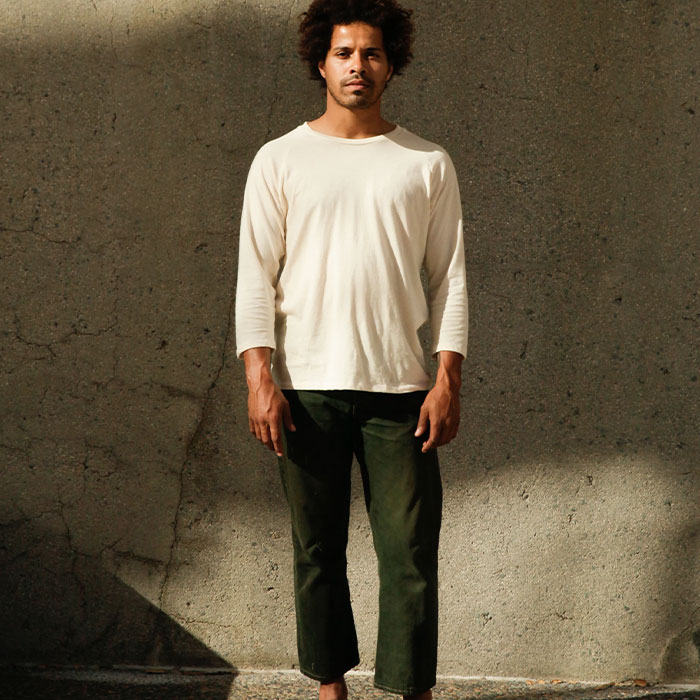
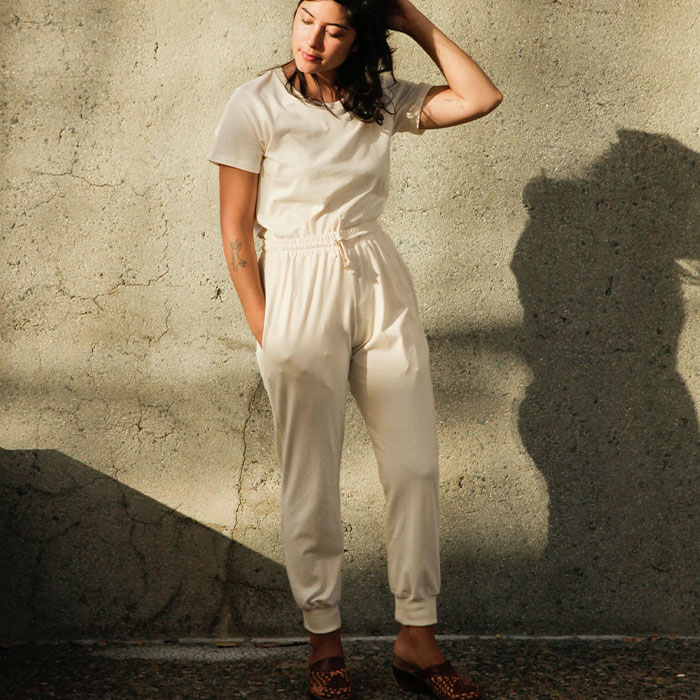
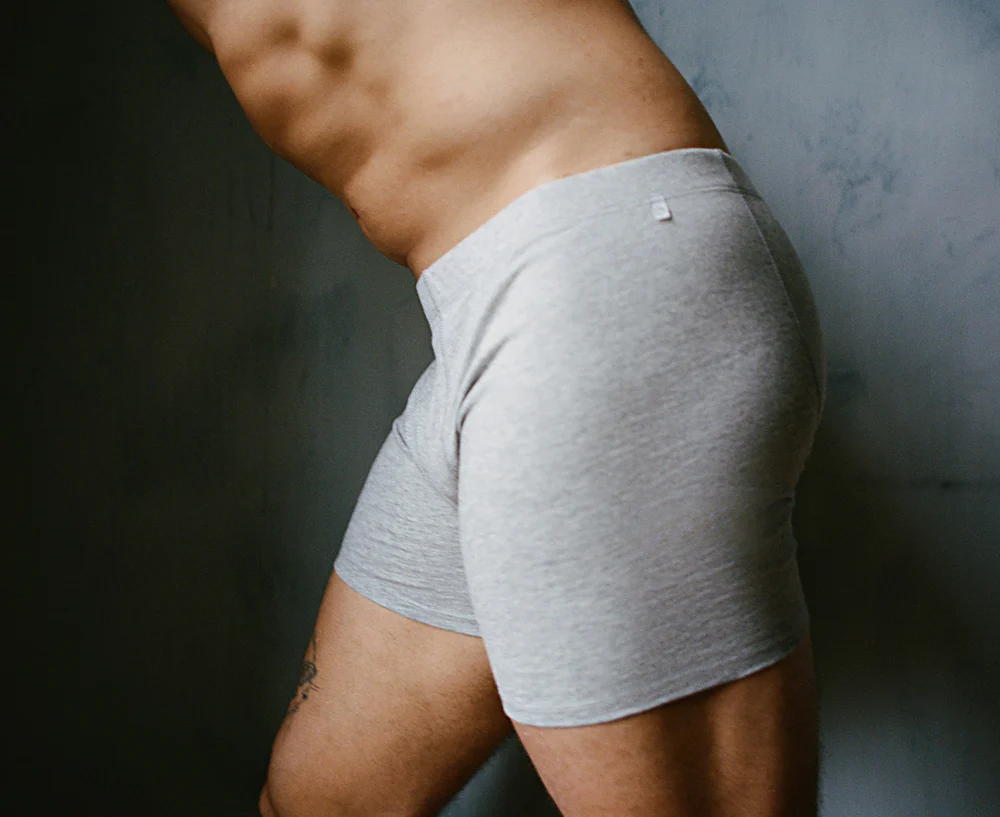
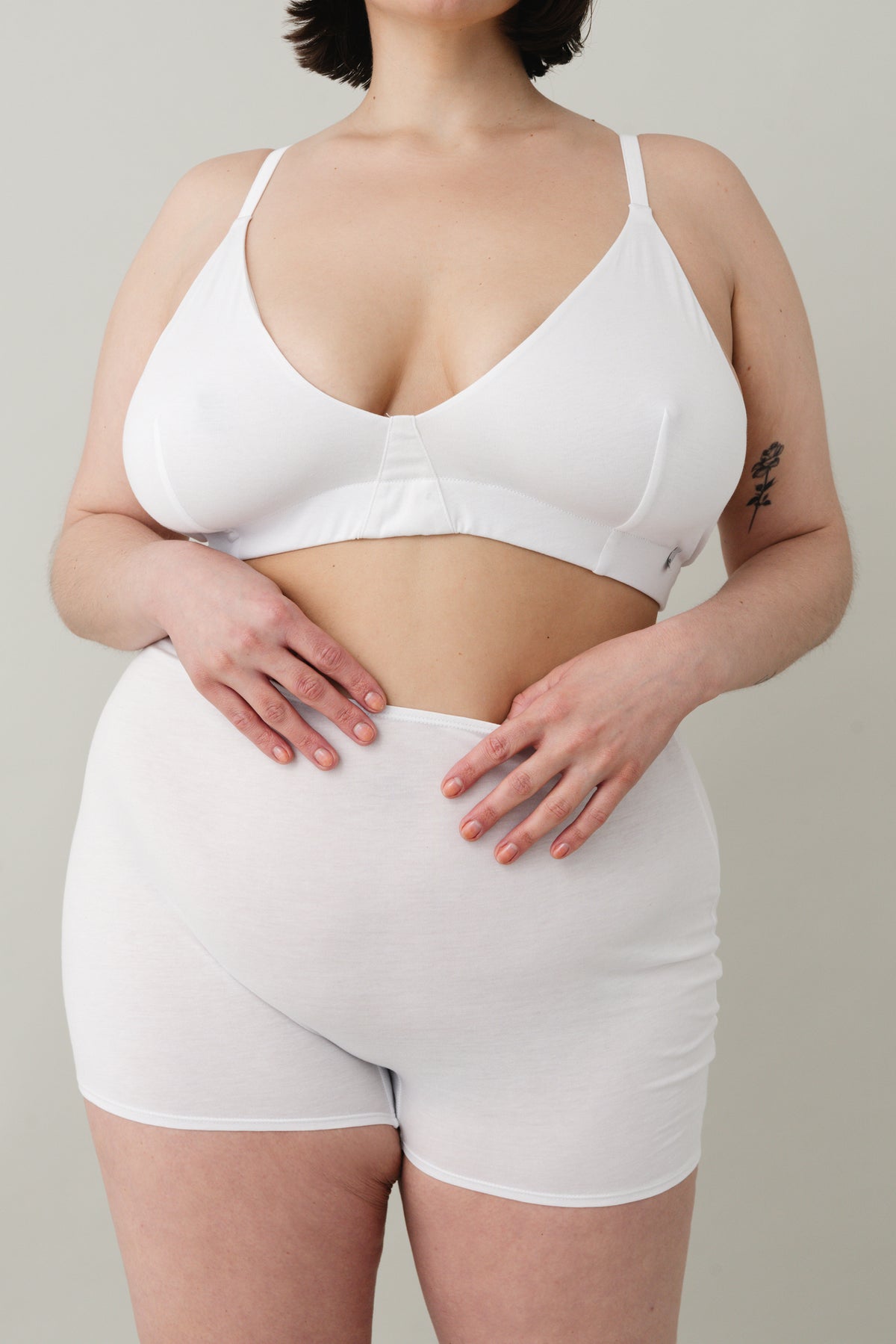
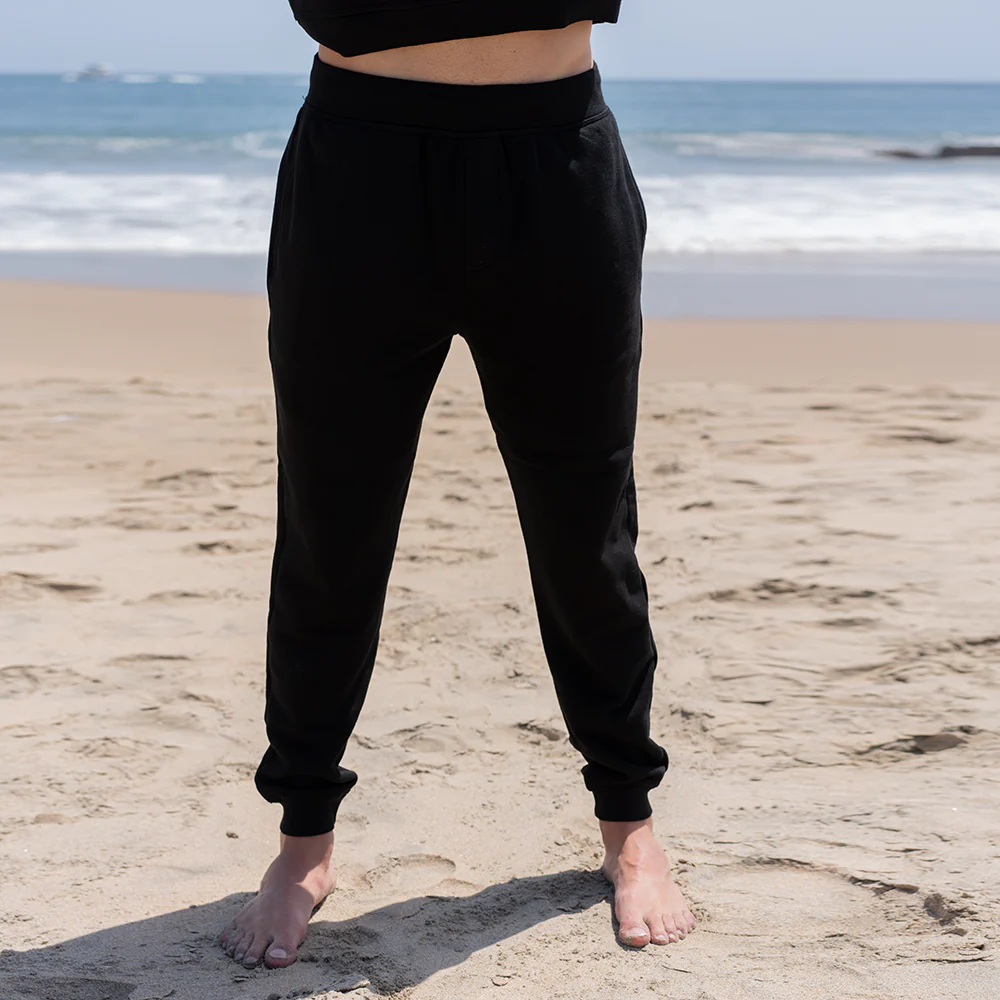
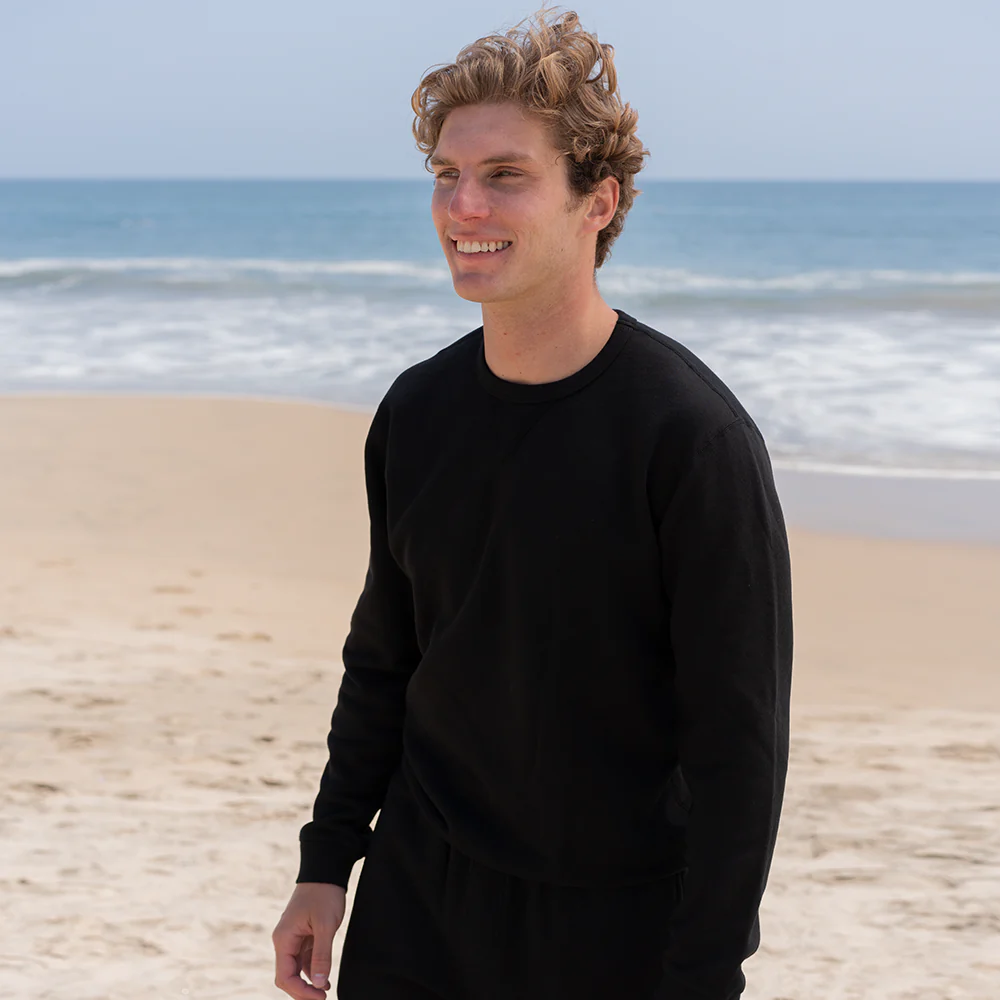
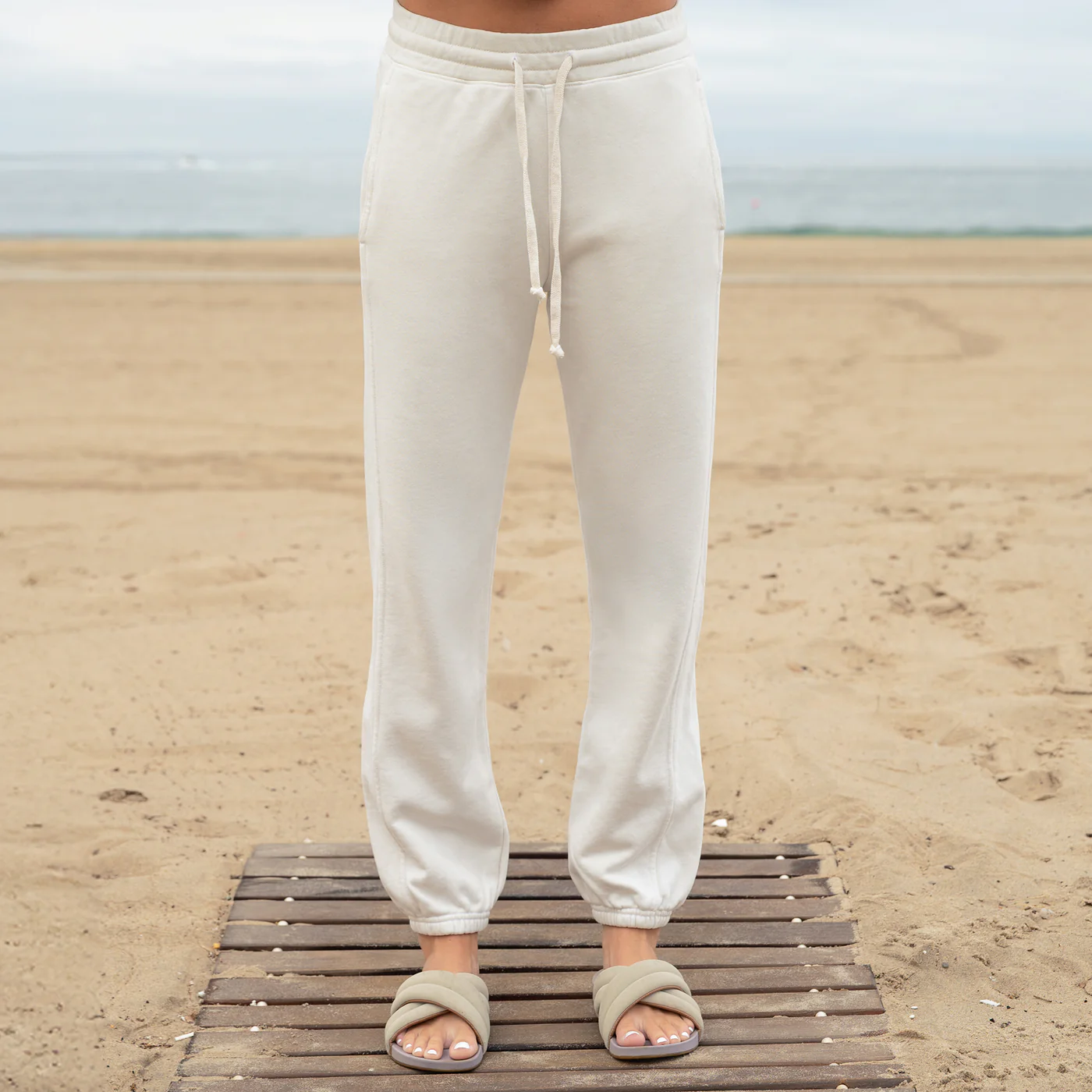
Best sustainable clothing brand for basics and joggers
Harvest & Mill
Organic cotton basics grown, milled and sewn entirely in the USA on a “seed to stitch” model, direct from American farmers, heritage mills and local sewing teams.
Vegan and PETA-approved, with much of the range left undyed, plus low-waste cutting and compostable or recyclable packaging.
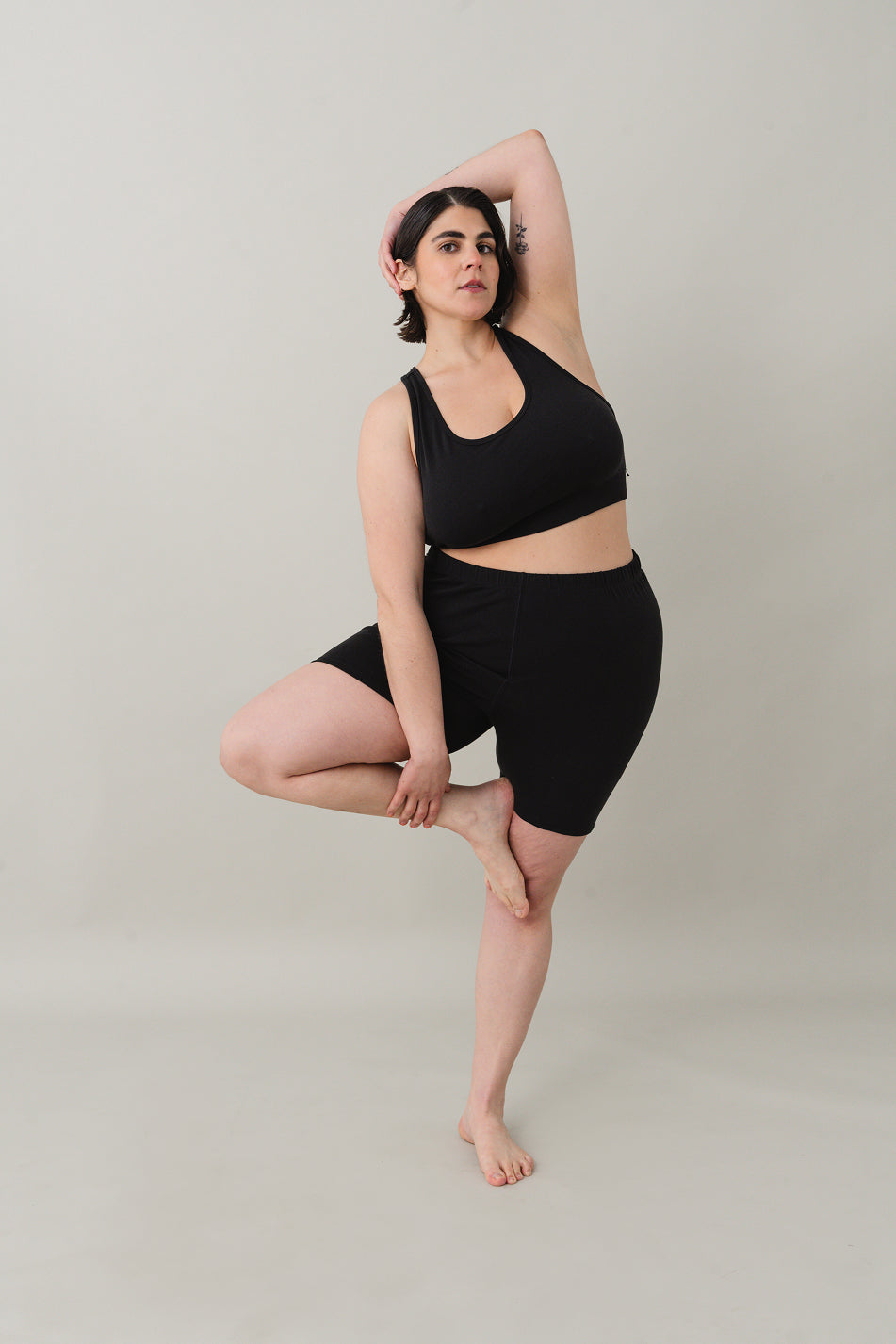
Best organic cotton basics and underwear
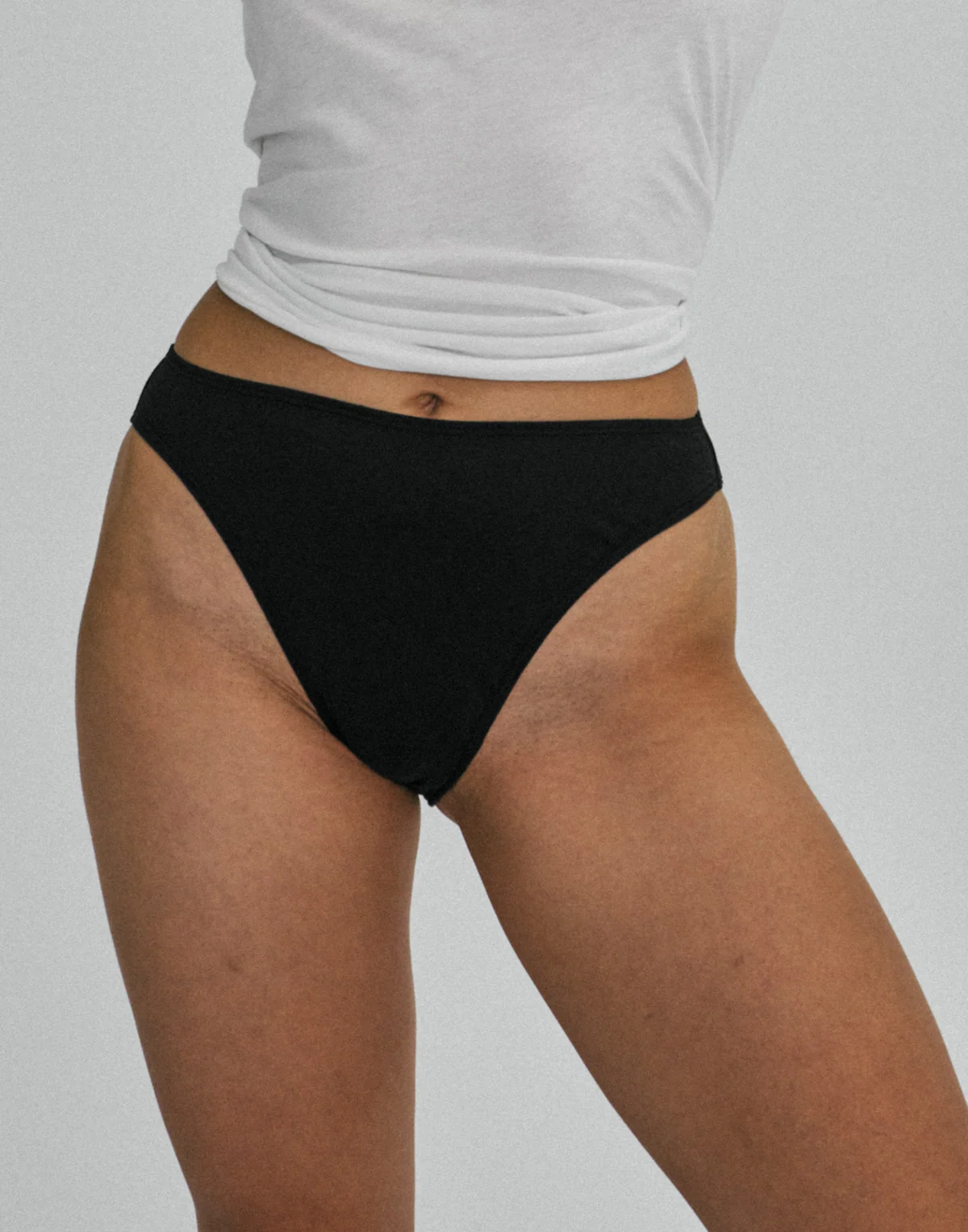
Oddobody
Buttery-soft organic cotton basics and underwear, ribbed and seamless, in a tight capsule of everyday essentials.
The Throne Standard scan found every live style 100% organic cotton, no synthetics and nothing to read past.
Best for a 100% organic cotton tee
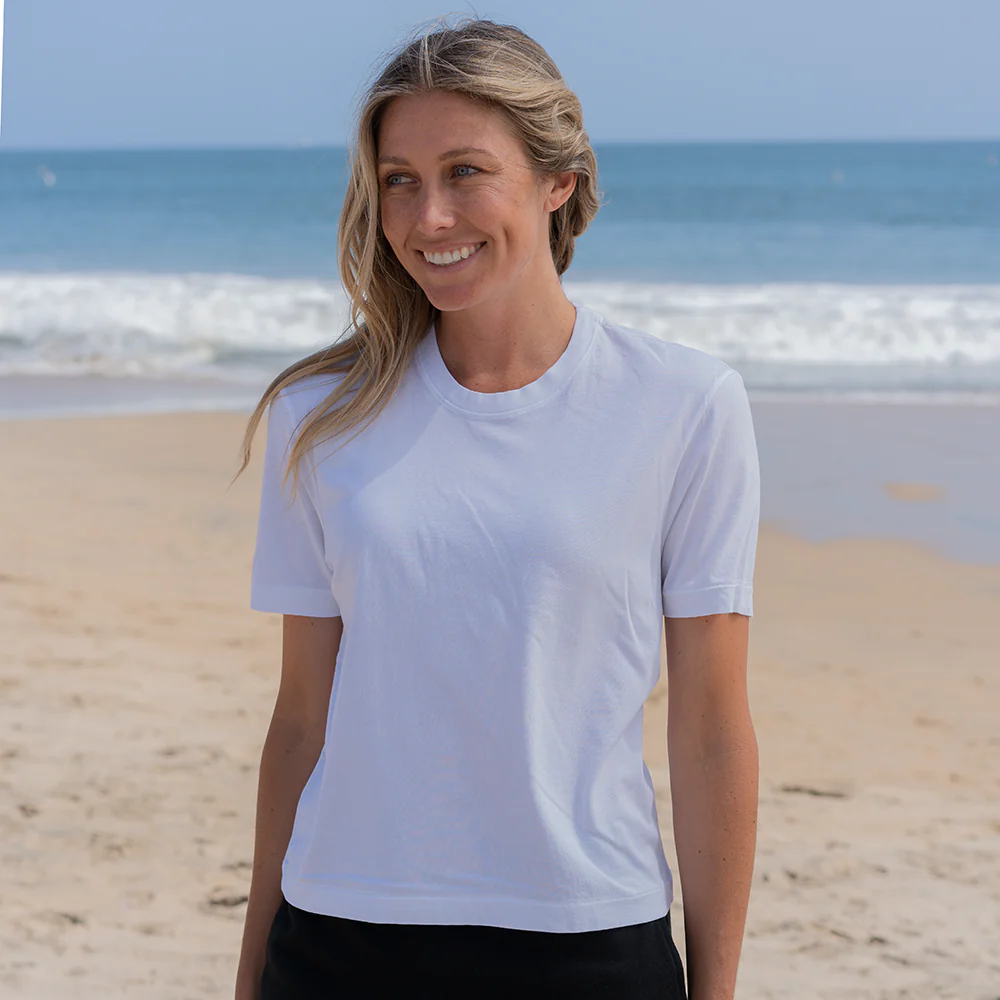
The Classic T-Shirt Company
Exactly what the name promises: a properly made tee in 100% organic cotton, sold on its own without a fast-fashion range around it.
Every scanned style came back single-fibre organic cotton, so there is no elastane hiding in the collar.

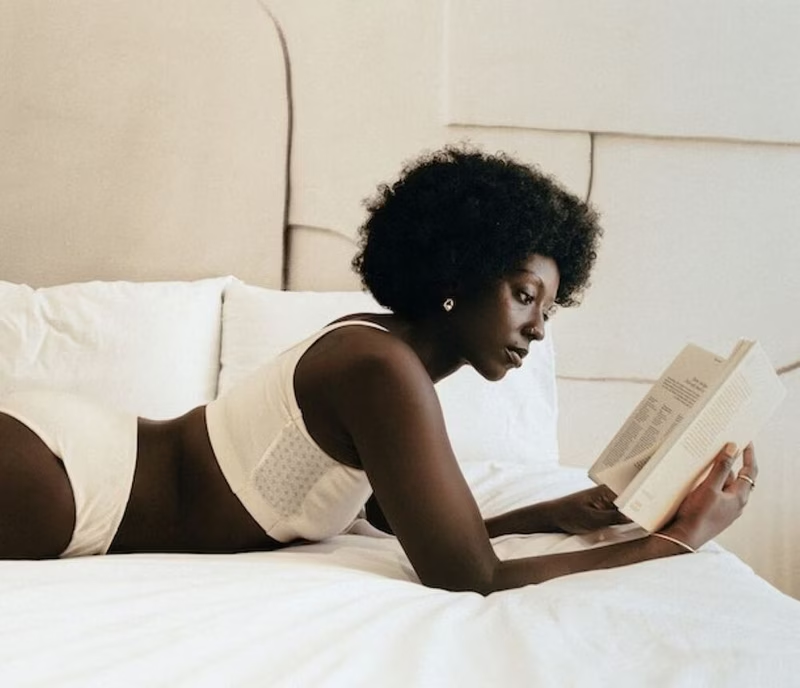
Best compostable sustainable underwear
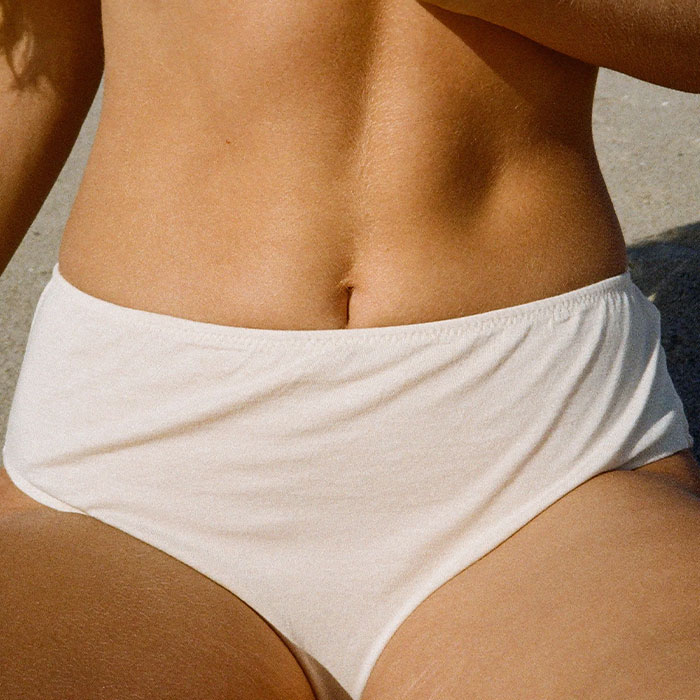
KENT
The world’s first verified compostable underwear.
100% GOTS-certified organic pima cotton with no spandex, nylon, elastane or polyester, designed to return to the earth in 90 days. Free of plastics, pesticides, PFAS and petrochemicals, right down to the packaging.
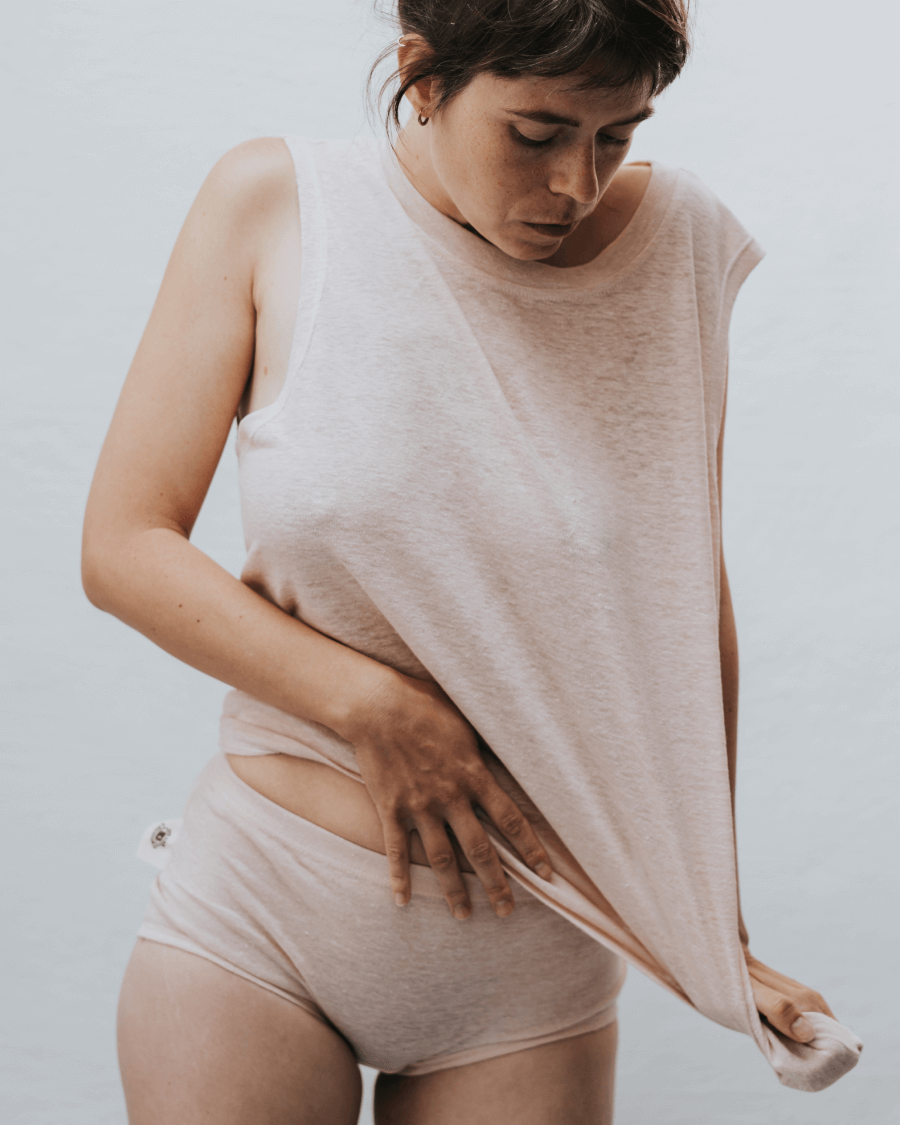
Best for hemp basics
Hemptees
Plant-fibre purists: tees and basics in 100% hemp, one of the lowest-water, no-pesticide crops there is.
The scan read every live style as pure hemp, so it sheds no microplastic and composts at the end of its life.

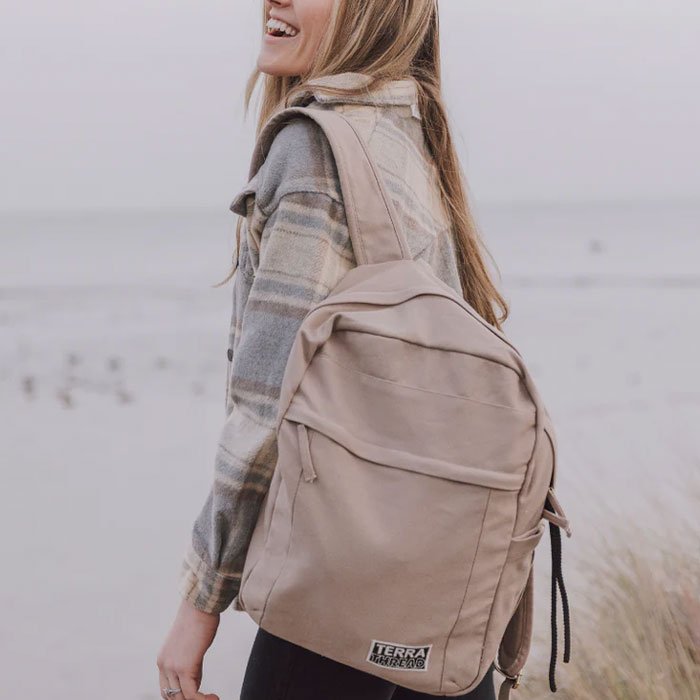
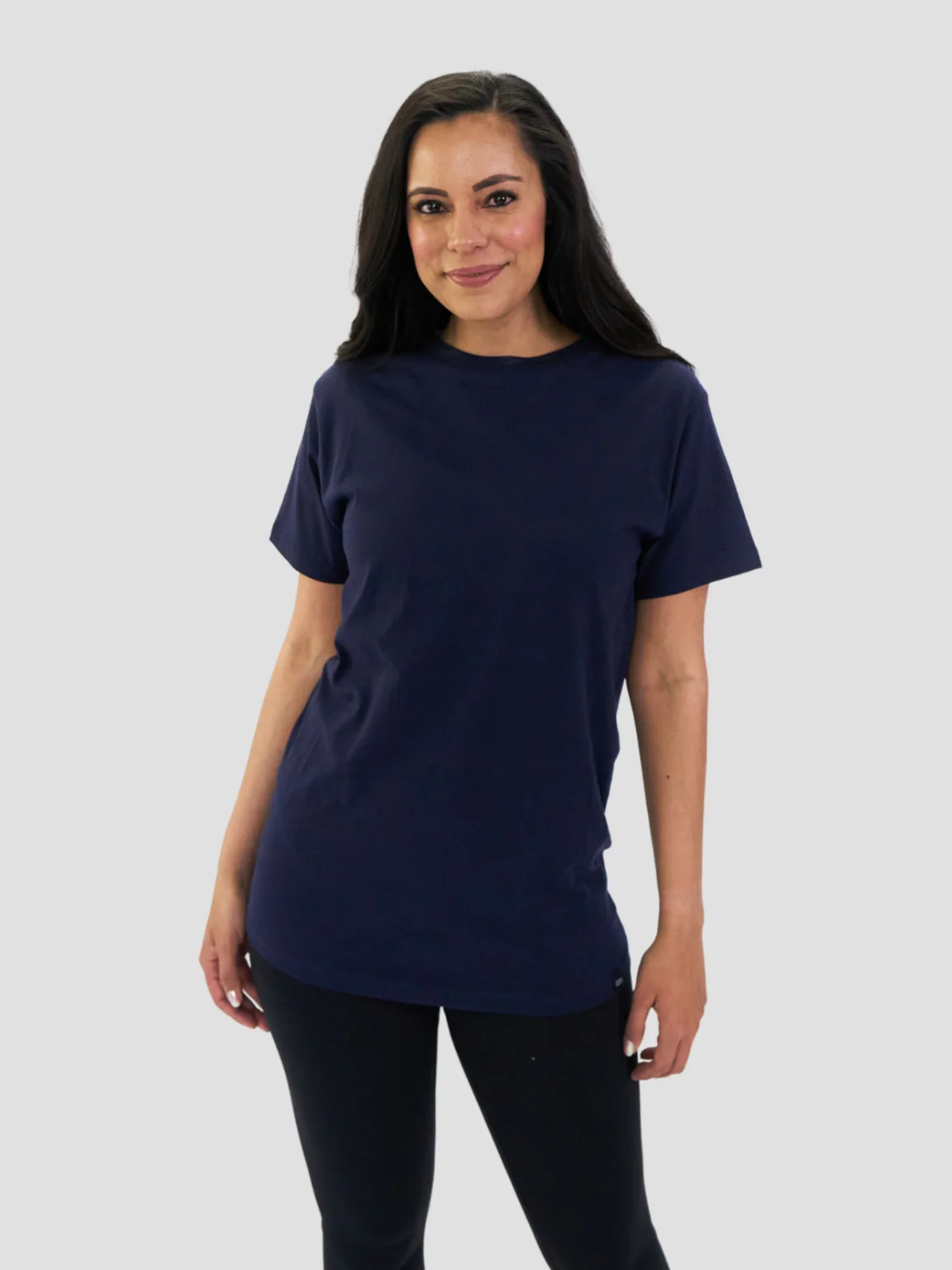
Best Fairtrade GOTS organic cotton
Terra Thread
Fairtrade-certified, GOTS organic cotton tees, totes and bags at an honest price.
The Throne Standard scan found the clothing range 100% organic cotton, with no synthetic blend column to watch for.
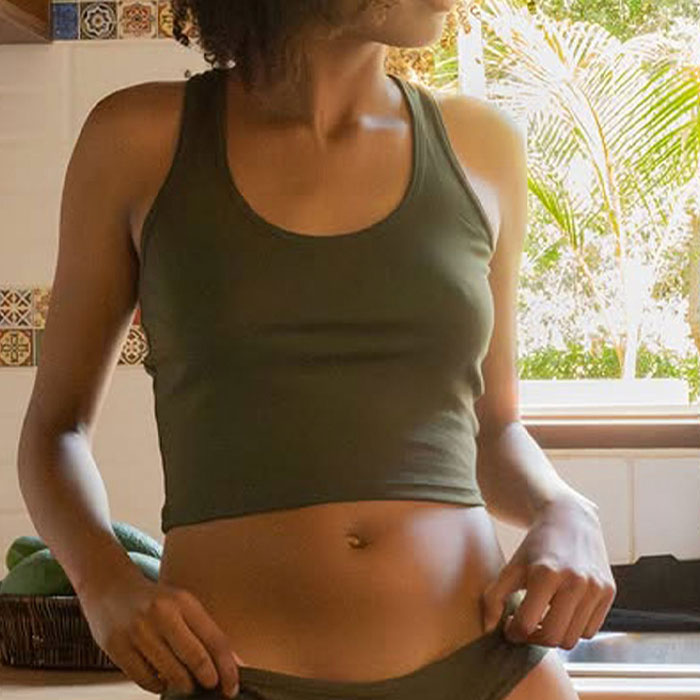
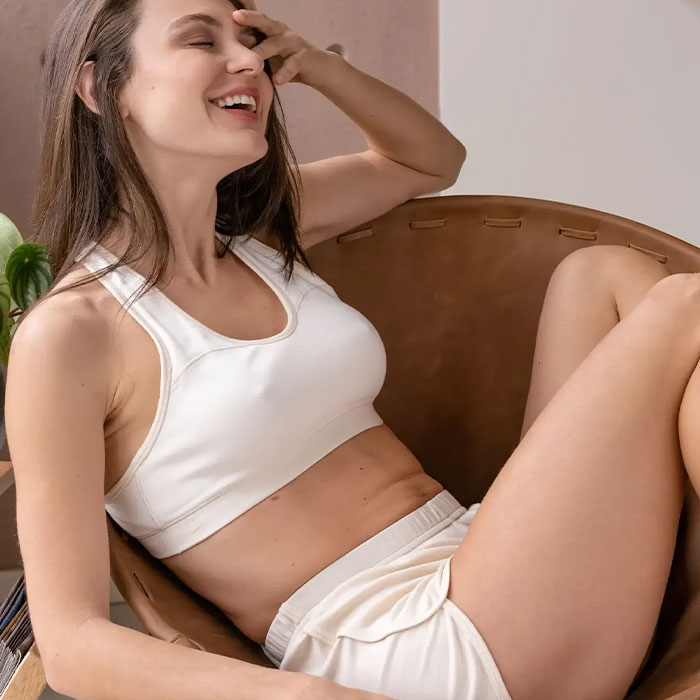
Best sustainable activewear
Eco Aya
100% plastic-free clothing made from regenerative organic Pima cotton, with the entire supply chain based in a single origin: Peru.
No polyester, nylon, acrylic or elastane, so the fabric sheds zero micro or nano fibres.
How to spot misleading claims on a fibre label in ten seconds
You do not need a chemistry degree. You need four habits.
1. Read the fabric percentage, not the adjective.
“Eco” and “natural” mean nothing. 98% organic cotton, 2% elastane means nothing biodegrades. The number is the truth.
2. Learn the regenerated words.
Bamboo viscose, rayon, modal, cupro, viscose and yes even EcoVero viscose and TENCEL lyocell are processed wood pulp, not raw plant fibre. They may be lower impact than polyester. They are not the same as cotton, linen or hemp clothing you can put on a compost heap.
3. Treat “bamboo” as a red flag, not a green one.
Soft bamboo fabric is almost always bamboo viscose. The bamboo grew. The fabric did not arrive without a chemical bath.
4. Check exactly what fabrics a clothing brand actually uses.
Do not take a sustainable clothing brand at its word, read the composition. Our clothing data report records the real fabric labels product by product, so you can see whether each garment is natural fibre, synthetic or chemically processed before you buy. It is the fastest way to know if a brand’s clothes are genuinely 100% natural materials or just marketed that way.
What counts as ethical clothing, really
The most ethical clothing brand makes its clothes from 100% natural materials, plant fibres like organic cotton, linen and hemp that compost instead of shedding plastic; it keeps those fabrics clean with unbleached cloth and natural or low impact dyes rather than chemical finishes; and it backs the fabric with transparent sourcing and fair worker rights. Natural materials, clean processing and fair labour: a truly ethical clothing brand passes all three, not just one.
If the test is “kind to people and planet,” nearly all 29 of these brands pass and they deserve their place on Ethical Consumer’s guide. Credit where it is due, the research behind that list is better than almost anything else in the UK.
But if the test is 100% plant fibre clothing, fabric you could in principle return to the soil, only 2 of 29 pass.
Earthmonk, whose entire range is 100% GOTS organic cotton tees, hoodies and sweaters, with no wool, bamboo or synthetics found. I have that one at medium confidence, so check the current label, but as researched it passes.
Where Does It Come From?, whose shirts are 100% handspun, handwoven organic cotton, real khadi, no synthetics, no bamboo, no animal fibre. A clean pass and a beautiful one.
That is it. Two out of twenty nine.
Neither is in the Hold The Throne clothes directory yet, which is honest of me to admit, because we hold the same bar. If you want brands that already clear it, the directory is full of them, sorted by regenerative cotton, linen, hemp and denim so you can shop by fibre instead of by adjective.
One question to leave you with. When a list calls a brand “ethical,” are you hearing “fair to workers” or “made of plants”? Because they are not the same sentence, and the label is the only place you will ever find out.
To confirm any verdict here, see the exact fabric data, where the real product and fabric labels are recorded.