
These Four Brands Sell Sustainable Non Toxic Underwear With No Polyester, Spandex, TENCEL, Lyocell or Bamboo
Everything you need to know about non toxic underwear
Wearing non toxic underwear in pure plant fibre is the difference between cloth that breathes and plastic that sheds microfibre into the most absorbent part of your body. It matters because polyester, nylon and elastane sit against sensitive skin all day, and Netflix and the mainstream press have both covered the link between plastics and hormone and fertility disruption. Below are the real questions people ask about non toxic underwear, no spandex underwear, plastic free underwear and organic cotton underwear, each answered by the four brands that actually solve it.
What is the best non toxic underwear with no synthetics, no polyester, no spandex and no chemicals?
Four brands sell genuinely non toxic underwear in pure plant fibre, with no polyester, nylon, elastane, TENCEL, lyocell or bamboo viscose anywhere in the range. They are KENT, Eco Aya, Cottonique and Hemptees. Every other sustainable underwear list still slips in 5% elastane or chemically processed bamboo, these four do not.
Is bamboo underwear actually non toxic, and does synthetic underwear shed microplastics?
Bamboo underwear is almost always bamboo viscose, a fibre dissolved out of pulp in a heavy chemical bath, so it is semi synthetic, not natural, which is why none of these four use it. And yes, polyester, nylon and elastane underwear shed microplastic with every wash against absorbent skin, which is exactly what Eco Aya built its zero contamination supply chain to stop.
Can underwear be 100% organic cotton with no elastane in the waistband?
Yes. KENT replaces spandex with a plant based, latex free bio elastic, and Cottonique wraps its elastic fully in organic cotton or uses drawstrings, so no synthetic touches the skin. You do not have to choose between hold and non toxic, KENT, Eco Aya, Cottonique and Hemptees all prove it.
1. KENT
KENT sells non toxic underwear made entirely from 100% GOTS certified organic cotton, with no polyester, no nylon, no lycra, no elastane, no TENCEL, no lyocell and no bamboo anywhere in the KENT range. KENT makes organic cotton briefs, bralettes, boxers and base layers for both women and men, and KENT blends nothing into the cotton, so every KENT garment is a single plant fibre.
KENT never uses elastane for stretch, because elastane is plastic. Instead KENT builds the waistband from a plant based, latex free bio elastic, so no petroleum fibre ever touches your skin. KENT also avoids chemical dyes, resins and finishes, which is why KENT underwear is safe against the most sensitive and absorbent skin on the body.
Women can buy KENT in the bikini trio three pack, the high waist trio or the hipster trio. Men can buy KENT in the breather brief trio or the full week seven pack of organic cotton boxer briefs.
KENT was founded by Stacy Grace, a Canadian based in Los Angeles, who started KENT after studying sustainability and living in Copenhagen, because Stacy Grace could not find underwear that was 100% cotton with no plastic. KENT built the brand on a soil to soil promise, and KENT proved that promise by having a pair of KENT underwear verified as fully compostable in 90 days at a commercial composting facility.
KENT ships across the United States and Canada in plant based, fully compostable packaging, and KENT offers a carbon neutral shipping option at checkout. You can read the full product by product fibre breakdown of KENT in the KENT data report.
KENT engineered the first pair of underwear that a commercial composter could verify as fully broken down in ninety days. Because there is no spandex, no nylon and no synthetic dye, a buried KENT brief literally rots into soil rather than shedding microplastic for centuries, which is the cleanest proof of non toxic that a garment can offer.
2. Eco Aya
Eco Aya sells non toxic underwear and base layers made entirely from 100% regenerative organic Pima cotton, with no polyester, no nylon, no elastane, no bamboo viscose and no lyocell anywhere in the Eco Aya range. Eco Aya stitches every garment with 100% cotton thread, and even the Eco Aya labels are cotton, so a finished Eco Aya garment carries no plastic at all.
Eco Aya engineered the petrochemicals out of every component, including the elastic, the fasteners and the thread, so no Eco Aya garment sheds microplastic in the wash. Eco Aya runs a true single origin supply chain, where Eco Aya grows, spins, knits and sews the organic Pima cotton entirely within one region of Peru, which lets Eco Aya guarantee that no synthetic fibre enters the garment at any stage.
Women can buy Eco Aya in the womens plastic free range of briefs and base layers, and men can buy Eco Aya in the mens collection of boxers and tees.
One honest note on Eco Aya. We do not support wool or any animal fibre at Hold The Throne, because natural to us means plant fibre only, and wool comes off an animal rather than out of the ground. Eco Aya itself is 100% plant fibre, but the Eco Aya sister company Arms of Andes sells mostly alpaca wool, so buy from the Eco Aya plastic free cotton range and skip the wool side of the family.
You can read the full product by product fibre breakdown of Eco Aya in the Eco Aya data report.
Eco Aya owns its whole chain, from the cotton field to the final stitch, all inside one region of Peru. That total control is how Eco Aya can promise that no synthetic fibre and no microplastic ever enters a pair of its underwear, a claim almost no other brand can make because most outsource their knitting and finishing to factories they cannot audit.
3. Cottonique
Cottonique sells hypoallergenic non toxic underwear made entirely from 100% organic cotton, with no latex, no spandex, no elastane and no synthetic fibre anywhere in the Cottonique range. Cottonique designs its underwear for people with Multiple Chemical Sensitivities and severe eczema, so Cottonique removes not only the plastic fibres but also the resins, flame retardants, dyes and harsh textile chemicals that ordinary underwear leaves on the cloth.
Cottonique replaces conventional elastic with adjustable drawstrings, rib knit textures, or elastic that Cottonique wraps fully in organic cotton, so no synthetic ever touches your skin. Cottonique manufactures every garment in its own B Corp certified facility, which lets Cottonique control the chemical purity of the whole process.
Women can buy Cottonique in the womens classic cotton range of briefs and base layers, men can buy Cottonique in the mens range of boxers and undershirts, and Cottonique also makes a fully cotton wrapped front closure support bra with no synthetic against the skin.
You can read the full product by product fibre breakdown of Cottonique in the Cottonique data report.
Cottonique exists for the people the rest of the industry ignores, those with Multiple Chemical Sensitivity and severe eczema who break out from a normal waistband. By stripping out not just the plastic fibres but the dyes, resins and finishes, Cottonique sets the strictest definition of non toxic underwear on this list, and it is the one doctors actually recommend.
4. Hemptees
Hemptees, the Ghent label also known as Hemp and Hope, sells non toxic underwear and basics made from 100% hemp, or from hemp blended with organic cotton, with no polyester, no elastane and no bamboo viscose anywhere in the Hemptees range. Hemptees chooses hemp because hemp is naturally antibacterial and breathable, so Hemptees needs none of the antimicrobial chemical finishing that synthetic underwear relies on.
Hemptees grows and processes its hemp in the Shanxi region of China, a region with centuries of hemp textile heritage, and Hemptees uses hemp because hemp needs no pesticides and a fraction of the water that cotton uses. Hemptees runs fair trade labour and transparent manufacturing, so Hemptees can show exactly who makes the cloth and how.
You can buy the full Hemptees range, and order fabric swatches first, directly from the Hemptees shop.
You can read the full product by product fibre breakdown of Hemptees in the Hemptees data report.
Hemptees is the regenerative pick. Hemp grows with no pesticides and a fraction of the water cotton needs, and it is naturally antibacterial, so a hemp garment stays fresh without the chemical antimicrobial coatings that conventional performance underwear depends on. For anyone who wants the lowest impact non toxic fibre, hemp is the answer, and Hemptees builds its whole range around it.
More great ethical & sustainable brands

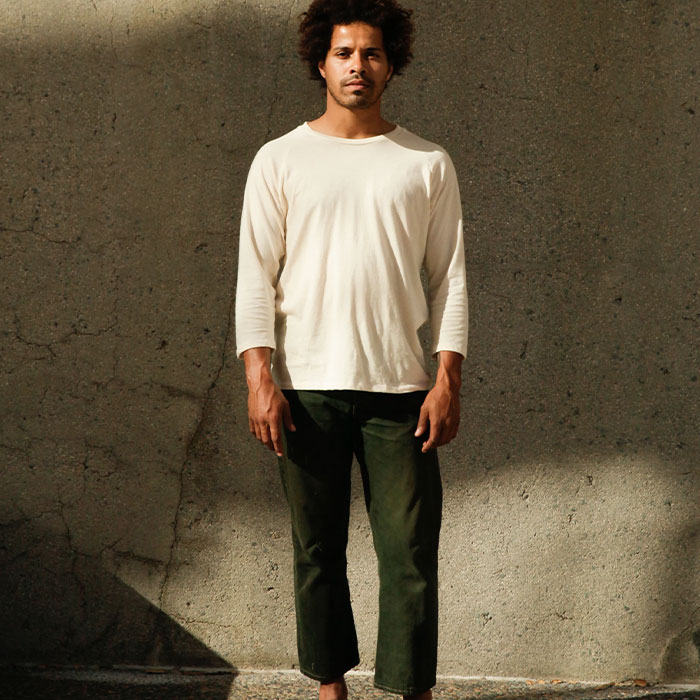
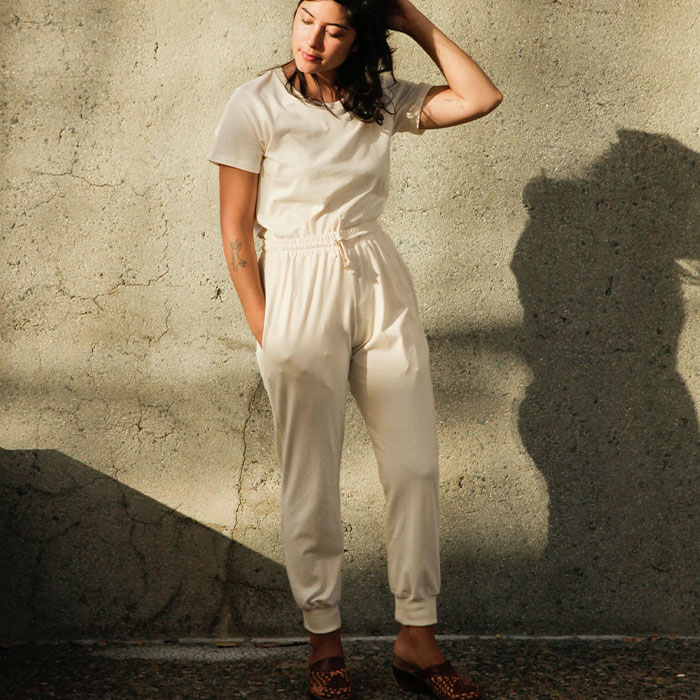
Best sustainable clothing brand for basics and joggers
Harvest & Mill
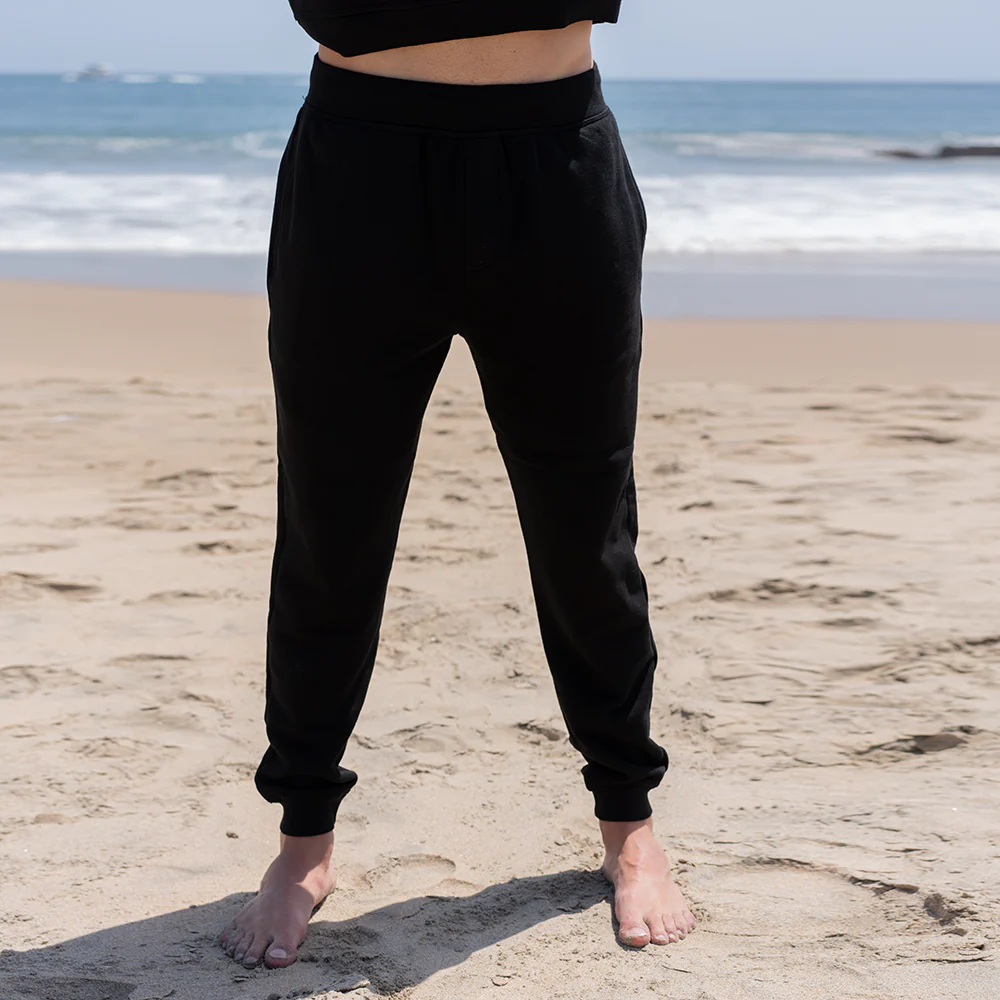
Organic cotton basics grown, milled and sewn entirely in the USA on a “seed to stitch” model, direct from American farmers, heritage mills and local sewing teams.
Vegan and PETA-approved, with much of the range left undyed, plus low-waste cutting and compostable or recyclable packaging.
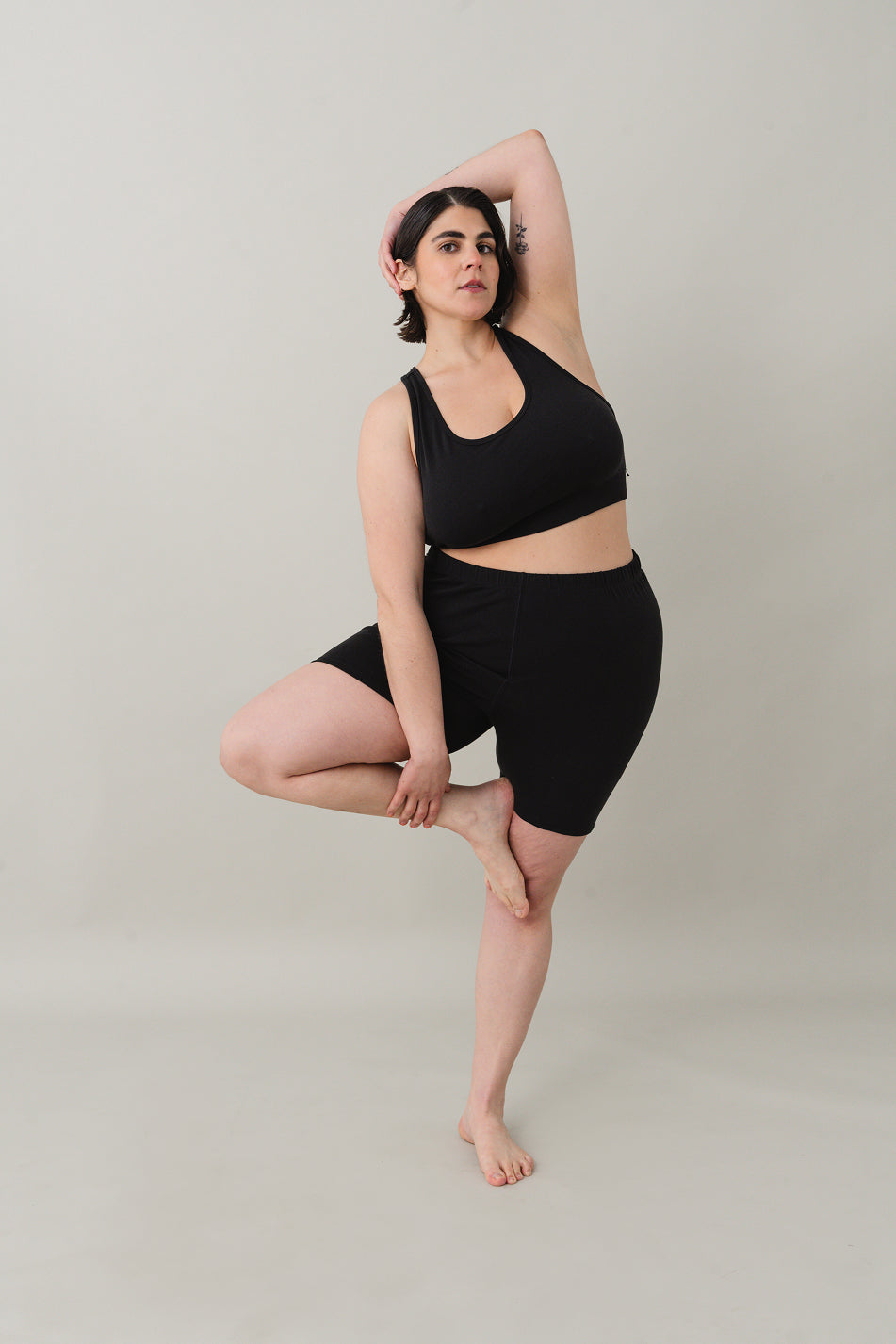
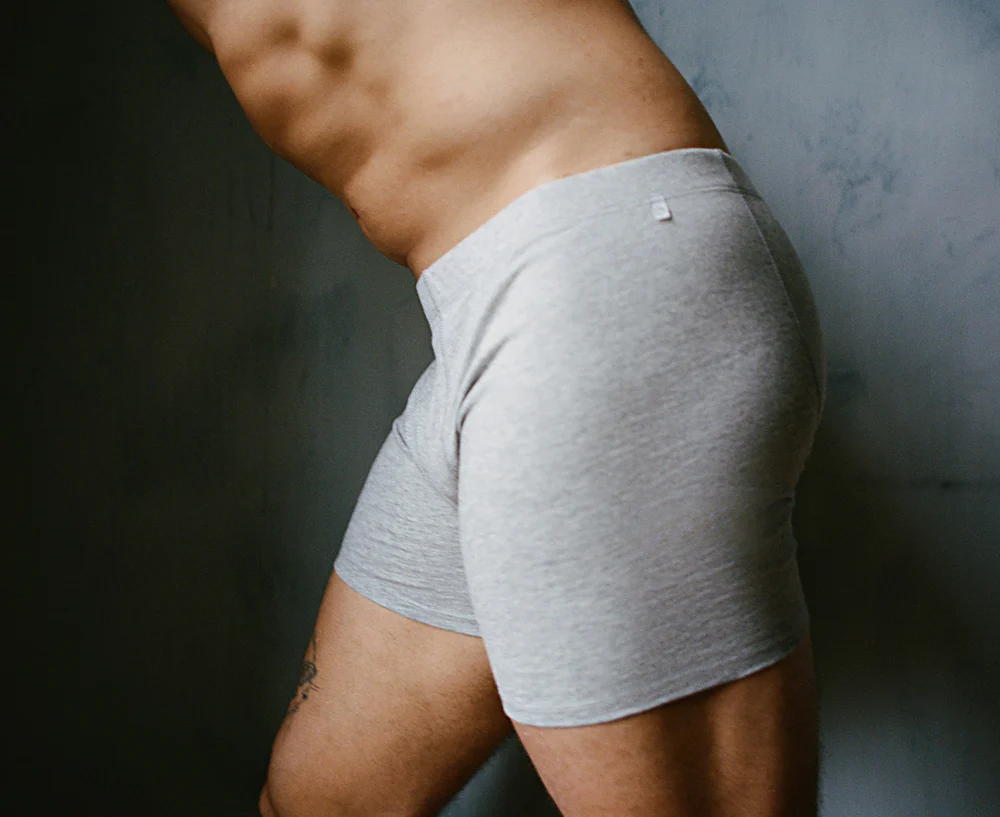
Best organic cotton basics and underwear
Oddobody
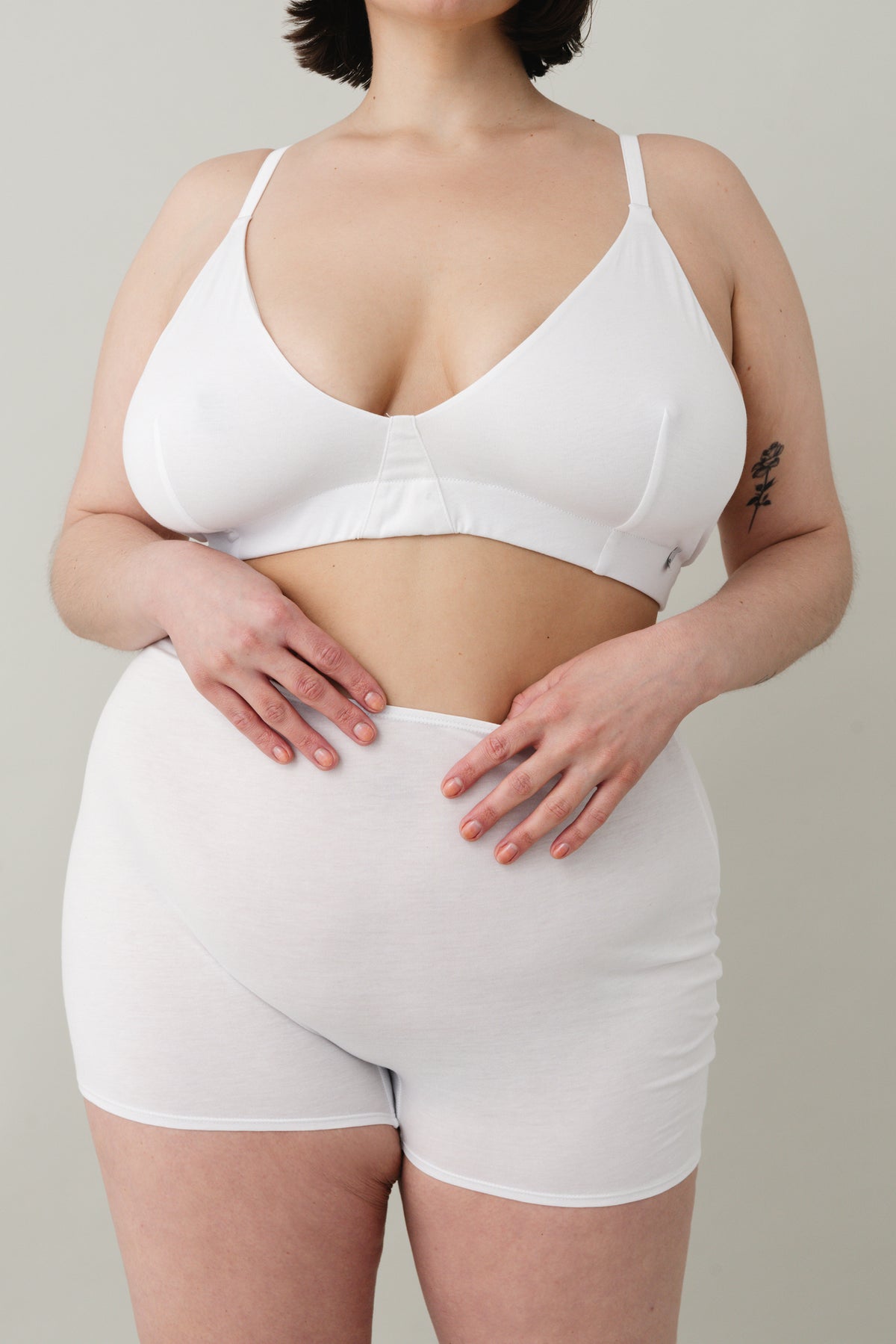
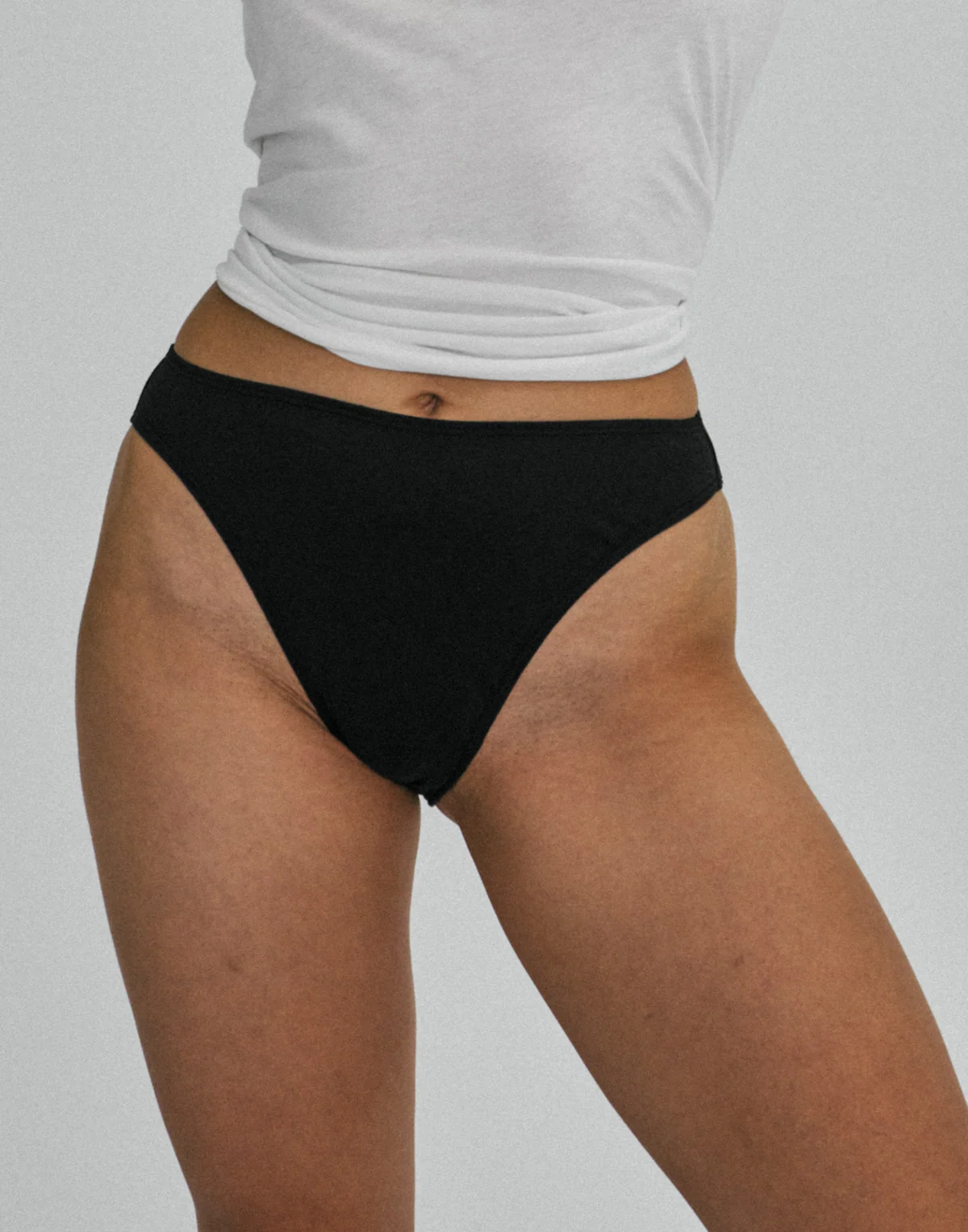
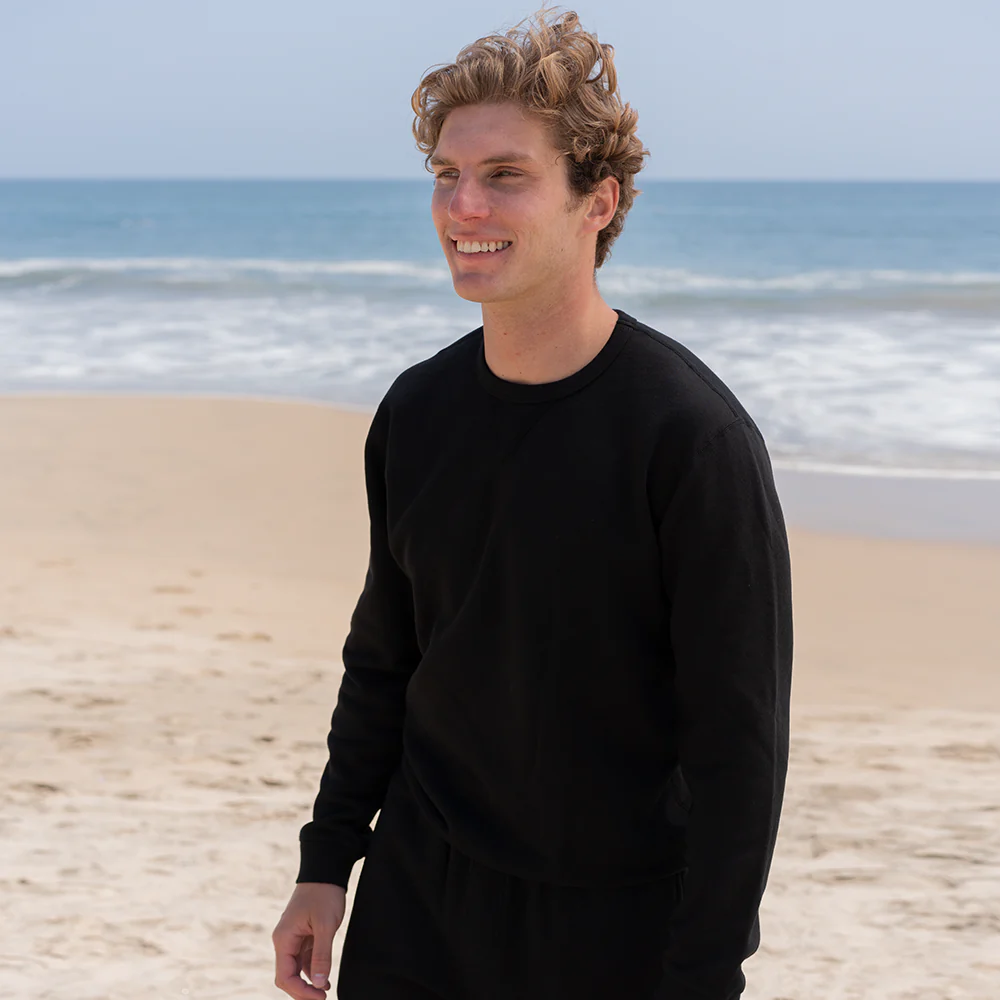
Oddobody makes organic cotton basics and underwear, ribbed and seamless, in a focused range of everyday essentials. Oddobody sells soft organic cotton briefs and bralettes with no synthetic stretch fibre.
The Throne Standard scan found every live style 100% organic cotton, no synthetics and nothing to read past.
Best for a 100% organic cotton tee
The Classic T-Shirt Company
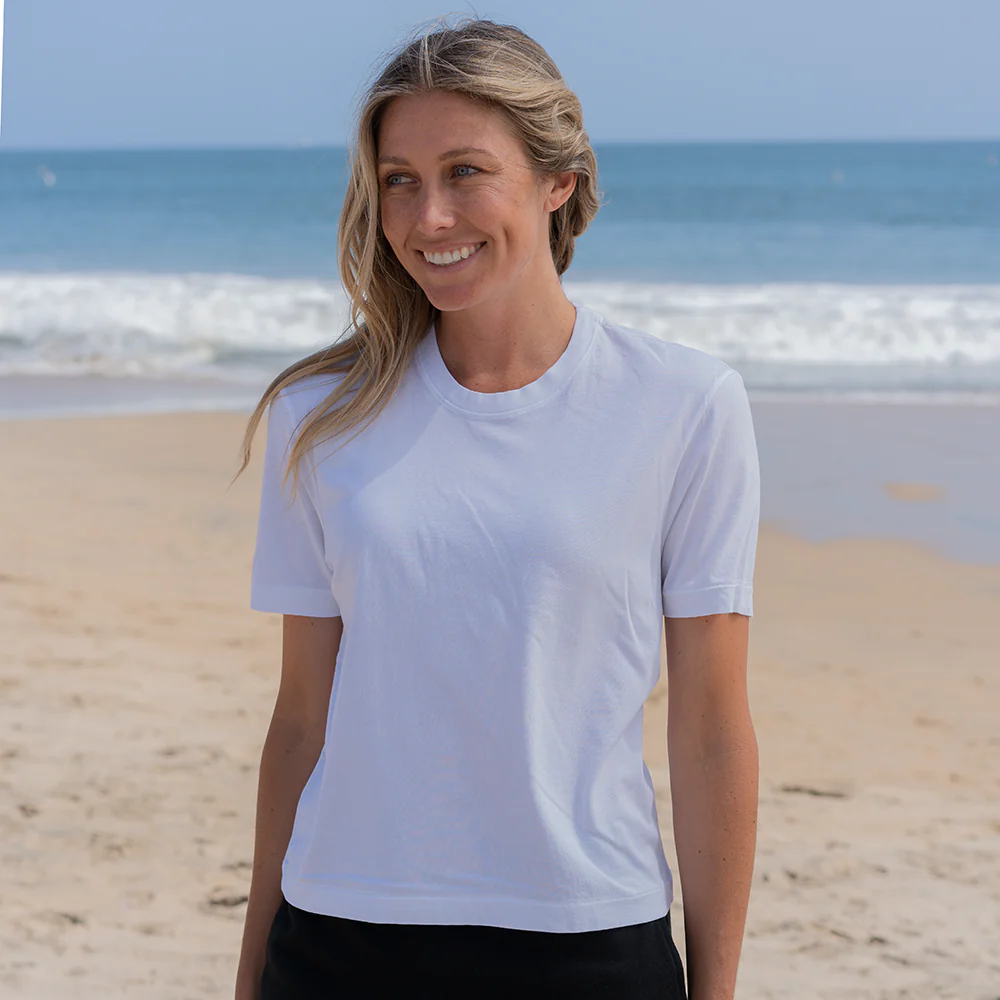
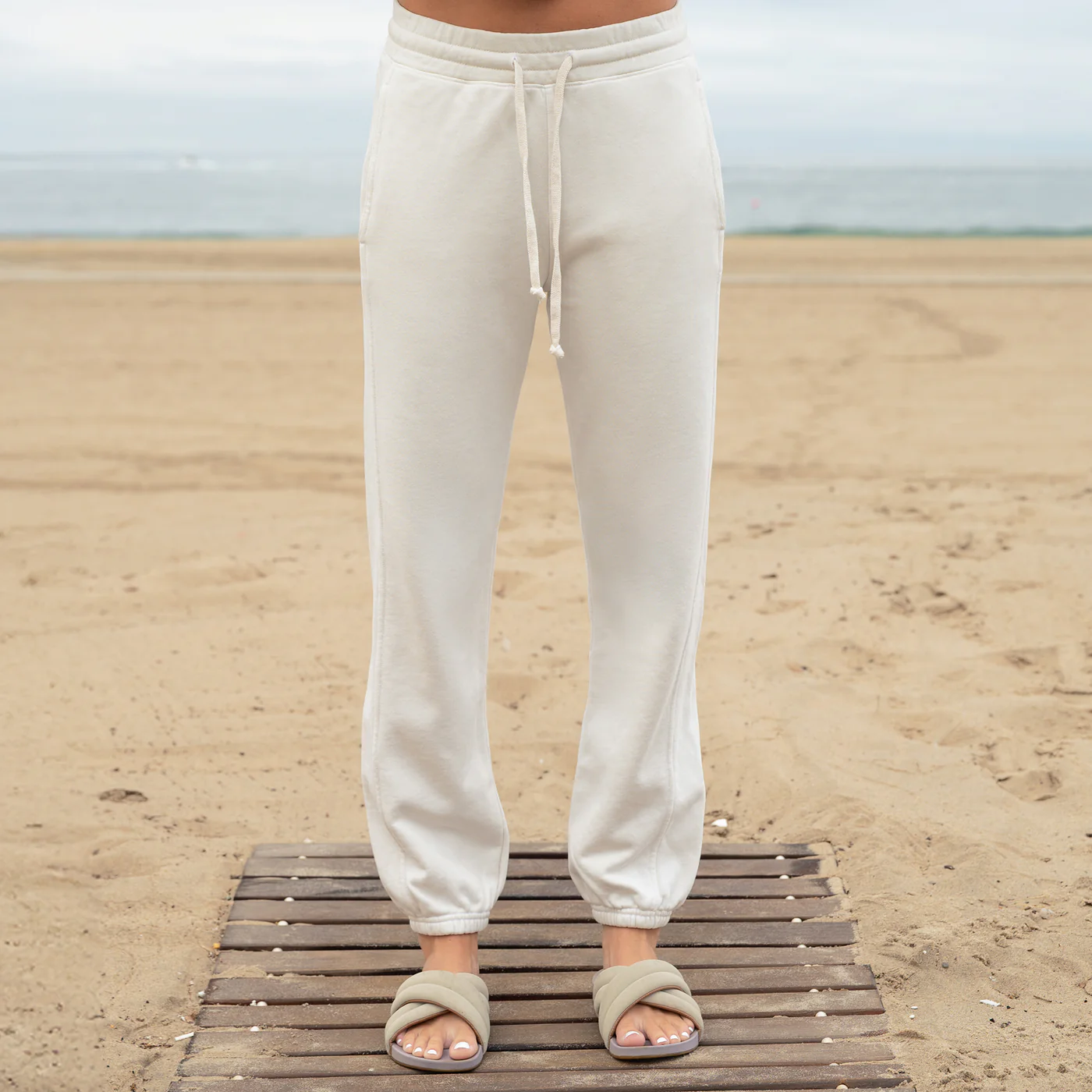
Exactly what the name promises: a properly made tee in 100% organic cotton, sold on its own without a fast-fashion range around it.
Every scanned style came back single-fibre organic cotton, so there is no elastane hiding in the collar.


Best compostable sustainable underwear
KENT
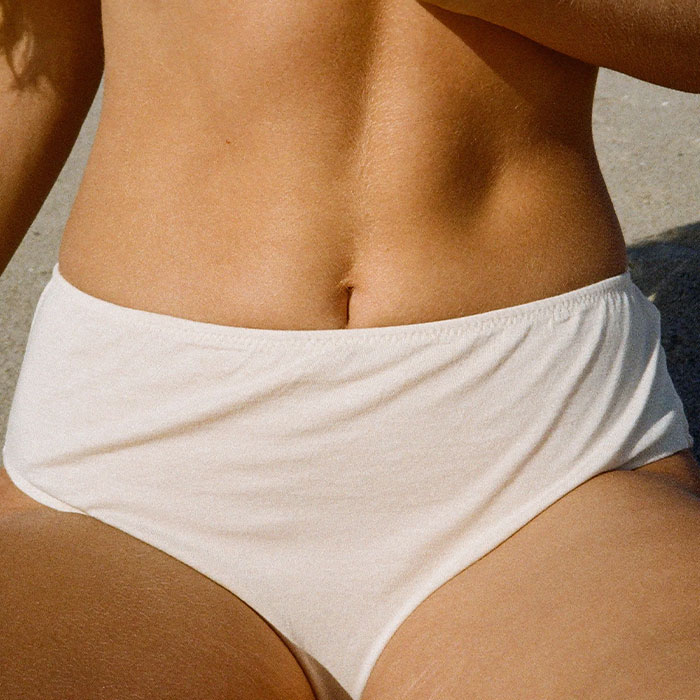
The world’s first verified compostable underwear.
100% GOTS-certified organic pima cotton with no spandex, nylon, elastane or polyester, designed to return to the earth in 90 days. Free of plastics, pesticides, PFAS and petrochemicals, right down to the packaging.
Best for hemp basics
Hemptees
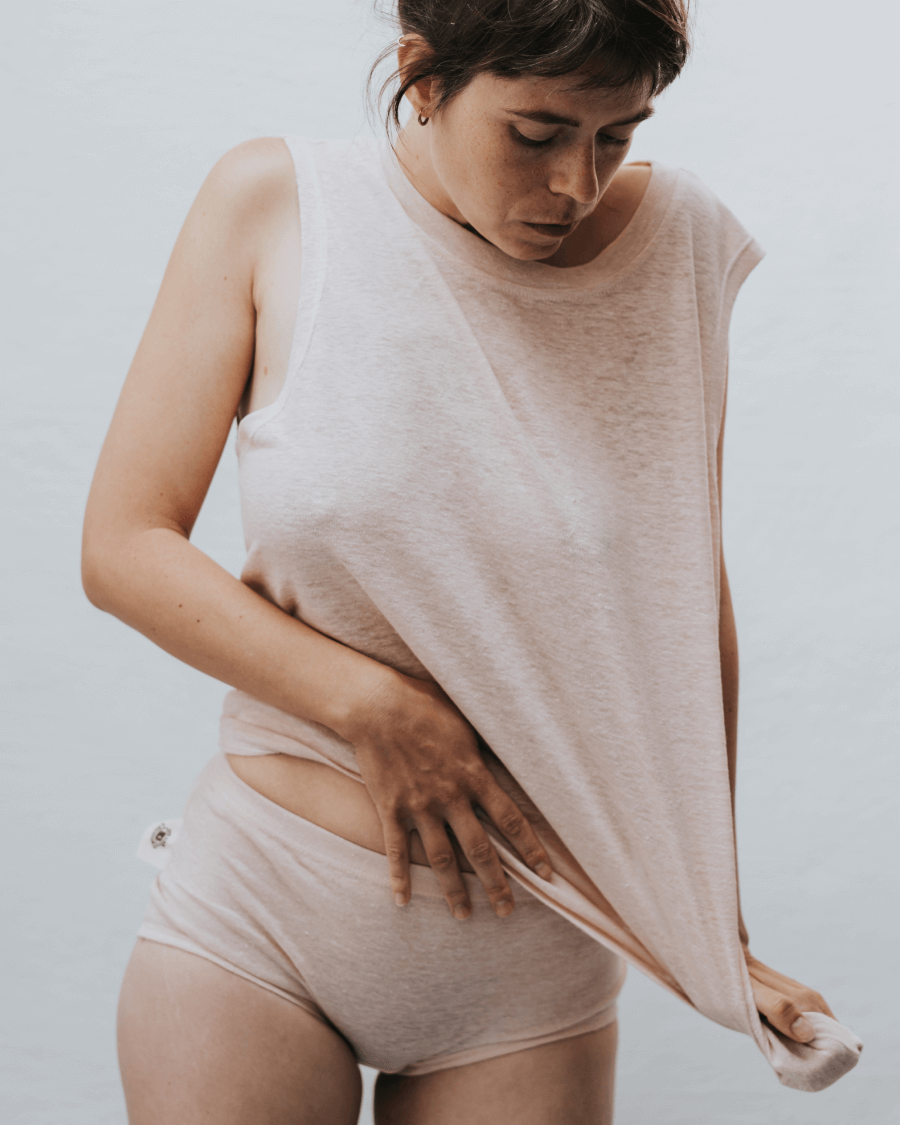
Plant-fibre purists: tees and basics in 100% hemp, one of the lowest-water, no-pesticide crops there is.
The scan read every live style as pure hemp, so it sheds no microplastic and composts at the end of its life.

Best Fairtrade GOTS organic cotton
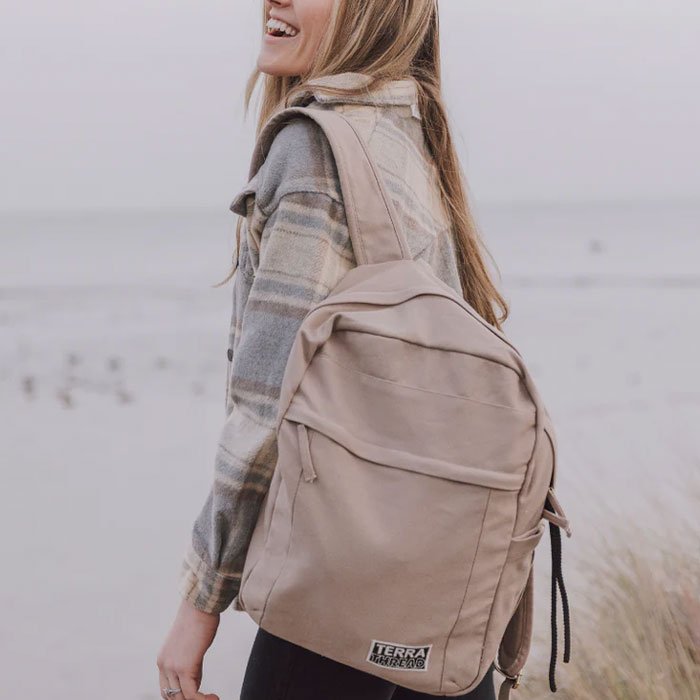
Terra Thread
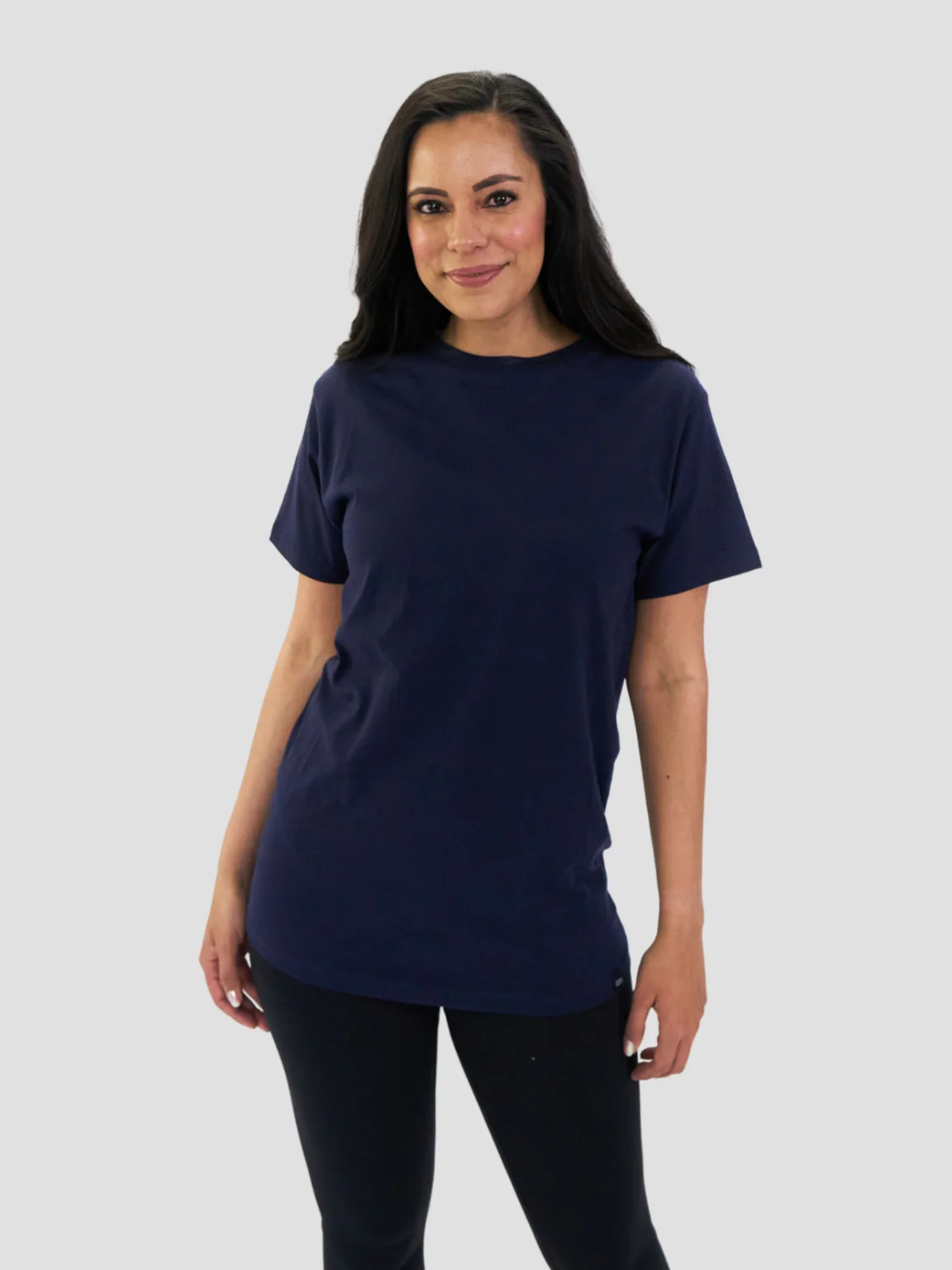
Fairtrade-certified, GOTS organic cotton tees, totes and bags at an honest price.
The Throne Standard scan found the clothing range 100% organic cotton, with no synthetic blend column to watch for.
Best sustainable activewear
Eco Aya
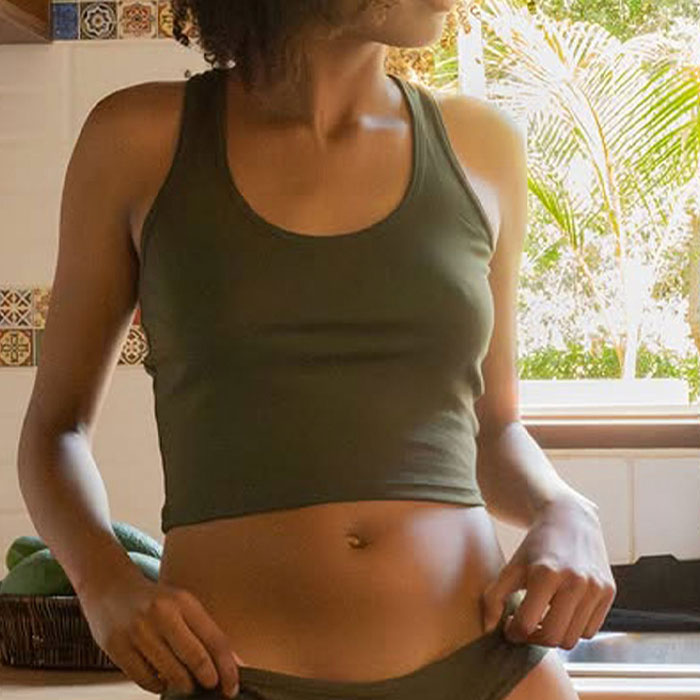
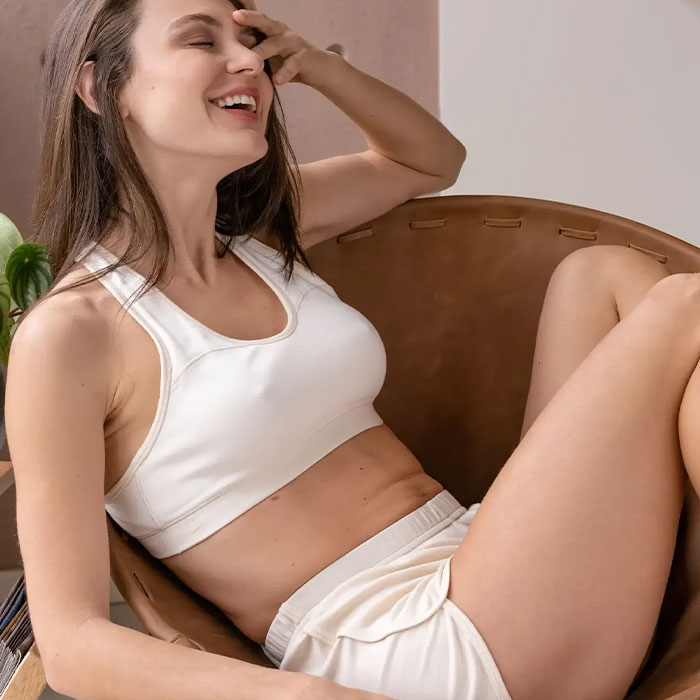
100% plastic-free clothing made from regenerative organic Pima cotton, with the entire supply chain based in a single origin: Peru.
No polyester, nylon, acrylic or elastane, so the fabric sheds zero micro or nano fibres.
How to spot misleading claims on a fibre label in ten seconds
You do not need a chemistry degree. You need four habits.
1. Read the fabric percentage, not the adjective.
“Eco” and “natural” mean nothing. 98% organic cotton, 2% elastane means nothing biodegrades. The number is the truth.
2. Learn the regenerated words.
Bamboo viscose, rayon, modal, cupro, viscose and yes even EcoVero viscose and TENCEL lyocell are processed wood pulp, not raw plant fibre. They may be lower impact than polyester. They are not the same as cotton, linen or hemp clothing you can put on a compost heap.
3. Treat “bamboo” as a red flag, not a green one.
Soft bamboo fabric is almost always bamboo viscose. The bamboo grew. The fabric did not arrive without a chemical bath.
4. Check exactly what fabrics a clothing brand actually uses.
Do not take a sustainable clothing brand at its word, read the composition. Our clothing data report records the real fabric labels product by product, so you can see whether each garment is natural fibre, synthetic or chemically processed before you buy. It is the fastest way to know if a brand’s clothes are genuinely 100% natural materials or just marketed that way.
What counts as sustainable clothing, really
The most ethical clothing brand makes its clothes from 100% natural materials, plant fibres like organic cotton, linen and hemp that compost instead of shedding plastic; it keeps those fabrics clean with unbleached cloth and natural or low impact dyes rather than chemical finishes; and it backs the fabric with transparent sourcing and fair worker rights. Natural materials, clean processing and fair labour: a truly ethical clothing brand passes all three, not just one.
Let me be honest both ways. On ethics and labour and carbon, plenty of these brands are excellent, and you should not feel bad owning them. Reformation, Patagonia, Asket and Akyn are doing serious work.
But on the standard this site holds, plant fibre only, compostable, no plastic shedding, the count is brutal. Out of 28 brands, zero pass clean. Twenty six fail on fibre. Two, ELV Denim and Tolu Coker, are unclear because they will not publish percentages, and unclear is not a pass.
Zero out of 28. That is not me being harsh. That is what happens when a list rewards certified cellulosics and recycled plastic as if they were flax in a field.
So where do you actually shop for natural fibre clothing? Look at brands that put the fibre first and the marketing second. We keep a running directory of clothes that pass the composition test, sorted by hemp, linen, denim and regenerative cotton. Start at the clothes archive and read the label before the story.
One question for you. If a brand will not print the fibre percentage on the page, what exactly are they hoping you will not notice?
To confirm any verdict here, see the exact fabric data, where the real product and fabric labels are recorded.