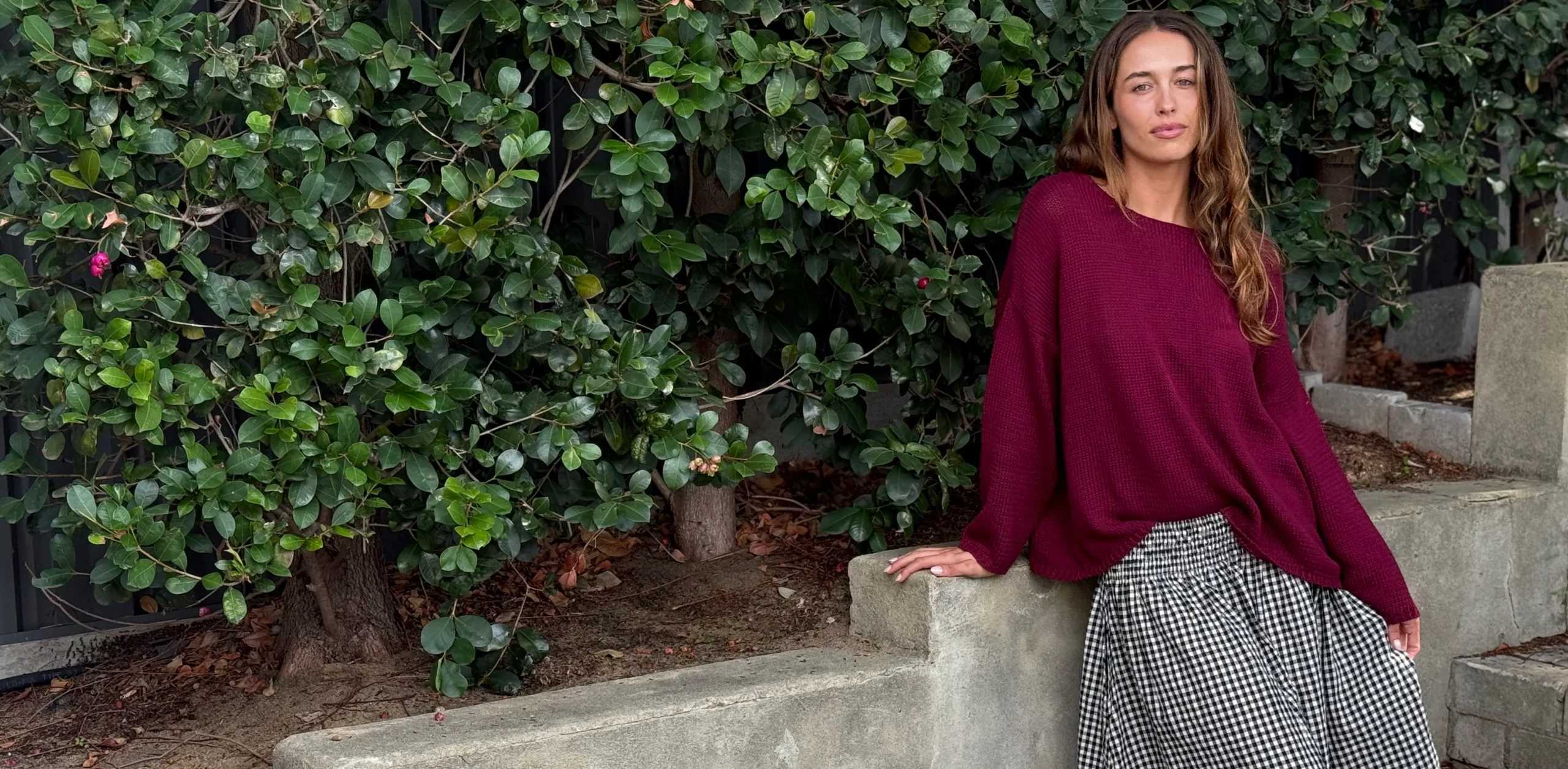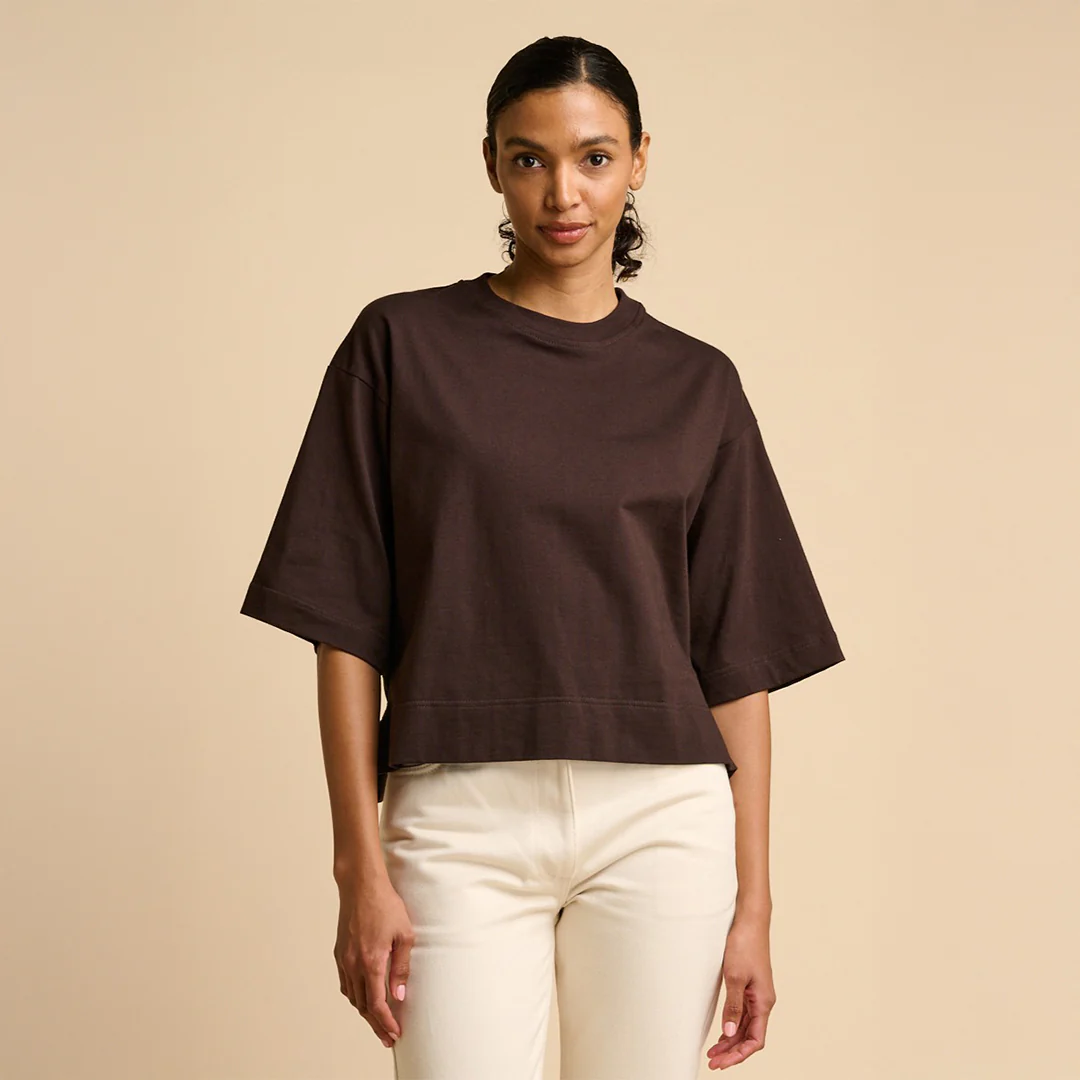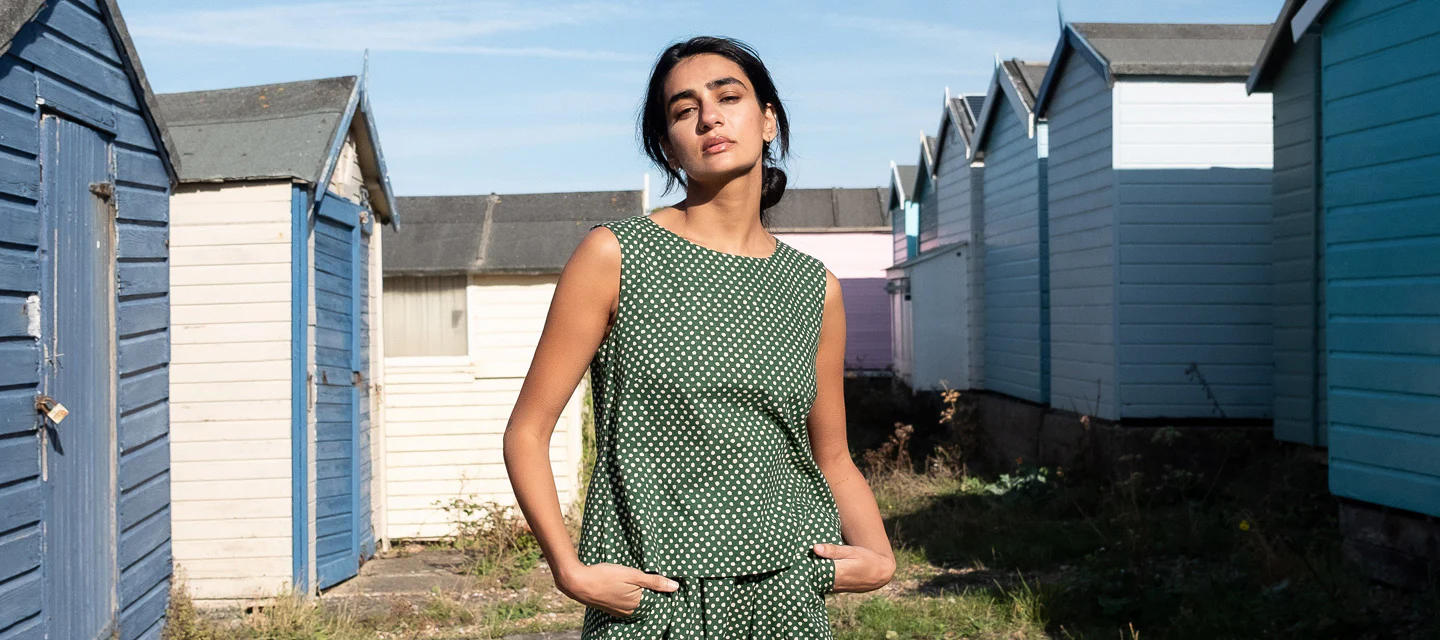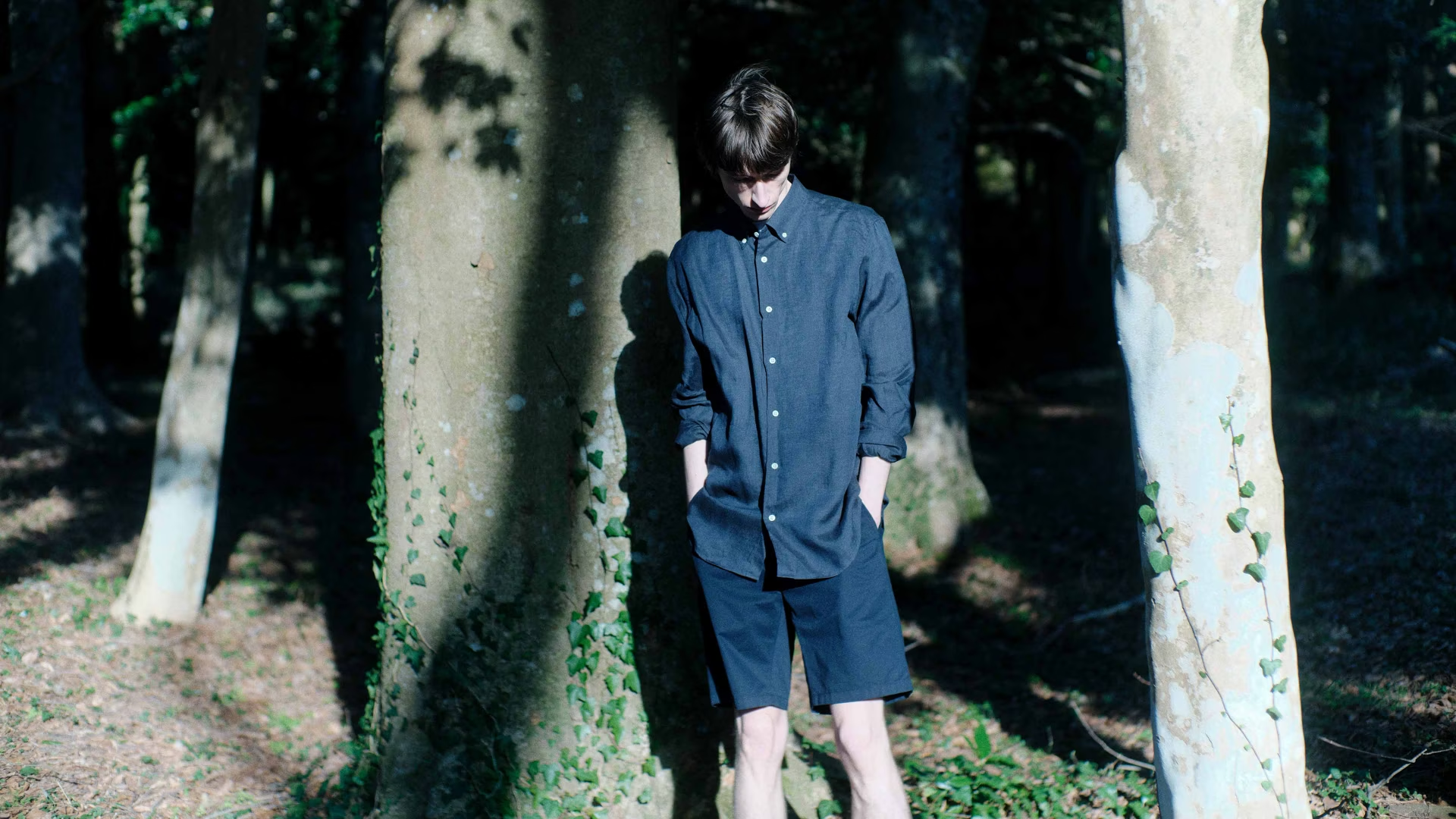
Is Outsider Sustainable And Non Toxic Clothing? The Fibre Data
What Materials Does Outsider Use? Natural Fibre Or Synthetic
Outsider builds its range on a short list of fibres, and a couple of them are exactly what a plastic-free wardrobe wants.
The Throne Standard scan of all 42 live styles broke down like this.
- Wool: 38.1% (16 styles), animal hair rather than a natural plant fibre, mostly merino. Organic cotton: 28.6% (12 styles), natural plant fibre. Linen: 7.1% (3 styles), natural plant fibre. Blended fabrics: 21.4% (9 styles), where a plant fibre is mixed with bamboo viscose and elastane, or wool and silk are blended with hemp or cotton, some with a semi-synthetic in the mix. Silk: 2.4% (1 style), animal fibre, not natural. Recycled cotton denim: 2.4% (1 style), natural plant fibre. Count the natural plant fibres alone, organic cotton, linen and recycled cotton denim, and Outsider sits at 38.1% natural.
The wool and silk do not add to that figure, because animal hair and silk are animal fibre, not natural, however nice they feel.
That 38.1% plant core is real, and it is why Outsider clears the bar that a polyester fast-fashion brand never could, but it is a long way short of the clean pass the marketing implies.
Over a fifth of the range is blended fabric, over half is animal fibre, and Outsider counts bamboo among its headline fabrics, which is where the data and the marketing start to part ways.
We dig into that on the Outsider listing and below.
Outsider Fibre Composition: What Outsider Clothes Are Made Of
Outsider last fibre scan: 13 June 2026
Sustainable Clothing Brands Like Outsider, Natural Fibre Alternatives
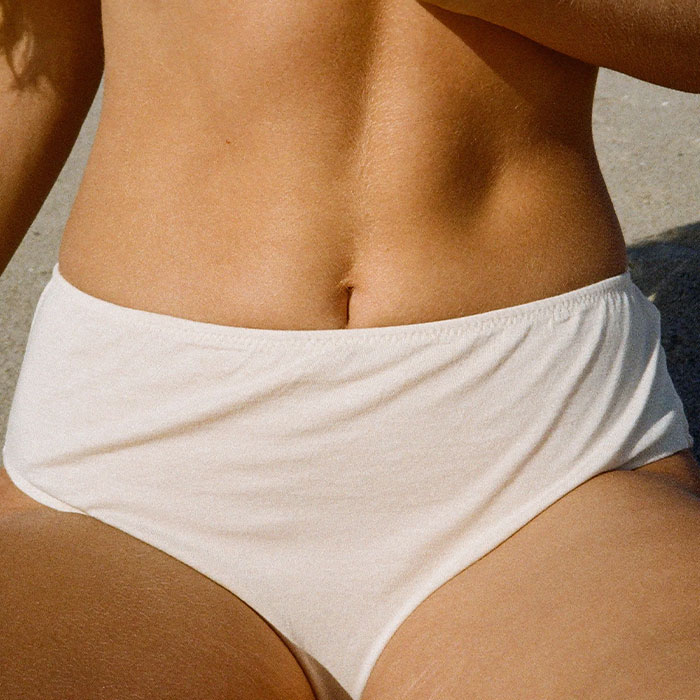

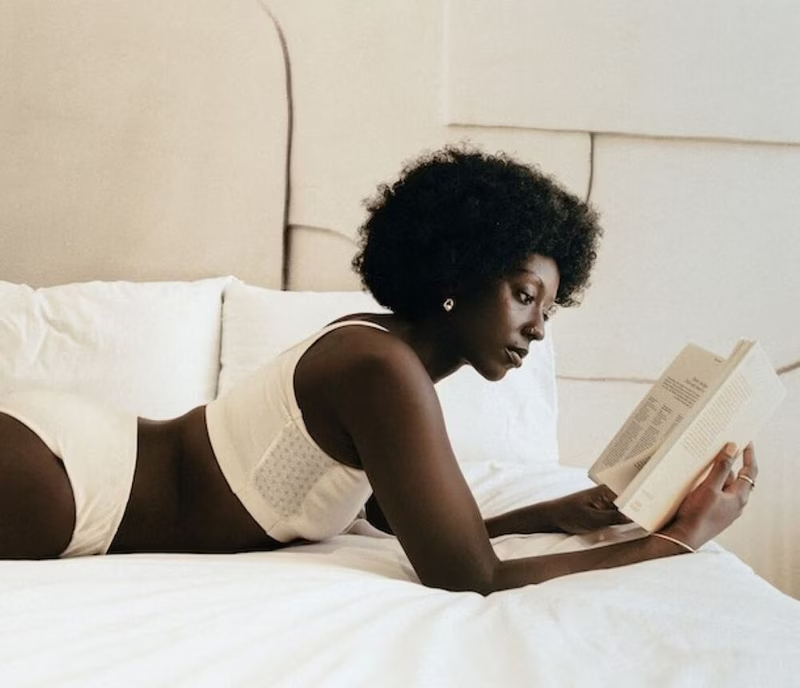
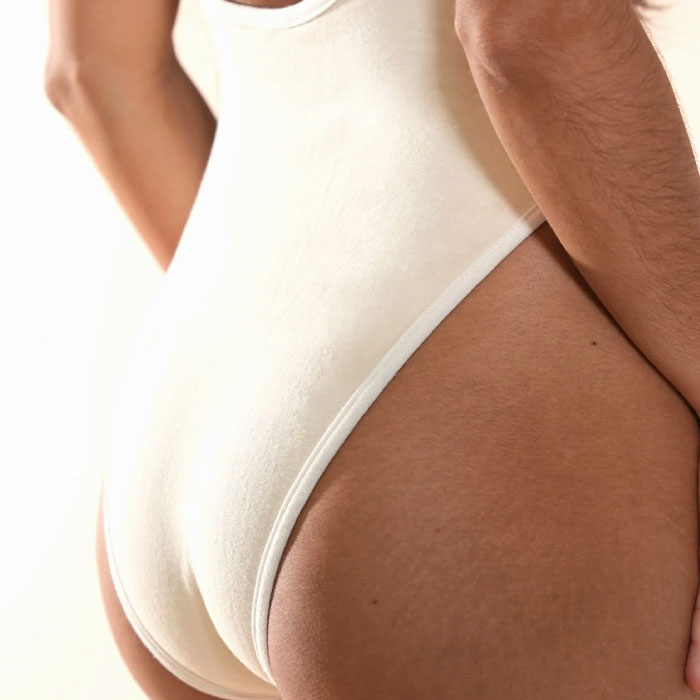
Best Compostable Sustainable Underwear, Plastic Free
KENT
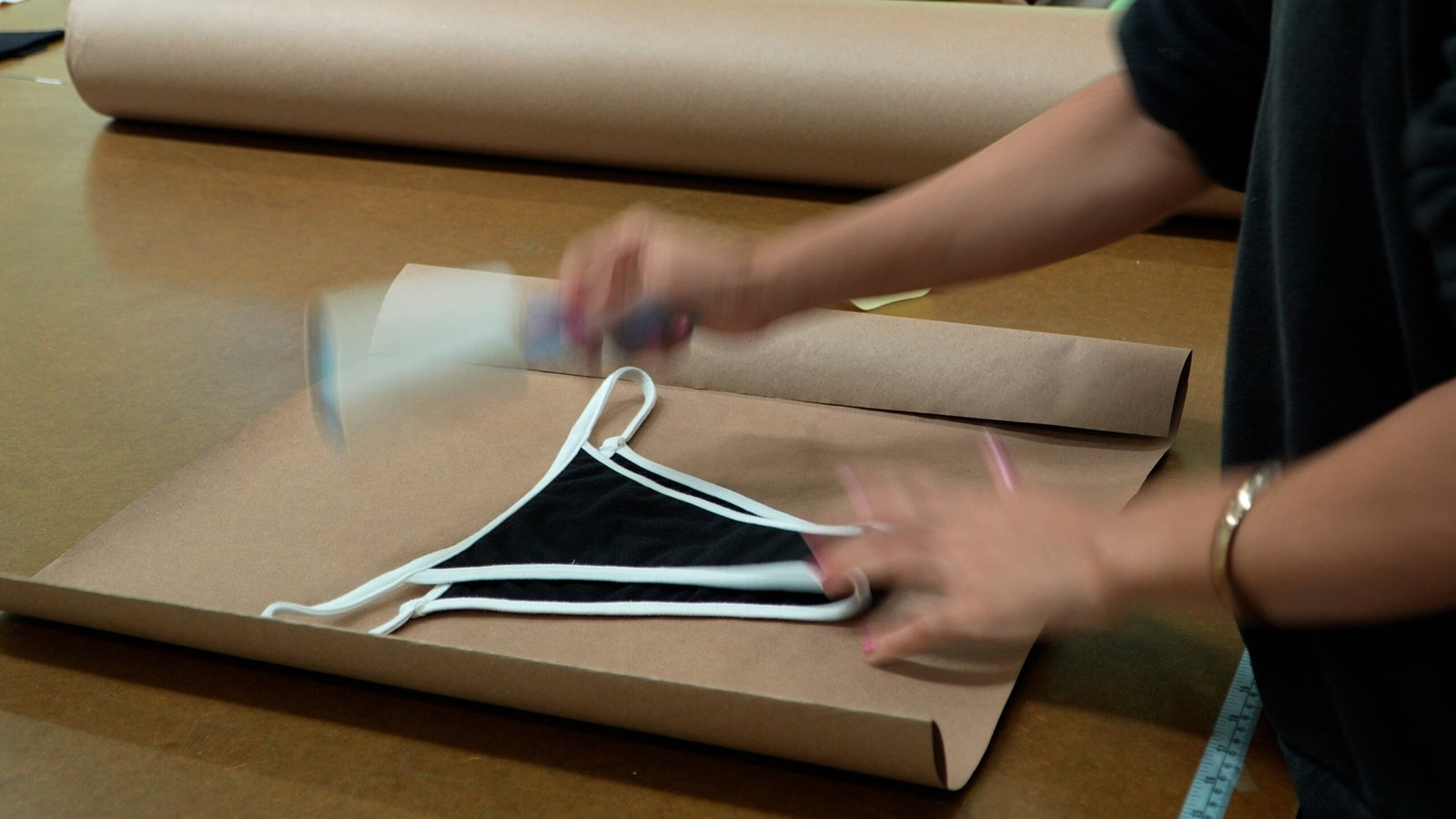
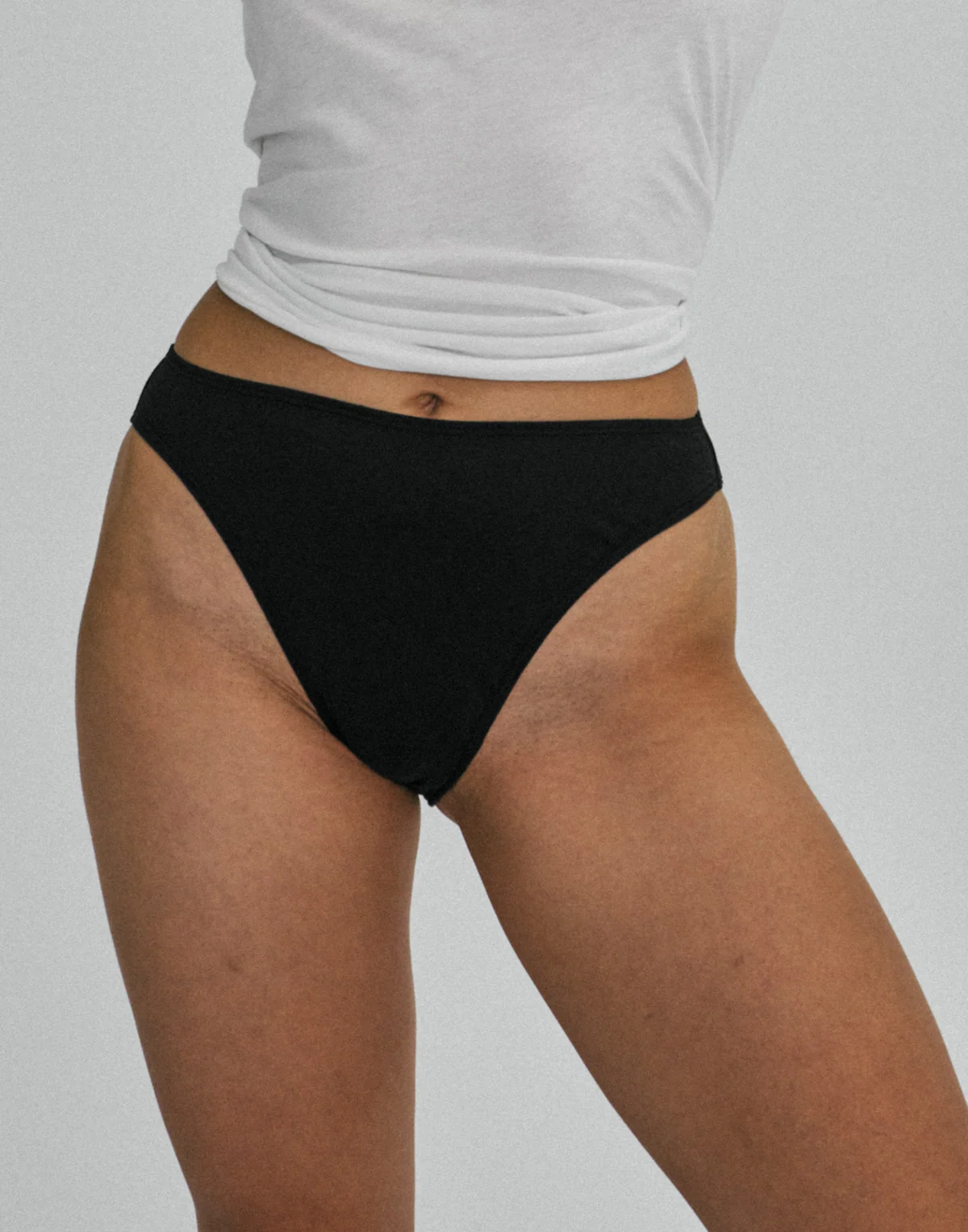
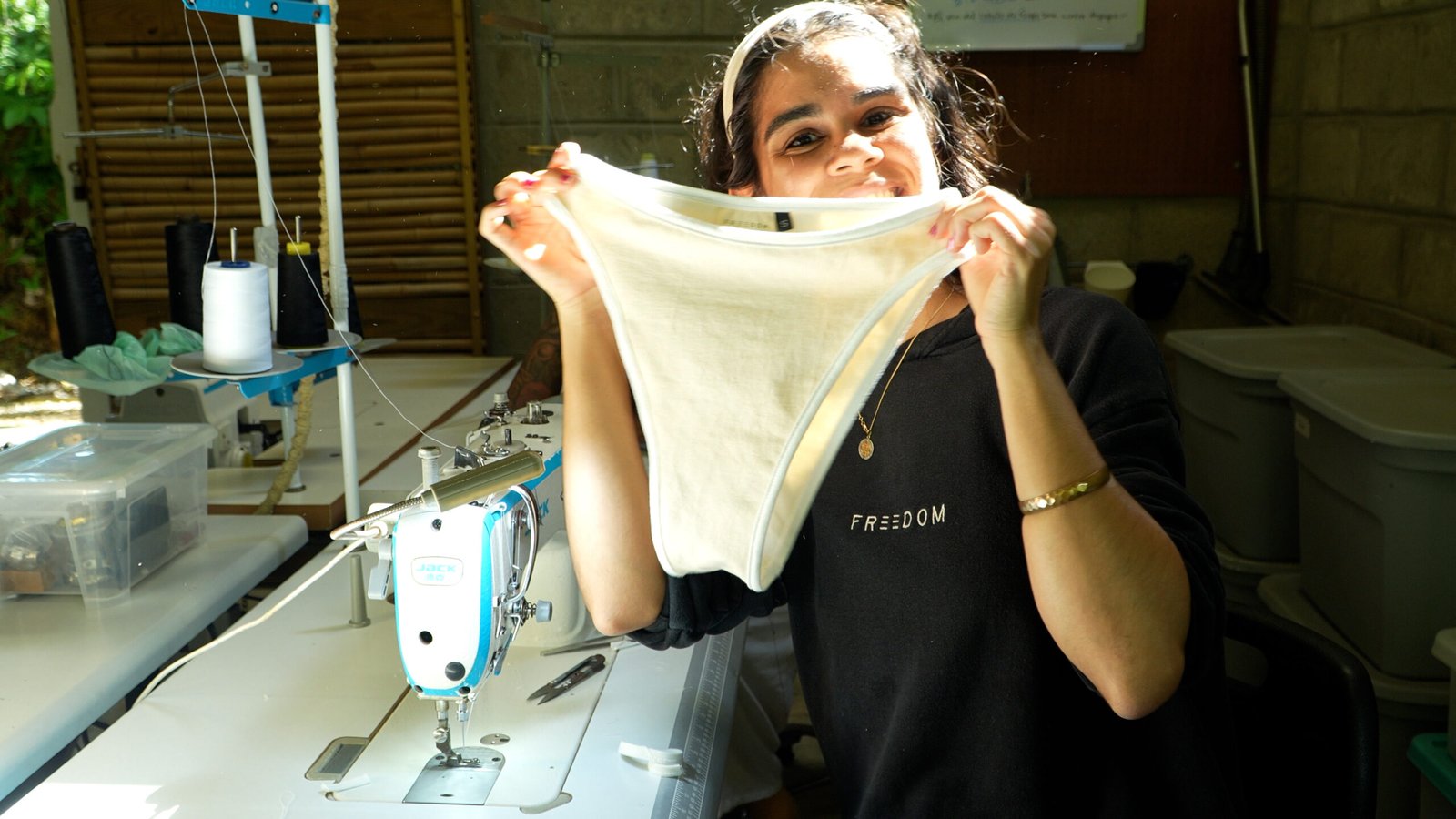
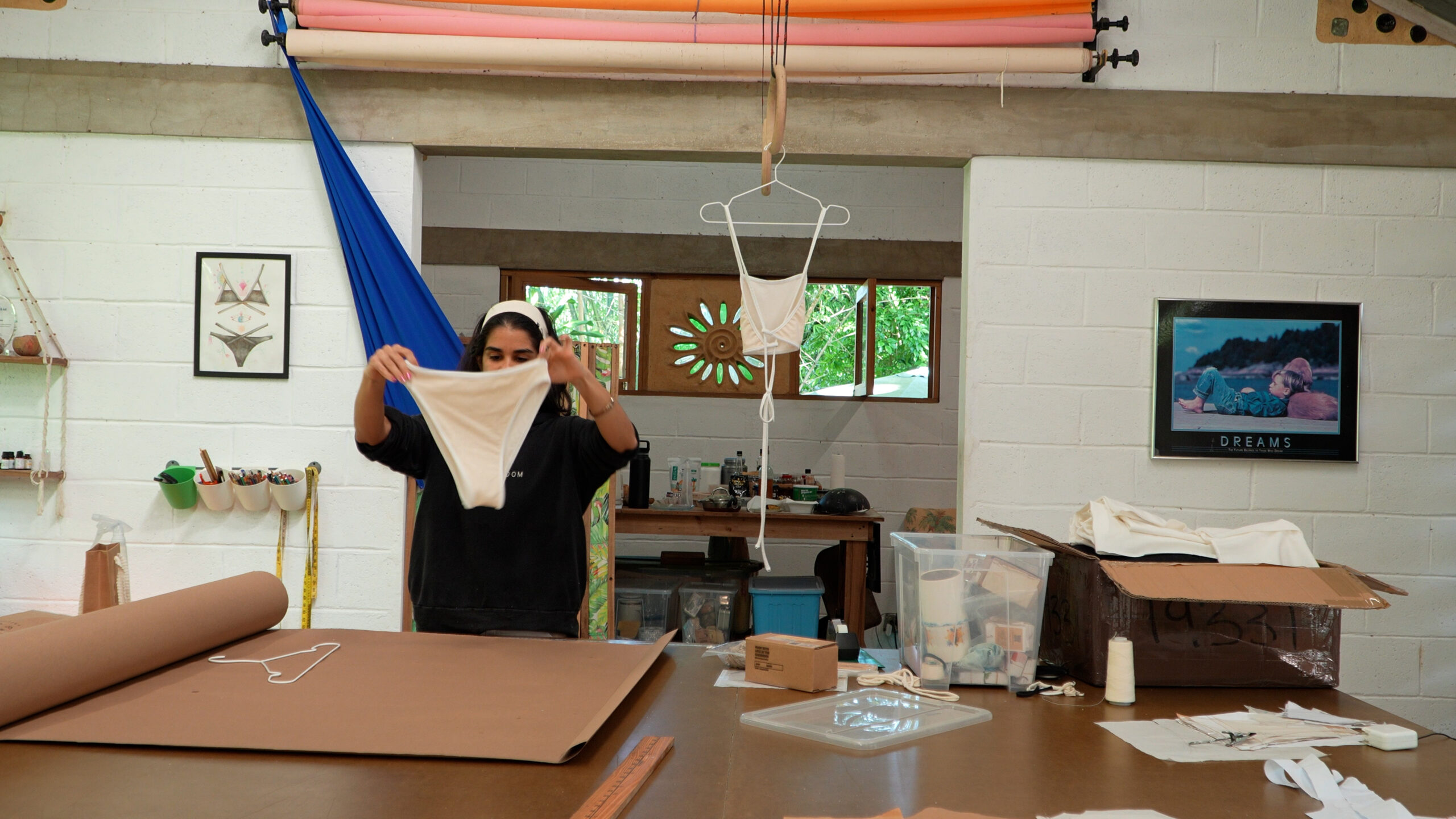
The world’s first verified compostable underwear.
100% GOTS-certified organic pima cotton with no spandex, nylon, elastane or polyester, designed to return to the earth in 90 days.
Free of plastics, pesticides, PFAS and petrochemicals, right down to the packaging.

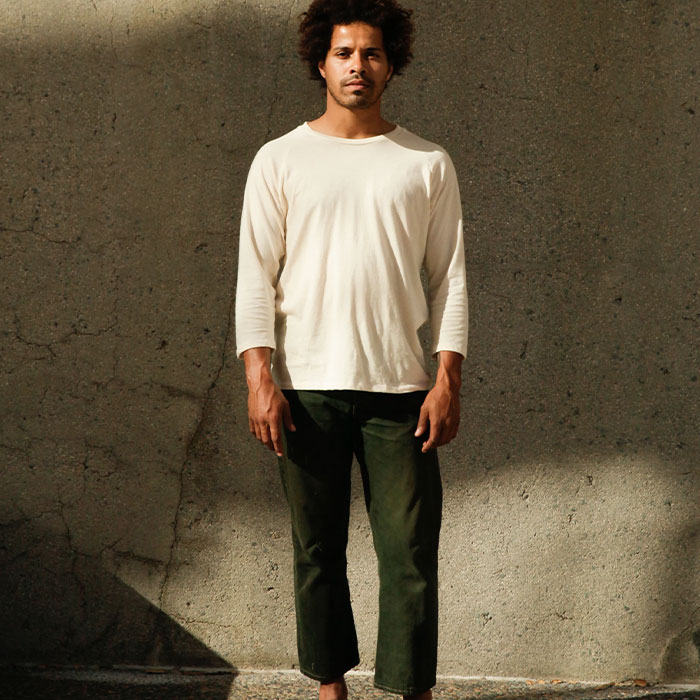
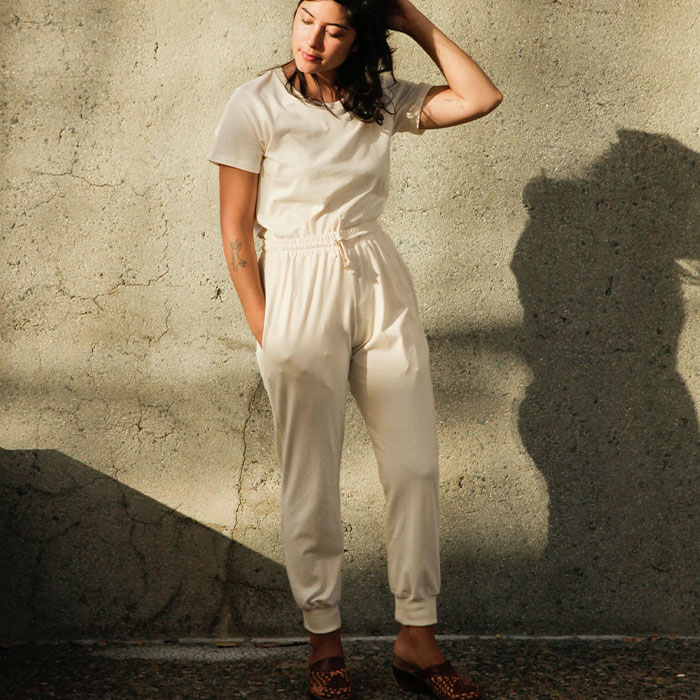
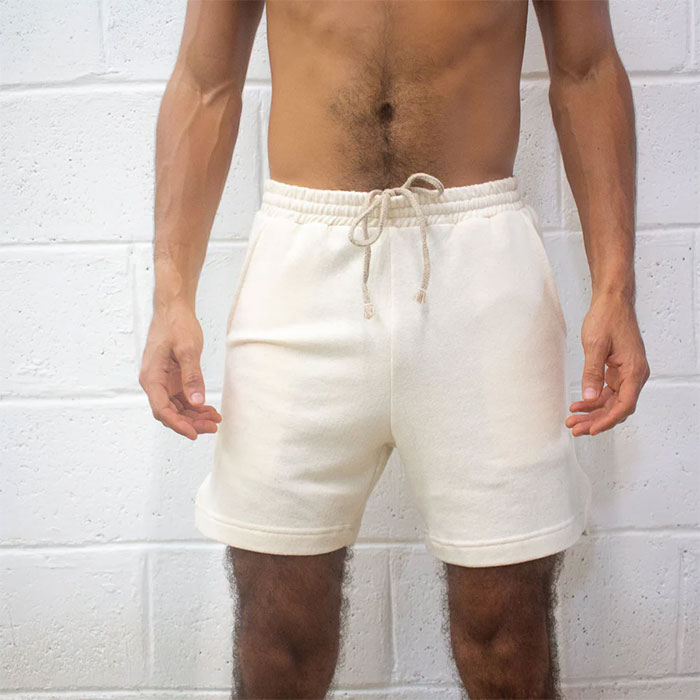
Best Sustainable Organic Cotton Basics And Joggers Brand
Harvest & Mill
Organic cotton basics grown, milled and sewn entirely in the USA on a “seed to stitch” model, direct from American farmers, heritage mills and local sewing teams.
Vegan and PETA-approved, with much of the range left undyed, plus low-waste cutting and compostable or recyclable packaging.

Best Fairtrade GOTS organic cotton
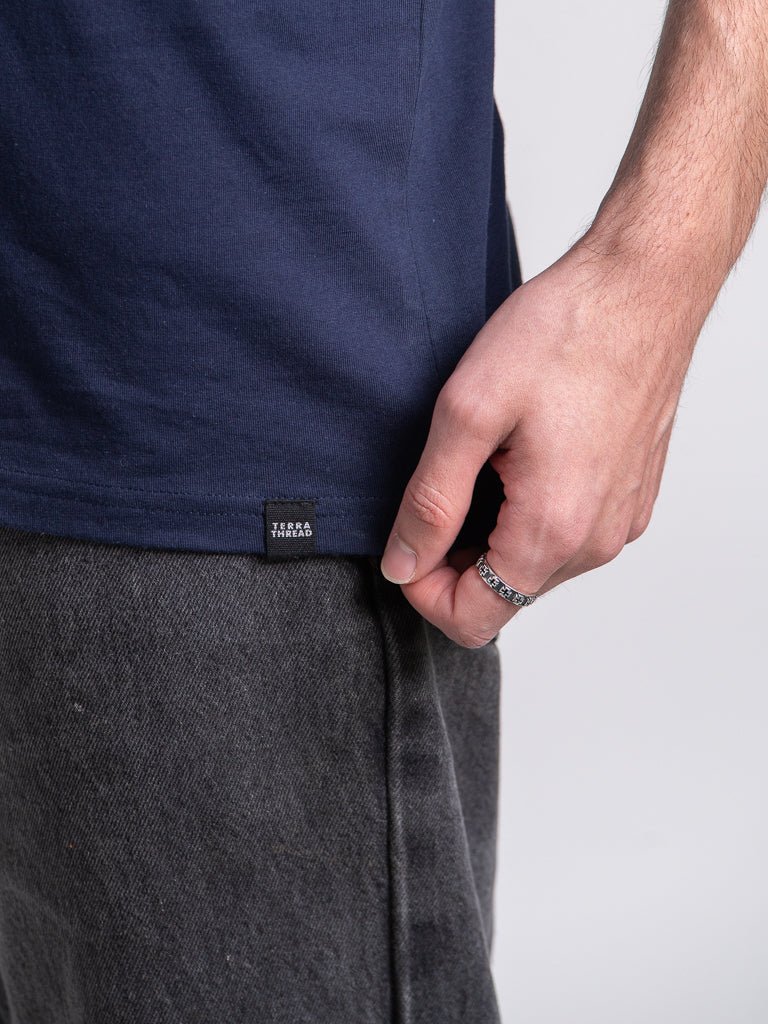
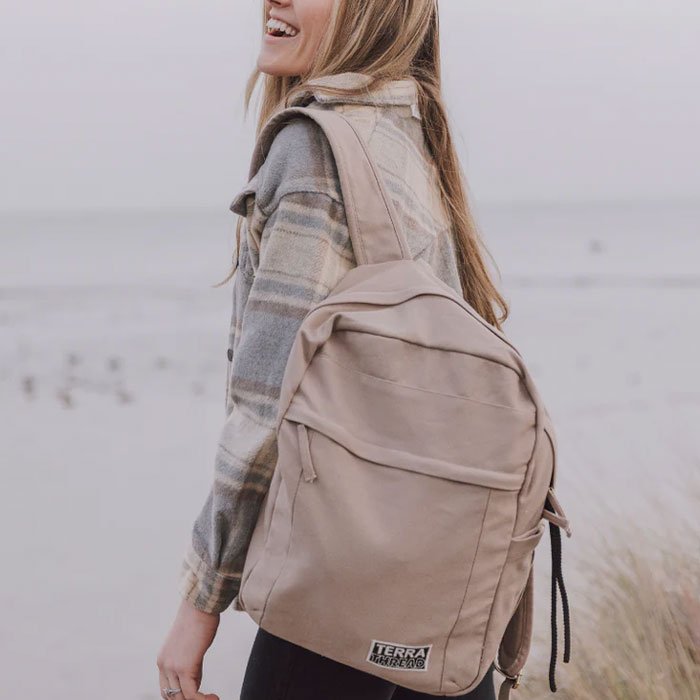
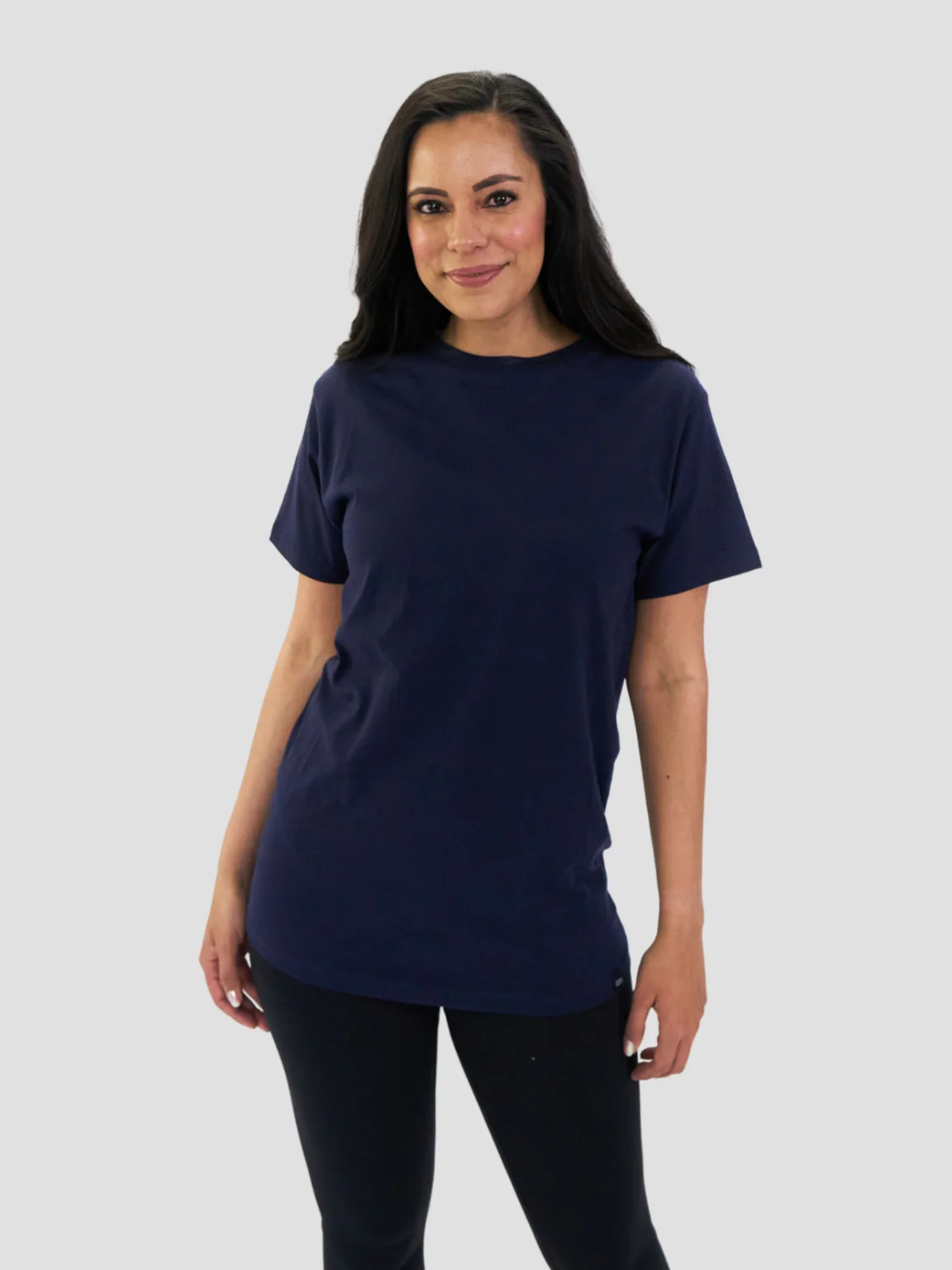
Terra Thread
Fairtrade-certified, GOTS organic cotton tees, totes and bags at an honest price.
The Throne Standard scan found the clothing range 100% organic cotton, with no synthetic blend column to watch for.
What Outsider Gets Right About Sustainable Fashion
Is Outsider Natural Fibre Clothing Or A Synthetic Blend?
Because Outsider is MIXED rather than a clean pass, you cannot grab any piece off the rail and trust it is plastic-free or natural plant fibre.
You have to shop the fibre, not the brand name.
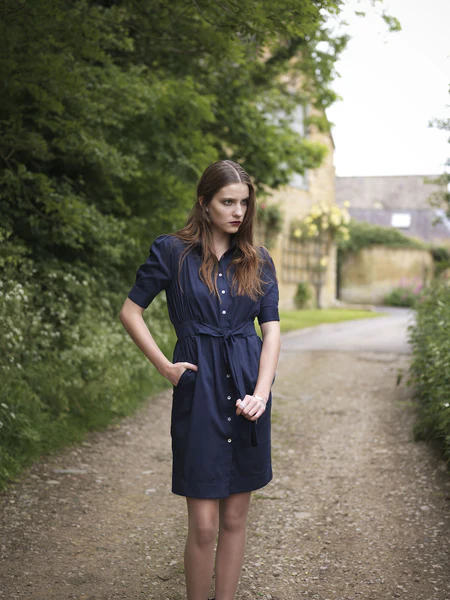
Done carefully, you can build a fully natural, plant-fibre Outsider outfit, the organic cotton and linen styles are the real thing.
A genuinely natural Outsider look, chosen on the fibre, plant fibre only:
- An organic cotton dress or trousers, checked that the listing says 100% cotton.
- An organic cotton shirt or knit, biodegradable and breathable.
- A linen layer for summer, pure flax.
- A second linen piece if you want the drape, a linen scarf or top.
What to skip if you want a 100% natural plant-fibre outfit: the wool and silk styles, because wool is animal hair and silk is animal fibre, not natural; anything labelled bamboo; and any style where the composition is vague or unstated.
Bamboo on a label almost always means viscose, which is a chemically regenerated fibre, not the natural plant the word implies.
With nearly a third of the range scanning as unclear, the rule with Outsider is simple.
Read the fibre on every single product before you add it to the basket.
How Outsider Compares To Brands That Fail The Natural Fibre Test
This is not a plastic brand. A true fast-fashion label scans as a sea of polyester, nylon and elastane, fibres that shed microplastics for the life of the garment.
Outsider has none of that as a backbone.
Its 38.1% natural plant-fibre result sits a world above the brands that fail the fibre test outright, even before you count the wool and silk that keep it out of the polyester crowd.
But Outsider is not a clean pass either, and it is worth seeing both ends of the spectrum.
The fully natural brands we have verified, like Harvest & Mill and the alternatives above, hit 95% or more natural plant fibre with nothing unclear in the range.
Outsider’s blended-fabric slice, its majority animal-fibre share and its bamboo positioning are exactly the gap between MIXED and a true pass.
The honest framing: Outsider is far better than the plastic crowd, and not yet as clean as the brands it likes to be grouped with.
You can compare every brand side by side at the clothing data hub.
Is Outsider Clothing Good For Your Skin And Health?
The reason fibre honesty matters so much is your skin and your lungs, not only the planet.
Polyester, nylon and elastane shed microscopic plastic fibres with every wear and every wash, and researchers have now found those microfibres lodged in human blood, in lung tissue and in the placenta.
A wardrobe built on natural plant fibres like linen and organic cotton is the single biggest lever you have to cut that exposure.
This is also exactly why the bamboo question matters here.
People reach for bamboo believing it is a clean, breathable natural fibre.
In reality, conventional bamboo fabric is viscose rayon, the bamboo cellulose dissolved in caustic soda and carbon disulfide, a known neurotoxin, then regenerated into fibre.
It is so far from natural that the US Federal Trade Commission has fined national retailers millions of dollars for labelling rayon as simply bamboo. In 2022 it sought its largest ever such penalties, 2.5 million dollars from Kohl’s and 3 million dollars from Walmart, and in earlier settlements in 2013 and 2015 it fined retailers including Amazon, Macy’s and Nordstrom. The FTC even published a guide called Avoid Bamboo-zling Your Buyers.
So when a brand lists bamboo as if it were a natural plant fibre, sitting it beside merino and linen on the label, that is the moment to slow down, because bamboo is regenerated rayon and merino is animal hair, and neither is the natural plant fibre that only linen here actually is.
The wool and silk in Outsider’s range are animal fibre rather than natural plant fibre, but they are still a long way ahead of the synthetic blends that shed plastic.
Browse the fully natural, plant-fibre options at the clothing data hub if you want zero grey area.
What Would Make Outsider Genuinely Sustainable And Plastic Free
Outsider’s own fabric page describes bamboo as a fibre where “the process which removes the fibre from the plant is usually chemical free” and call the result “both biodegradable and recyclable.” That raises a flag.
Conventional bamboo fabric is viscose rayon, and the process is the opposite of chemical free, it relies on caustic soda and carbon disulfide to dissolve and regenerate the cellulose.
The FTC has fined major retailers millions for exactly this kind of bamboo-equals-natural framing.
I do not think Outsider is acting in bad faith, this reads as a dated, widely-copied myth still living on the site, but a brand that has preached fibre honesty since 2009 should be the first to correct it.
A second copy slip in the same place.
Outsider describes Tencel as producing fabrics that are “anti-bacterial”.
That is a performance claim that lyocell does not reliably carry once it is woven and washed, and it is the kind of soft science a transparent brand is better off dropping.
The fibre is still a fine semi-synthetic, the claim around it is what needs tightening.
Beyond the copy, here is what would move Outsider from MIXED toward a clean pass:
- Fix the blended fifth. Roughly 21.4% of styles are blends rather than a single clean fibre. Publishing the exact fibre percentage on every product, not just a fabric name, would let the data confirm the brand’s own claims.
- Trace the Indian organic cotton past the certificate. Outsider sources its organic cotton in India, and tells customers the supply chain is fully ethical, yet publishes no farm-level traceability, only the assurance that factories are visited.
- Publish a real code of conduct and wage floor. The manufacture page says working hours and pay are fair and there is “no child or slave labour,” but there is no published wage figure, no documented standard, no auditor named. The promise is warm. The paperwork that would prove it is missing.
Who Owns Outsider, And Is Outsider Actually A Sustainable Brand?
Outsider is owned by its founder, designer Noorin Khamisani
Outsider is refreshingly simple on ownership.
It is an independent, founder-owned label, not a subsidiary of a larger group.
It was launched in 2009 by London-born designer Noorin Khamisani, who trained with avant-garde names like Ann-Sofie Back and Jonathan Saunders and worked for high-street companies including Ted Baker and Debenhams before building Outsider around a single line: ethical fashion should just look like fashion.
On the question of practising what she preaches, Khamisani’s credentials are real and easy to verify.
She spent a year travelling Asia visiting factories in India, Pakistan and Cambodia to build her manufacturing relationships, and she is a visiting lecturer at the London College of Fashion teaching the next generation to design more responsibly.
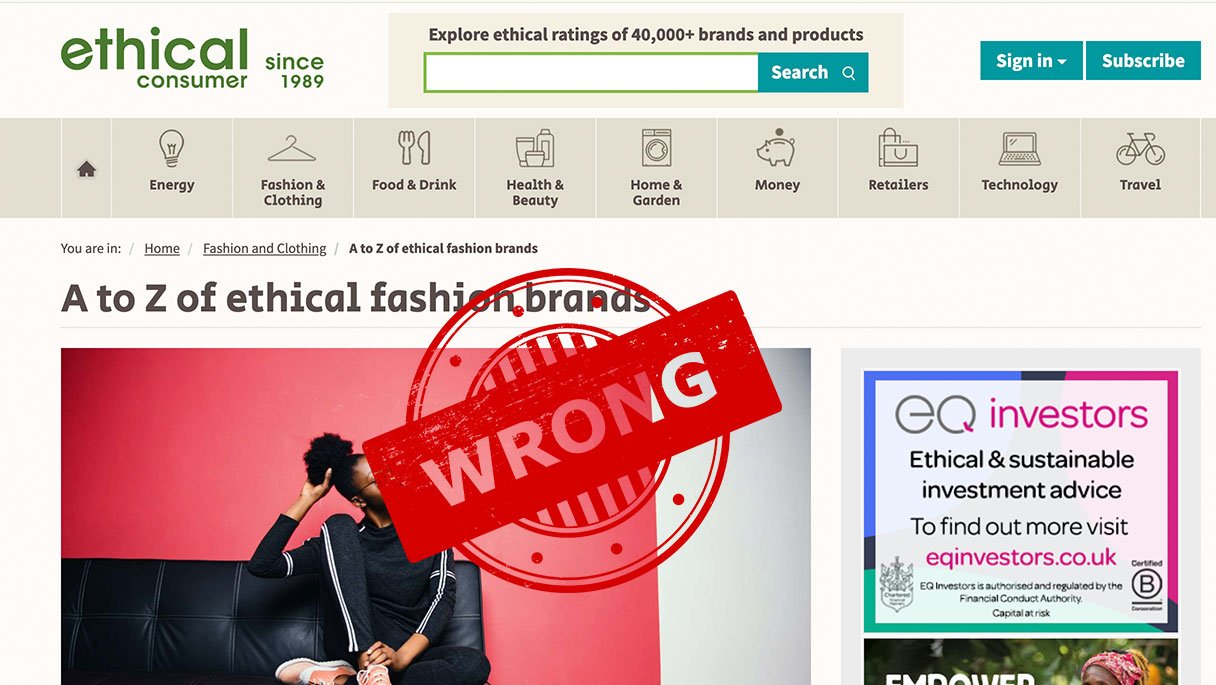
Outsider has been named a Best Buy and featured repeatedly in Ethical Consumer magazine’s guide to ethical fashion, scoring 14 out of 20 for its organic cotton styles and 13 out of 20 for the rest.
That is independent recognition, not self-published praise, and it counts.
The gap is not sincerity, it is the paperwork and the copy.
A genuinely ethical, founder-led label can still carry a misleading bamboo claim and source cotton from a country where organic fraud is a documented problem.
Belief and full traceability are not the same thing, and the verdict has to rest on the second.
Is Outsider Legit And Actually Sustainable?
Outsider is a real, independent ethical brand with a genuine natural plant-fibre core in its organic cotton and linen, and it is also not the clean pass it presents itself as.
The organic cotton and linen earn their place as natural fibre, the wool and silk add animal fibre that is not natural, the founder’s commitment is verifiable, and the brand sits far above the plastic crowd.
The honest verdict is MIXED.
At just 38.1% natural plant fibre across 42 styles, with over half the range animal fibre, over a fifth blended fabric, a bamboo-as-natural claim that the science does not support, and organic cotton sourced in India without farm-level traceability, Outsider has not earned the spotless badge.
Because of that India sourcing, the 2020 GOTS finding matters here.
The Global Organic Textile Standard uncovered around 20,000 tonnes of fraudulent organic cotton in India, roughly a sixth of the country’s production, with forged certificates.
This is not an accusation against Outsider, it is why traceability past the certificate matters, and why the verdict stays at MIXED until the brand can show it.
Buy it if you shop the fibre carefully and want a piece of organic cotton or linen, or of merino or silk knowing those are animal fibre rather than natural, from an independent designer with real ethical intent.
Approach with eyes open if you assumed every Outsider style was clean natural plant fibre, because the data says otherwise.
See it all on the Outsider listing.
What real customers say about Outsider
Independent reviews of Outsider are limited, the brand is small and does not carry a large Trustpilot or aggregate score, so I will not pretend otherwise.
The most useful coverage comes from named, credible sources rather than a flood of star ratings.
The strongest critical note comes from the green lifestyle blog Beautycalypse, whose writer Nath Fedorova reviewed Outsider’s natural-colour cotton fitted shirt dress.
She praised the details and the fabric but found it “looked way too casual” worn straight, and styled around it by knotting it at the back, an honest fit-and-formality caveat rather than a quality complaint.
On the recognition side, Ethical Consumer magazine has repeatedly listed Outsider as a Best Buy in its ethical fashion guide, scoring it 14 out of 20 on organic cotton styles, a solid but not flawless mark from a watchdog that does not hand out praise lightly.
With Outsider you get a small, sincere, design-led ethical label and lovely fabrics, with genuinely natural plant fibre on the organic cotton and linen pieces.
The cost is doing the fibre-reading yourself and accepting that over half the range is animal fibre, over a fifth is blended fabric, and the bamboo line sits in a grey zone.
It depends what you came for.
Compare it against the clean passers at the clothing data hub.
Want the receipts?
Download the Outsider data sheet and browse every brand’s raw material data at the clothing data hub.