Is Hempalaya Sustainable And Non Toxic Clothing? The Fibre Data
What Materials Does Hempalaya Use? Natural Fibre Or Synthetic
The Throne Standard scan of all 63 Hempalaya styles broke down into four buckets, largest first. The biggest bucket is 41 styles (65.1%) that are 100% plant fibre only: wild Himalayan hemp with cotton, hemp on its own, and one glove in 100% wild Himalayan nettle. This bucket is Hempalaya’s core, and it is genuinely natural: the backpacks, bags, pouches, wallets, caps, belts, blankets and the nettle glove. Next is 13 styles (20.6%) knitted in 100% New Zealand sheep wool, Hempalaya’s hand-knitted leg warmers, wrist warmers and fingerless gloves. Then 8 styles (12.7%) in Hempalaya’s Hemp and Bamboo Scarf range, blended 80% hemp to 20% bamboo. Last is 1 style (1.6%), a crochet hemp and cotton winter beanie with a polyester fleece lining. We count only plant fibre as natural, so the 41 plant-only styles are the natural figure, and the wool, bamboo and polyester styles sit outside it.
Hempalaya Fibre Composition: What Their Clothes Are Made Of
Hempalaya last fibre scan: 13 June 2026
Best Sustainable Brands Like Hempalaya, Natural Fibre Alternatives
Best Plant-Dyed Organic Clothing
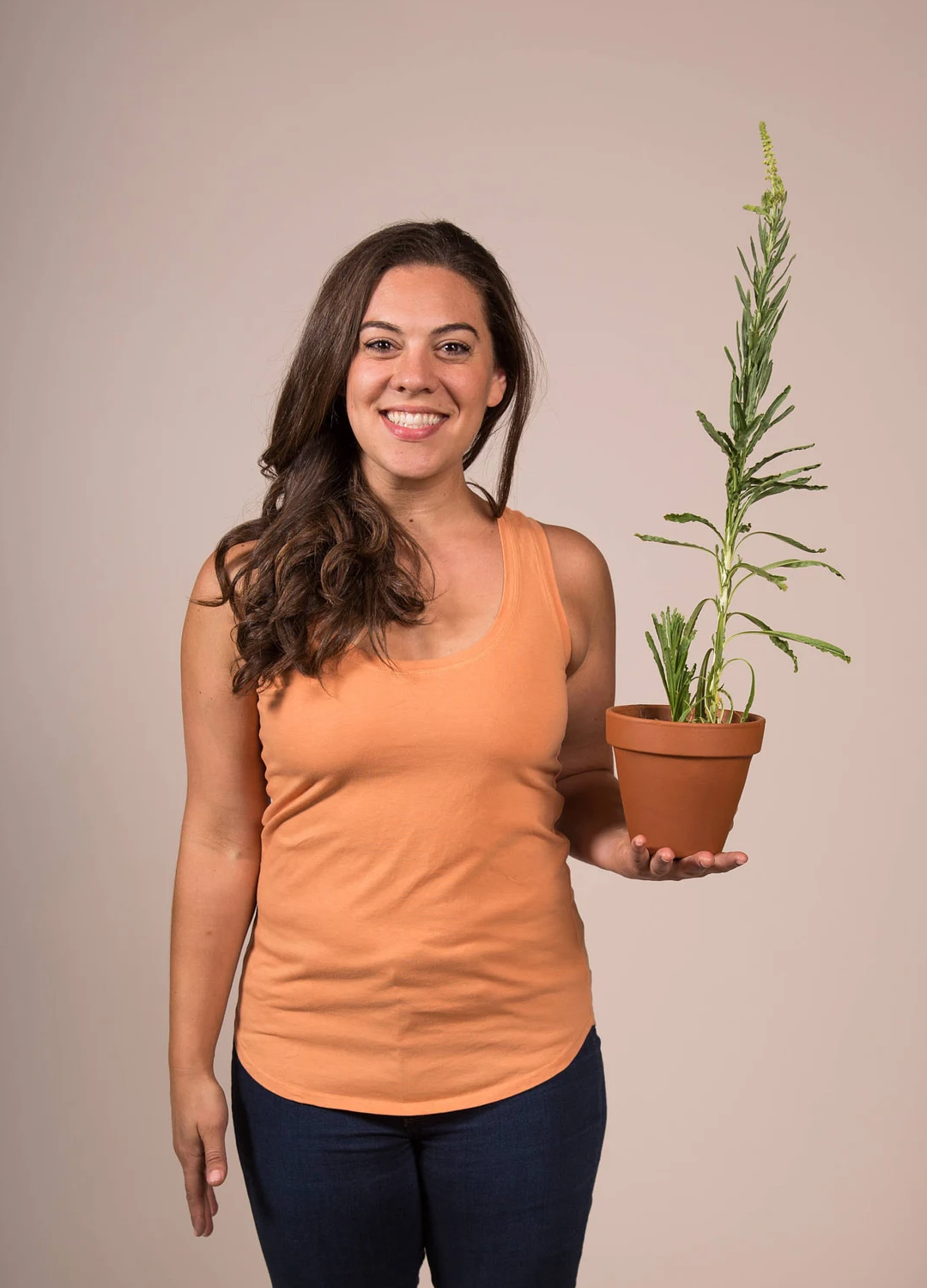
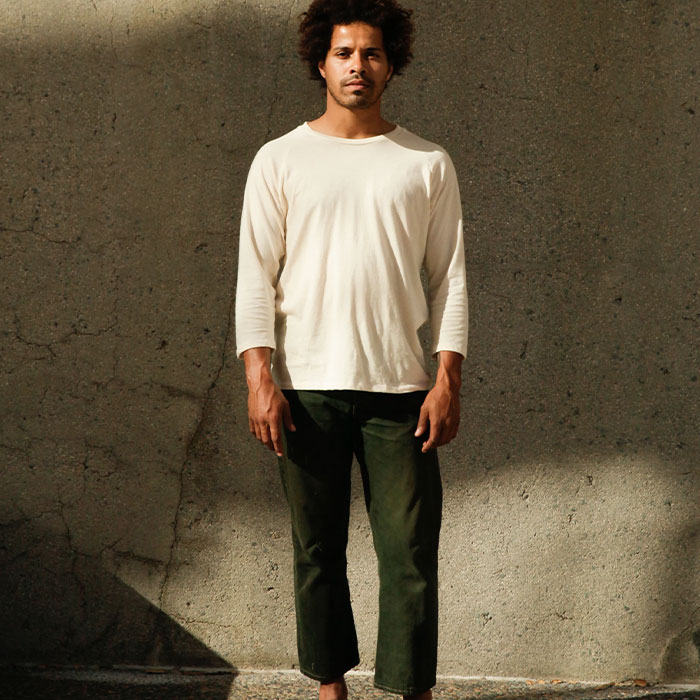
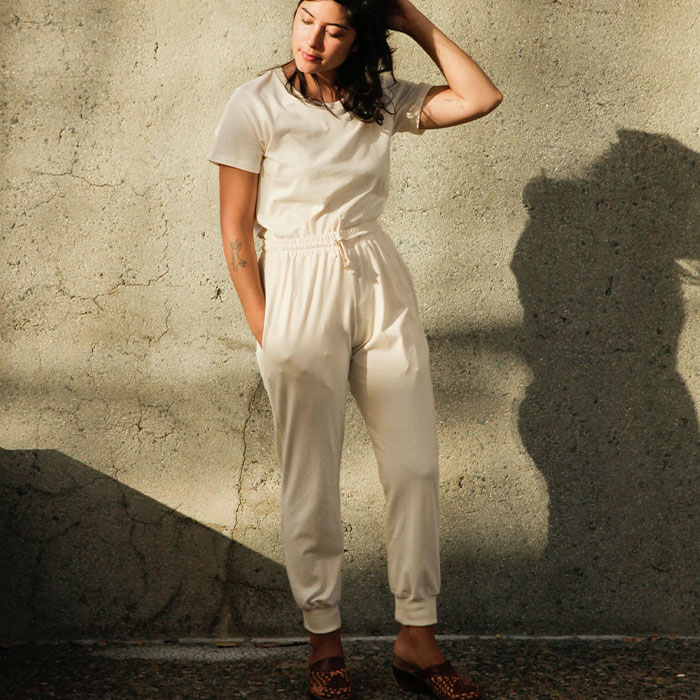
Sustain by Kat
100% natural from the fibre to the thread to the dye.
Every piece is organic and coloured with holistic, plant-based dyes rather than synthetic colour, and the brand is open about making locally in the US and supporting fair-wage artisan communities.
If you came for naturally dyed, slow-made, skin-kind clothing and you want that ethos in soft organic cotton instead of silk, this is where to look next.

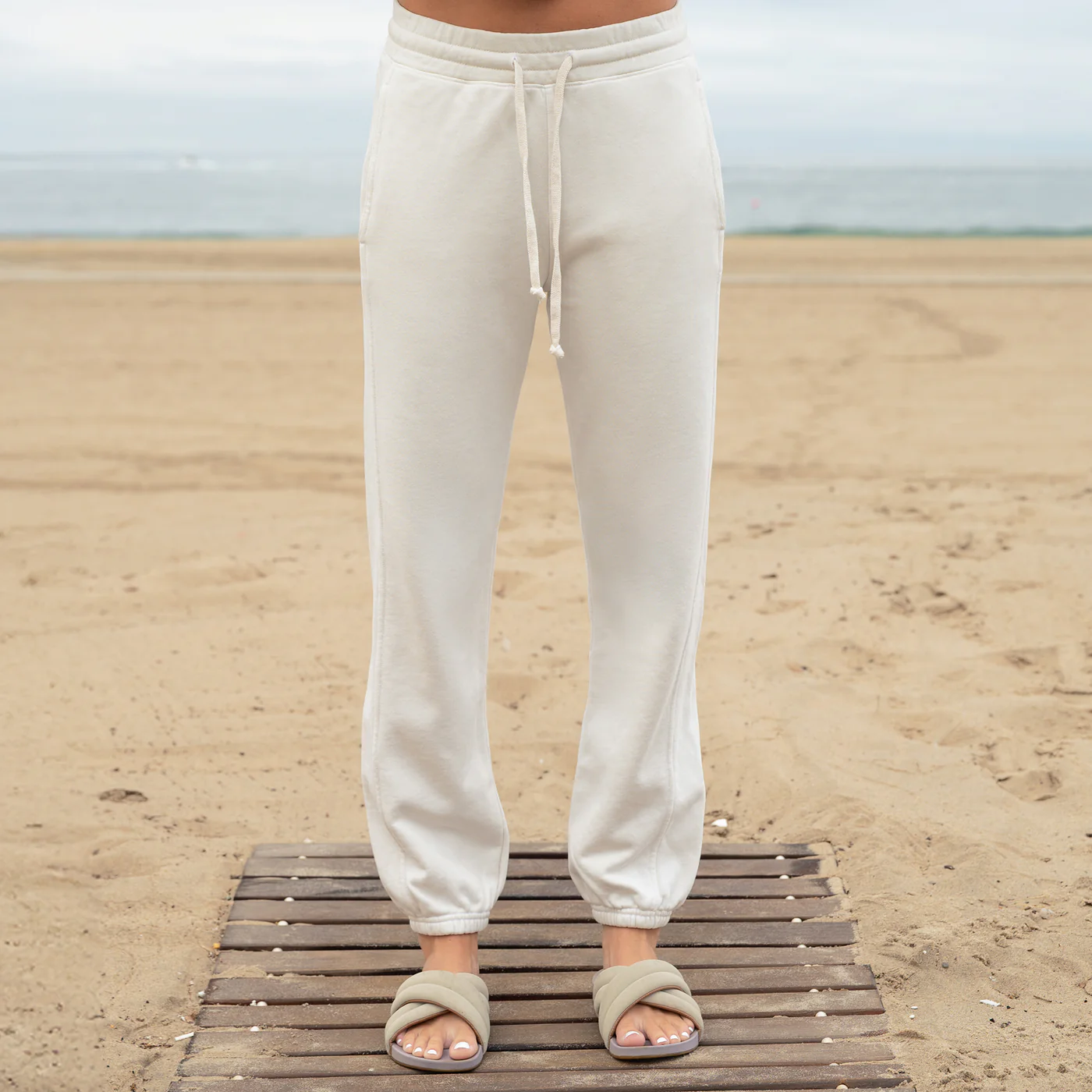
Best Sustainable Organic Cotton Basics And Joggers Brand
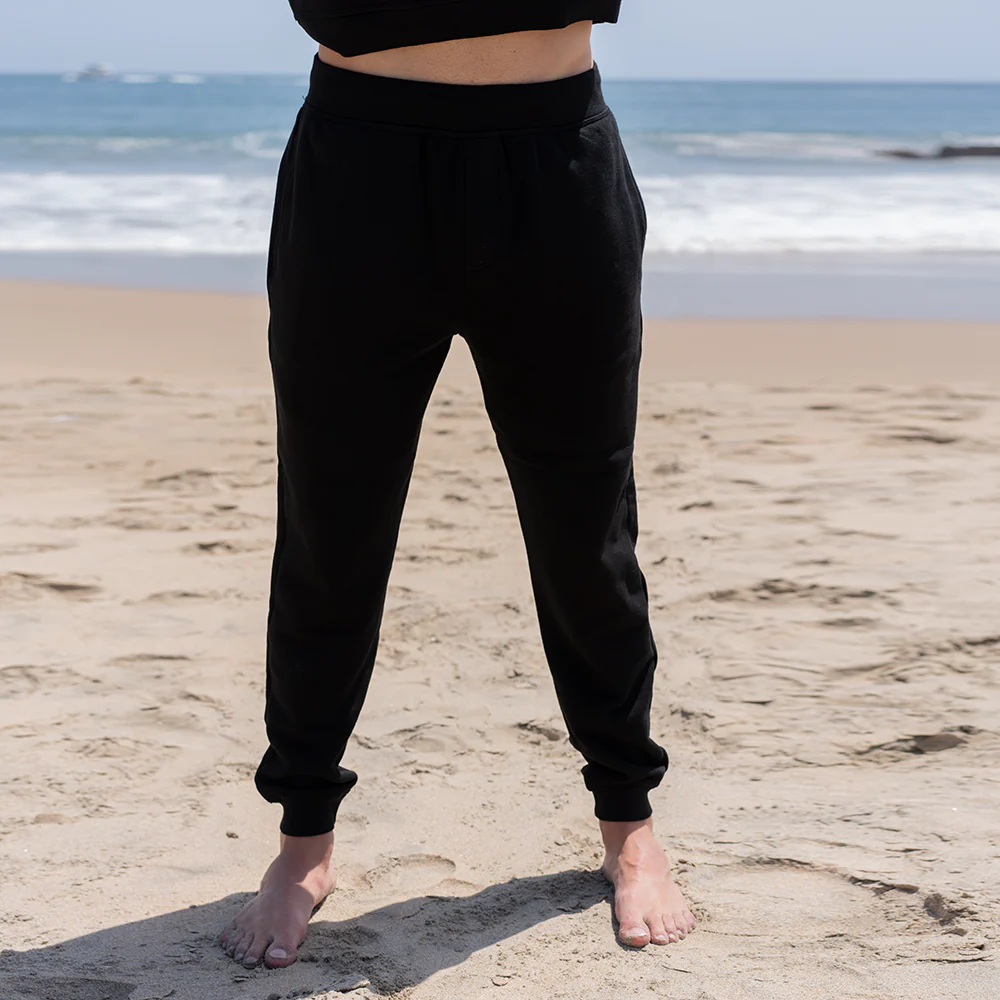
Harvest & Mill
Organic cotton basics grown, milled and sewn entirely in the USA on a “seed to stitch” model, direct from American farmers, heritage mills and local sewing teams.
Vegan and PETA-approved, with much of the range left undyed, plus low-waste cutting and compostable or recyclable packaging.

Best 100% Organic Cotton Tee, A Natural Fibre Alternative
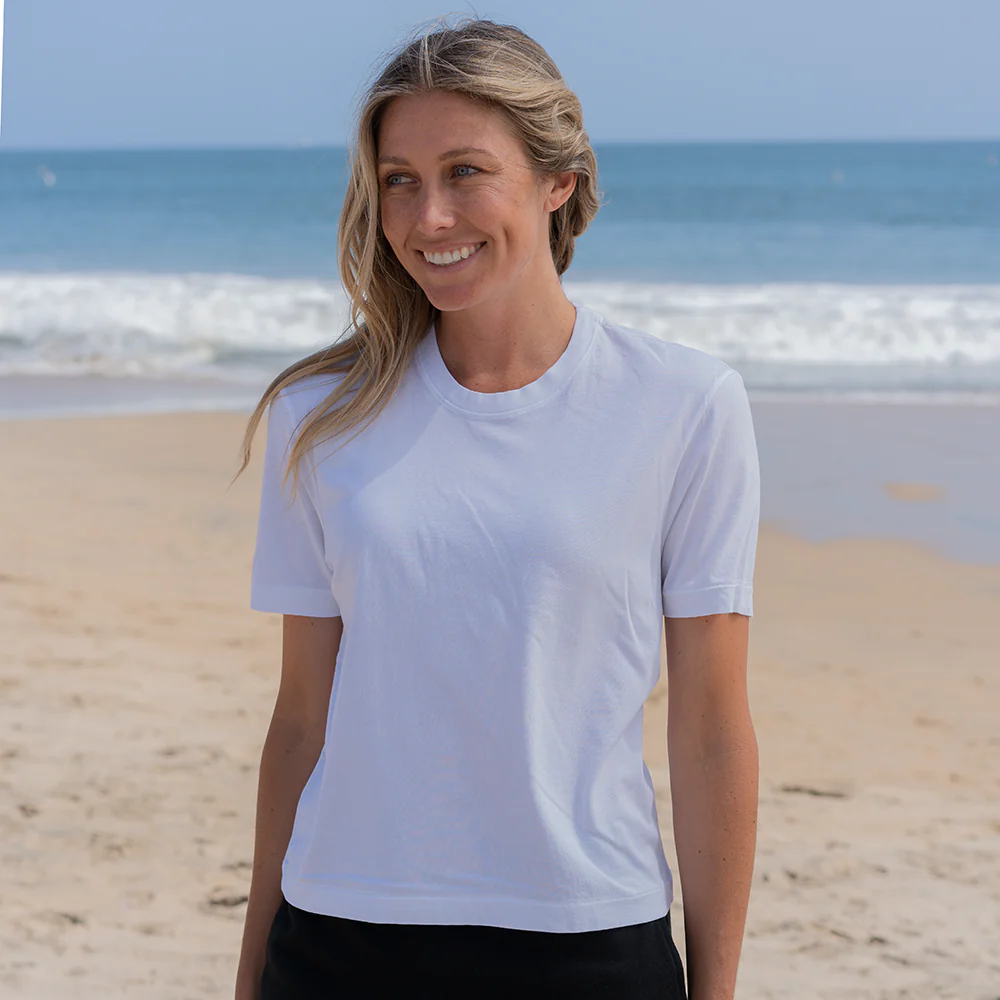
The Classic T-Shirt Company
Exactly what the name promises: a properly made tee in 100% organic cotton, sold on its own without a fast-fashion catalogue around it.
Every scanned style came back single-fibre organic cotton, so there is no elastane hiding in the collar.
What Hempalaya Gets Right About Ethical And Sustainable Fashion
Why a Hempalaya range is only part natural fibre, and how to read the labels
With a MIXED brand like Hempalaya, the honest move is to pick the pieces that genuinely earn the natural label and go in eyes-open on the rest. The pieces that earn it are Hempalaya’s hemp and hemp-cotton bags, backpacks, pouches, wallets, caps, belts and blankets, plus the one wild Himalayan nettle glove: 41 styles that are 100% plant fibre with nothing hidden in the blend. Buy those with confidence. The pieces that break it are Hempalaya’s hand-knitted wool line, the leg warmers, wrist warmers and fingerless gloves, which are New Zealand sheep wool and therefore animal fibre, not plant. The Hemp and Bamboo Scarf range is the other one to clock, because that 20% bamboo is regenerated cellulose rather than a fibre spun straight from the plant. And Hempalaya’s crochet winter beanie carries a polyester fleece lining, so it is the single synthetic-blend piece in the range. If you want Hempalaya at its most natural, stay in the hemp bags and accessories.
How Hempalaya Compares To Brands That Fail The Natural Fibre Test
Hempalaya sits a long way above a plastic fast-fashion label, and that context matters. Hemp is one of the most sustainable plant fibres going, and Hempalaya builds its core range from wild Himalayan hemp, hand-crafted in Nepal, which is about as far from a polyester-flooded high-street rail as an accessories brand gets. So none of this reads as a takedown of Hempalaya. But sitting above the worst is not the same as a clean pass. A clean pass on the Throne Standard scans 95% or more plant fibre, and Hempalaya scans 65.1%. The wool line and the bamboo scarves are what hold Hempalaya in the MIXED band rather than lifting it into a clean natural pass.
Is Hempalaya Clothing Good For Your Skin And Health?
Because Hempalaya is mostly plant, its materials-science catch is small and specific, and it is worth naming exactly. The Hemp and Bamboo Scarf range, 8 of Hempalaya’s 63 styles, is 80% hemp to 20% bamboo, and that bamboo is not the plant spun into thread. It is regenerated cellulose, a semi-synthetic fibre made by dissolving bamboo pulp in chemicals and extruding it back out along the viscose route, so it starts as a plant but reaches the yarn as a lab-processed fibre. That is why Hempalaya’s bamboo scarves are plant plus semi-synthetic rather than 100% plant. Separately, Hempalaya’s crochet winter beanie, 1 style, is lined with polyester fleece, and polyester is a true synthetic that sheds plastic microfibres in the wash. That is the whole of Hempalaya’s synthetic and semi-synthetic exposure: 8 semi-synthetic scarves and 1 synthetic-blend beanie out of 63. It is a narrow catch, not a plastic-heavy brand.
What Would Make Hempalaya Genuinely Sustainable And Plastic Free
How Hempalaya Could Pass The 100% Natural Fibre Test
Hempalaya stamps “100% natural, 100% vegan” across its range, and the fair thing to say is that the claim is accurate for most of what Hempalaya makes and stretched for the rest. For the hemp, hemp-cotton and nettle items, the 41 plant-only styles, “100% natural, 100% vegan” holds cleanly: those are plant fibre, no animal, no plastic. Where the blanket claim does not carry the whole catalogue is Hempalaya’s cold-weather lines. The hand-knitted line is New Zealand sheep wool, which is animal fibre, so it is neither plant-natural in the sense we use nor vegan. And the bamboo scarves are semi-synthetic, so “100% natural” overstates them too. This is not greenwashing in bad faith, because Hempalaya’s core really is plant, but the “100% natural, 100% vegan” line describes the hemp range, not the wool and bamboo pieces sold alongside it.
Who Owns Hempalaya, And Is The Brand Actually Sustainable
Hempalaya is a Nepal-made hemp bags and accessories brand, built on wild Himalayan hemp
The Throne Standard scan focused on fibre, so what we can stand behind about Hempalaya is the material and the craft, not a corporate profile. Hempalaya is a Nepal-made brand of wild Himalayan hemp bags and accessories, and that sourcing is the brand story: the hemp is wild Himalayan hemp, and the pieces are hand-crafted in Nepal. We do not have a verified founder, founding year, parent company or certification for Hempalaya, so we are not going to attach any, because inventing that detail would undercut the point of the scan. What we can say plainly is that Hempalaya’s identity rests on wild Himalayan hemp and Nepali hand-craft, and the fibre scan bears that out for the 41 plant-only styles at its core.
Is Hempalaya Legit And Actually Sustainable? The Fibre Verdict
Hempalaya is MIXED at 65.1% natural across 63 styles. The hemp core is strong and genuinely natural, but the wool line and the bamboo scarves pull Hempalaya below a clean pass. Buy the Hempalaya hemp bags and accessories with confidence, and go in eyes-open on the wool and the bamboo.
Want the receipts?
Download the Hempalaya data sheet and browse every brand’s raw material data at the clothing data hub.