Is Fair Indigo Sustainable And Non Toxic Clothing? The Fair Indigo Fibre Data
What Is Fair Indigo Made Of? Fair Indigo Uses 100% Organic Cotton
The Fair Indigo catalogue is built on certified organic Peruvian Pima cotton, and most of it is exactly that.
Of the 87 live styles Hold The Throne scanned, 53 came back as 100% organic cotton, which is the clean natural core that earns the brand its name.
The gap sits in the rest of the range.
Here is how the fibres actually split across the live catalogue: 60.9% (53 styles) are 100% organic cotton, fully natural and exactly what you would hope for from a brand built on Pima. 33.3% (29 styles) are organic cotton blended with synthetic, meaning a few percent of spandex is mixed into the cotton for stretch and shape. 5.7% (5 styles) are alpaca, an animal fibre a world away from the cotton story: two are 100% alpaca and three are alpaca blended with synthetic.
Add the plant fibre together and you land at 60.9% organic cotton, the natural-fibre figure the Throne Standard reads, because the spandex blends do not count toward natural.
That is a real organic backbone, and it is also why this is a MIXED brand and not a clean pass.
The spandex content is small per garment, often only 3% to 5%, but it is spread across more than a third of what they sell.
You can read that pattern the same way you would on the Mate the Label data report, where an organic core sits right next to elastane blends, and you can shop the full Fair Indigo range from the Fair Indigo listing.
Fair Indigo Fibre Composition: What Fair Indigo Clothes Are Made Of
Fair Indigo last fibre scan: 13 June 2026
Sustainable Clothing Brands Like Fair Indigo, Natural Fibre Alternatives
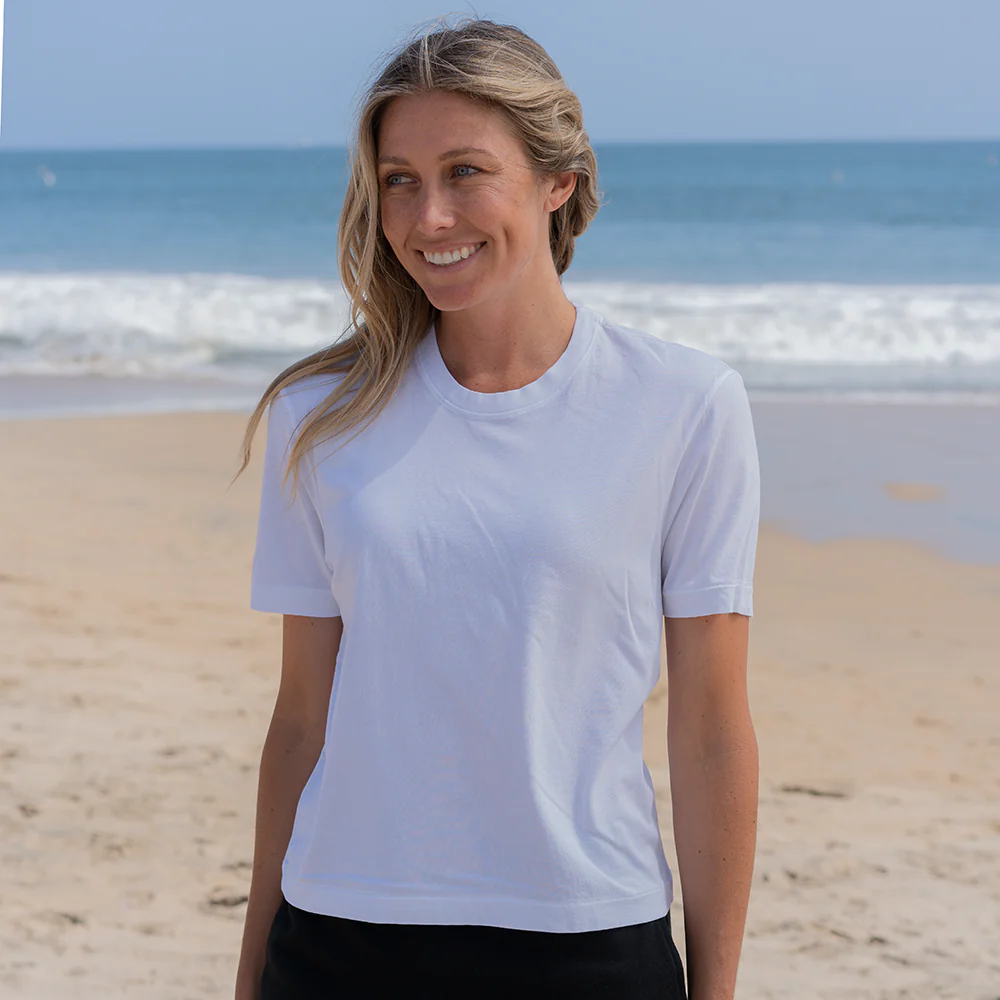
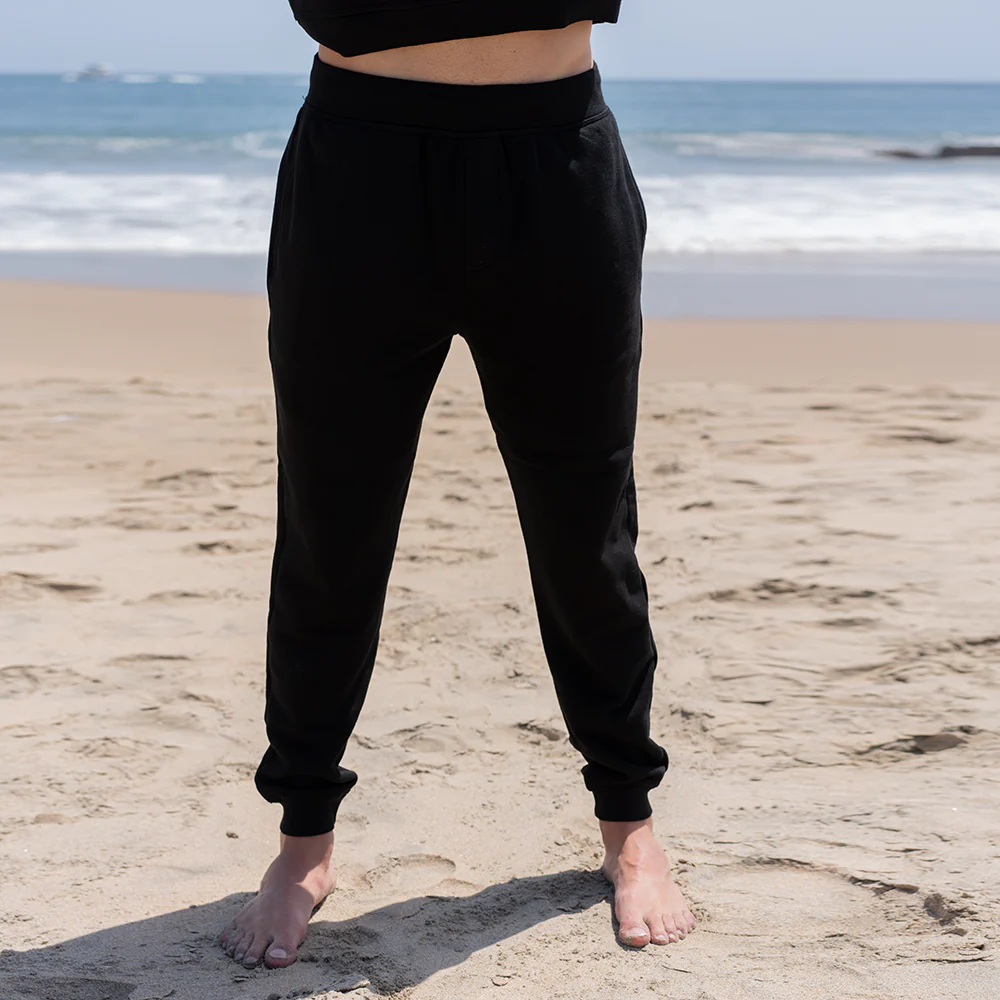
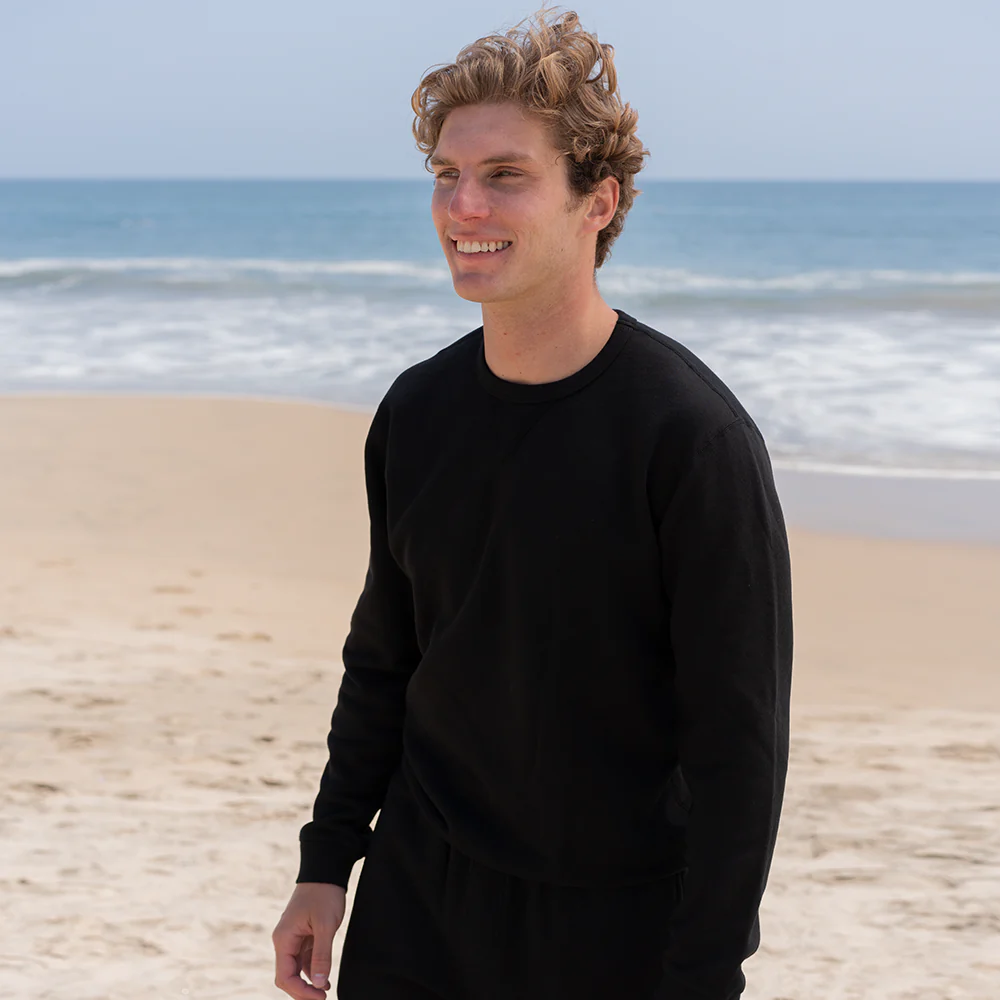
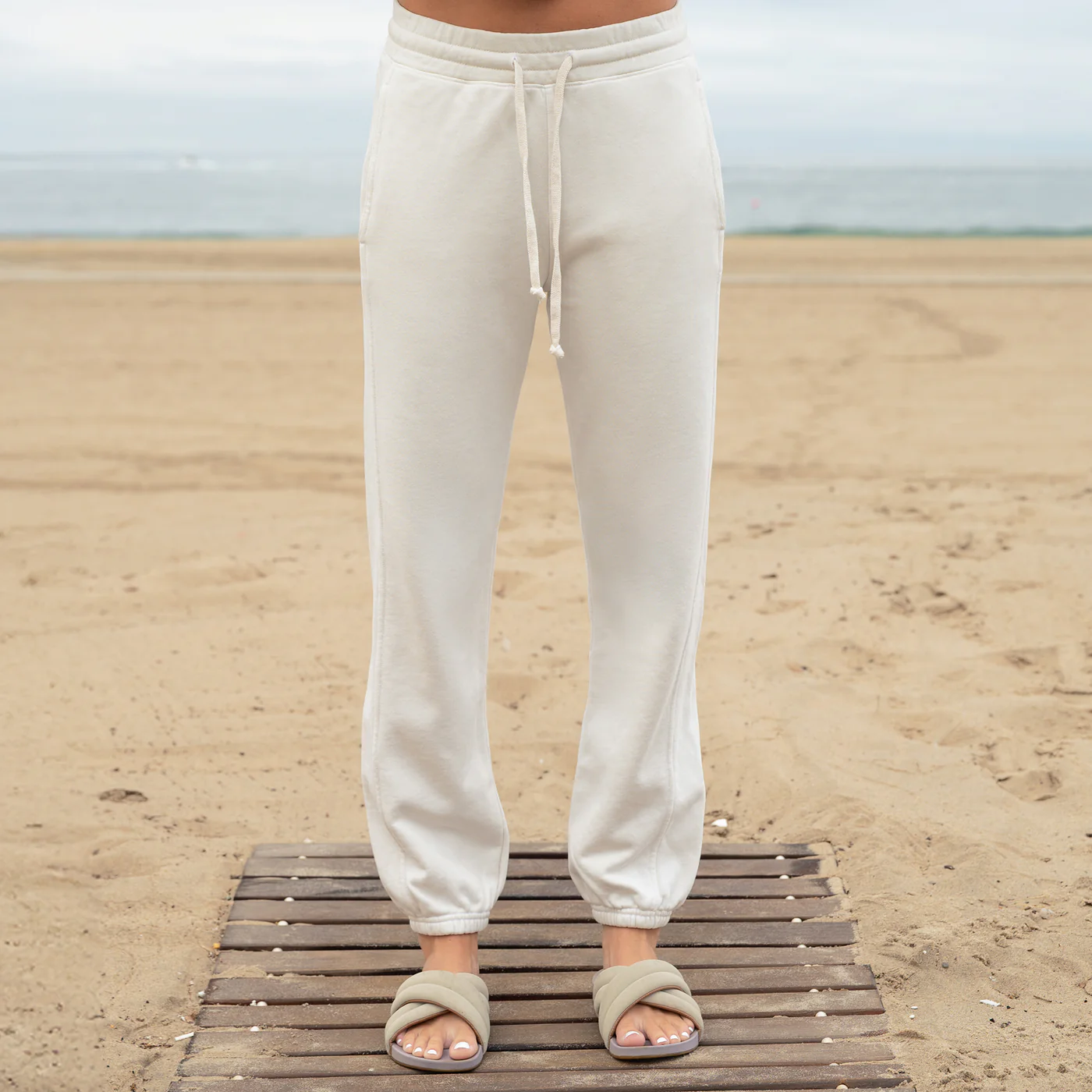
Best 100% Organic Cotton Tee, A Natural Fibre Alternative
The Classic T-Shirt Company
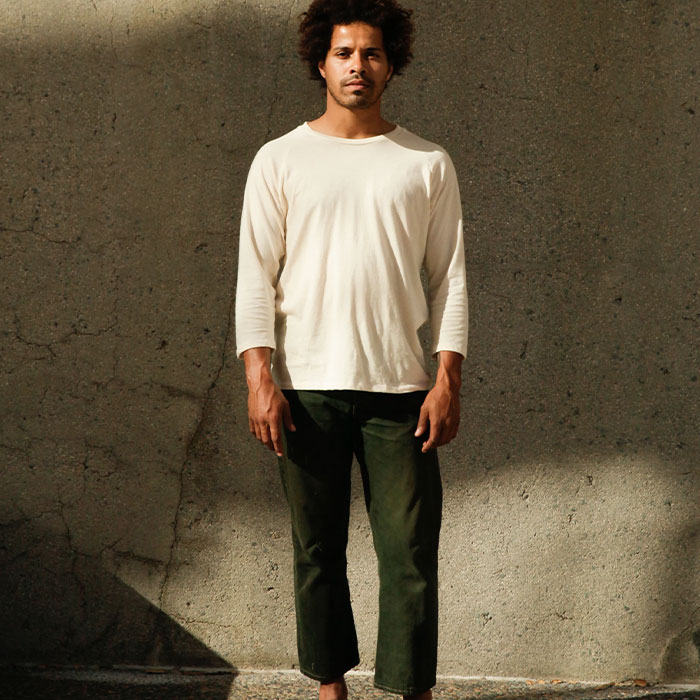
Exactly what the name promises: a properly made tee in 100% organic cotton, sold on its own without a fast-fashion catalogue around it.
Every scanned style came back single-fibre organic cotton, so there is no elastane hiding in the collar.

Best Sustainable Organic Cotton Basics And Joggers Brand
Harvest & Mill
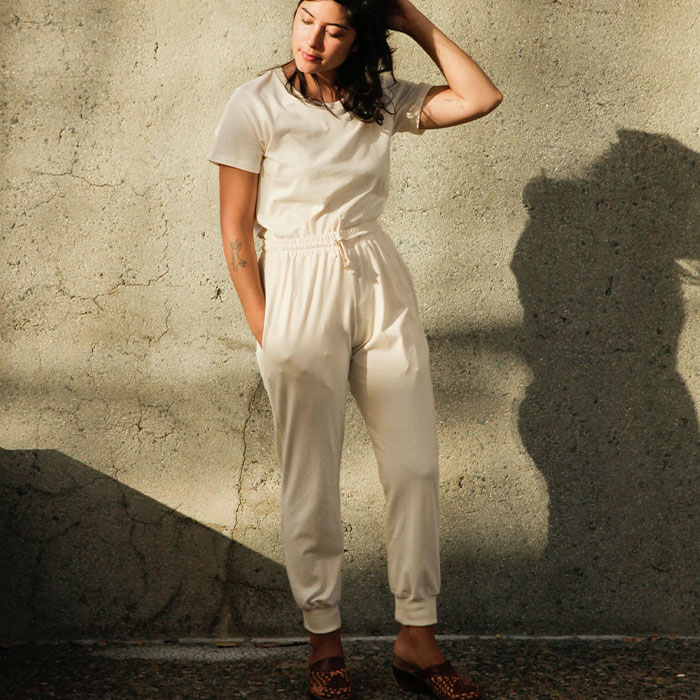
Organic cotton basics grown, milled and sewn entirely in the USA on a “seed to stitch” model, direct from American farmers, heritage mills and local sewing teams.
Vegan and PETA-approved, with much of the range left undyed, plus low-waste cutting and compostable or recyclable packaging.

Best Compostable Sustainable Underwear, Plastic Free
KENT
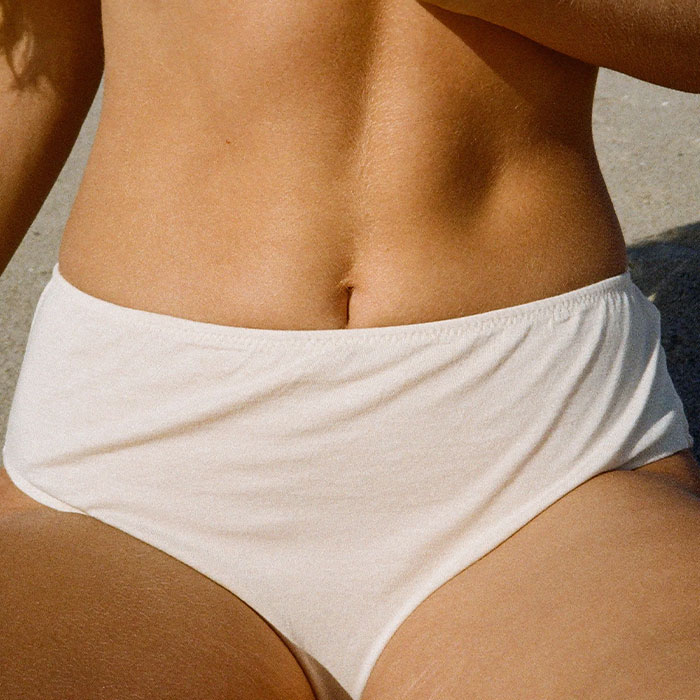
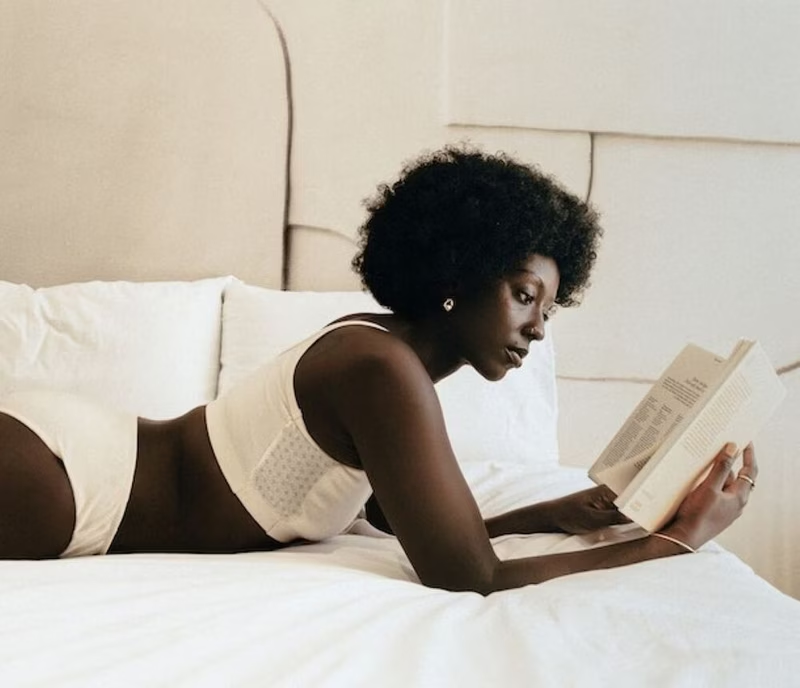
The world’s first verified compostable underwear.
100% GOTS-certified organic pima cotton with no spandex, nylon, elastane or polyester, designed to return to the earth in 90 days.
Free of plastics, pesticides, PFAS and petrochemicals, right down to the packaging.
What Fair Indigo Gets Right, And Where Fair Indigo Uses 100% Organic Cotton
Why a Fair Indigo outfit is mostly natural fibre, but read the label first
I will be straight with you, because a MIXED brand does not get the clean head to toe outfit story.
You cannot pull a Fair Indigo outfit off the rack and assume it is plastic free the way you can with a fully traceable passer, even when the name says fair and the cotton is real.
What you can do is read each style before you buy.
The 53 styles that scanned 100% organic cotton are the genuine article and make a lovely, breathable everyday outfit:
- A 100% organic Pima cotton tee or boat neck top for the base layer.
- The 100% cotton pocket leggings or pull on pants, the ones Fair Indigo makes without any spandex at all.
- An organic cotton cardigan or simple dress to layer over the top.
Where you have to slow down is anything described as ribbed, shaping, fitted or extra stretchy.
That is where the 3% to 5% spandex shows up, including some of their most popular leggings. On Fair Indigo that is more than a third of the range, so the outfit is mostly natural, but only if you check the composition on each piece rather than trusting the brand name to do it for you.
How Fair Indigo Compares To Brands That Fail The Natural Fibre Test
To be fair to Fair Indigo, this is not a plastic brand wearing a green badge.
At 60.9% natural plant fibre it sits comfortably above the failing end of the directory, where polyester, nylon and elastane make up the bulk of the cloth rather than a small blend.
The brands that truly fail the fibre test scan under 40% natural, with synthetic as the main material and cotton as the afterthought.
Fair Indigo is the reverse of that.
Its core is genuine organic Pima cotton, the spandex is the minority, and a clear majority of styles carry no plastic at all.
But MIXED is still a real distance from clean.
A fully traceable passer scans 95% or higher with the supply chain documented past the certificate.
Fair Indigo scans in the mid sixties, with stretch blends on more than a third of the range and the farm sourcing described warmly rather than mapped.
It beats the worst offenders easily, and it still does not reach the shelf where the clean brands sit.
You can see exactly where every brand lands in the clothing data hub.
Fair Indigo Is Mostly 100% Organic Cotton, Is That Good For Your Skin And Health?
This is the part Fair Indigo gets genuinely right on its 100% cotton styles and genuinely wrong on the blended third.
A legging that is only 3% spandex is still a legging that sheds plastic into the wash and into your home, every cycle, for the life of the garment.
Cotton sheds cotton, and that is the whole reason to favour the pure organic styles over the stretch ones.
It is also the case for lifting above blend heavy brands entirely.
A genuine clean passer like the brands we scan in full gives you the natural fibre with none of the plastic micro shed, and that is the bar a fair, organic brand should be clearing on every style, not on most of them.
What Would Make Fair Indigo Pass
The one that stopped me is on Fair Indigo’s own blog about their 100% cotton leggings, where the brand promises the fabric is “Free from spandex and plastic-based fibres” with “Zero spandex or plastic fibres” and “No microplastics released in the wash.” That raises a flag.
It is a beautiful, true claim, but it is true of one collection while the same catalogue openly sells the opposite.
The scan confirms the contradiction: 29 of 87 live styles came back as organic cotton blended with spandex, including some of their best selling ribbed leggings at 97% cotton and 3% spandex. You cannot build a whole page on zero plastic fibres and no microplastics in the wash while a third of what you sell sheds exactly that.
The 100% cotton line is genuinely great.
A brand making that promise so boldly should make it just as loudly clear, on every blended product, that those styles do contain plastic and do shed it.
The rest of the gaps:
- Fair trade is self described, not certified. Fair Indigo states its workers are “paid a fair and living wage and treated like family,” and the word fair is in the brand name, but we could not find a third party Fair Trade certification, a published living wage figure, or a formal supplier code of conduct on the site. The ethics are told as a family story rather than documented to an auditor, so a buyer has to take the warmth on trust.
- Named farms, but no public farm trail. The brand describes cotton grown on two family farms in the Pisco and Chiclayo regions of Peru, which is more than a bare logo and genuinely to its credit. But it stops short of a published, verifiable farm to factory map, and GOTS certification still covers components and is described as in process across all workshops rather than fully complete.
- The no pilling promise is overstated. Fair Indigo claims its Pima cotton fibres “endure beautifully for years without pilling.” Long staple Pima genuinely pills less than cheap cotton, but no jersey knit, and certainly no cotton spandex blend, pills never. That is a marketing absolute the fabric cannot fully keep.
Who Owns Fair Indigo, And Is Fair Indigo Actually A Sustainable Brand?
Fair Indigo is owned by its founders, with no fashion conglomerate behind it
Fair Indigo is an independent, privately held brand founded in 2006 by former Lands’ End executives, among them Bill Bass and Robert Behnke, before starting a fair trade clothing company of their own.
Fair Indigo sits under the Black Wolf Group holding company, co-founded by its own co-founder Bill Bass, but there is no fast fashion conglomerate above it, and that independence from fast fashion is genuinely in its favour.
On the do they practise it question, the picture is mixed in the same way the fibres are.
The community side is real and documented.
The Fair Indigo Foundation supports education in the Peruvian communities where the clothes are made, funding teacher hiring, building improvements and school supplies for two schools through customer donations.
Production is concentrated in a small batch Lima workshop with named long term partners, and several makers have stayed for ten to twenty years, which is the kind of stability a fair wage tends to buy.
That is practised, not just posted.
Where the preaching outruns the practice is proof.
A brand with the word fair in its name should be the most open about its wage floor and its supply chain, and Fair Indigo stops at warm description.
No published living wage number, no third party Fair Trade audit, no formal code of conduct, and a zero plastic blog that the blended styles quietly contradict.
The heart reads as real, but the receipts are thinner than the branding suggests.
Is Fair Indigo Legit And Sustainable? Fair Indigo And The Fibre Verdict
Fair Indigo is a real, independent organic cotton brand with a genuine foundation, named Peruvian farms and a long standing Lima workshop, and most of its catalogue is exactly what it says.
But it is not the spotless plastic free pass the marketing implies.
Hold The Throne scanned all 87 live styles and the catalogue came back 60.9% natural plant fibre, a MIXED verdict, with spandex blended into more than a third of the range and a zero plastic blog those blends openly contradict.
Buy it if you read each label and stick to the 53 styles that scan 100% organic cotton, and if you value a small founder owned brand that funds schools where it sews.
Be cautious if you want a guaranteed plastic free wardrobe, because the brand name and the no microplastics blog will not tell you which styles are blended, only the composition will.
Made in Peru on Pima cotton rather than the higher risk supply chains, the organic claim is more credible here than most, but fair trade stays self described rather than certified, so it earns respect, not a clean vouch.
You can compare it against the fully traceable brands from the Fair Indigo listing and the rest of the directory.
In her StyleCaster write up, Maya Gandara rounded up buyers calling the leggings “wonderfully soft,” with one shopper saying they are “so comfortable that I sometimes wear them as pajama bottoms” and another that they “wash well and I love that they have no lycra in the fabric.” The most useful critical voices are harsher and come from the aggregator WorthePenny, where Fair Indigo carries a rough 1.1 out of 5 across a small batch of reviews: one buyer, judysaulnier, wrote that “sizing felt really misleading,” another, hello_michele, that a piece “feels rough, not very comfy,” and Randall_burns that it “looked good at first, but didn’t last,” with more complaints about colour accuracy, slow updates and the hassle of returns.
Reviews are limited in number, so weigh them lightly, but the pattern is honest.
That is the real trade: a soft, mostly organic, big hearted brand with thin third party proof and uneven fulfilment. You can cross check the fibre data any time in the clothing data hub.
Want the receipts?
Download the Fair Indigo data sheet and browse every brand’s raw material data at the clothing data hub.