Community Clothing Brand Review Based on Data Analysis
What Materials Does Community Clothing Use? Natural Fibre Or Synthetic
Of the 350 live Community Clothing styles the split is:
- 72.9% 100% plant fibre (255) cotton, linen or hemp. 12.3% 100% wool (43) British knitwear, but wool is animal hair, not a natural fibre, so it does not count as natural plant fibre. 9.4% cotton and synthetic blends (33) cotton cut with polyester, nylon or elastane. 3.7% other or unclear (13). 1.1% animal and synthetic blends (4). 0.6% plant, semi-synthetic and synthetic blends (2). The plant fibres, cotton, linen and hemp, give Community Clothing 72.9% natural plant fibre.
The 12.3% wool is excluded as animal hair, not a natural fibre; the 9.4% blends and 3.7% unclear are excluded too.
Community Clothing Fibre Composition: What Community Clothing Clothes Are Made Of
Community Clothing last fibre scan: 13 June 2026
Sustainable Clothing Brands Like Community Clothing, Natural Fibre Alternatives

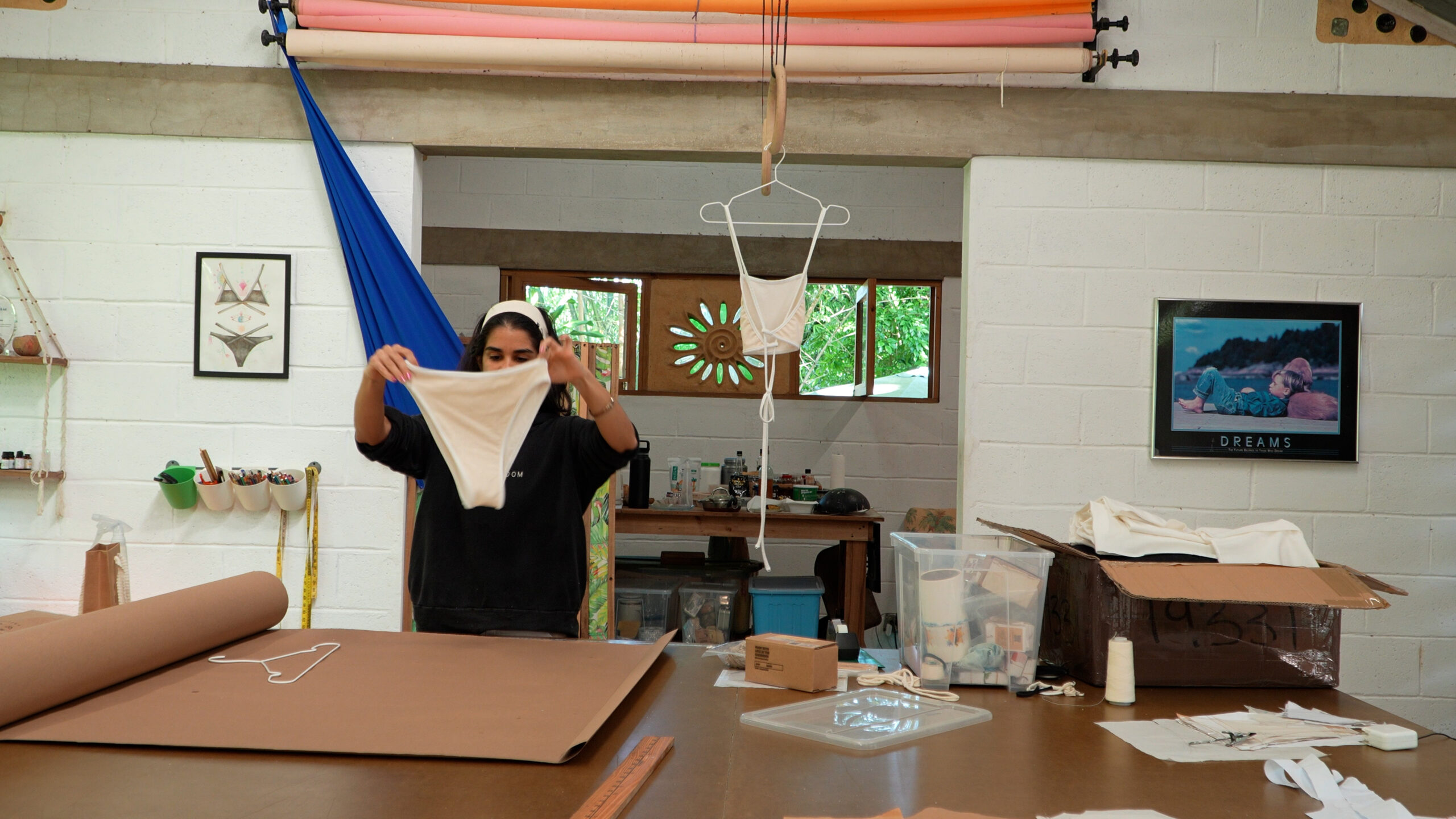
Best Handwoven, plant-dyed craft clothing
Story MFG
Almost everything, from the organic cotton to the dye plants, grows within a few miles of their studio, then it is handwoven and naturally dyed with indigo, madder and other plants.
That short, visible supply chain is exactly the kind of traceability past the certificate that the Throne Standard rewards.
It is handwoven organic cotton rather than silk, so expect texture and slow-made variation, which is the whole point.

Best Fairtrade GOTS organic cotton
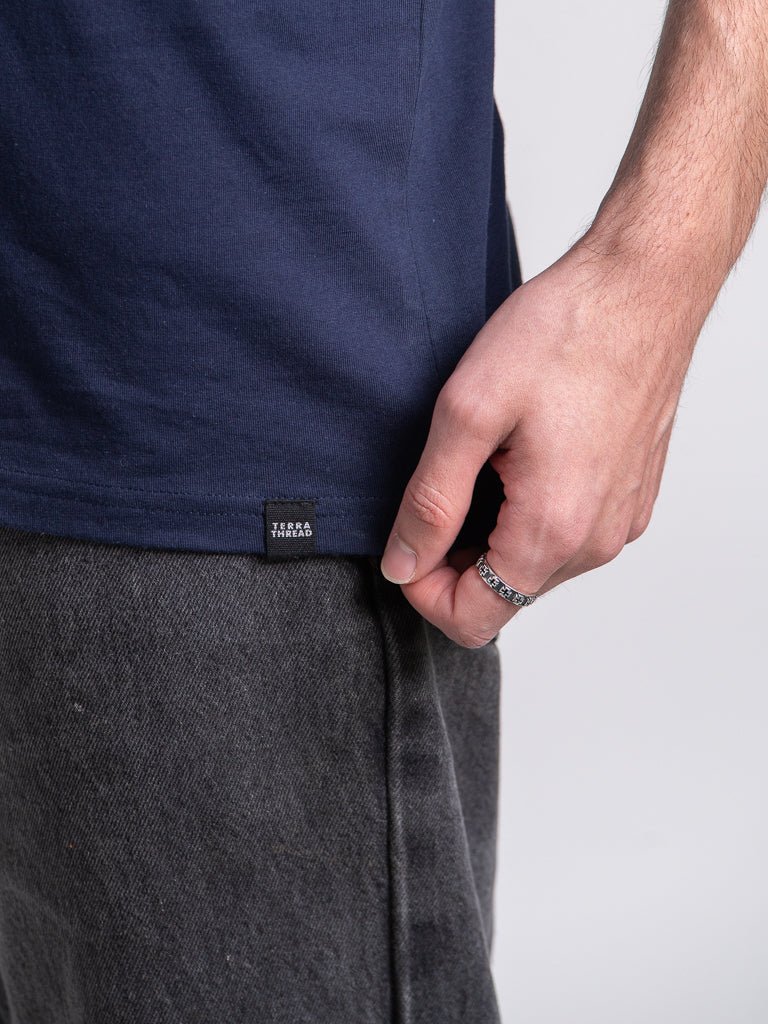
Terra Thread
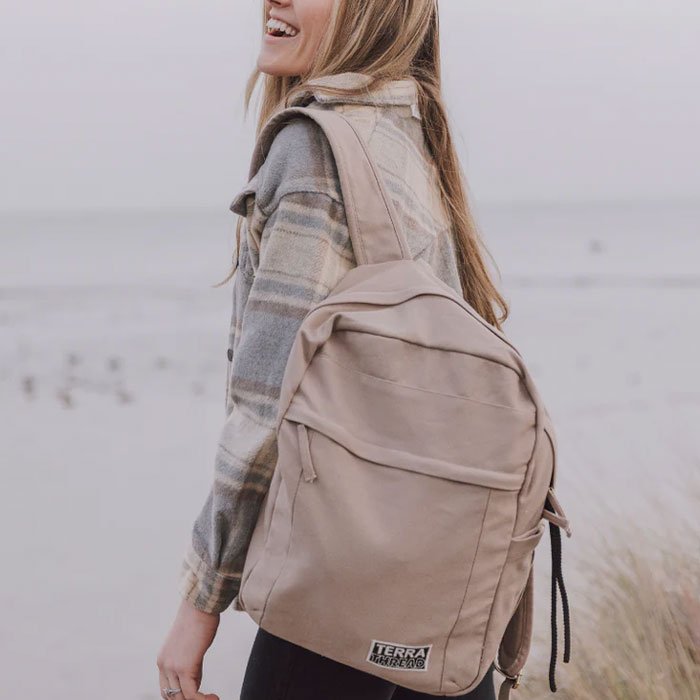
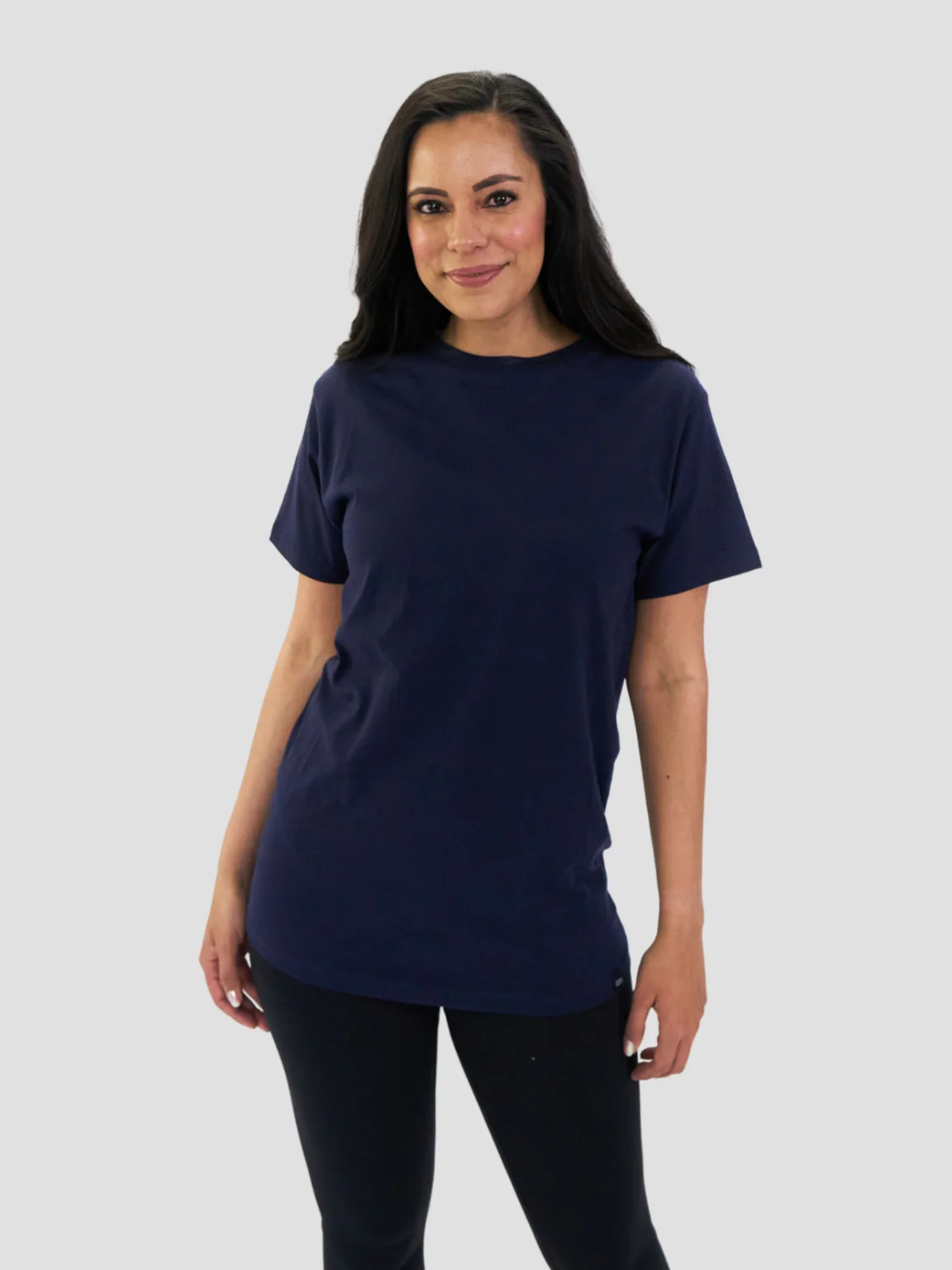
Fairtrade-certified, GOTS organic cotton tees, totes and bags at an honest price.
The Throne Standard scan found the clothing range 100% organic cotton, with no synthetic blend column to watch for.
Best Sustainable activewear
Eco Aya
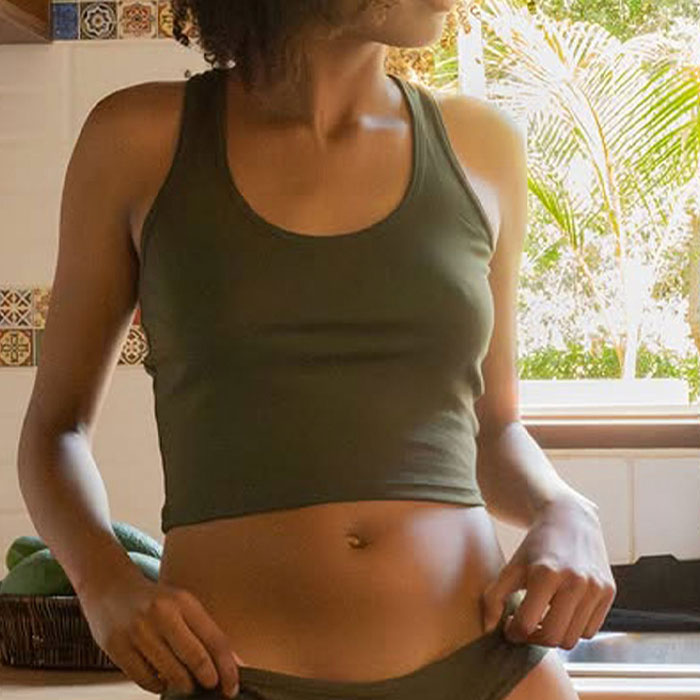
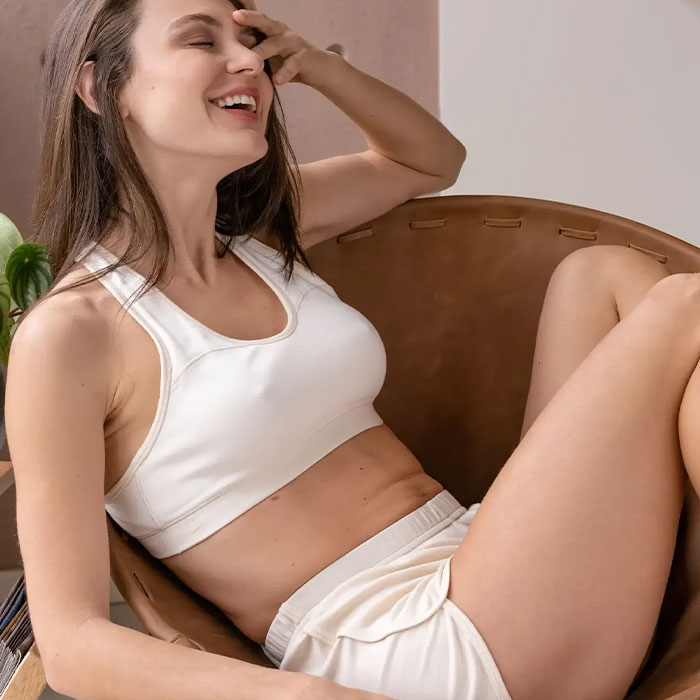
100% plastic-free clothing made from regenerative organic Pima cotton, with the entire supply chain based in a single origin: Peru.
No polyester, nylon, acrylic or elastane, so the fabric sheds zero micro or nano fibres.
What Community Clothing Gets Right About Sustainable Fashion
Is Community Clothing Natural Fibre Clothing Or A Synthetic Blend?
I want to be straight with you, because a brand that sits at 72.9% natural plant fibre does not earn the head-to-toe clean outfit we give a true pass.
The clean version is easy enough:
- A 100% organic cotton tee from the certified slice of the range.
- A pair of 100% cotton jeans from the plain-cotton backbone, no stretch.
- A 100% cotton overshirt layered over the top, from the plain-cotton backbone.
That stack is fully natural plant fibre and genuinely lovely.
The trap is the next reach, because roughly one style in eleven on the rail is a cotton and synthetic blend, the wool knitwear is animal hair rather than plant fibre, and a handful more styles sit in the unclear column.
Grab a stretch jean or a blended sweat without checking and you have quietly put polyester or elastane back on your skin.
With Community Clothing the outfit can be clean, but the brand will not do the filtering for you.
How Community Clothing Compares To Brands That Fail The Natural Fibre Test
Set Community Clothing next to the fast-fashion racks and it is not a fair fight.
The typical high street rail is now more polyester than cotton, shedding microfibre from the moment you put it on.
At 72.9% natural plant fibre, Community Clothing is in a different league. The honest comparison is not against the worst of the market, it is against the best.
A true Throne Standard pass means 95% natural plant fibre or higher with the composition stated cleanly on every style.
Community Clothing’s 9.4% synthetic blends, its 12.3% wool (which is animal hair, not natural) and its 3.7% of unclear compositions are the difference between a strong brand and a spotless one.
For the contrast in the other direction, our Mate the Label data report shows what a heavily blended catalogue looks like once you scan it.
Community Clothing is far closer to the clean end than that, it simply has not closed the last stretch.
Is Community Clothing Clothing Good For Your Skin And Health?
This is why the last 27.1% of Community Clothing’s range matters more than the percentage suggests.
A blended jean or sweat is the one garment in the wardrobe quietly putting synthetic fibre against your skin for hours at a time.
The fix is not to abandon the brand, it is to read the label and stay in the cotton and linen columns, the plant fibres (the wool is animal hair, not natural, so it sits outside that clean plant group).
If you want the version with nothing to filter at all, lift above the blends entirely and browse the fully natural passers in the clothing data hub.
What Would Make Community Clothing Genuinely Sustainable And Plastic Free
The one that stopped me is in their own words.
Community Clothing tells shoppers their garments are made “almost exclusively from sustainable, natural, biodegradable materials.” That raises a flag, because the scan found 33 styles cut with polyester, nylon or elastane, and those plastics are not biodegradable by any honest definition.
The word “almost” is doing a lot of quiet work for a brand that builds its name on plain honesty.
A few more gaps worth naming:
- Most of the cotton is conventional, not organic. The marketing leans hard on “sustainable” and “natural,” yet most of that plant fibre is conventional cotton rather than certified organic. Conventional cotton is one of the most chemically sprayed crops on earth, so the “natural” framing is true on fibre but soft on farming.
- The blended styles should say so up front. A brand this proud of transparency could flag every synthetic-blend garment clearly at the top of the listing, rather than leaving the shopper to scan the composition line.
- The 3.7% unclear slice. Thirteen styles did not state a clean composition. For a label that prints “we are transparent and honest about all of our sourcing,” the missing fibre detail on a tenth of the range is the easiest fix on this list.
It makes them a strong brand whose copy promises a touch more purity than the rail delivers, and a clean brand fixes its own wording.
Who Owns Community Clothing, And Is Community Clothing Actually A Sustainable Brand?
Community Clothing is owned by Patrick Grant, and the social enterprise behind it
Community Clothing is owned and was founded in 2016 by Patrick Grant, the Savile Row tailor and Great British Sewing Bee judge, run as a social enterprise out of Blackburn, Lancashire.
Grant also owns Cookson & Clegg, a Blackburn factory dating to 1860 that he bought after it lost its British military contract, and that factory became the engine room of the whole project.
Here is where Community Clothing earns real credit.
The entire business model exists to keep British textile workers employed.
They make garments in the quiet seasons when factories would otherwise sit idle, which means steadier work and fewer zero-hours contracts for the people sewing.
Grant has said plainly that they “manufacture in a way that isn’t harmful and allows us to afford to give the people who make it a good rate of pay.” They run on a markup that is roughly a third of what comparable brands charge, spend under 5% on marketing, refuse Black Friday, and produce across more than 30 UK factories, several in some of the most economically deprived areas of the country.
This is one of the rare brands whose ethics live in the supply chain, not just the about page.
The asterisk is the fibre.
The same honesty that drives the jobs mission has not quite reached the marketing language on materials, and that is the gap this report exists to flag.
Is Community Clothing Legit And Actually Sustainable?
Community Clothing is a real, ethically run British manufacturer, and on jobs, fair pay and made-in-the-UK production it is the genuine article.
On fibre, the Throne Standard scan puts it at MIXED, not a clean pass.
72.9% natural plant fibre is a strong result, but the 9.4% synthetic blends, the 12.3% wool (which is animal hair, not natural), the 3.7% unclear compositions and the conventional-cotton majority mean it does not clear the 95% bar, and its own “almost exclusively biodegradable” line oversells what the rail actually holds.
Buy it if you want hardwearing British-made staples and you are willing to read the label and stick to the 100% cotton and linen styles, which are excellent value and genuinely natural plant fibre (the wool is animal hair, not a natural fibre).
Be choosy if you assumed the whole range was plastic-free, because a slice of it is not.
On Trustpilot the brand averages an Excellent 4.7 out of 5 across its UK reviews, with buyers praising value and make.
On Mumsnet, poster Bailiwitch called the knitwear “outstandingly good value,” and MousePolice noted the “sweatshirts are thick, well made and true to size.” The critical side is real too: the Canadian Trustpilot page sits at a middling 2.9 out of 5, and reviewers there flag inconsistent sizing, fabric that needs pre-shrinking, and slow customer service with no phone line.
You get British-made, mostly-natural clothes built to last, the cost is uneven sizing and a marketing story slightly cleaner than the fibre.
Compare it for yourself against the verified passers on the Community Clothing listing and the wider clothing data hub.
Want the receipts?
Download the Community Clothing data sheet and browse every brand’s raw material data at the clothing data hub.