Is Known Supply Sustainable And Non Toxic Clothing? The Known Supply Fibre Data
What Is Known Supply Made Of? Known Supply Uses 100% Organic Cotton
Known Supply is built on organic cotton, and the scan confirms it is the backbone of the range.
Of the 257 live styles, 183 are 100% organic cotton.
That is 71.2% of the catalogue made from a single clean, plant fibre, which is genuinely strong for a brand this size.
The plastic creeps in around the edges.
The Throne Standard scan found: 183 styles (71.2%) 100% organic cotton, the clean core of the brand 58 styles (22.6%) organic cotton blended with a synthetic such as elastane or polyester 12 styles (4.7%) 100% synthetic, with no natural fibre at all 2 styles (0.8%) 100% semi-synthetic Tencel, modal or cupro 1 style (0.4%) organic cotton blended with a semi-synthetic 1 style (0.4%) other or unclear composition Add it up and 71.2% of Known Supply lands as natural plant fibre.
That is a comfortable pass on the cotton core and a clear miss on the promise of a fully clean wardrobe.
A blend with elastane is a blend with plastic, and a pure polyester style is plastic from collar to hem.
The semi-synthetics like Tencel are softer on the conscience than petroleum spandex, but they are still chemically processed cellulose, not the raw cotton the brand name leans on.
You can cross-check any individual piece on the Known Supply listing before you buy.
Known Supply Fibre Composition: What Known Supply Clothes Are Made Of
Known Supply last fibre scan: 13 June 2026
Sustainable Clothing Brands Like Known Supply, Natural Fibre Alternatives


Best Organic Cotton Basics, Natural Fibre Clothing
The Classic T-Shirt Company
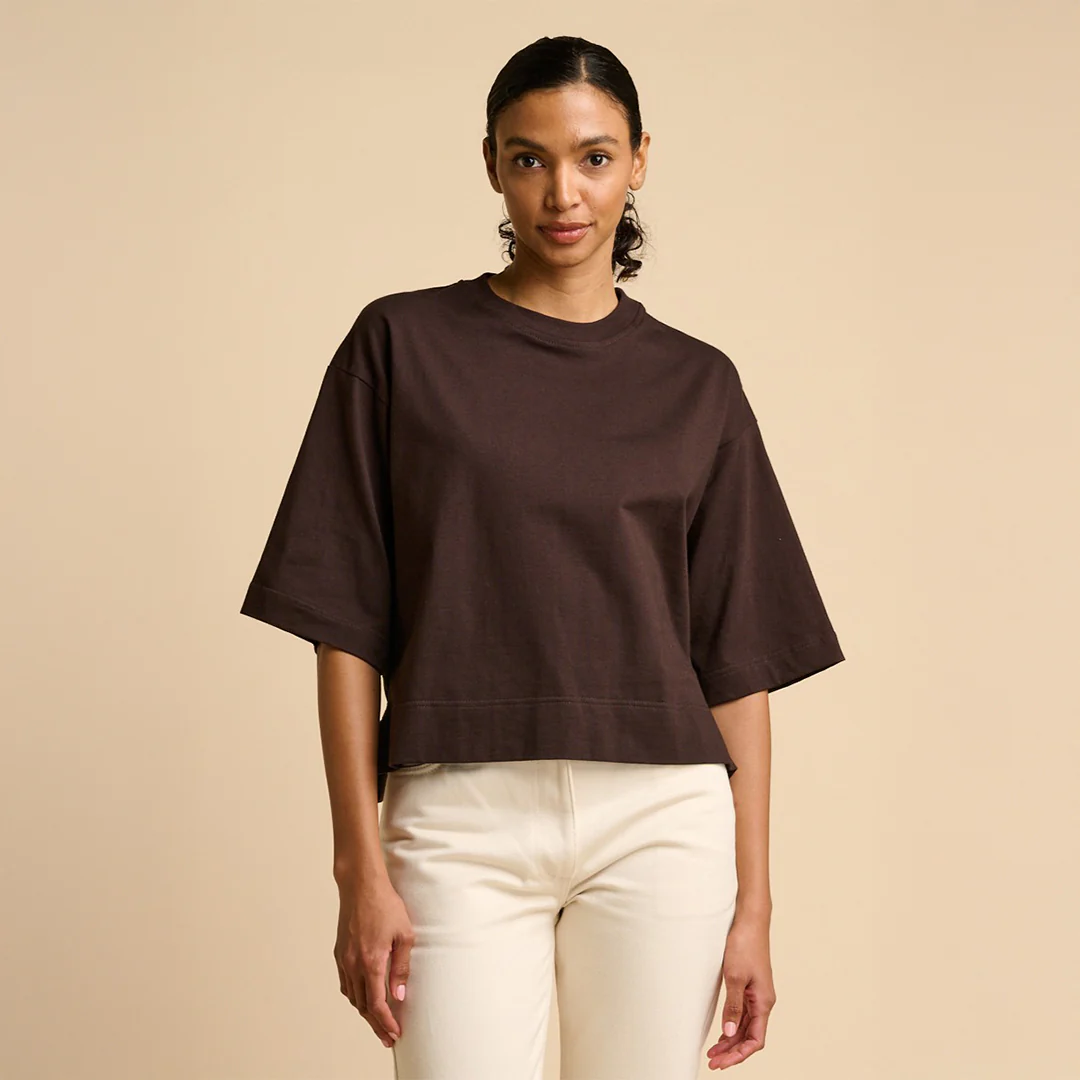
If the Known Supply tee is what pulled you in, this is the clean version of the same idea.
The Classic T-Shirt Company makes Fair Trade, GOTS organic cotton tees and the Throne Standard scan returned them as a clean pass, with no elastane sneaking into the cotton.
You get the soft, structured, everyday shirt without the plastic blend that shows up on some Known Supply styles.



US-made organic cotton
Harvest & Mill
Harvest & Mill is the brand to reach for if you want the maker story and a fully traceable fibre.
Every live style scanned 100% organic cotton, grown and sewn in the United States, so there is no India sourcing question and no blend to read around.
It is the cleanest answer for organic cotton basics we have logged, and a fair comparison for anyone drawn to the Known Supply ethic but wanting the fabric to match.

Fairtrade organic cotton
Terra Thread
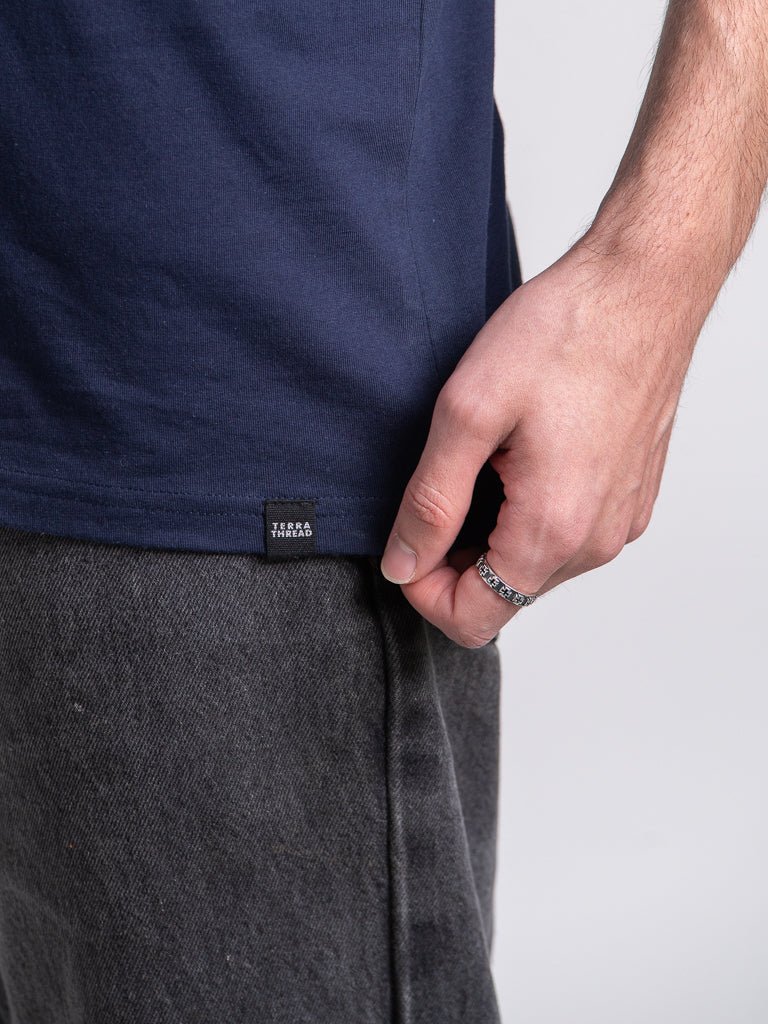
Terra Thread shares the part of Known Supply that genuinely works: Fairtrade certified, GOTS organic cotton, with real worker standards behind it.
The difference is the scan stays clean across the range rather than mixing in synthetics.
For bags, basics and everyday cotton with the ethics intact and the plastic left out, it is a strong swap.
What Known Supply Gets Right, And Where Known Supply Uses 100% Organic Cotton
Why a Known Supply outfit is only as clean as the label you check
With a brand that passes clean, you can pull a whole outfit blind and trust every fibre.
Known Supply is not that brand, so an honest outfit here comes with one rule: read the composition first.
Build it from the 71% that is pure organic cotton and you have a lovely natural-fibre look.
Grab without checking and you might walk out in elastane or polyester.
A clean Known Supply outfit, chosen carefully, looks like this:
- A 100% organic cotton tee, the core of the range and the safest pick
- An organic cotton overshirt or pullover, label confirmed as unblended
- Organic cotton trousers, avoiding the French terry and joggers where elastane and synthetic blends appear
What spoils the head-to-toe natural claim is the blended bottoms and the handful of pure synthetic styles.
So the move with Known Supply is not to trust the name, it is to trust the tag.
The cotton core is genuinely worth wearing; the blends are where the plastic lives.
How Known Supply Compares To Brands That Fail The Natural Fibre Test
It would be unfair to file Known Supply alongside the fast fashion brands that fail the fibre test outright.
At 71.2% natural it is far ahead of the plastic-soup labels where polyester and elastane are the whole catalogue.
The cotton core is real, the certifications are real, and the maker transparency is unusually strong.
But it is not a clean pass either, and the honest comparison is with the brands that go all the way.
A label like Mate the Label shows where blending elastane into cotton pulls a brand off the clean line, and the fully natural passers in our directory show what 100% looks like.
Known Supply sits in the respectable middle: better than most, short of spotless.
We have the data on where every brand lands at the clothing data hub.
Known Supply Is Mostly 100% Organic Cotton, Is That Good For Your Skin And Health?
Polyester, nylon and elastane shed microfibres with every wear and every wash, and those fibres do not stay in the laundry.
Researchers publishing in the journal Environment International reported finding microplastics in human blood for the first time, detected in the majority of the adults they tested.
The clothes against your skin all day are part of how those particles get there.
This is the real reason the blend matters on a brand as ethical as Known Supply.
The 71% that is pure organic cotton is the part that breathes, biodegrades and leaves nothing synthetic behind.
The elastane blends and the pure polyester styles are the part that sheds.
Choosing the cotton core over the blended pieces is not just a greener choice, it is a quieter one for your body.
To lift fully above the blends, the cleanest organic cotton passers in our directory are the safer default.
What Would Make Known Supply Pass
The finding that stopped me first was how confidently the brand name and homepage sell organic cotton, while the scan shows the wardrobe is not all organic cotton.
The site leads with “Ethical & Sustainable Fashion” and frames the brand around clean organic fibre, yet 20% of the live range is blended, semi-synthetic or fully synthetic.
A brand whose whole pitch is knowing what is in your clothes should be the loudest about the polyester styles, not the quietest.
The second gap is the living wage claim, because the sources do not agree.
Known Supply’s own messaging leans on fair, living wages, and one rating echoed that “a majority of its garment workers earn a living wage.” But Good On You, assessing the same brand, wrote that “it’s not clear if it ensures workers are paid living wages in its supply chain.” That raises a flag.
When two credible reviewers read the same brand and land in different places on the single most important labour question, the brand has not published enough detail. The third is the India sourcing question.
Known Supply’s organic cotton runs largely through The Rajlakshmi Cotton Mills in Kolkata and Noida, India.
The mill is GOTS and Fairtrade certified, which is real and reassuring.
But this is exactly where traceability past the certificate matters, because in 2020 GOTS itself uncovered roughly 20,000 tonnes of fraudulently certified “organic” cotton in India, about one sixth of the country’s production, with forged transaction certificates.
That is not an accusation against Known Supply or Rajlakshmi, who appear to be doing this properly.
It is why a logo is not the same as proof, and why we hold Indian organic cotton to a higher burden.
You can read the official record in the GOTS press release on organic cotton fraud in India.
What would fix all three is simple and on-brand: publish the fibre breakdown per style as plainly as they publish the maker’s name, and publish the wage data the way they publish the certifications.
Who Owns Known Supply, And Is Known Supply Actually A Sustainable Brand?
Known Supply is owned by the founders of Krochet Kids
Known Supply was founded in 2017 by Kohl Crecelius and Travis Hartanov, the same pair behind the nonprofit Krochet Kids International, which created jobs for women in Uganda and Peru.
After roughly a decade in that work they launched Known Supply as a for-profit B Corp to scale the same idea: every garment signed by the person who made it, with an online profile so you can meet them.
The brand is independent and headquartered in Costa Mesa, California, and is a Certified B Corporation.
On the question of practising what they preach, this is where Known Supply earns real credit.
The maker-signature model is not a marketing gimmick layered on a faceless supply chain; it is the actual business.
Production runs through Fair Trade Certified facilities in India, Peru, Uganda and beyond, including the GOTS and Fairtrade certified Rajlakshmi Cotton Mills.
The founders came from genuine development work, not from a marketing department, and it shows in how much of the human supply chain they expose.
The honest gap is fibre, not ethics: they tell you who made your shirt with more transparency than almost anyone, while telling you less plainly that some of those shirts are blended with plastic.
Is Known Supply Legit And Sustainable? Known Supply And The Fibre Verdict
Known Supply is a legitimate ethical brand with a mixed fibre scan.
The people story is real, the Fair Trade and B Corp certifications are real, and at 71.2% natural the cotton core is genuinely worth wearing.
What it is not is the fully clean organic cotton wardrobe the name implies, because one style in five is blended, semi-synthetic or pure synthetic.
Buy it if you want maker transparency and you are willing to read the composition tag and stick to the 100% organic cotton pieces, which are the bulk of the range.
Approach with a little doubt if you assumed every Known Supply garment was clean cotton, or if you want fully traceable, fraud-proof organic cotton without the India certificate question, in which case the cleaner passers above serve you better.
Compare it against every brand on the Known Supply listing and across the directory before you commit.
One honest note on reviews: independent customer reviews for Known Supply are thin on the usual platforms, with no Trustpilot presence we could find and most coverage coming from sustainability raters rather than buyers.
Good On You rates the brand “Good” overall and praises the lower-impact materials and disadvantaged-community jobs, while flagging the unclear living-wage picture and the lack of an animal welfare policy.
Where buyer feedback exists it tends to praise the soft, structured cotton; we are not going to invent quotes the public record does not support.
Want the receipts?
Download the Known Supply data sheet and browse every brand’s raw material data at the clothing data hub.