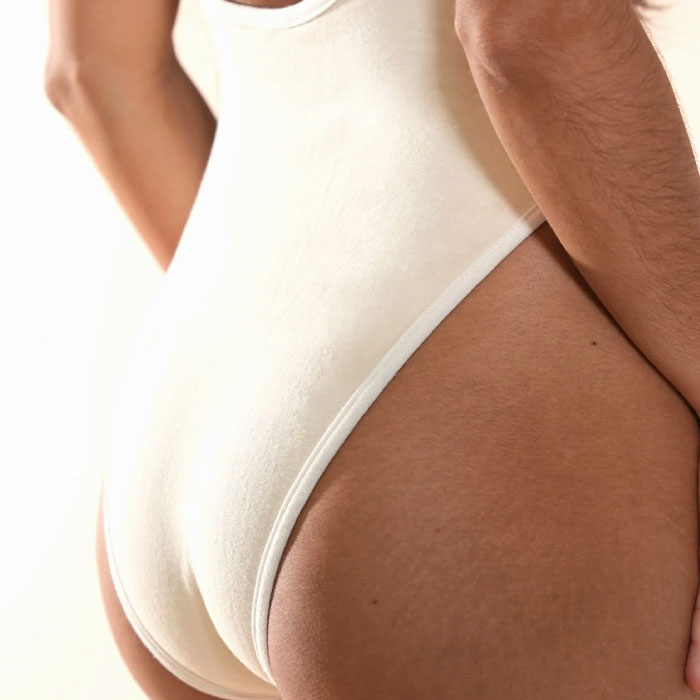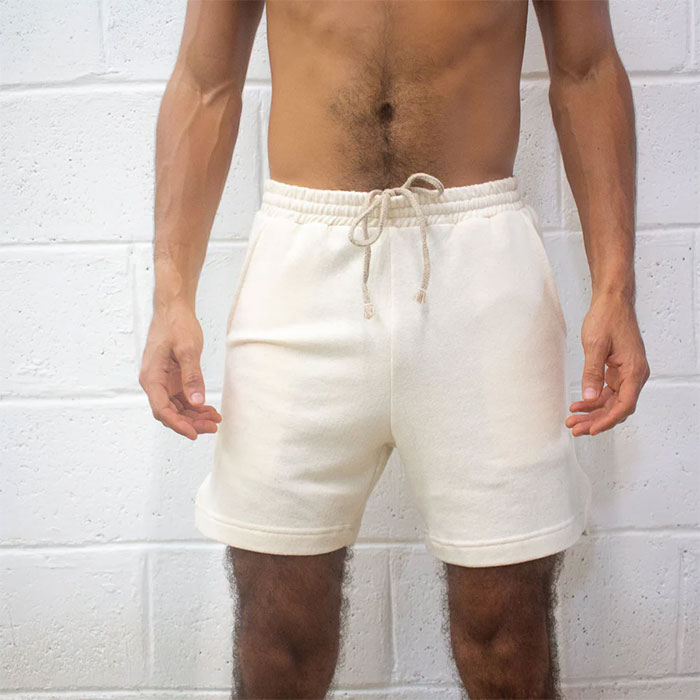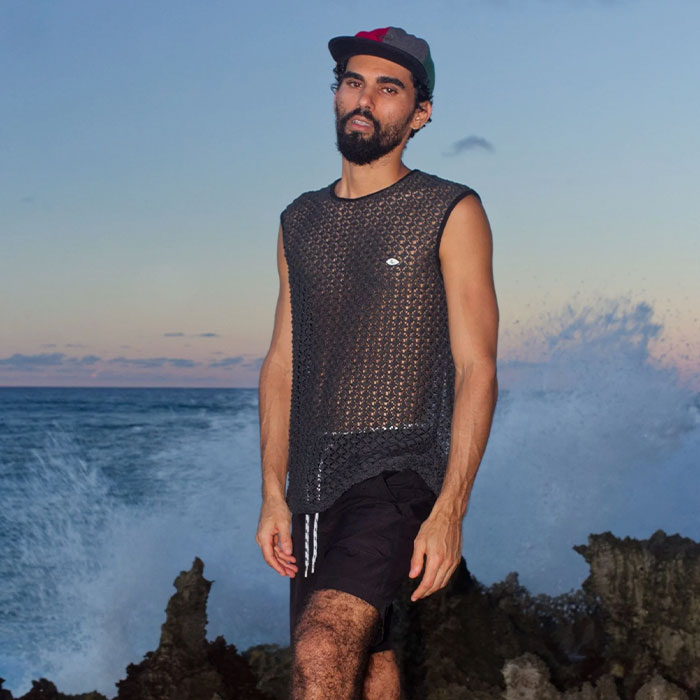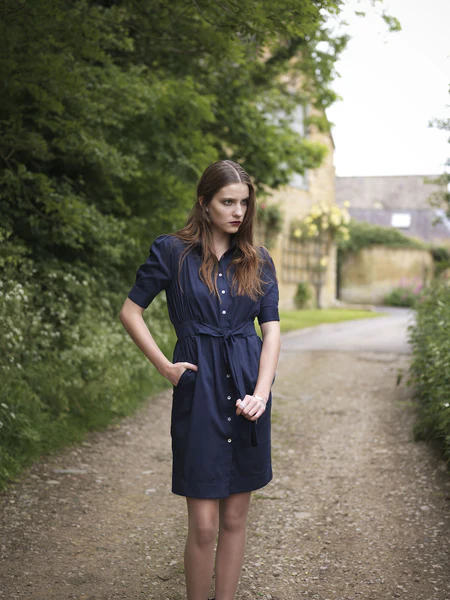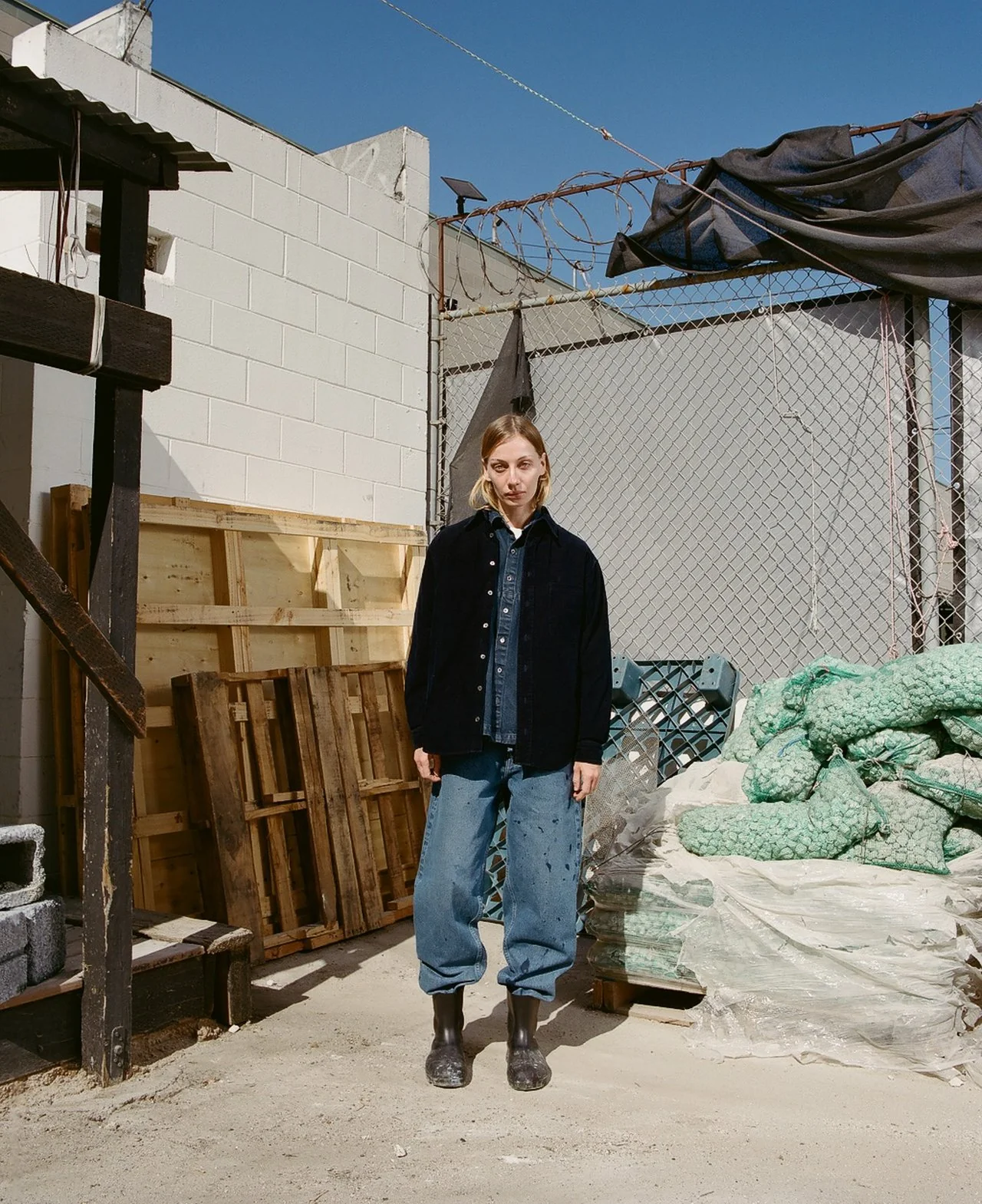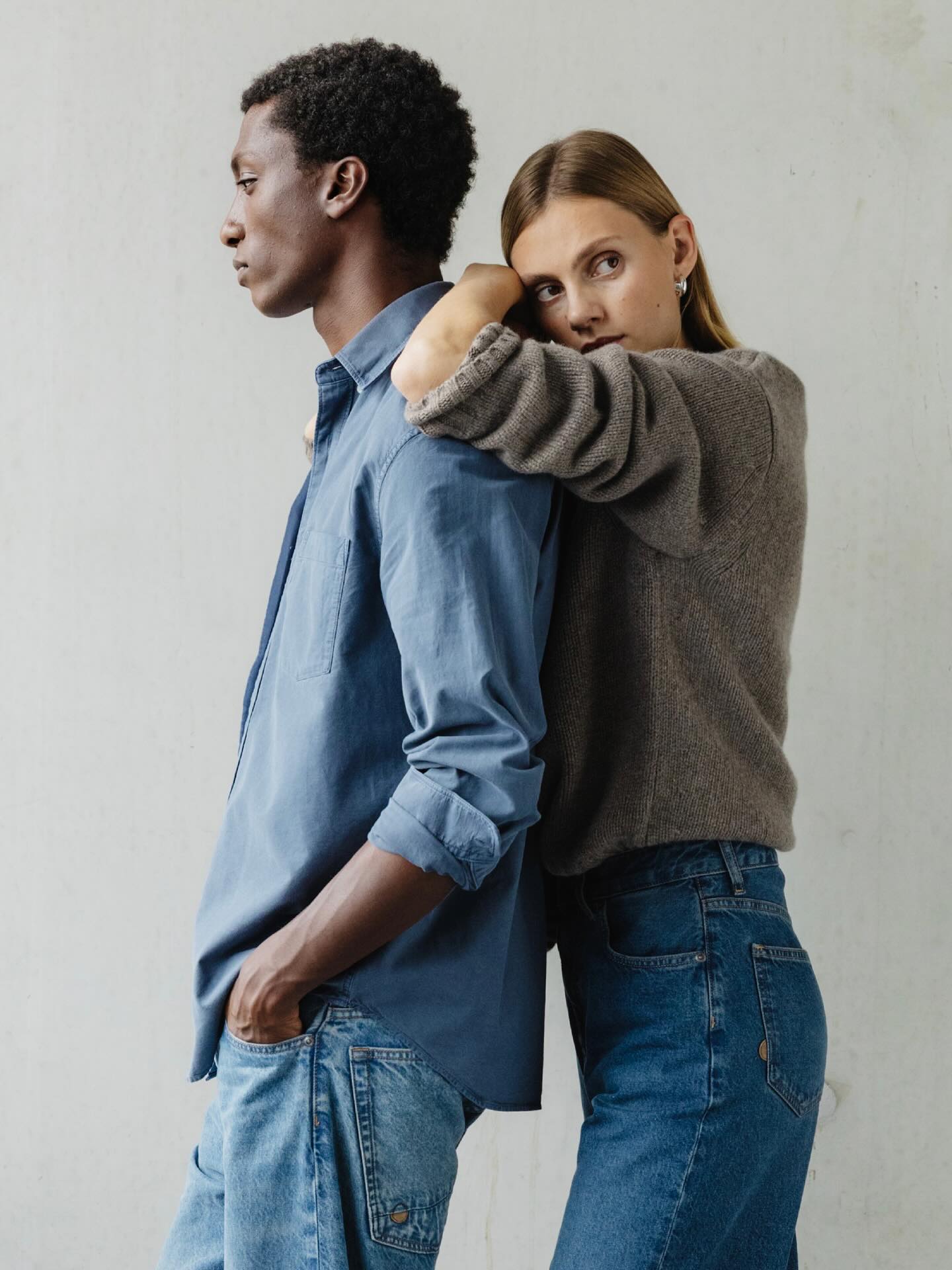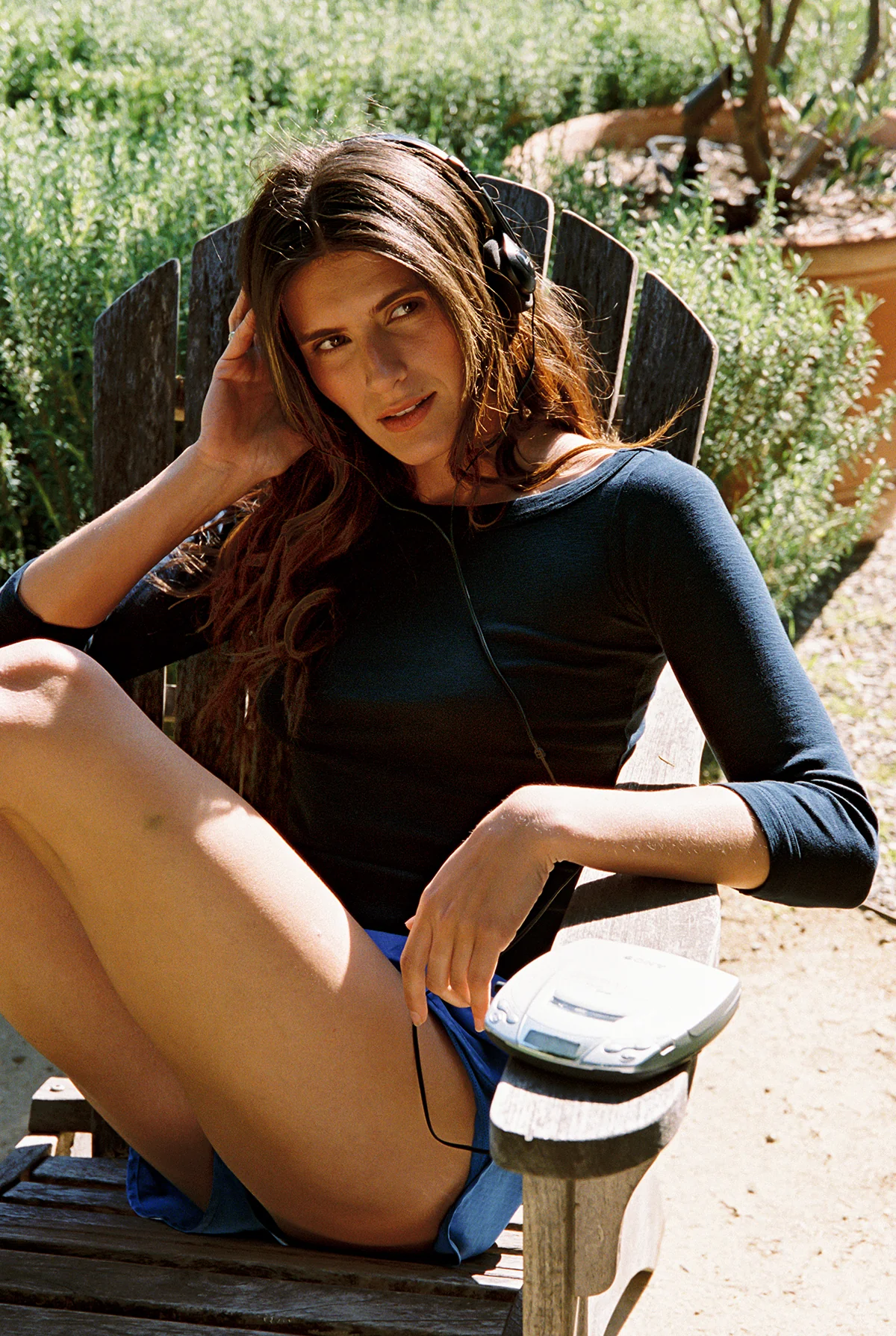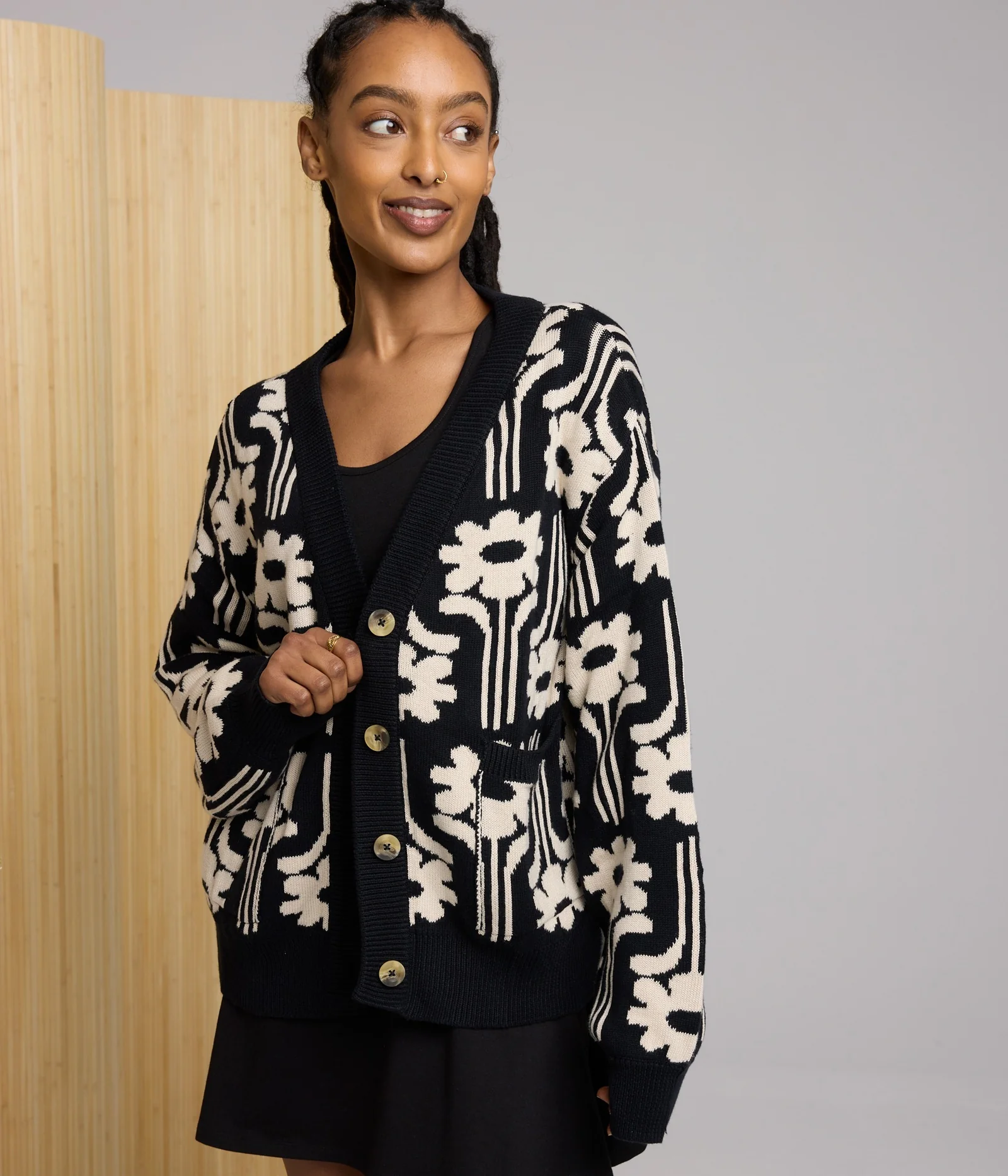
Is Older Brother Sustainable And Non Toxic Clothing? The Older Brother Fibre Data
What Is Older Brother Made Of? Older Brother Uses 100% Organic Cotton
Older Brother builds its clothing on plant fibre, and the data backs the headline.
Across 135 live styles the Older Brother catalogue scanned 86.7% natural, all of it plant fibre rather than animal.
The spine of the range is organic cotton.
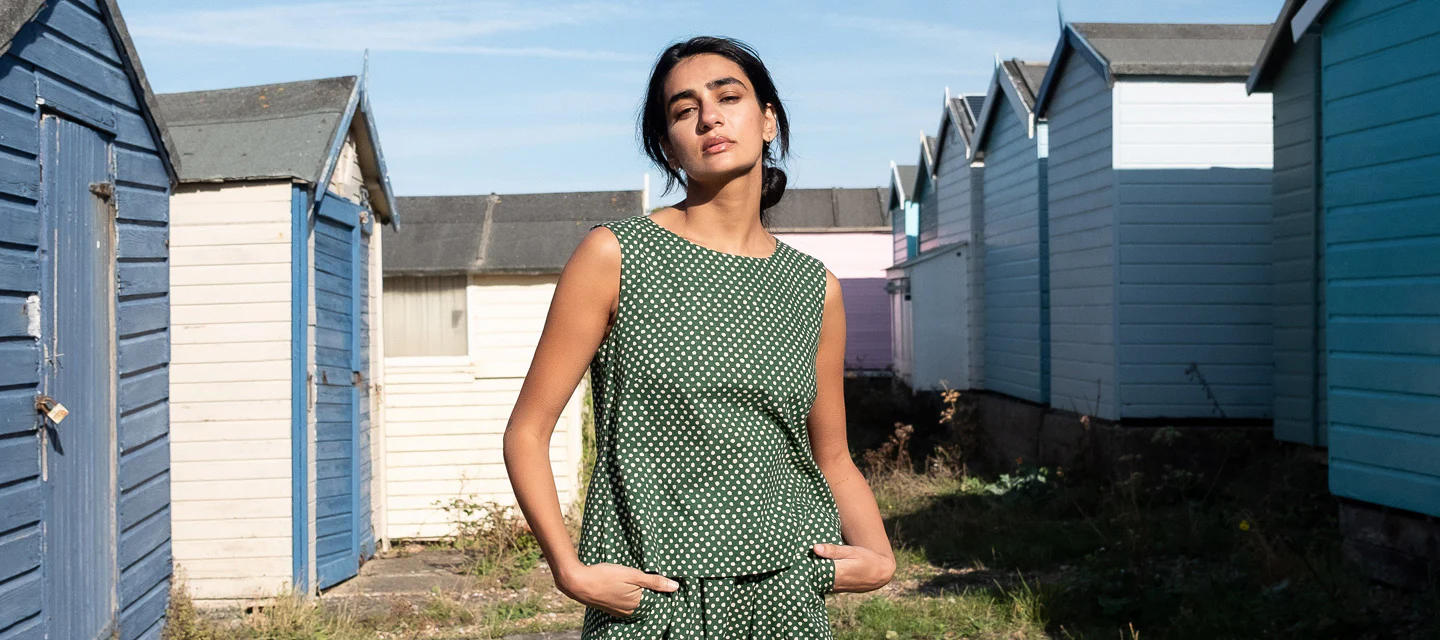
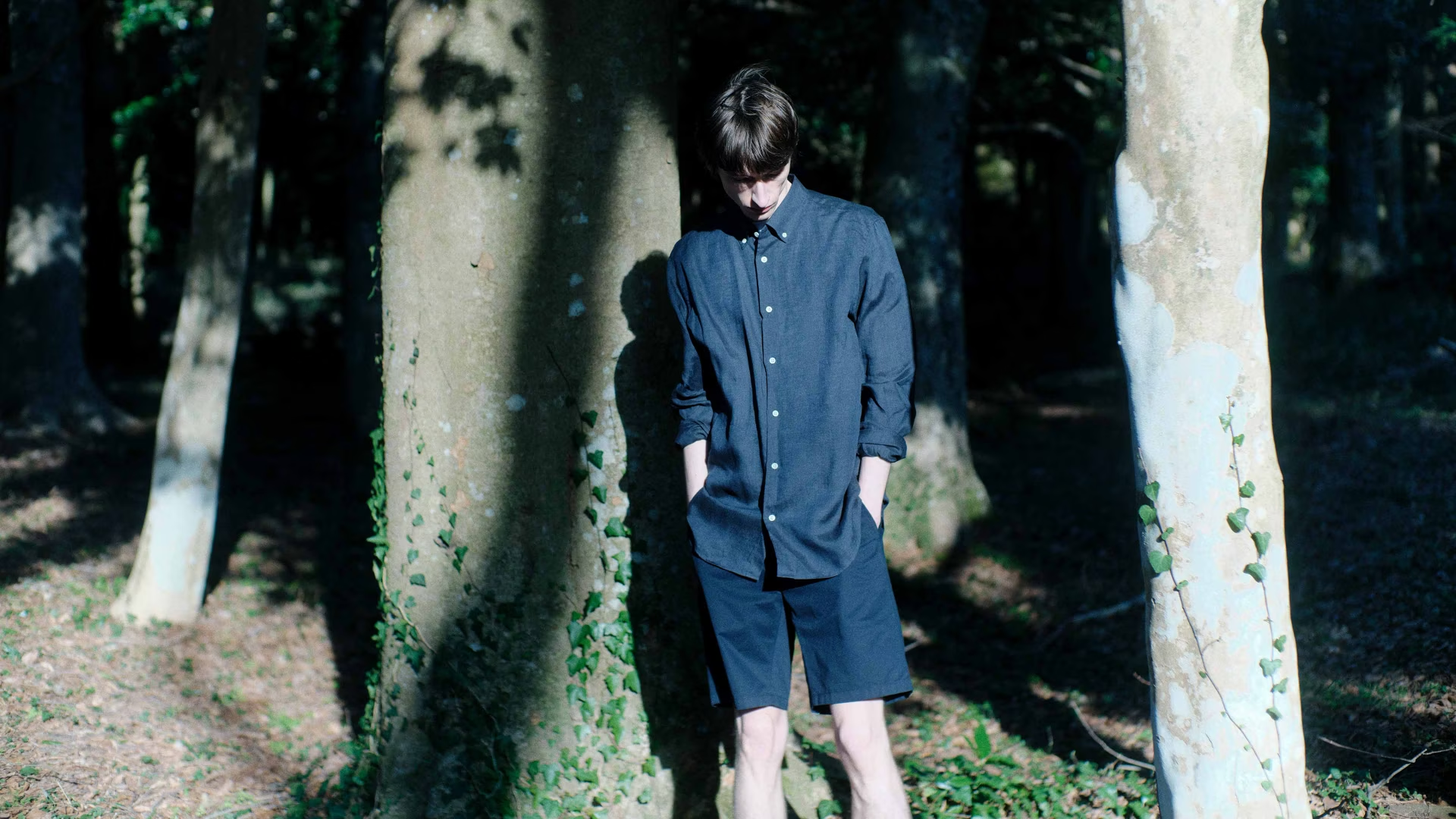
One hundred and seventeen of the one hundred and thirty five styles, nearly nine in every ten pieces, are 100% plant fibre, organic cotton and denim, hemp, linen and ramie sourced from small Japanese mills and California Cleaner Cotton growers.
A handful lean on hemp, linen or ramie, and a few blend plant fibre with silk or wool.
Here is the Older Brother fibre breakdown the scan returned:
- 100% plant fibre, 117 styles (86.7%) Cotton and silk blend, 9 styles (6.7%) Plant fibre with silk trim or panels, 6 styles (4.4%) Plant fibre and wool blend, 2 styles (1.5%) 99% recycled cashmere, 1 style (0.7%)
The story the numbers tell is a brand that is genuinely plant led, with a short tail of blends that keep it out of the 95% clean pass band.
We hold all of this against the same standard every brand in the clothing data hub meets, and Older Brother lands just under it.
Older Brother Fibre Composition: What Older Brother Clothes Are Made Of
Older Brother last fibre scan: 13 June 2026
Sustainable Clothing Brands Like Older Brother, Natural Fibre Alternatives

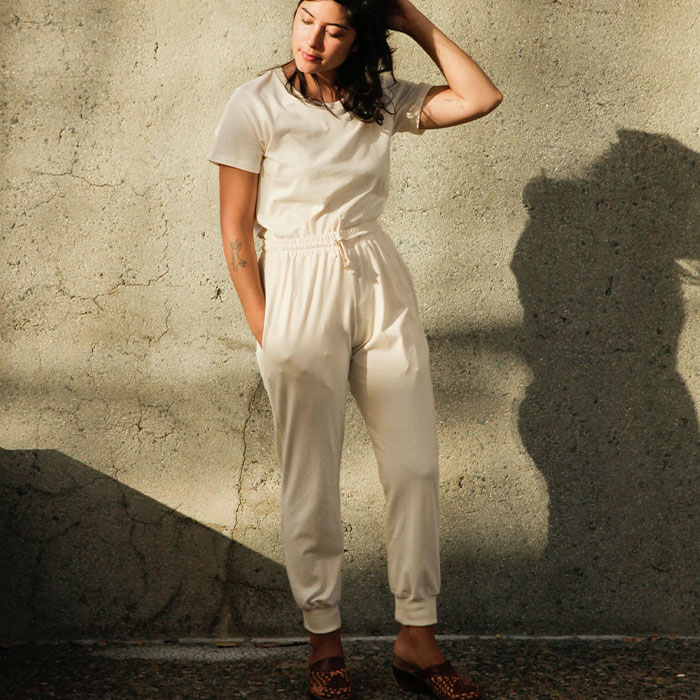
Best Sustainable Organic Cotton Basics And Joggers Brand
Harvest & Mill
Organic cotton basics grown, milled and sewn entirely in the USA on a “seed to stitch” model, direct from American farmers, heritage mills and local sewing teams.
Vegan and PETA-approved, with much of the range left undyed, plus low-waste cutting and compostable or recyclable packaging.
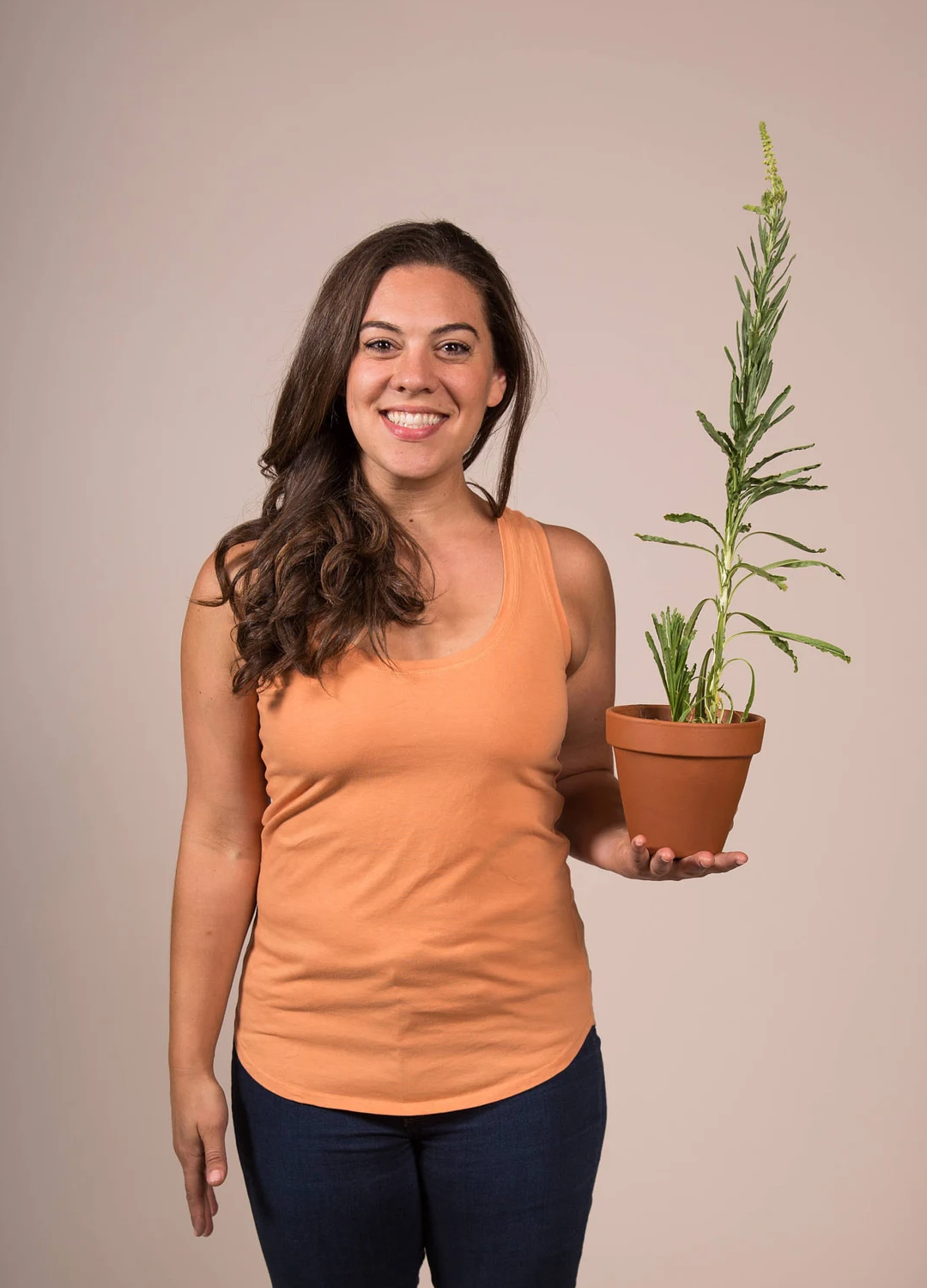
Best Plant-Dyed Organic Clothing
Sustain by Kat
100% natural from the fibre to the thread to the dye.
Every piece is organic and coloured with holistic, plant-based dyes rather than synthetic colour, and the brand is open about making locally in the US and supporting fair-wage artisan communities.
If you came for naturally dyed, slow-made, skin-kind clothing and you want that ethos in soft organic cotton instead of silk, this is where to look next.
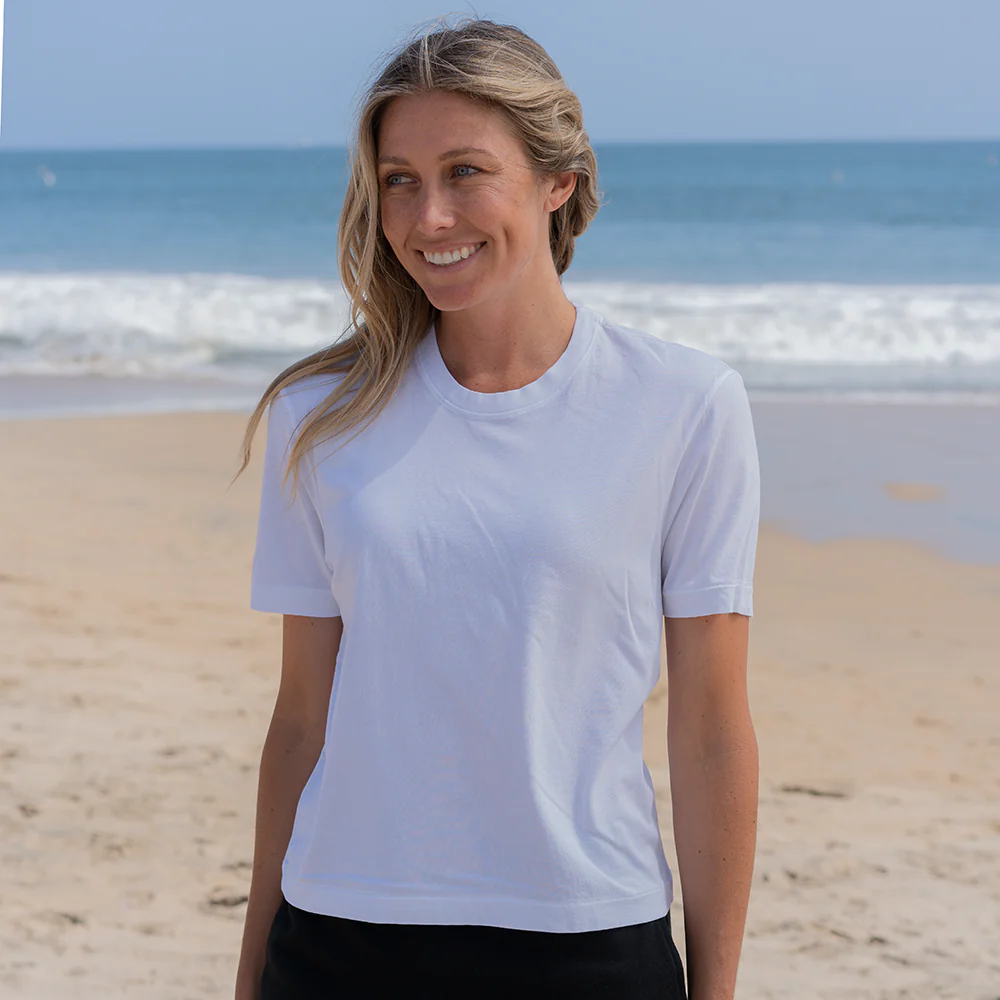
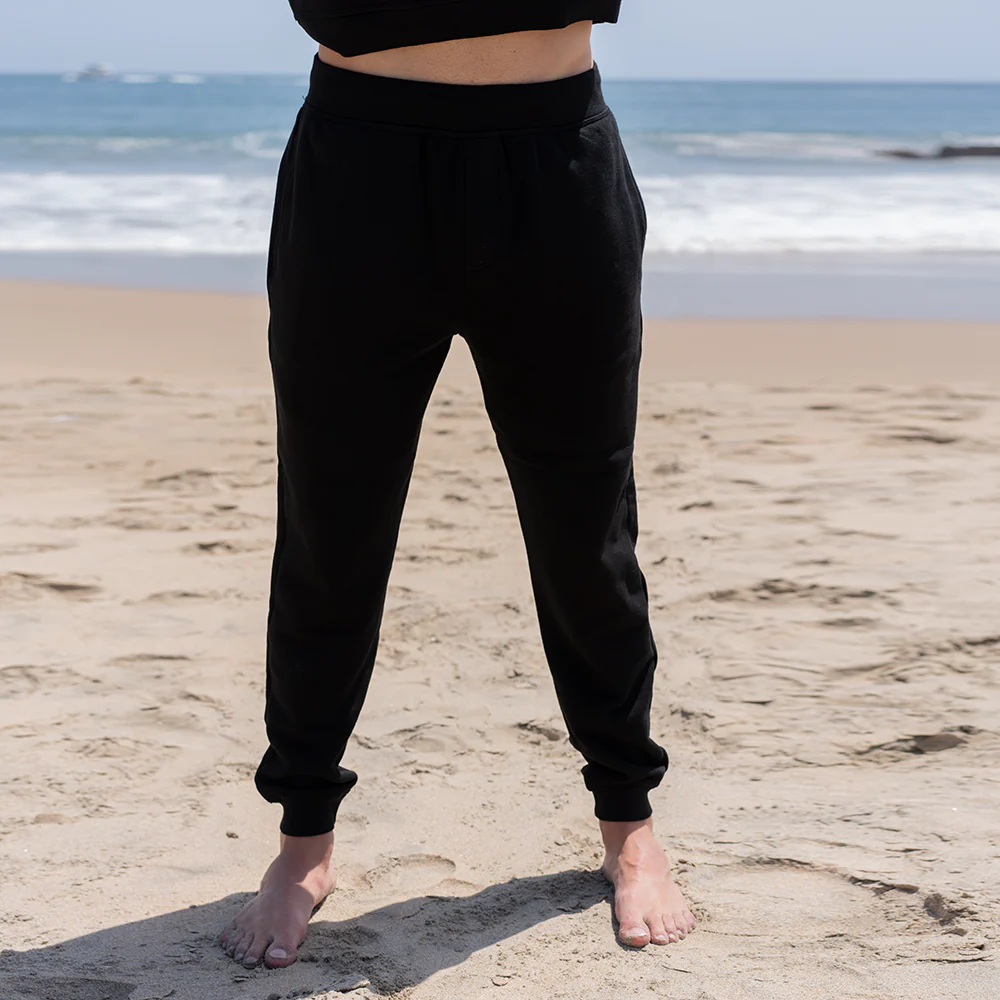
Best 100% Organic Cotton Tee, A Natural Fibre Alternative
The Classic T-Shirt Company
Exactly what the name promises: a properly made tee in 100% organic cotton, sold on its own without a fast-fashion catalogue around it.
Every scanned style came back single-fibre organic cotton, so there is no elastane hiding in the collar.
What Older Brother Gets Right, And Where Older Brother Uses 100% Organic Cotton
Where an Older Brother outfit is pure plant fibre, and where it is not
Pick carefully and an Older Brother outfit is one of the cleanest things you can put on your skin.
Build it from the organic cotton core and you are head to toe in plant fibre, coloured with food and roots instead of azo dyes.
A clean Older Brother look:
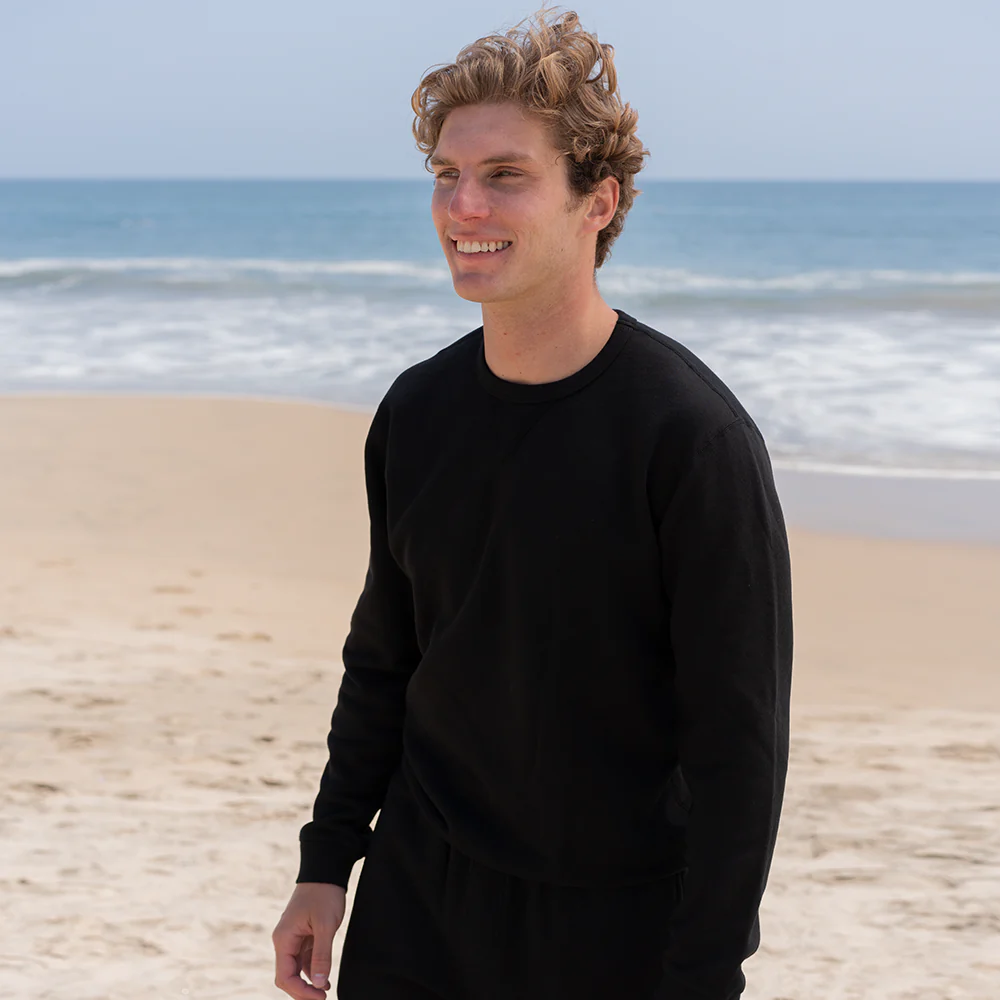
- A 100% organic cotton tee or overshirt, dyed in coffee or indigo
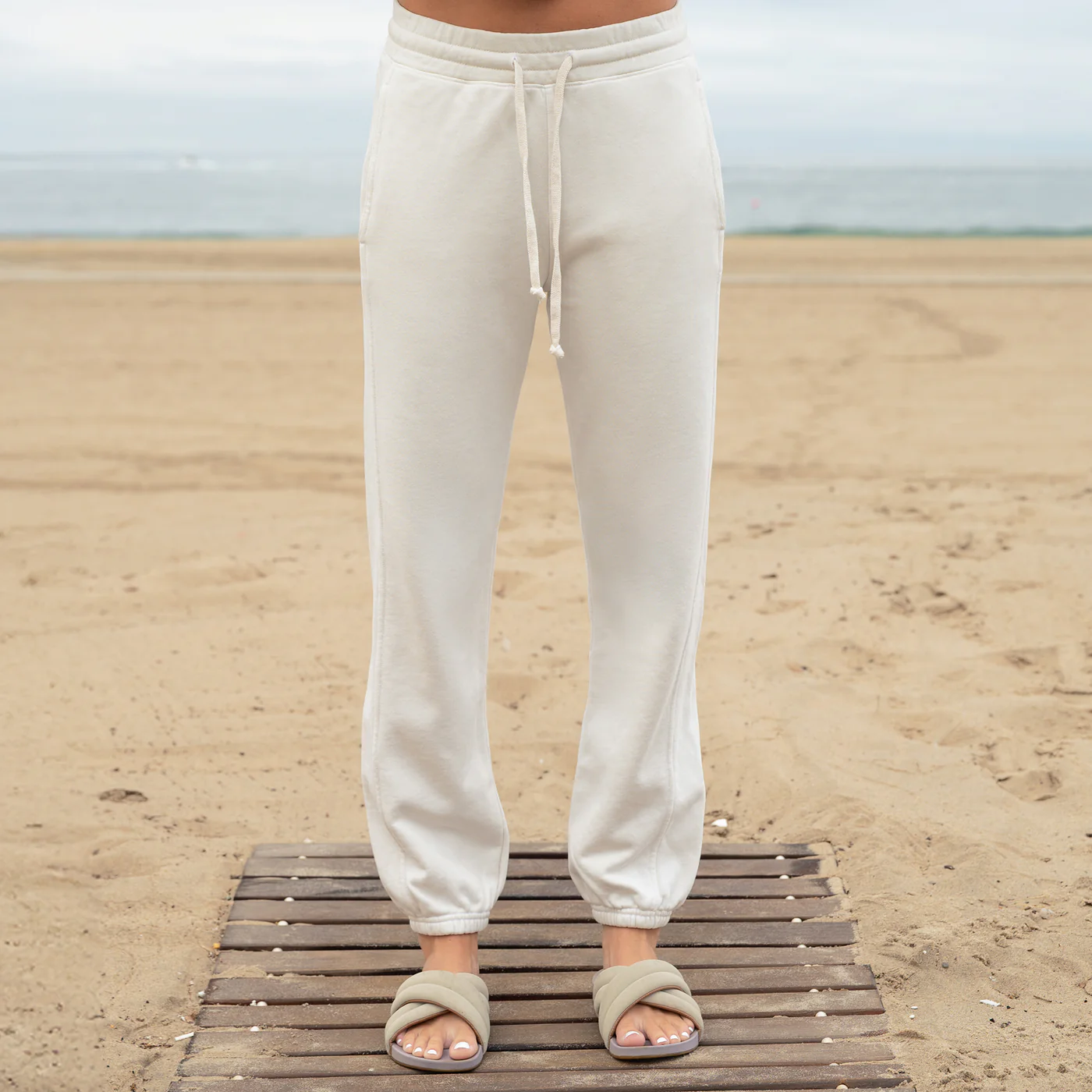
- The 100% hemp trouser or short
- A 100% organic cotton sweat or chore layer over the top
But this is a mixed brand. Reach for a cotton and silk blend piece and you have brought animal fibre into the outfit that the pure plant styles do not have.
Pick one of the animal and plant or mixed fibre blends and the outfit is no longer the fully plant story the brand is famous for.
With Older Brother, the clean outfit is real, it just is not automatic.
You have to read the label, and on this brand the label still rewards you most of the time.
How Older Brother Compares To Brands That Fail The Natural Fibre Test
It would be unfair to file Older Brother next to the polyester machines.
A brand that scanned 86.7% natural is in a different universe from a fast fashion label where the same scan returns single digit plant content and a wall of recycled plastic dressed up as green.
Most of what they sell is real cotton and hemp, dyed without heavy metals, made in the USA from traceable mills.
Against the blend brands we have already mapped, the difference is that Older Brother’s plastic is the exception, not the recipe.
Older Brother is not a failure and it is not a clean pass.
It is a strong mixed brand whose own marketing reaches for clean pass language the data does not quite earn.
Older Brother Is Mostly 100% Organic Cotton, Is That Good For Your Skin And Health?
Synthetic fibres do not just sit on the planet, they shed.
Polyester, nylon and elastane release microscopic plastic fibres with every wear and every wash, and those fibres do not stay in the laundry water.
Researchers publishing in the journal Environment International confirmed microplastics circulating in human blood, found in the majority of the people they sampled, with polyethylene and PET, the plastic of clothing and bottles, among the most common.
That is the reason a wardrobe built from cotton, hemp and linen is a body decision, not only an environmental one.
There is nothing to shed into your lungs, your bloodstream or your wash.
Nearly nine in ten Older Brother pieces are pure plant fibre with nothing to break down into plastic dust.
The asterisk is the blend tail, the styles with silk, wool or recycled cashmere, where the fully clean promise stops applying.
If a totally plastic free wash is the goal, stay on the cotton and hemp core and skip the blends, the same care we would tell you to take with any brand that mixes its fibres.
What Would Make Older Brother A Clean Pass, Closing The Blend Tail
Older Brother’s own world describes garments dyed and softened with plants, free of heavy metals and toxins, the kind of clothing you are meant to feel safe burying in the garden one day.
The independent listing that verified them is more candid, noting that a small percentage do contain traces of plastic.
That raises a flag, because the brand’s romance is built on the idea that there is no plastic anywhere in the room, and their own verification quietly says otherwise.
Say it out loud on the product pages, the way the scan does: most of this is pure plant fibre, some of it is blended, here is which.
The other gaps are honest ones a brand this good should close:
- No published fibre content per style. For a brand that sells on natural materials, the exact composition is hard to find before you buy. The animal and plant blends and mixed fibre pieces are not labelled clearly enough to tell what is in them.
- Heritage of the dye is told, the wage floor is not. Older Brother talks beautifully about the Japanese mills and the generations behind them, but we could not find a code of conduct, a wage floor or a worker statement for the people sewing the garments. A made in USA label is a start, not a substitute for that.
- Certification is implied, not shown. The cotton is called organic and the dyes natural, but the public pages lean on the story rather than a third party mark you can verify. For a clean brand, a visible certificate is the difference between trust and trust me.
It makes them a near miss that talks like a clean pass, and the cure is transparency, not reinvention.
Who Owns Older Brother, And Is Older Brother Actually A Sustainable Brand?
Older Brother is owned by founders Max Kingery and Bobby Bonaparte
Older Brother is an independent brand, founded around 2014 by Max Kingery and Bobby Bonaparte.
They are not actually brothers, which is the kind of wink the whole label runs on.
There is no fashion conglomerate behind them, no parent group quietly steering the green messaging.
On practising what they preach, the founders score well.
They build the clothing in the USA, source organic cotton and linen from small Japanese mills whose families have worked in textiles for generations, and dye with indigo, coffee, turmeric and madder rather than synthetic colour.
Their stated dream is a biodynamic farm to grow their own dye plants, which is a long way from greenwashing for clicks.
The doubt is not about who they are, it is about the blend tail and the missing worker and certification detail.
Independent and sincere, just not yet fully transparent, which is the whole reason Older Brother lands in the mixed column rather than the clean pass next to it.
Is Older Brother Legit And Sustainable? Older Brother And The Fibre Verdict
Older Brother is a real, independent, naturally dyed slow fashion brand, and the data says most of what they sell is genuinely plant fibre.
But this is not the clean pass their plant dye story implies.
The Throne Standard scanned all 135 live styles and read 86.7% natural, which is mixed, not clean, because of a tail of silk, wool and recycled cashmere blends and a marketing voice that sounds more completely plastic free than the catalogue actually is.
Buy it if you want beautiful, low toxin, plant dyed clothing made in the USA and you are willing to read the label and stay on the organic cotton and hemp core.
Be careful if you assumed every Older Brother piece was pure plant fibre, because a small share is not, and the brand does not always make that easy to spot.
Reviews online are limited, but what exists, alongside the brand’s own following and the candid third party note that some pieces contain plastic traces, points to a sincere brand still finishing the transparency work.
You can see the full Older Brother listing here and judge it against the rest of the directory.
Want the receipts?
Download the Older Brother data sheet and browse every brand’s raw material data at the clothing data hub.